How to Fix a Loose Floorboard and Stop Squeaky Floors (Step-by-Step)

While hardwood floors offer a lifetime of beauty and ease of care, that reputation takes a hit when every step produces a sharp chirp or groan. In my 12 years as a facilities manager, I have found that floor noise is one of the most common complaints, yet it is often the most ignored home maintenance task. A loose plank is rarely a sign of structural failure, but it is a persistent nuisance that can make an otherwise solid home feel aged and neglected.
In my first home, a 1940s bungalow, I had a hallway floorboard that squeaked so loudly it would wake my toddler every time I checked on him at night. I initially tried to fix it by hammering in a few finish nails, but within a week, the squeak returned. The nails had simply pulled loose again. That experience taught me that stopping floor noise requires understanding the mechanics of wood movement and using the right fasteners to create a permanent bond between the plank and the subfloor.
Identifying the Source of Floor Squeaks
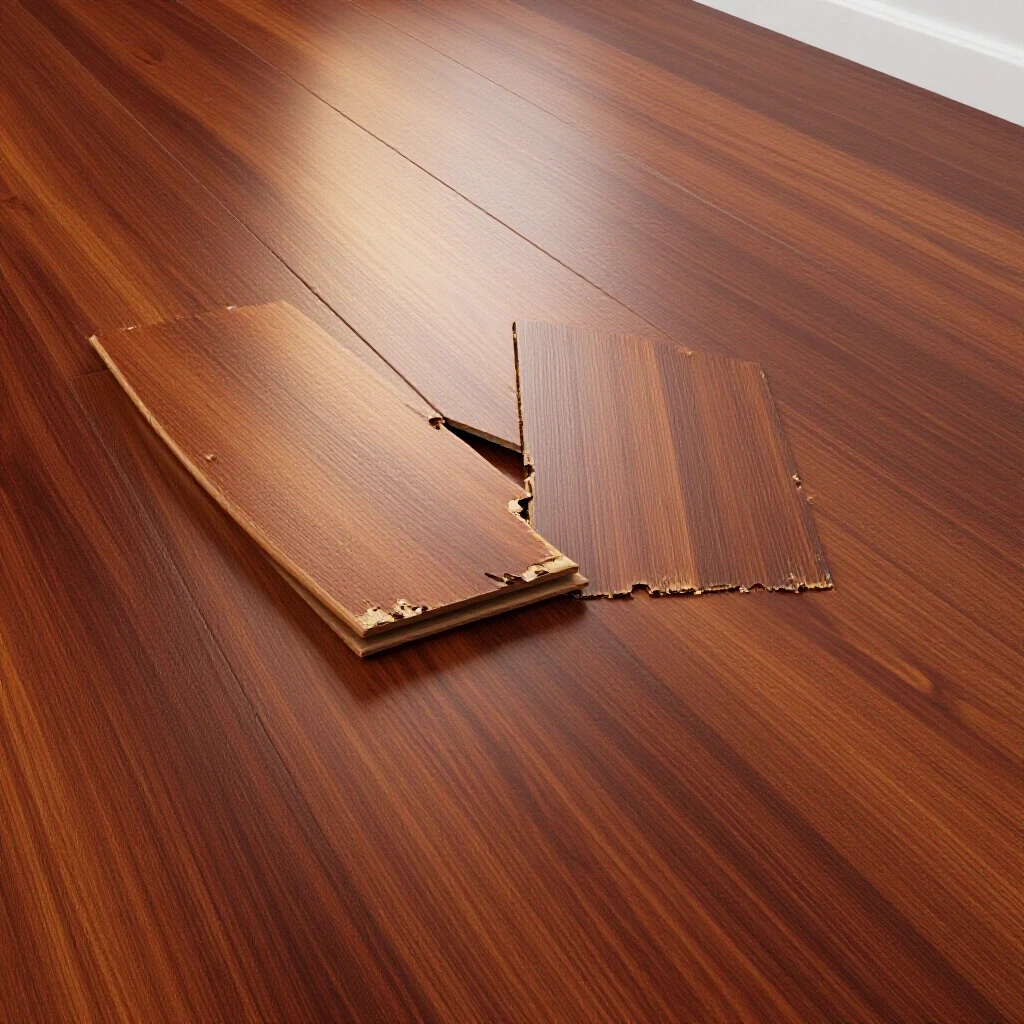
Pinpointing the exact location where a wooden plank rubs against a nail or the subfloor is the first step in silencing intrusive noises. You must determine if the sound is coming from the floorboard rubbing against its neighbor or if the board has lifted away from the subfloor entirely.
Finding the culprit requires a systematic approach. I usually ask a family member to walk slowly across the floor while I stay at eye level with the wood. Look for vertical movement. If you see the board dip when stepped on, you have a gap between the plank and the subfloor. If there is no visible movement but the sound is high-pitched, it is likely friction between two boards. Interestingly, friction squeaks are often solved with a simple lubricant, whereas movement squeaks require mechanical fastening.
Common Causes of Wood Floor Movement
Wood is a natural material that reacts to the environment, expanding in high humidity and shrinking when the air is dry. Over time, this cycle can cause nails to back out of the joists, creating a small gap that allows the board to move.
In facility maintenance, we often see these issues crop up during seasonal transitions. When the furnace kicks on in the winter, the air dries out, and the wood planks shrink. This shrinkage creates space. When you step on the board, it slides down the shaft of the original nail, creating that classic “wood-on-metal” rubbing sound. Understanding this cycle helps you realize that a simple surface fix might not work if you don’t address the underlying gap.
Essential Equipment for Securing Wooden Planks
Having the right fasteners, drills, and lubricants ensures the repair is durable and does not damage the surrounding wood finish. Using the wrong tool, such as a standard wood screw without a pilot hole, can split an expensive hardwood plank instantly.
I keep a specific “floor kit” in my workshop to avoid hunting for tools mid-project. The most important items are specialized screws designed to snap off below the wood surface. These allow you to reach the subfloor or joist without leaving a large screw head visible. Below is a breakdown of the tools I rely on for these weekend upgrades.
Core Tool and Material Matrix
This table compares the tools you will need based on the specific type of noise repair you are performing.
| Tool/Material | Purpose | Necessity |
|---|---|---|
| Stud Finder | Locating floor joists beneath the subfloor | Essential for joist-based repairs |
| Drill with 3/32″ bit | Creating pilot holes to prevent wood splitting | Essential |
| Break-away Screws | Fastening boards while hiding the entry point | Highly Recommended |
| Wood Glue/Adhesive | Filling gaps and bonding boards to subfloor | Essential for non-joist repairs |
| Wood Putty/Filler | Hiding screw holes and matching floor color | Essential for finishing |
| Graphite Powder | Lubricating rubbing boards to stop friction | Optional (for minor squeaks) |
| Rubber Mallet | Tapping boards or shims without marring wood | Recommended |
Method 1: Fixing Noisy Floors from Above
When you cannot access the joists from a basement or crawlspace, you must use specialized screws or adhesives directly through the surface. This is the most common scenario for second-story bedrooms or homes with finished basements.
I prefer using a “counter-snap” screw system. These kits include a tripod tool that controls the depth of the screw. You drive the screw through the plank and into the joist; the tripod then allows you to snap the head of the screw off about an eighth of an inch below the wood surface. This leaves a tiny hole that is easily filled with color-matched putty.
Step-by-Step Top-Down Execution
- Locate the Joist: Use a stud finder or tap the floor with a hammer to find the solid “thud” of a joist. Joists usually run 16 inches apart.
- Drill a Pilot Hole: Even with specialized screws, I always drill a small pilot hole. This prevents the hardwood from cracking and ensures the screw travels straight.
- Drive the Screw: Using the depth-control tool, drive the screw until it pulls the board tight against the subfloor. You will feel the resistance increase as the gap closes.
- Snap the Head: Use the tool to snap the top of the screw off. It should break cleanly below the surface.
- Fill and Blend: Use a wood filler that matches your floor’s stain. Wipe away excess filler immediately with a damp cloth to avoid staining the surrounding finish.
Method 2: Stabilizing Boards from Beneath
Working from a crawlspace or basement allows you to use shims and braces to stop movement without leaving visible marks on the finished floor. This is the cleanest method because the repair is completely hidden from view.
In my second home, I had access to the floor joists from an unfinished utility room. I found that several planks were squeaking because the subfloor had slightly warped away from the joist. Instead of driving screws from above, I used thin cedar shims coated in wood glue. By gently tapping the shim into the gap between the joist and the subfloor, I eliminated the “bounce” that was causing the noise.
Proper Shim Installation Techniques
- Apply Glue: Always coat the shim in a thin layer of wood glue. This prevents the shim from vibrating out of place over time.
- Avoid Over-Driving: Do not force the shim in too far. If you drive it too hard, you can actually lift the floorboard further, creating a hump in the floor above.
- Use a Cleat: If the gap is large, screw a short piece of 2×4 (a “cleat”) directly into the side of the joist so it is flush against the subfloor. This provides a new, solid surface for the subfloor to rest on.
Addressing Friction Squeaks with Lubricants
Sometimes a floor makes noise because two planks are rubbing against each other laterally rather than moving vertically. This often happens in hallways where foot traffic is heavy and the wood has expanded.
If you don’t see the board moving when you step on it, try a dry lubricant first. I use powdered graphite or even simple talcum powder. Sprinkle the powder over the noisy joint and walk back and forth to work it down into the crack. The powder reduces the friction between the boards, often silencing the squeak without any mechanical tools. This is a great “first-effort” fix that takes five minutes and costs almost nothing.
Dry Lubricant Application Steps
- Clean the Joint: Use a vacuum to remove dust and debris from the gap between the boards.
- Apply Powder: Dust the area generously with graphite or talcum powder.
- Work it In: Walk on the boards or use a rubber mallet to vibrate the planks, helping the powder settle.
- Clean the Surface: Wipe up the excess powder. Be careful with graphite, as it can be messy and stain light-colored wood or rugs.
Managing Material and Drying Timelines
Every repair involves a “waiting period” where adhesives or fillers must cure before the floor can be used normally. Rushing this process is a common mistake that leads to the repair failing within weeks.
When I use wood glue to secure a shim or wood filler to hide a screw hole, I treat those areas as “no-fly zones” for at least 24 hours. If someone walks on a freshly glued board, the bond can break before it ever fully hardens. Refer to the table below for typical curing times based on standard household conditions (approx. 70°F with 50% humidity).
| Material | Initial Set Time | Full Cure Time | Usage Note |
|---|---|---|---|
| PVA Wood Glue | 30 Minutes | 24 Hours | Keep weight off the area |
| Wood Putty (Water-based) | 15 Minutes | 2-4 Hours | Can be sanded after 2 hours |
| Construction Adhesive | 1 Hour | 24-48 Hours | Used for subfloor-to-joist gaps |
| Powdered Lubricant | Immediate | N/A | No drying time required |
Troubleshooting Common Repair Failures
Even with careful planning, sometimes a fix doesn’t stick. The most frequent issue I see is “missing the joist.” If you drive a screw from above and it doesn’t grab anything solid, it will just spin and eventually work its way back up.
If your screw doesn’t feel like it’s tightening, it likely missed the joist. Remove the screw, angle a new pilot hole slightly toward the suspected joist location, and try again. Another common failure is using a screw that is too long. In my facilities work, I’ve seen DIYers accidentally pierce copper water pipes or electrical wires hidden in the floor cavity. Always check the thickness of your flooring and subfloor—usually about 1.5 inches total—and choose a screw that won’t penetrate more than an inch into the joist.
Safety Check: Avoiding Hidden Hazards
- Check for Utilities: If you are working near a kitchen or bathroom, be aware that pipes often run through floor joists.
- Protective Gear: Always wear safety glasses when drilling. Small shards of hardwood can fly up at high speeds.
- Knee Protection: Since you will be on the floor for several hours, a pair of foam knee pads will prevent soreness and allow you to focus on the precision of the work.
Final Finishing and Visual Blending
The goal of a successful repair is for the fix to be invisible. Once the board is secured, you are left with a small hole that needs to be camouflaged.
Matching wood grain and color is an art. I recommend buying a “variety pack” of wood filler sticks in different shades. You can often mix two colors by kneading them together to get a closer match to your specific floor. Apply the filler slightly higher than the floor surface, let it dry, and then gently buff it flush with a soft cloth. Avoid using sandpaper, as it will scratch the surrounding polyurethane finish and create a dull spot that is harder to fix than the original squeak.
Project ROI: DIY vs. Professional Labor
Taking on this task yourself offers a significant return on investment. Most professional flooring companies have a “minimum call-out fee” that ranges from $150 to $300 just to show up.
A typical DIY repair for a single room costs less than $50 in materials and takes about half a day. More importantly, you gain the skills to maintain your floors for years to come. The tools you buy, like the stud finder and drill, are foundational items that will serve you in dozens of future home upgrades.
| Expense Item | DIY Cost | Professional Cost |
|---|---|---|
| Labor | $0 (Your Time) | $150 – $400 |
| Fasteners/Kits | $20 – $35 | Included in Labor |
| Adhesives/Fillers | $10 – $15 | Included in Labor |
| Total Project Cost | $30 – $50 | $150 – $400 |
Conclusion and Next Steps
Addressing floor noise is a manageable weekend project that yields immediate results. By identifying the cause of the movement and choosing the appropriate method—whether it’s a top-down screw, a bottom-up shim, or a simple lubricant—you can restore the quiet comfort of your home.
Start by surveying your home and marking every squeak with a small piece of painter’s tape. This allows you to tackle all the repairs in one session, making the most of your tool setup and cleanup time. Once you have silenced the floors, you will find that the ease of care associated with hardwood is much more enjoyable without the constant reminder of loose planks.
Frequently Asked Questions
Why does my floor only squeak in the winter?
Wood shrinks when the indoor humidity drops during the heating season. This shrinkage creates gaps between the planks and the subfloor or between the planks themselves. When you step on the floor, the boards move into these gaps, causing the noise. Using a humidifier can sometimes reduce these seasonal squeaks.
Can I just use standard drywall screws to fix a squeak?
No, standard drywall screws are brittle and can snap under the pressure of a moving floorboard. They also have large heads that are impossible to hide. Always use screws specifically designed for flooring, which are thinner, stronger, and often have heads that can be snapped off or easily concealed.
What if I have a squeak under a carpeted area?
You can still use the top-down screw method. There are specialized kits designed to drive screws through the carpet and into the wood below. The screw head snaps off below the carpet backing, making the repair completely invisible without having to pull up the carpet.
How do I know if the squeak is in the subfloor or the finish floor?
If you can see the individual hardwood plank moving, the issue is between the plank and the subfloor. If the entire floor area feels “bouncy” and the noise is a deep groan, the subfloor might be loose from the joists. The latter usually requires working from underneath the floor.
Will WD-40 stop a floor squeak?
Never use oil-based lubricants like WD-40 on wood floors. The oil will soak into the wood, potentially staining it and making it impossible for future finishes or adhesives to bond. Stick to dry lubricants like powdered graphite or talcum powder.
Do I need to pre-drill every hole?
Yes. Hardwood like oak, maple, or cherry is very dense. If you drive a screw without a pilot hole, the pressure will almost certainly split the wood along the grain. A pilot hole slightly smaller than the screw diameter ensures a safe, tight fit.
How many screws should I use per board?
Usually, one screw into the joist is enough to stop a localized squeak. If the board is long and loose in multiple spots, space the screws about 8 to 10 inches apart, ensuring each one hits a solid joist or thick subfloor.
What is the best way to find a joist through hardwood?
A high-quality stud finder set to “deep scan” mode often works. Alternatively, you can use a small hammer to tap the floor; a hollow sound indicates a gap, while a solid “thud” indicates a joist. You can also look for existing nail patterns in the floor, as these often follow the joist lines.
Can I use wood glue to stop a squeak from above?
You can inject a thin, high-strength wood adhesive into the cracks between boards using a syringe kit. This is effective for friction squeaks where you don’t want to use fasteners. However, it requires the glue to dry completely (24 hours) before you walk on it.
Is it possible to over-tighten the screws?
Yes. If you are using a drill, stop as soon as the board is pulled flush. Over-tightening can strip the hole in the joist or cause the screw to pull all the way through the hardwood plank, leaving a large, unsightly hole. Stop when you feel the board stop moving.
(This article was written by one of our staff writers, Robert Callahan. Visit our Meet the Team page to learn more about the author and their expertise.)