How to Repair a Split Door Stop for a Seamless Fix (DIY Guide)

I remember standing in the hallway of my first home, a 1940s colonial, just three days before hosting a holiday dinner. I had spent weeks painting the walls, only to notice a jagged, three-inch split running right through the wood stop on the guest bathroom door. It was a small defect, likely caused by a door slamming too hard during a summer draft, but in the harsh hallway light, it looked like a canyon. I knew that if I didn’t address it correctly, the crack would only grow every time the door settled against it. That moment taught me that the smallest details often require the most calculated approach to ensure they remain hidden and durable.
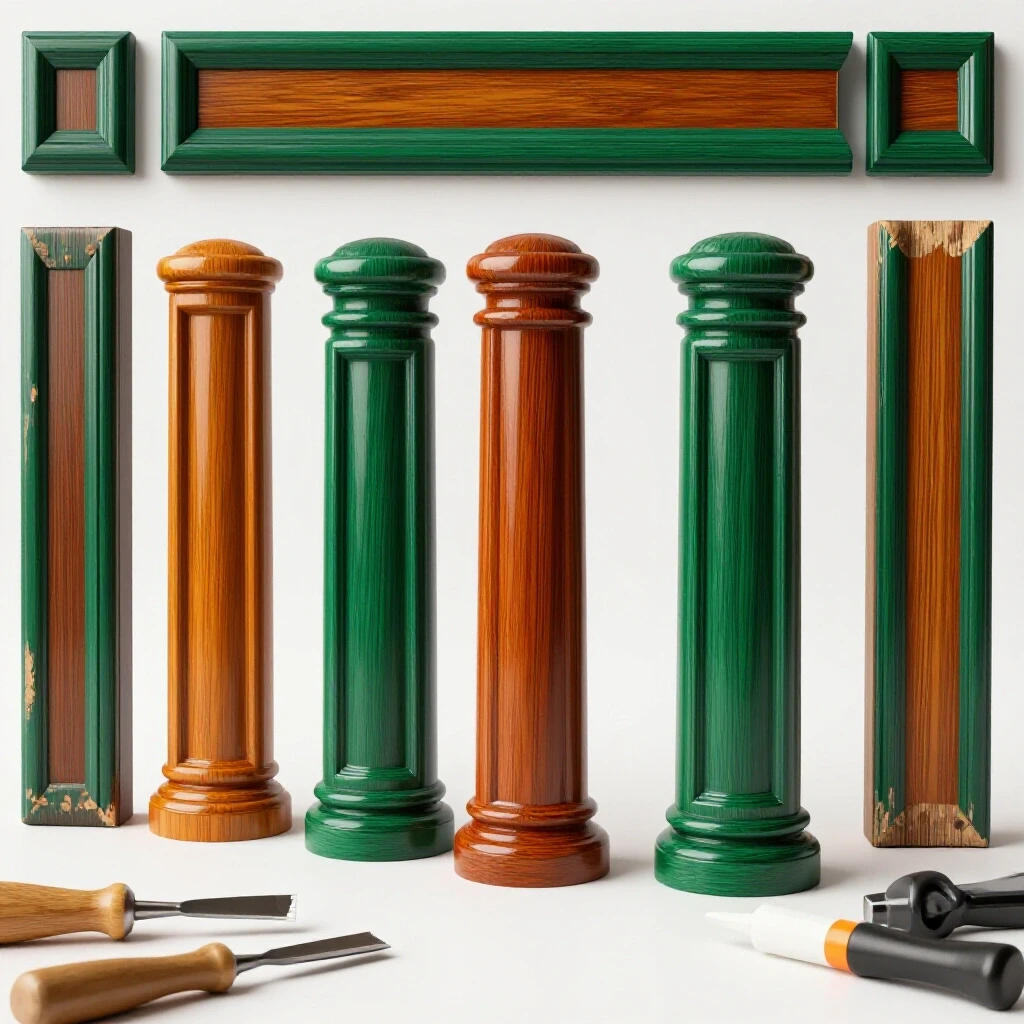
In my twelve years as a facilities manager, I have seen how ignored trim damage can lead to larger maintenance headaches. A split in the thin strip of wood that stops a door from swinging through its frame isn’t just an eyesore; it can catch on clothing or allow drafts to bypass the door seal. Fixing this requires a blend of patience and the right chemical bonds. This guide focuses on a discreet restoration method that prioritizes structural integrity and a seamless finish, ensuring your weekend efforts result in a repair that no one will ever notice.
Assessing Damage and Preparing the Workspace
Project preparation is the process of evaluating the severity of the wood fracture and setting up a clean, controlled environment to ensure adhesives bond correctly. Before reaching for a tube of filler, you must determine if the wood is simply split or if fibers have been lost, as this dictates the volume of material needed.
When I approach a trim repair, I first look at the “memory” of the wood. If I press the split pieces together, do they align perfectly? If they do, the repair will be significantly easier. If the wood has warped or splintered, I know I will need to spend more time on the structural bonding phase. I always clear a two-foot radius around the door to prevent dust from settling on nearby furniture.
Essential Tool and Material Inventory
Having the right tools on hand prevents the frustration of stopping mid-project because a specific grit of sandpaper is missing. For a professional-grade result on residential trim, I rely on a specific kit of hand tools and consumables.
- Fine-tipped wood glue applicator or a thin putty knife.
- High-quality PVA (Polyvinyl Acetate) wood glue.
- Painter’s tape (multi-surface, medium adhesion).
- Sandpaper assortment: 120-grit for shaping and 220-grit for finishing.
- Two-part wood filler or a high-performance wood plastic.
- Small C-clamps or spring clamps with rubber pads.
- Microfiber cloth and tack cloth for dust removal.
- Matching trim paint or stain.
Project Feasibility and Resource Analysis
Understanding the time and financial investment required for this task helps you manage your weekend schedule effectively. This is not a five-minute job; while active labor is low, the waiting periods for curing are non-negotiable.
| Category | DIY Repair Estimate | Full Replacement Cost |
|---|---|---|
| Active Labor Time | 1 – 1.5 Hours | 3 – 4 Hours |
| Total Project Duration | 24 Hours (including cure) | 48 Hours (including priming/painting) |
| Material Cost | $15 – $25 | $40 – $70 |
| Skill Level | Intermediate Beginner | Advanced (Mitering/Nailing) |
| Tool Investment | Low | Moderate (requires miter saw/nailer) |
Understanding the Mechanics of Wood Adhesion
Adhesive bonding is the chemical process where a liquid substance creates a physical link between two surfaces, filling the microscopic pores of the wood fibers. In the context of door trim, the adhesive must be stronger than the wood itself to withstand the repeated impact of the door closing.
I often see DIYers make the mistake of using “super glue” for these repairs. While cyanoacrylate (CA) glue bonds quickly, it is often too brittle for wood that expands and contracts with humidity. I prefer a standard yellow wood glue because it remains slightly flexible and penetrates deep into the grain. According to manufacturer technical guides, PVA glue achieves its maximum strength when the surfaces are clamped tightly, forcing the adhesive into the cellular structure of the timber.
Why Clamping Pressure Matters
In my facility rounds, I’ve analyzed several failed trim repairs where the glue simply peeled away. The culprit is almost always a lack of pressure. Proper clamping ensures the thinnest possible glue line, which is the key to an “invisible” result. If the gap is too wide, the glue acts as a filler, which is not its intended purpose and leads to a weak joint.
- Dry-Fit Testing: Always clamp the split without glue first to see if the gap closes completely.
- Pressure Distribution: Use a small scrap of wood (a “caul”) between the clamp and the trim to distribute pressure evenly and prevent the clamp from denting the finish.
- Squeeze-out Management: A small amount of glue should bead out of the crack; this confirms you have used enough material to coat the internal surfaces.
Step-by-Step Execution for a Seamless Mend
The execution phase involves a series of controlled steps designed to stabilize the wood fracture and then hide the repair under a smooth, paint-ready surface. Following this sequence prevents the common mistake of applying finish coats before the structural bond has fully stabilized.
Phase 1: Cleaning and Adhesive Application
Start by using a canned air duster or a thin needle to remove any loose splinters or dust from inside the crack. If there is old paint inside the split, the glue will not bond to the wood fibers. I sometimes use a very fine-toothed coping saw blade to gently scrape the interior of the crack if it has been open for a long time and collected grime.
Once clean, apply the glue. I find that using a toothpick or a dedicated glue syringe allows for much better control than the bottle’s nozzle. Work the glue deep into the back of the split. Gently “flex” the wood to help the adhesive migrate into the tightest spots. Wipe away the excess with a damp cloth immediately, as dried PVA glue is difficult to sand and can ghost through your final paint layer.
Phase 2: The Clamping Sequence
Apply your clamps according to your dry-fit test. I recommend leaving the clamps in place for at least 30 to 60 minutes, though I personally prefer two hours for door stops because of the vibration they endure. If you are working on a door that must remain functional, you can use high-tension painter’s tape as a temporary “clamp” by stretching it tightly across the repair, though this provides less PSI than a mechanical clamp.
Phase 3: Filling and Leveling the Surface
After the glue has dried and the clamps are removed, you will likely still see a slight line or a few missing splinters. This is where wood filler comes in. Wood filler is a paste used to level indentations and gaps that glue alone cannot bridge.
- Apply Filler: Use a flexible putty knife to press the filler into the remaining seam. Overfill it slightly, as most fillers shrink as they dry.
- Initial Sanding: Once the filler is hard (usually 30 minutes to 2 hours depending on the product), use 120-grit sandpaper. Sand in the direction of the wood grain.
- Refinement: Switch to 220-grit sandpaper to remove the scratches left by the 120-grit. The surface should feel as smooth as the surrounding wood.
- Dust Removal: Use a tack cloth. This is a sticky cheesecloth designed to pick up every microscopic particle. If you skip this, your paint will have a gritty texture.
Material Cure and Drying Timelines
Time management is the biggest challenge for busy professionals. Rushing the drying process is the primary cause of repair failure. I follow these benchmarks to ensure the materials have chemically stabilized.
- PVA Wood Glue (Initial Set): 30 minutes.
- PVA Wood Glue (Full Strength): 24 hours.
- Water-Based Wood Filler: 1 to 2 hours (for thin layers).
- Solvent-Based Wood Filler: 15 to 30 minutes.
- Paint/Primer (Touch-dry): 2 to 4 hours.
Safety Protocols and Code Compliance
Safety in DIY projects involves protecting both the individual and the structural integrity of the home. While mending a piece of trim seems low-risk, it involves chemical adhesives and fine particulates that require basic precautions.
From a facilities management perspective, I always reference the Occupational Safety and Health Administration (OSHA) guidelines regarding wood dust. Even small amounts of sanding can irritate the respiratory system. I recommend wearing a basic N95 mask and ensuring the room has adequate airflow. Additionally, check that your wood filler is low-VOC (Volatile Organic Compounds) if you are working in a confined space like a small bathroom or closet.
Residential Building Code Considerations
While cosmetic trim repairs aren’t typically governed by strict building codes like electrical or plumbing work, there is one critical area to watch: fire-rated doors. In many modern homes, the door leading from the garage to the living space is a fire-rated assembly.
According to NFPA 80 (Standard for Fire Doors and Other Opening Protectives), any modifications or repairs to a fire door assembly must not compromise its integrity. If you are fixing the stop on a fire-rated frame, ensure you are not using flammable fillers in large quantities and that the door still latches and seals perfectly. A split stop that prevents the door from latching fully would be a code violation and a safety hazard.
Troubleshooting Common Repair Failures
Troubleshooting is the analytical process of identifying why a repair did not meet expectations and applying a corrective action. Even with 12 years of experience, I sometimes encounter issues like “flashing” or glue failure.
What to Do If the Crack Reopens
If the split reappears after you remove the clamps, the wood likely has too much internal tension. This happens if the door frame has shifted. In this case, a simple glue-and-clamp won’t work. You may need to “sister” the repair by driving a very fine 1-inch brad nail at an angle through the stop into the jamb. Use a nail set to sink the head below the surface, then fill the hole.
Dealing with Paint “Flashing”
Flashing occurs when the repaired area has a different sheen than the rest of the trim, making the fix visible. This usually happens because the wood filler is more porous than the surrounding painted wood. To prevent this, always apply a dedicated primer over the repair before your finish coat. The primer seals the filler so it doesn’t “suck up” the pigment and resin of the paint.
Quality Control Checklist
Before I consider a job finished, I run through this checklist to ensure the repair meets my standards for a professional facility.
- [ ] Does the door clear the stop by at least 1/16th of an inch?
- [ ] Can I feel a ridge when I run my fingernail across the repair? (If yes, sand more).
- [ ] Is the paint sheen an exact match to the rest of the frame?
- [ ] Does the door latch securely without having to be pushed hard against the repair?
Long-term Maintenance and Prevention
Once the repair is complete, the goal is to ensure it never happens again. Most splits in door stops are caused by mechanical stress. I recommend checking the door hinges; if they are loose, the door may be “racking” and hitting the stop unevenly. Tightening a few screws can prevent the vibration that caused the split in the first place.
Additionally, consider the environmental factors. If your home experiences significant humidity swings, the wood will move. Maintaining a consistent indoor humidity level (between 30% and 50%) protects all the woodwork in your home, from your floors to your door trim.
Conclusion and Next Steps
Restoring a damaged door stop is a rewarding project that bridges the gap between basic maintenance and fine carpentry. By focusing on the chemistry of the bond and the patience of the sanding process, you can achieve a result that saves the cost of a full trim replacement. Your next step is to perform a “light test”—hold a flashlight at an angle against the trim. If you can’t see a shadow where the crack used to be, you’ve successfully executed a professional-grade repair.
Frequently Asked Questions
Can I use wood putty instead of wood filler for this repair?
Wood putty and wood filler are often confused, but they serve different purposes. Wood putty is non-hardening and usually used for filling tiny nail holes in pre-finished wood. For a split that requires structural stability, you must use wood filler, which hardens and can be sanded. Putty will remain soft and eventually fall out of a moving door stop.
How do I match the paint if I don’t have the original can?
If you don’t have the original paint, use a utility knife to carefully peel a small (1-inch square) sample of paint from a discreet area, like behind a hinge. Take this sample to a local paint store for a computer color match. Most modern scanners can match the color and sheen with high accuracy.
Is it better to repair the stop or just buy a new piece of molding?
If the stop is split in multiple places or is made of cheap MDF (Medium Density Fiberboard) that has swollen from moisture, replacement is better. However, for solid wood trim that is original to the house, a repair preserves the historical “profile” of the molding, which can be very difficult to match at a modern hardware store.
Why did my wood filler turn a different color after I applied the finish?
This is known as “stain-reject” or “absorption variance.” Even fillers labeled as “stainable” absorb pigment differently than natural wood. If you are staining the repair, I recommend testing the filler on a scrap piece of wood first. For painted trim, a coat of primer usually solves this issue entirely.
Can I use a hair dryer to speed up the glue drying time?
I strongly advise against this. Forced heat can cause the exterior of the glue to dry too quickly while the interior remains wet, leading to a weak bond. It can also cause the wood fibers to shrink unevenly, potentially widening the crack you are trying to fix. Let it cure naturally at room temperature.
What if the split is too wide for glue to bridge?
If the gap is wider than 1/8th of an inch, glue alone won’t work. You should use a “Dutchman” repair, which involves gluing a thin sliver of matching wood into the gap, then sanding it flush. This provides a solid wood-to-wood bond that is much stronger than a massive glob of filler.
Will this repair hold up on an exterior door?
Exterior doors are subject to much harsher temperature swings and moisture. If you are fixing an exterior stop, you must use a waterproof wood glue (rated ANSI/HPVA Type I) and a high-performance, two-part epoxy filler. Standard interior PVA glue will eventually break down when exposed to high humidity.
Do I need to remove the door stop from the frame to fix it?
In most cases, no. It is actually better to leave it attached because the door jamb provides a flat, stable backing for the repair. Removing the stop often leads to more cracking or damage to the wall paint. Only remove it if you need to replace the entire piece.
How long should I wait before painting the repaired area?
I wait a full 24 hours. Even if the filler feels dry to the touch in an hour, the glue deep inside the crack is still off-gassing moisture. If you paint too soon, that moisture can get trapped, leading to bubbles in the paint or a failed bond.
Can I use a power sander for this project?
For a small trim repair, a power sander is usually overkill and can quickly sand away too much material, leaving a “dip” in the wood. Hand sanding with a sanding block gives you the precision needed to keep the trim perfectly flat and square. Use power tools only if you are refinishing the entire door frame.
(This article was written by one of our staff writers, Robert Callahan. Visit our Meet the Team page to learn more about the author and their expertise.)