How to Replace a Broken Toilet Handle Easily (Step-by-Step Guide)

When talking about waterproof options for bathroom hardware, most people think about tiles or showerheads, but the materials used in your flush lever are just as critical. Over my 12 years in facilities management, I have seen how moisture and constant use can degrade even the simplest components. Choosing between a corrosion-resistant plastic arm and a chrome-plated brass lever is more than an aesthetic choice; it is a decision about the longevity of your home’s most-used fixture.
In my own journey as a DIY enthusiast, I once faced a snapped lever on a Sunday evening right before a busy work week. I initially tried a temporary fix with some waterproof adhesive, but the mechanical stress of the flush cycle proved too much. That failure taught me the importance of following manufacturer specifications rather than relying on quick patches. Replacing the trip lever correctly ensures that your bathroom remains functional without the risk of a “phantom flush” or a handle that sticks and wastes gallons of water.
Understanding the Mechanics of the Flush Lever
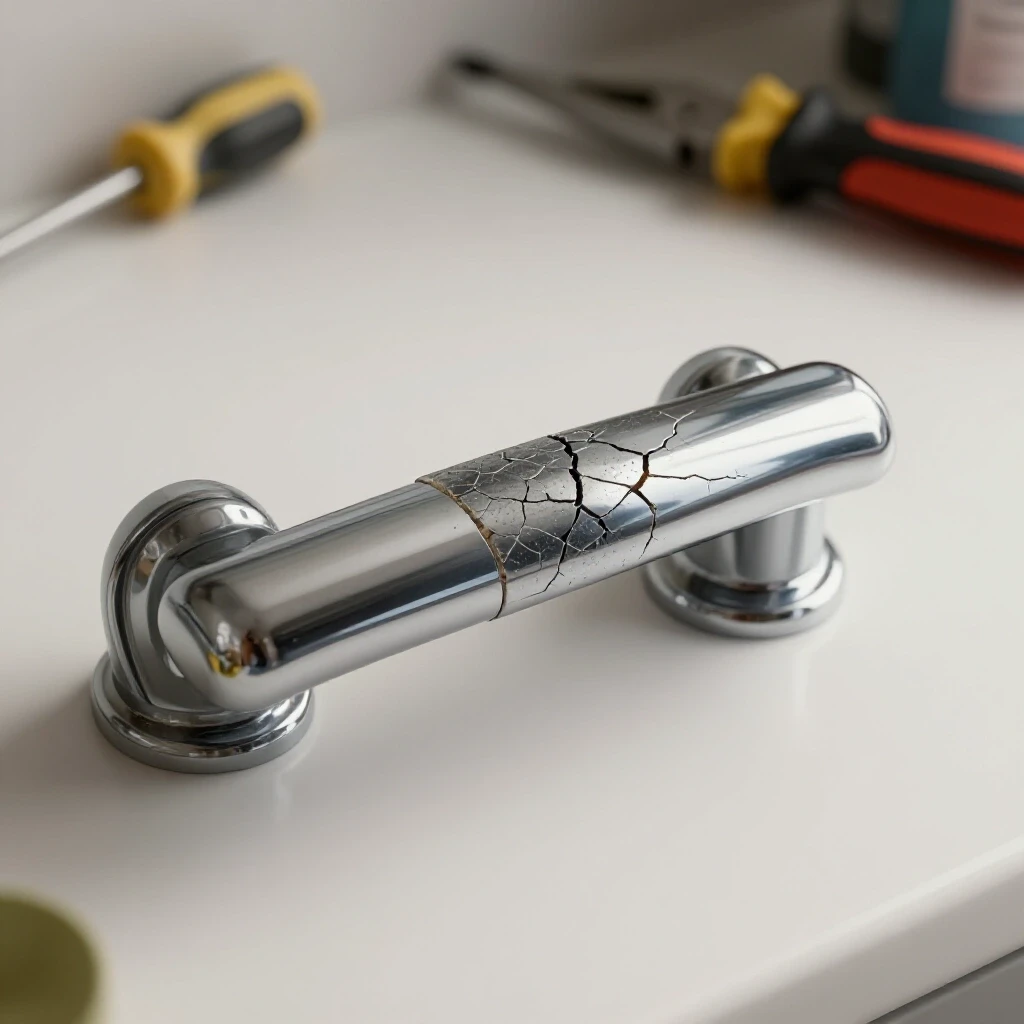
The flush lever is the primary interface between the user and the internal gravity-fed tank system. This component consists of an external handle, a mounting nut, and an internal lever arm that lifts the flapper to initiate the flush.
Knowing how these parts interact is the first step toward a successful weekend DIY project. The lever arm must have enough clearance to move freely within the tank without hitting the fill valve or the tank walls. If the arm is too long or angled incorrectly, the flapper may not seal properly, leading to constant water loss. Understanding this geometry helps you select the right replacement part before you even leave for the hardware store.
Essential Gear and Material Selection
Selecting the right tools and materials is the foundation of any safe home repair. While you do not need a full professional plumbing kit, having a few specific hand tools will prevent you from stripping threads or cracking the ceramic tank.
- Adjustable Wrench: A medium-sized wrench is necessary for loosening the mounting nut, which is often made of plastic or thin metal.
- Needle-Nose Pliers: These are vital for manipulating the small “C-shaped” clip or hook that connects the lever arm to the flapper chain.
- Replacement Lever Kit: Ensure you buy a kit that matches your tank’s mounting style (front, side, or angle mount).
- Cleaning Rag and Vinegar: Used to remove mineral deposits and scale from the mounting hole to ensure a watertight seal.
- Small Wire Brush: Helpful if your old lever has significant corrosion that has bonded the nut to the threads.
| Tool/Material | Purpose | Necessity |
|---|---|---|
| Adjustable Wrench | Loosens the spud nut holding the handle | Essential |
| Needle-Nose Pliers | Adjusts the lift chain length | Essential |
| Replacement Lever | The primary functional component | Essential |
| Plumber’s Grease | Lubricates the handle pivot point | Optional |
| White Vinegar | Dissolves calcium buildup on the tank | Recommended |
Assessing Your Skill Level and Project Scope
Before diving into step-by-step home upgrades, it is important to gauge the difficulty and time commitment required. This project is generally rated as an entry-level task, but it requires patience and attention to detail to avoid damaging the porcelain tank.
| Metric | DIY Estimate | Professional Estimate |
|---|---|---|
| Active Time | 20–40 Minutes | 15 Minutes |
| Material Cost | $8 – $20 | Included in service fee |
| Labor Cost | $0 | $100 – $150 |
| Total ROI | High (90% savings) | Low |
Identifying the Correct Replacement Part
Not all flush levers are created equal, and purchasing the wrong one is a common point of failure for many DIYers. You must identify where the handle is located on your tank and the shape of the internal arm.
Front-mount levers are the most common, but many modern high-efficiency toilets use side-mount or even 45-degree angle-mount handles. I recommend taking a photo of the internal arm’s shape before heading to the store. Some arms are straight, while others have a specific “offset” or curve to clear the internal fill valve. If you buy a universal kit, ensure the arm is made of a material like reinforced plastic or brass that can be slightly bent if necessary to fit your tank’s specific dimensions.
Safety Protocols and Site Preparation
Safety in plumbing projects often involves protecting the fixture and preventing minor slips. Even though this task does not involve high-voltage electricity, working around water and ceramic requires a cautious approach.
First, clear the area around the toilet to provide a stable workspace. Remove the tank lid carefully and place it on a flat, carpeted surface or a towel where it cannot be knocked over. Toilet lids are heavy, fragile, and often expensive to replace. While you do not strictly need to shut off the water for a handle replacement, I prefer doing so to prevent the tank from refilling while I am testing the chain tension. This also prevents accidental overflows if the flapper gets stuck open during the installation.
Removing the Damaged Hardware
The most critical technical detail to remember when removing the old handle is that most toilet tank nuts are reverse-threaded. This means you must turn the nut clockwise to loosen it, which is the opposite of the “righty-tighty” rule most of us use.
- Disconnect the Chain: Use your needle-nose pliers to unhook the chain from the end of the lever arm. Note which hole the chain was using; this helps maintain the correct tension later.
- Loosen the Spud Nut: Place your adjustable wrench on the nut inside the tank. Remember to turn it clockwise. If the nut is plastic and stuck due to mineral buildup, do not force it. Apply a little vinegar to the threads and wait ten minutes.
- Slide the Handle Out: Once the nut is removed, the handle and the arm should slide out through the hole in the tank. If there is a rubber gasket, remove it as well.
Preparing the Mounting Surface
Cleaning the mounting hole is a step that many online tutorials skip, but it is essential for a professional finish. Over time, “hard water” deposits can build up around the hole, preventing the new handle from sitting flush against the porcelain.
Take your rag and some vinegar to wipe down both the interior and exterior surfaces around the hole. If there is significant scale, use a small wire brush or a non-abrasive scouring pad. A clean surface ensures that the new gasket can compress evenly, preventing the handle from wobbling during use. In my experience at various facilities, a wobbly handle is the leading cause of premature lever failure because it places uneven stress on the plastic threads.
Executing the Installation Phase
Now that the site is prepped, you can begin the installation of the new hardware. This phase requires a gentle touch to ensure you do not over-tighten the components.
- Insert the New Handle: Slide the lever arm through the hole from the outside. Ensure the handle is oriented correctly (usually pointing horizontally or slightly downward).
- Seat the Gasket: Most kits come with a rubber or foam gasket. Ensure this is placed between the handle base and the exterior tank wall or between the nut and the interior wall, depending on the manufacturer’s instructions.
- Secure the Nut: Thread the nut onto the arm from the inside. Remember, because this is likely reverse-threaded, you will turn it counter-clockwise to tighten.
- Hand-Tighten First: Tighten the nut by hand until it is snug. Then, use your wrench to give it an additional quarter-turn. Do not over-tighten, as you can easily crack the plastic nut or, worse, the porcelain tank.
Calibrating the Lift Chain
The connection between the lever arm and the flapper is what dictates the quality of the flush. If the chain is too tight, the flapper will stay open and leak. If it is too loose, the lever won’t lift the flapper high enough to start a full flush.
Attach the chain hook to the lever arm. There should be about half an inch of slack in the chain when the handle is at rest. If the chain is too long, do not let the excess hang down, as it can get caught under the flapper. Instead, move the hook to a lower link or use your pliers to remove the extra links. This ensures a clean lift every time you press the handle.
Testing and Troubleshooting the Mechanism
Once the hardware is installed, you must perform a “dry-fit” test before turning the water back on. Move the handle up and down to ensure the arm does not hit the fill valve or the tank lid.
Interestingly, many people find that their new handle sticks in the “down” position. This is often caused by the nut being too tight, which creates friction against the handle’s pivot point. If this happens, loosen the nut slightly. Once the mechanical movement feels smooth, turn the water supply back on and let the tank fill. Perform three test flushes to verify that the flapper seats perfectly and the handle returns to its neutral position without assistance.
Building Code and Compliance Considerations
While replacing a handle is a minor repair, it is worth noting that the Uniform Plumbing Code (UPC) emphasizes the importance of maintaining water-conserving fixtures. A faulty handle that causes the flapper to leak can waste up to 200 gallons of water a day.
By ensuring your lever is properly adjusted, you are keeping your home compliant with local water conservation standards. Furthermore, ensure that any replacement part you use is lead-free and made from materials approved for potable water environments, even though this water is not for drinking. Following these standards protects your home’s plumbing integrity and ensures your DIY work meets professional benchmarks.
Troubleshooting Common Failures
Even with careful execution, you might encounter a few hurdles. One common issue is a lever arm that is too long for a narrow tank. In this case, many plastic arms are designed to be trimmed with a small hacksaw. If you have a metal arm, you may need to use pliers to carefully bend it into a shape that clears the internal obstructions.
Another frequent problem is the “ghost flush,” where the toilet flushes itself intermittently. This is almost always caused by the chain being one or two links too short, which prevents the flapper from creating a vacuum seal. Adding a little slack usually solves the problem immediately. If the handle feels “spongy,” check to see if the lever arm is flexing too much; you may need to upgrade to a reinforced metal arm if your flapper is particularly heavy.
Tool Maintenance and Clean-Up
After finishing your weekend DIY project, take a moment to maintain your tools. Wipe down your wrench and pliers to remove any moisture, which prevents rust. If you have leftover parts from a “universal” kit, I recommend keeping the extra gaskets or clips in a small labeled bag near your plumbing supplies.
Clean the area around the toilet base to remove any water or debris. This is a good time to inspect the floor for any signs of older leaks that you might not have noticed. Maintaining a clean workspace is a hallmark of a professional-grade DIYer and ensures that your next project starts on the right foot.
Real-World Project Log: Lessons Learned
In a recent project at my second property, I replaced a handle that had been “repaired” with duct tape by a previous tenant. The tape had left a sticky residue that interfered with the new gasket’s seal. I had to use a plastic scraper and rubbing alcohol to fully clear the surface before the new handle would sit correctly.
This experience reinforced my belief that “quick fixes” often create more work in the long run. By taking the extra ten minutes to properly clean the tank and adjust the chain slack, I saved myself from having to revisit the repair a month later. For a busy professional, doing the job right the first time is the ultimate time-saving strategy.
Final Quality Control Checklist
Before you consider the job done, run through this final checklist to ensure everything is up to code and functioning correctly.
- Is the tank lid sitting flat without touching the lever arm?
- Does the handle return to the horizontal position automatically?
- Is there approximately 1/2 inch of slack in the lift chain?
- Did you turn the mounting nut clockwise to loosen (reverse thread)?
- Is the area around the handle bone-dry after five flushes?
- Does the flapper drop and seal immediately after the flush?
Conclusion and Next Steps
Taking the time to address a faulty flush mechanism yourself is a great way to build confidence in your DIY home improvement skills. It is a manageable task that provides immediate results and saves a significant amount of money compared to calling a plumber. Now that you have mastered the lever, you might consider inspecting other “quick fix” areas in your bathroom, such as the aerators on your faucets or the caulking around the base of the fixture. These small, safe home repairs keep your household running smoothly and prevent larger, more expensive issues down the road.
Frequently Asked Questions
Why is my toilet handle nut turning the “wrong” way? Most toilet handles use left-handed threads to prevent the nut from loosening every time you push down on the handle. To loosen it, you must turn it clockwise. To tighten it, turn it counter-clockwise. This is a safety feature designed into the hardware to ensure the handle remains secure over years of use.
Can I replace a plastic lever with a metal one? Yes, you can usually upgrade to a metal arm for better durability. However, ensure the metal is a non-corrosive material like brass or stainless steel. Cheaper zinc-plated arms can rust over time in the humid environment of the tank, eventually snapping or seizing up.
What if the replacement arm hits the fill valve? If the arm is plastic, you can often trim it with a hacksaw or heavy-duty snips. If it is metal, you can use two pairs of pliers to carefully create a “bridge” or a bend in the arm to bypass the fill valve. Always do this slowly to avoid snapping the metal or damaging the handle’s pivot point.
Why does the handle stay down after I flush? This is usually caused by the mounting nut being too tight, which pinches the handle and prevents it from rotating back. It can also be caused by mineral buildup inside the handle’s sleeve. Loosen the nut slightly or clean the pivot point with vinegar to restore smooth movement.
How do I know if I need a “universal” or a specific brand lever? Most standard gravity-fed toilets accept universal levers. However, if you have a specialized high-end or “low-profile” toilet, you may need a proprietary part. Check the brand name inside the tank or on the porcelain between the seat and the tank to match the manufacturer’s specs.
Is it safe to use a handle from a different brand? As long as the mounting style (front, side, or angle) and the arm length match, it is generally safe. The primary concern is ensuring the arm doesn’t interfere with other components. Using a different brand won’t violate building codes as long as the toilet still flushes effectively and doesn’t leak.
Do I need to use plumber’s putty for the handle? No, you should not use plumber’s putty on a flush lever. The kit should come with a rubber or foam gasket that provides the necessary seal. Putty can dry out and crack over time, and some oil-based putties can actually damage certain types of plastic handles.
How much slack should be in the chain? Aim for about 1/2 inch of slack. If the chain is tight, the flapper may leak. If it is too loose, the handle will have a “dead zone” where nothing happens when you press it. Adjusting the hook position on the lever arm is the easiest way to fine-tune this.
What should I do if the tank lid is touching the new lever? This usually means the lever arm is angled too high. You can often bend the arm downward slightly or rotate the handle assembly before tightening the nut. If the lid still touches, you may have the wrong “offset” for your specific tank model.
Can a broken handle cause my water bill to go up? Indirectly, yes. If a broken or sticking handle prevents the flapper from closing all the way, the toilet will “run” constantly. A running toilet can waste hundreds of gallons of water a day, leading to a significant and unexpected increase in your monthly utility bill.
(This article was written by one of our staff writers, Robert Callahan. Visit our Meet the Team page to learn more about the author and their expertise.)