How to Replace a Shower Valve Trim for a Fresh Look (Step-by-Step)

In my 12 years as a facilities manager and a dedicated DIY enthusiast, I have learned that the most sustainable home is the one that evolves without unnecessary demolition. Sustainability in home improvement often means choosing to refresh what is visible rather than tearing out what is functional behind the walls. By focusing on the external components of your bathroom fixtures, you reduce landfill waste and avoid the high carbon footprint associated with manufacturing and shipping entire new plumbing systems. This approach allows you to modernize your space while respecting the structural integrity of your home.
Across the two homes I have renovated, I found that the visual impact of a bathroom often hinges on the condition of its hardware. A scratched or dated handle can make an entire room feel neglected. My journey into these upgrades began when I realized that my career in facility maintenance—managing large-scale systems—could be scaled down to my own weekend projects. I remember one specific Saturday where I underestimated the simple act of matching screw hole patterns. I had purchased a beautiful brushed nickel set, only to realize the mounting plate didn’t align with the existing holes in my tile. That mistake cost me a trip back to the store and taught me the value of the “finish lesson”: precision in selection is just as important as precision in installation.
Evaluating Your Existing Hardware for a Visual Refresh
This phase involves a detailed inspection of your current bathroom fixtures to determine compatibility with new decorative components. You must identify the manufacturer and the specific series of your current setup to ensure that the new aesthetic parts will fit securely onto the existing mounting points without requiring internal modifications.
Before you buy a single tool, you need to know exactly what you are working with. Most homeowners assume that all handles and plates are interchangeable, but in the world of plumbing hardware, brand loyalty is enforced by design. Manufacturers like Moen, Delta, and Kohler use proprietary mounting patterns. I always suggest looking for the logo, usually etched faintly on the faceplate or the handle itself. If the logo is worn away, look at the screw placement. Are there two screws at the bottom? Are they diagonal? This visual data is your roadmap for a successful weekend DIY project.
In my experience, the most common failure point for a DIY home improvement task like this is “forced compatibility.” I have seen many people try to use an adapter kit that promises a universal fit, only to find the handle feels loose or sits too far from the wall. To avoid this, I recommend taking a photo of your current setup and comparing it to the technical drawings available on manufacturer websites. These guides are the same ones I use in facility management to ensure our maintenance teams don’t waste hours on incorrect parts.
Understanding the Component Anatomy
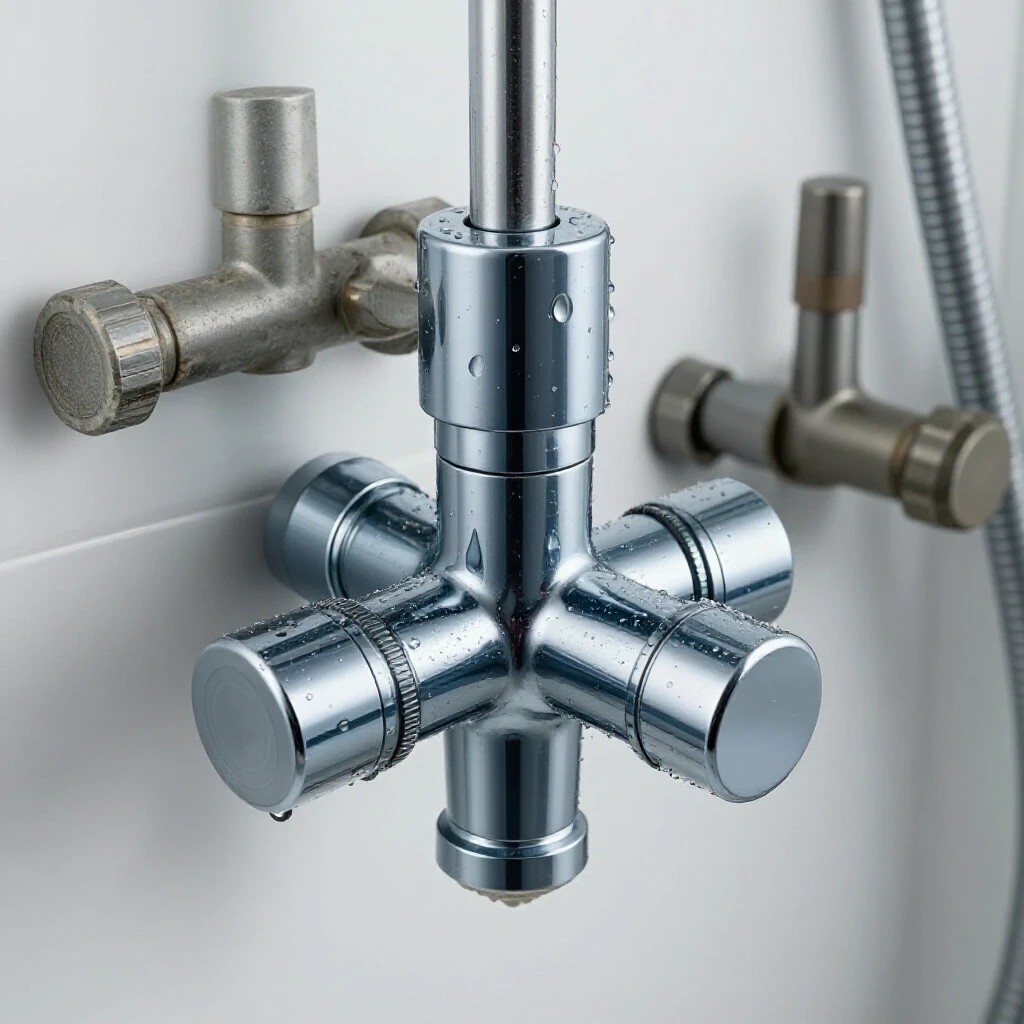
The external parts of your shower control consist of the handle, the escutcheon (the large backplate), and the sleeve that covers the internal hardware. Each of these parts must work in harmony to provide a polished, professional look that resists the humid environment of a bathroom.
The escutcheon is not just a decorative plate; it acts as a barrier and a transition piece between your tile and the mechanical parts. The handle is your primary interface, and it must be secured with a set screw or a central bolt. Understanding how these pieces interlock is the foundation of a safe home repair. If you don’t understand how the handle connects to the stem, you risk stripping the threads, which can turn a simple aesthetic upgrade into a much larger problem.
| Feature | DIY Approach | Professional Hire |
|---|---|---|
| Estimated Time | 2 – 4 Hours | 1 Hour (plus scheduling) |
| Material Cost | $50 – $250 | $50 – $250 |
| Labor Cost | $0 | $150 – $300 |
| Total Investment | $50 – $250 | $200 – $550 |
| Skill Required | Beginner/Intermediate | Licensed Professional |
The Essential Tool Inventory for Surface Upgrades
Having the correct tools on hand is the difference between a productive afternoon and a frustrating series of mistakes. This list focuses on non-marring hand tools and precision instruments designed to protect the delicate finishes of your new hardware while ensuring a tight, secure fit.
You do not need a massive rolling toolbox for this task, but you do need specific items. I have learned the hard way that using a standard pair of pliers on a polished chrome finish is a recipe for regret. The teeth of the pliers will bite into the soft metal, leaving permanent scars. Instead, I use a strap wrench or wrap the hardware in a thick microfiber cloth before applying pressure. This is a standard practice in high-end facility maintenance to keep fixtures looking new for decades.
- Hex Key Set (Allen Wrenches): Most modern handles are secured with a tiny set screw that requires a specific metric or SAE hex key.
- Phillips and Flathead Screwdrivers: Needed for the escutcheon screws. Ensure the tips are not worn to prevent stripping the screw heads.
- Needle-Nose Pliers: Useful for removing small clips or adjusting the orientation of the handle adapter.
- Silicone Caulk and Caulking Gun: Essential for sealing the plate against the tile to prevent moisture from getting behind the wall.
- Microfiber Cloths: For cleaning the area and protecting the new finish during installation.
- Painter’s Tape: I use this to mark the positions of old screws and to protect the surrounding tile from accidental scratches.
Selecting the Right Finish for Longevity
Choosing a finish is about more than just matching your towel bars; it is about selecting a material that can withstand your local water chemistry and cleaning habits. Different finishes have different maintenance requirements and lifespans.
For example, oil-rubbed bronze is often a “living finish,” meaning it will change color over time as it reacts with the environment. In contrast, PVD (Physical Vapor Deposition) finishes like brushed nickel or polished brass are incredibly hard and resistant to scratching. When I help neighbors with their DIY tool list, I always ask about their cleaning routine. If you use harsh chemicals, a standard chrome finish is often the most resilient choice.
Phase 1: Removing Old Components Without Damage
The removal process requires a gentle touch to ensure you don’t damage the underlying mounting bracket or the surrounding tile. This stage is about controlled disassembly, where you carefully uncouple the visible hardware from the plumbing hidden in the wall.
Start by locating the set screw on the handle. It is often hidden behind a small plastic cap or tucked underneath the lever. I have found that these screws can become seized due to mineral deposits. If the screw doesn’t turn with moderate pressure, do not force it. I usually apply a small amount of penetrating oil and let it sit for twenty minutes. This patience is a hallmark of successful weekend DIY projects. Once the handle is off, the escutcheon screws are usually visible.
Interestingly, the screws holding the plate to the wall might be different lengths. I recommend laying them out on a piece of cardboard in the exact orientation they were removed. This simple trick, which I use during complex facility repairs, prevents you from trying to drive a long screw into a shallow hole later. Once the screws are out, the plate might still be stuck to the wall due to old caulk or adhesive. Use a plastic putty knife to gently pry it away, being careful not to chip your tile.
Cleaning the Substrate and Mounting Area
Once the old hardware is removed, you will likely see a buildup of soap scum, hard water deposits, and old sealant. This area must be perfectly clean before the new components are installed to ensure a proper seal.
I use a mixture of white vinegar and water to dissolve mineral buildup. Avoid using abrasive pads that could scratch the exposed parts of the valve that might remain visible. Building code compliance in many areas (like those following the UPC) emphasizes the importance of maintaining the integrity of the wall opening. Ensure that the hole in the tile is not so large that the new escutcheon cannot cover it completely. If the hole is too large, you may need to source a “remodel plate,” which is a larger decorative backing.
Phase 2: Installing the New Faceplate and Handle
The installation phase is where your preparation pays off. This stage involves dry-fitting the new parts, securing the mounting hardware, and ensuring the handle operates smoothly without rubbing against the decorative plate.
I always perform a dry-fit test before applying any sealant. Place the new escutcheon against the wall and check that the screw holes align perfectly with the mounting bracket. If you have to tilt the plate to get the screws in, your handle will likely sit crooked. In my 12 years of experience, I have seen that a 1/16th-inch misalignment at the plate can result in a noticeable gap at the handle lever. Once you are satisfied with the fit, hand-tighten the screws first to avoid cross-threading.
Next, slide the new sleeve or flange over the valve stem. This piece covers the gap between the plate and the handle. Then, attach the handle. If your new kit includes a handle adapter, ensure it is oriented correctly according to the manufacturer’s technical guide. Some adapters have a “flat” side that must align with the stem to allow the full range of motion. If the handle feels “mushy” or doesn’t stop firmly at the hot or cold positions, the adapter is likely misaligned.
Applying the Final Seal for Moisture Protection
The final step in the installation is sealing the plate to the wall. This is a critical step for safe home repairs, as it prevents water from leaking into the wall cavity, which can lead to mold or structural rot over time.
- Apply a thin bead of 100% silicone caulk around the top and sides of the escutcheon.
- Always leave a small gap (about 1/2 inch) at the very bottom of the plate.
- This gap, known as a “weep hole,” allows any moisture that might get behind the plate to drain out rather than being trapped against the wall.
- Use a wet finger or a caulking tool to smooth the bead for a professional look.
Troubleshooting Common Alignment Issues
Even with careful planning, you may encounter issues where the new hardware does not sit flush or the handle feels restricted. Troubleshooting involves analyzing the physical interface between the new trim and the existing valve.
One common issue is “stem extension.” If your new handle sits too far away from the wall, you might need a shorter adapter or a different trim series. Conversely, if the handle hits the plate before it is fully seated, the valve might be set too deep in the wall. Manufacturers often sell “deep wall kits” for this exact scenario. I encountered this during a renovation in an older home where the previous owner had added a layer of tile over the original, making the wall thicker than standard specifications.
Another frequent problem is a loose handle. If the set screw is tight but the handle still wobbles, check the internal splines of the handle or the adapter. If they don’t match the valve stem perfectly, the handle will never be secure. This is why I emphasize brand-specific parts over universal ones. A loose handle isn’t just an aesthetic issue; it can lead to premature wear on the valve stem, eventually requiring a much more expensive professional repair.
| Component | Common Issue | Solution |
|---|---|---|
| Escutcheon | Gaps between plate and tile | Apply thicker silicone or use a gasket |
| Handle | Rubbing against the plate | Adjust the sleeve or check stem depth |
| Set Screw | Stripped threads | Replace screw; use thread-locking fluid |
| Finish | Water spots or dullness | Use carnauba wax or manufacturer-approved cleaner |
Maintaining the Aesthetic Integrity of Your Upgrade
The longevity of your visual upgrade depends on how you treat the finish in the months and years following the project. Proper maintenance prevents the buildup of minerals that can seize screws and dull the surface.
In my facilities management role, we use a “preventative maintenance” mindset. For bathroom hardware, this means avoiding abrasive cleaners like bleach or scouring powders. These can strip the protective clear coat off of finishes like brushed nickel or oil-rubbed bronze. Instead, I recommend a simple wipe-down with a soft cloth after each shower. This prevents water spots from etching into the metal.
Every six months, I check the set screw on the handle to ensure it hasn’t vibrated loose. I also inspect the caulk bead around the plate. If the silicone starts to peel or discolor, I remove it and apply a fresh bead. Keeping the seal intact is the best way to ensure your weekend DIY project remains a functional success for the long term. If you notice the handle becoming harder to turn, it might be time to look into internal maintenance, but for the scope of a finish upgrade, keeping the exterior clean and dry is your primary goal.
When to Call a Professional
While most aesthetic upgrades are well within the reach of a determined DIYer, there are times when the situation exceeds a simple surface refresh. If you remove the old plate and find significant corrosion on the valve body itself, or if the mounting bracket is broken, it may be time to consult a plumber.
I always tell my readers that there is no shame in calling a pro when you find a structural or mechanical issue behind the wall. My “finish lesson” is about knowing your limits. If the project moves from “visible hardware” to “leaking pipes,” the complexity and risk increase significantly. However, for 90% of aesthetic updates, following the manufacturer’s specs and taking your time will yield a result you can be proud of.
FAQ: Essential Knowledge for Visual Hardware Upgrades
Can I put a Moen handle on a Delta valve? No, the internal connection points, known as the stem splines, are different for every manufacturer. You must match the brand of the trim kit to the brand of the valve installed in your wall.
What is an escutcheon, and why is it important? The escutcheon is the large decorative backplate that covers the hole in the shower wall. It provides a finished look and, when properly sealed, prevents water from entering the wall cavity.
Do I need to shut off the water to change the handle and plate? Generally, if you are only replacing the visible external parts and not touching the internal cartridge or valve, you do not need to shut off the main water supply. However, check your specific manufacturer’s guide to be certain.
How do I remove a handle that has no visible screws? Many modern handles use a hidden set screw located in a small hole on the underside of the lever. You will need a hex key (Allen wrench) to loosen it. Some handles may also have a decorative cap that pops off to reveal a center bolt.
Why is there a gap at the bottom of my faceplate’s caulk line? This is a “weep hole.” It is a deliberate gap in the sealant that allows any moisture trapped behind the plate to escape. Closing this gap can lead to water being trapped against your wall, causing damage over time.
What should I do if my new screws are too short to reach the valve? This usually happens if your valve is set deep in the wall or if you have thick tile. You can purchase “extra-long” mounting screws or a “deep wall kit” from the manufacturer to bridge the gap.
How can I protect my new finish during installation? Always use a microfiber cloth between your tools and the hardware. Avoid using serrated pliers directly on the metal. For the best results, use smooth-jawed wrenches or strap wrenches.
What is the best way to clean mineral deposits off my old hardware before removal? Soak a rag in white vinegar and wrap it around the fixture for 30 to 60 minutes. The acid in the vinegar will break down the calcium and lime, making it easier to remove the parts without force.
How long does the silicone caulk need to dry? Most silicone sealants require 24 hours to fully cure before they are exposed to water. Check the label on your specific brand of caulk for the “shower-ready” time, which can sometimes be as short as 3 hours for specialized products.
Can I change the color of my hardware without replacing the valve? Yes, as long as you find a trim kit from the same manufacturer that is compatible with your specific valve series, you can change from chrome to matte black, brushed nickel, or any other available finish.
(This article was written by one of our staff writers, Robert Callahan. Visit our Meet the Team page to learn more about the author and their expertise.)