How to Use Repurposed Furniture for Storage Solutions (Guide)

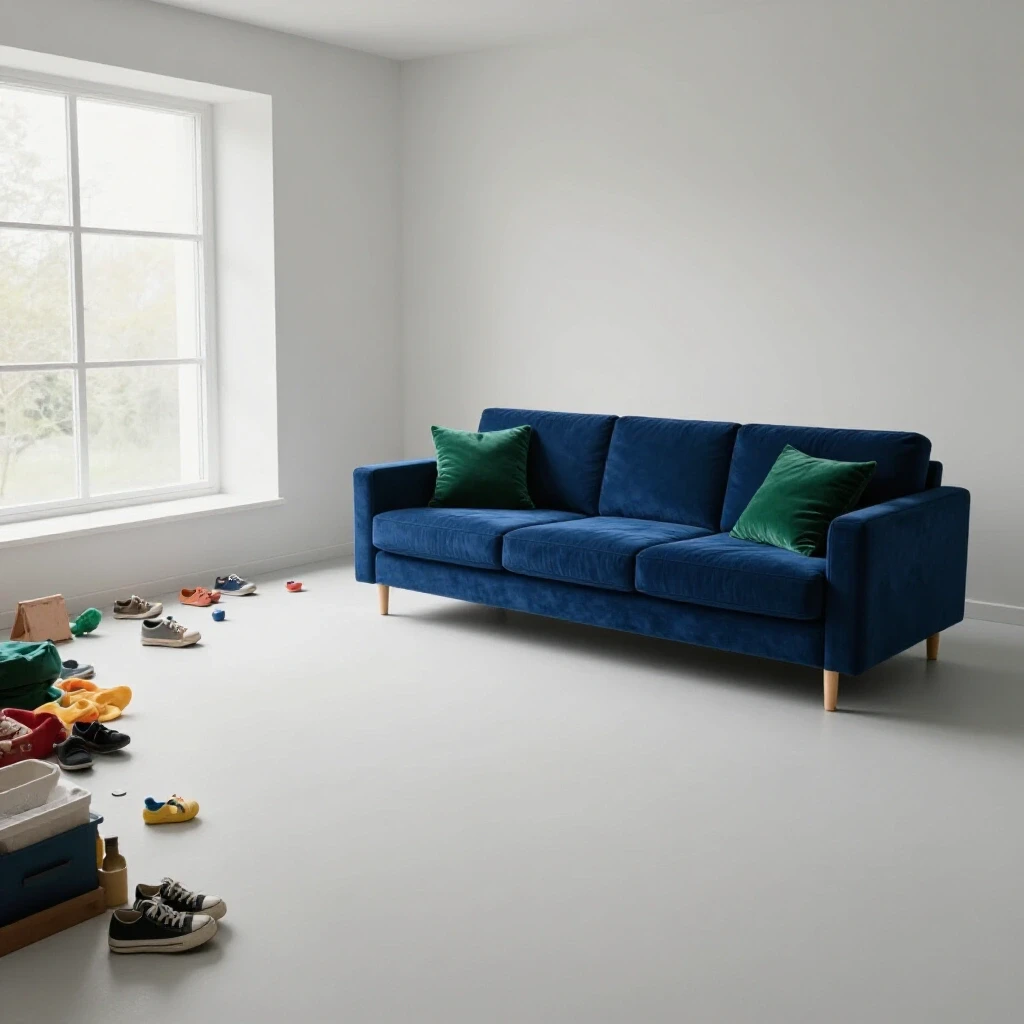
Every Saturday morning for three years, my family followed the same exhausting cycle. We would spend four hours cleaning the living room, only to see it return to a state of total disarray by Tuesday afternoon. As a professional in operations and logistics, I found this failure rate unacceptable. In a warehouse, if a system fails every three days, the business goes under. I realized our home didn’t need more cleaning; it needed a fundamental redesign of our spatial capacity. We were fighting against the natural flow of our daily lives by trying to force our belongings into systems that didn’t match how we actually moved through the house.
Why Most Household Systems Fail to Stay Orderly
Spatial failure occurs when the energy required to put an item away exceeds the user’s immediate energy levels. In logistics, we call this “retrieval friction,” and it is the primary reason why homes revert to clutter. If a child has to open a door, move a box, and unlatch a lid to put away a toy, they simply won’t do it.
The psychological cost of a messy home is well-documented in environmental psychology. Studies often show that high levels of visual clutter correlate with increased cortisol levels in parents. This “visual noise” forces the brain to process too much information at once, leading to mental fatigue. When we use furniture that isn’t optimized for our specific needs, we create bottlenecks. For example, a deep cabinet might hide items so well that you forget they exist, leading to over-purchasing and further crowding.
Transforming Existing Furniture into Functional Storage Hubs
Adapting the furniture you already own is a sustainable decluttering strategy that focuses on maximizing internal volume. Instead of buying new plastic bins, we look at the structural integrity and spatial limits of dressers, armoires, and sideboards. This approach ensures that your storage solutions are integrated into your home’s footprint without adding new bulk.
In my own home, we had an old wooden sideboard in the dining room that was filled with “special occasion” dishes we used once a year. Meanwhile, our “daily” clutter—mail, school papers, and chargers—overflowed on the kitchen counters. I applied a logistics principle called “velocity-based slotting.” We moved the low-usage dishes to a higher, less accessible shelf and turned the sideboard into a high-capacity command center. By using the existing drawers for specific categories, we reduced kitchen counter clutter by 75% within one week.
The Logistics of Reducing Household Clutter Through Furniture Adaptation
Functional home storage depends on understanding the “inflow” and “outflow” of items in each room. Logistics professionals use zoning to ensure that tools are stored exactly where they are used. When you repurpose a piece of furniture, you must first define the zone it serves and the volume of items it can realistically hold without reaching a “critical density” that makes retrieval difficult.
Identifying High-Potential Furniture for Repurposing
- Dressers: These are high-density units perfect for categorizing small items like craft supplies or office tech.
- Armoires: Excellent for vertical storage, allowing you to use the full height of a room for linens or bulky equipment.
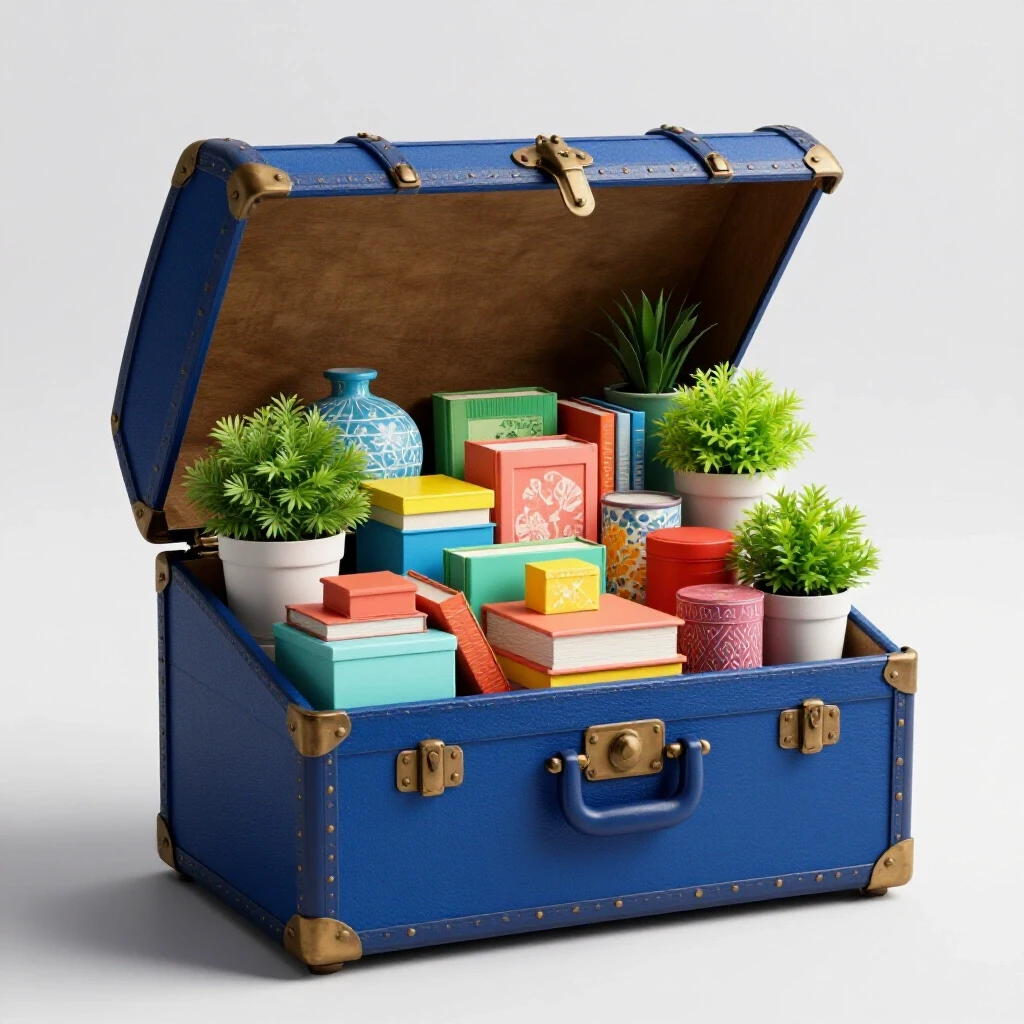
- Trunks and Chests: Best for “low-velocity” items like seasonal blankets or sports gear.
- Sideboards and Buffets: Ideal for high-traffic areas because they provide a flat surface for temporary work and deep drawers for quick clearing.
Measuring Retrieval Friction in Modified Storage Solutions
Retrieval friction is the measurement of how many physical steps are required to access or store an item. In a busy family home, any system with more than two steps is likely to fail. By modifying the way we use our existing furniture, we can lower this friction and make maintenance a natural part of our movement rather than a chore.
| Storage Method | Steps to Store | Friction Level | Success Rate |
|---|---|---|---|
| Open Shelf on Repurposed Bookshelf | 1 Step (Place) | Low | 95% |
| Drawer in Modified Dresser | 2 Steps (Open, Place) | Medium | 85% |
| Cabinet with Internal Lidded Box | 4 Steps (Open, Reach, Unlatch, Place) | High | 30% |
| Deep Trunk (Items stacked) | 5+ Steps (Open, Move items, Place) | Very High | 15% |
Practical Strategies for Reducing Daily Sorting Friction
Reducing household clutter requires a sorting framework that minimizes decision fatigue. When every item has a “home” within a piece of furniture that is easy to reach, the brain doesn’t have to work as hard to maintain order. We focus on “low-maintenance” systems where the furniture itself acts as the primary boundary for the items inside.
The Three-Second Rule for Sustainable Decluttering
If you cannot put an item away in under three seconds, the system is too complex. We achieved this by removing the doors from an old cabinet in our mudroom. This turned a high-friction cabinet into a low-friction “cubby” system. We used the existing shelves to create zones for each family member. Our daily cleanup duration dropped from 20 minutes to just 5 minutes because the physical barriers were removed.
Using Spatial Ergonomics to Design Better Storage Flows
Spatial ergonomics is the study of how people interact with their physical environment to maximize efficiency and comfort. In a home setting, this means placing storage furniture in the natural path of travel. If your family always drops their bags by the front door, putting a repurposed dresser there is more effective than trying to train them to walk to a closet.
I tracked our family’s movement for a week and noticed a massive bottleneck in the hallway. We moved a slim console table into that space and used its drawers for “transit items”—things that needed to go to the car or the office. This small change in spatial logistics prevented the “pile-up” effect on our stairs. We effectively used the furniture to manage the flow of goods through our home.
Sustainable Decluttering: A Case Study in Furniture Adaptation
This case study examines how a family of four used an old bedroom armoire to solve a chaotic entryway problem. By analyzing their spatial capacity and item density, they were able to create a long-lasting system. This project focused on using the existing structure of the furniture to dictate the organization rather than buying external organizers.
- The Problem: The entryway was constantly covered in shoes, bags, and coats.
- The Solution: An old bedroom armoire was moved to the entryway.
- Modifications: The hanging rod was lowered for children’s coats. The bottom shelf was reinforced for heavy boots.
- Results: Visual clutter was reduced by 90%. The “sorting speed” for the family improved from several minutes to seconds.
- Maintenance: The family performs a “one-in, one-out” audit every six months to ensure the armoire doesn’t exceed its 85% capacity limit.
Establishing Maintenance Loops for Long-Term Order
A maintenance loop is a scheduled, low-effort check-in that prevents a storage system from reaching a state of “entropy” or total disorder. Even the best repurposed furniture system needs regular oversight to ensure it still meets the family’s needs. These loops should be based on time-boxed intervals rather than “cleaning days.”
Daily and Weekly Habit Tracking Intervals
- The Two-Minute Sweep (Daily): At the end of the day, move through the main zones and return any “homeless” items to their designated furniture.
- The Capacity Check (Weekly): Ensure no drawer or shelf is more than 80% full. If it is, a five-minute cull is required.
- The Friction Audit (Monthly): Ask, “Is there a spot where clutter is building up?” If so, the furniture in that area is likely too high-friction and needs a layout change.
Measuring Success in Your Decluttering Journey
Success in home organization is not about having a home that looks like a magazine; it is about how the home functions. We measure success through “sorting time” and “mental load.” If you feel less stressed when you walk through the door, your system is working. If you spend less time looking for your keys, your logistics are sound.
- Item-Density Guideline: Aim for 70-80% utilization of any drawer or shelf. Anything higher makes it hard to remove one item without disturbing others.
- Sorting Time-Box: A functional room should be resettable in under 10 minutes.
- Visual Processing Score: Reduce the number of visible items on top of furniture surfaces to three or fewer to lower cognitive load.
Building Family-Friendly Habits Around Repurposed Storage
For a system to last, every member of the family must be able to use it without instructions. This means the logic of the storage must be intuitive. Using repurposed furniture helps because the pieces are already familiar to the family. By clearly defining what goes into each piece of furniture, you create a shared mental map of the home.
In our house, we labeled the inside lip of the drawers in our repurposed kitchen hutch. This provided a “silent signal” for where things belonged without being visually distracting from the outside. Interestingly, this reduced the number of times my children asked “Where does this go?” by almost 60% in the first month. We stopped being the “managers” of the clutter and became the “operators” of a smooth system.
Actionable Steps for Your Next Furniture Project
- Conduct a Spatial Audit: Identify one piece of furniture that is currently underused or filled with “junk.”
- Define the Zone: Determine what activity happens nearest to that furniture.
- Clear the Volume: Remove everything and only put back items that serve that specific zone.
- Test the Friction: Use the piece for one week. If items end up on top of it instead of inside it, simplify the internal layout.
- Label for Logic: Use simple internal labels to help other family members follow the new system.
Frequently Asked Questions
How do I decide which piece of furniture to repurpose first? Start with the piece of furniture located in your highest-stress area. If your kitchen counters are always messy, look at the nearest sideboard or hutch. The goal is to solve the biggest logistical bottleneck first to gain immediate mental relief.
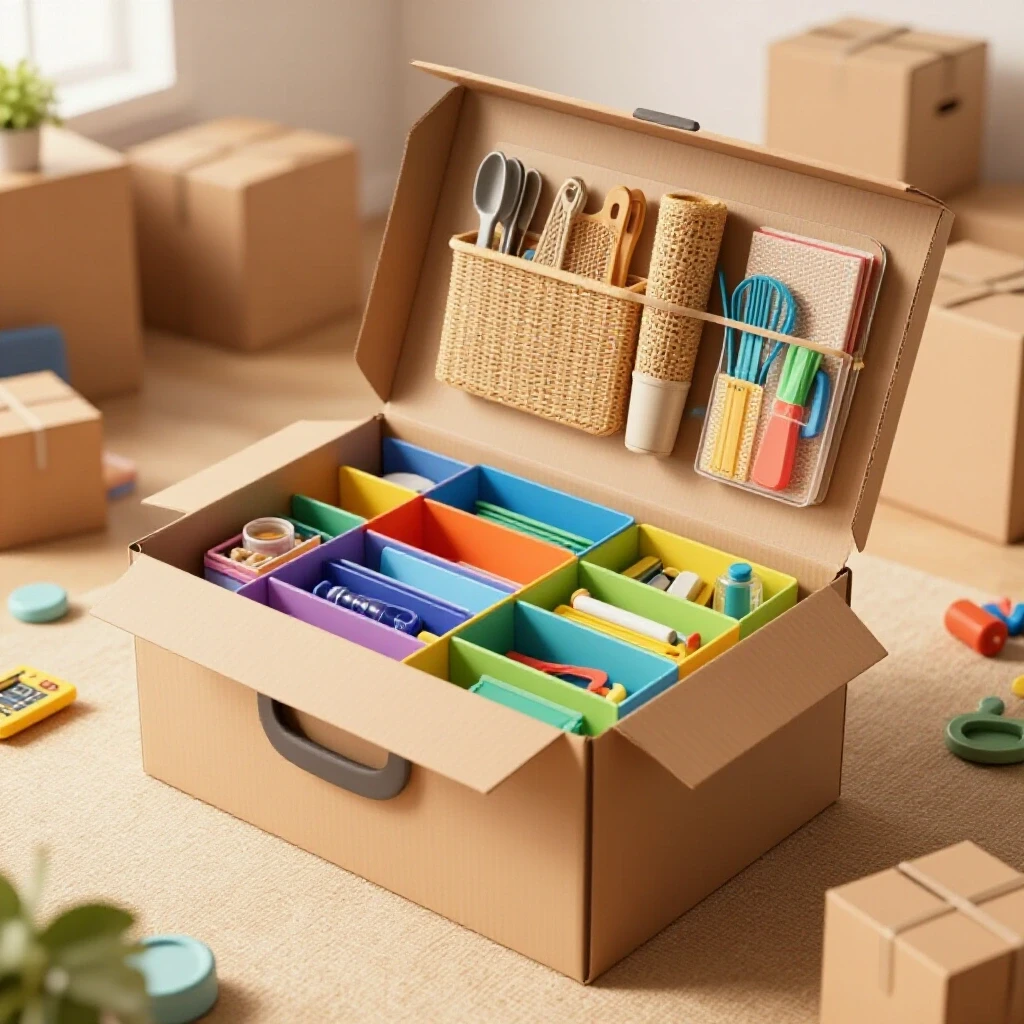
What if my existing furniture doesn’t have enough drawers for my small items? You can create “internal zones” using items you already have, like sturdy shoeboxes or glass jars. The furniture provides the outer boundary, and these smaller containers keep items from shifting. This keeps the “retrieval friction” low because you are still only opening one drawer.
How do I handle items that don’t seem to fit anywhere? If an item doesn’t have a logical home in your repurposed furniture, it is likely a “low-velocity” item. These should be stored in less accessible areas like a basement or high closet shelf. If you haven’t used it in six months, consider if it needs to be in your home at all.
How can I make an old piece of furniture look good while using it for storage? Focus on the “visual noise” on the exterior. Keep the top surface clear of small objects. A single lamp or a tray can make a repurposed dresser look like a deliberate design choice rather than a storage bin. The beauty comes from the lack of surrounding clutter.
Is it better to have open or closed storage? For high-use items, open storage (like a bookshelf) is better because it has the lowest friction. For items that look messy (like cables or office supplies), closed storage (like a drawer) is better for reducing visual overwhelm. A mix of both is usually the most effective for a busy home.
How do I get my kids to use these systems? Keep the storage at their height and make it “one-step.” If they can simply drop a toy into a deep drawer in a repurposed coffee table, they are more likely to do it. Avoid lids or complex latches for children’s zones.
What is the most common mistake in repurposing furniture for storage? Overfilling is the biggest mistake. People often try to use 100% of the space. In logistics, a 100% full warehouse is a broken warehouse because nothing can move. Leave 20% of your drawer or shelf space empty to allow for easy movement and new items.
How do I maintain these systems when I am busy? Integrate the maintenance into your existing routines. While you wait for the coffee to brew, do a quick “reset” of the nearest furniture piece. By breaking the maintenance into tiny, two-minute tasks, it never becomes an overwhelming chore.
Can I use heavy furniture for small items? Yes, but you must use the “zoning” principle. A large armoire can hold hundreds of small items if you use the shelves to create distinct categories. The key is to ensure that you don’t have to move one category to get to another.
How do I know if a system is “sustainable”? A system is sustainable if it stays organized for more than two weeks without a “deep clean.” If you find yourself having to “re-organize” the same drawer every weekend, the friction is too high or the category is too broad.
What should I do with the “junk drawer”? Every home needs a “utility zone,” but it should be limited. Use a small drawer in a repurposed console and give it strict boundaries. Once it is full, you must cull it before adding anything else. This prevents the “junk” from spreading to other furniture.
(This article was written by one of our staff writers, Christopher Bennett. Visit our Meet the Team page to learn more about the author and their expertise.)