How to Sand and Paint at Home for Lasting Results (Step-by-Step)

Many first-time buyers believe that refreshing the surfaces of their home is a simple matter of selecting a color and spending a few hours on a Saturday applying it. This misconception often leads to frustration when the final result looks amateurish or begins to peel within months. In reality, the success of any surface restoration depends almost entirely on the invisible labor performed before the first drop of finish is even opened. After 14 years of tracking my own home maintenance across three different properties, I have seen that the most durable results come from a disciplined approach to preparation rather than the speed of application.
Transitioning from Renter to Active Home Steward
The transition to homeownership involves moving from a mindset of reporting issues to a landlord to one of taking direct responsibility for the physical condition of every fixture. This shift requires a new understanding of how materials like wood and metal interact with their environment and the coatings applied to them. As a new owner, you are no longer just a resident; you are the primary conservator of a significant financial asset.
When I purchased my first home, a modest townhouse, I viewed surface updates as purely cosmetic. I didn’t realize that the layers of material I was working with were part of the home’s protective envelope. My personal logs from that era are filled with notes about “re-doing” projects because I hadn’t yet learned that the bond between a surface and its coating is only as strong as the preparation work underneath. According to U.S. Census Bureau housing surveys, many new homeowners prioritize aesthetic changes in the first two years, but those who fail to understand the mechanics of surface adhesion often face higher long-term costs.
| General Home Maintenance Category | Recommended Annual Reserve | Impact of Neglect |
|---|---|---|
| Interior Surfaces | 0.2% of Home Value | Peeling, moisture damage, reduced resale appeal |
| Mechanical Systems | 0.5% of Home Value | System failure, high emergency repair costs |
| Structural Integrity | 0.3% of Home Value | Foundation issues, water intrusion, rot |
| Total Reserve Target | 1.0% to 3.0% of Home Value | Sustained property value and comfort |
Why Surface Preparation Determines Longevity
Surface preparation is the physical act of cleaning, leveling, and roughening a material before applying a new finish. It ensures that the bond between the old substrate and the new coating is strong enough to resist daily wear, humidity, and temperature fluctuations. Without this foundational step, even the most expensive coatings will eventually fail to adhere.
In my second home, a 1940s bungalow, the wooden window sills were thick with decades of old material. I learned quickly that simply adding another layer would cause the windows to stick and the finish to crack. I had to adopt a process of abrasion to remove the buildup and create a smooth, receptive base. This experience taught me that “the tooth”—the microscopic texture created by smoothing tools—is what allows a new finish to grip the surface. If the surface is too slick, the new layer will simply sit on top like a sheet of plastic, ready to bubble at the first sign of moisture.
- Cleaning: Removing oils, wax, and household grime is the first step.
- Leveling: Filling holes or smoothing out high spots ensures a flat profile.
- Abrasion: Using grit-based tools to create a texture for better adhesion.
- Dust Removal: Clearing away all debris so the finish lays flat.
The Reality of Abrasive Prep in a Living Space
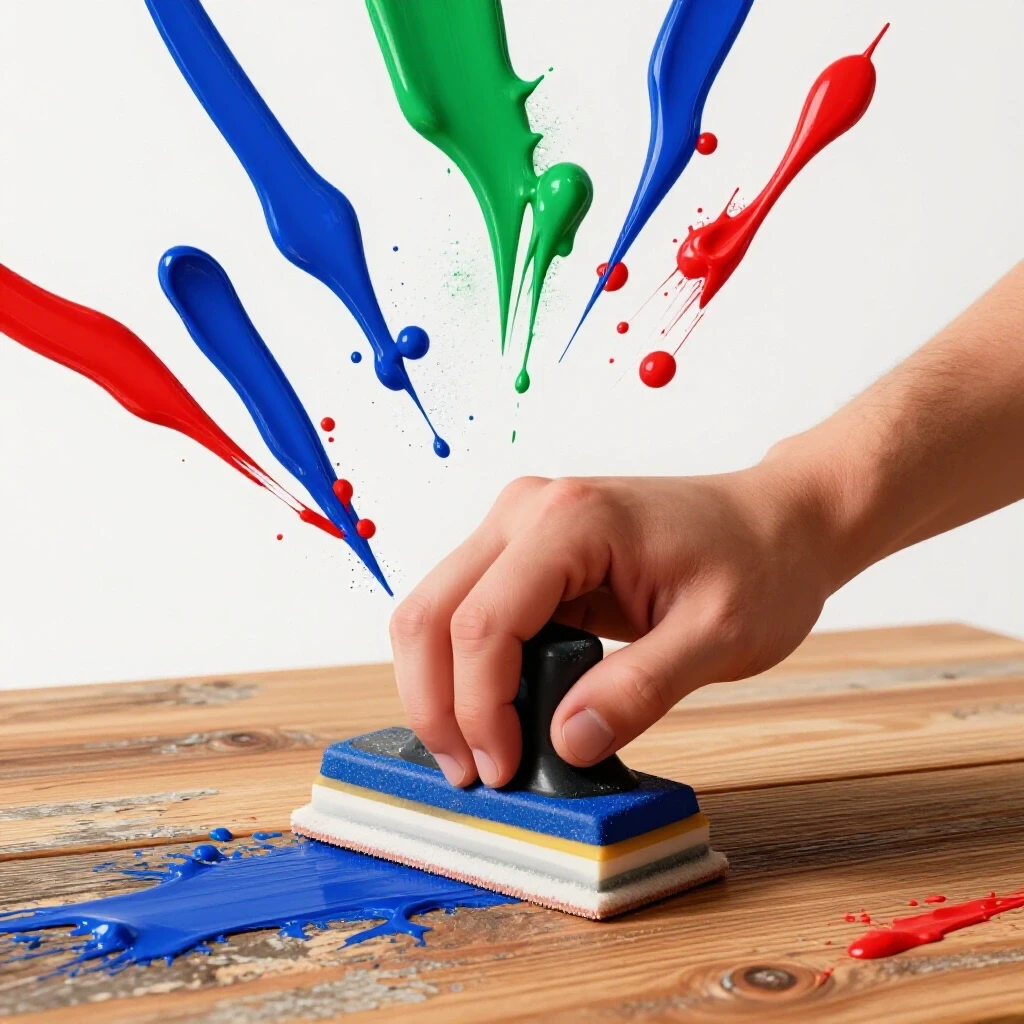
Abrasive preparation is the process of using various levels of grit, typically on paper or pads, to mechanically level a surface. This stage removes imperfections and old, failing finishes while preparing the material for its next life cycle. It is often the most labor-intensive part of any home improvement project and requires patience to move through the necessary stages.
When I evaluate homes for potential buyers, I often look at the trim and built-in fixtures. You can tell immediately if the owner rushed the smoothing process. In my own current home, I spent an entire week refining the surface of a large wooden dining table. I started with a coarse grit to remove the deep scratches and gradually moved to finer grits. Interestingly, if you skip a grit level, the scratches from the coarser stage will remain visible under the final coating. This is a common mistake for those balancing a full-time career; the temptation to jump to the end is high, but the material doesn’t lie.
- Coarse Grits (60-80): Used for heavy material removal and leveling deep gouges.
- Medium Grits (100-150): Used to remove the scratches left by the coarse stage.
- Fine Grits (180-220): Used for the final smoothing before the first coat is applied.
- Extra Fine Grits (320+): Used between coats to ensure a glass-like final appearance.
Managing the Impact of Debris and Dust
Dust management refers to the techniques used to contain and remove the fine particles generated during the smoothing and leveling process. This is crucial for maintaining the cleanliness of the home and ensuring that the final finish is not ruined by airborne particles settling into the wet coating. For a solo homeowner, this is often the most challenging logistical hurdle.
During a project in my second home, I failed to properly isolate the room I was working in. Within hours, a fine white powder had settled on every surface in the house, including inside my kitchen cabinets. My maintenance logs now include a strict protocol for dust containment. I use plastic sheeting to seal doorways and employ vacuum attachments on all my smoothing tools. This doesn’t just keep the house clean; it keeps the work surface clear so I can see exactly where I still need to level.
- Isolation: Seal off the work area with plastic to prevent migration.
- Extraction: Use a vacuum system directly attached to the tool whenever possible.
- Wiping: Use tack cloths or damp microfibers to remove the “invisible” dust.
- Air Filtration: Run a portable air cleaner to catch lingering airborne particles.
Achieving Uniformity During Coating Application
Coating application is the final stage where a liquid finish, such as paint or clear sealant, is spread over the prepared surface. Success in this phase requires steady movements, the right environment, and the discipline to apply multiple thin layers rather than one heavy one. This is where the visual transformation finally happens, but it is also where mistakes are most visible.
Uneven coverage is the most frequent frustration I see in my evaluation work. In my own experience, I once tried to finish a set of cabinet doors in a single afternoon. I applied the coating too thickly, which led to “runs” and “sags” that looked like frozen tears on the wood. I had to wait for it to dry, smooth it all back down to the base, and start over. Now, I follow a strict rule of thin coats. Building up the finish slowly allows the material to level out naturally and creates a much more professional, durable surface.
| Surface Type | Prep Difficulty | Coating Type | Expected Durability |
|---|---|---|---|
| Hardwood Furniture | Moderate | Polyurethane or Oil | High (10+ years) |
| Metal Fixtures | High | Enamel or Specialized Spray | Moderate (5-7 years) |
| Interior Trim | Low | Water-based Latex | High (8-12 years) |
| Kitchen Cabinets | Very High | Lacquer or Urethane | High (10+ years) |
Navigating the Challenges of Uneven Coverage
Uneven coverage occurs when the coating is applied at different thicknesses across a surface, leading to patches that look duller, darker, or more textured than others. This often happens because of poor lighting, improper tool technique, or working in conditions that are too hot or too dry, causing the finish to set before it can level out.
When I was refinishing the built-in shelving in my current home, I realized that my overhead lighting was creating shadows that hid areas where the coating was thin. I now use a portable work light positioned at a low angle across the surface. This “raking light” reveals every skip and heavy spot in real-time. It is also important to maintain a “wet edge,” which means always overlapping your last stroke before it begins to dry. If you lose the wet edge, you will end up with visible lines where the two sections meet.
- Work in sections: Divide large surfaces into manageable areas.
- Use a raking light: Position a lamp to shine across the surface, not directly down.
- Maintain the wet edge: Work quickly enough that the finish blends seamlessly.
- Avoid over-brushing: Once the material is down, leave it alone to level itself.
Strategic Planning for Solo Home Projects
Strategic planning involves assessing which household items need attention and organizing the work to fit a busy schedule without turning the home into a permanent construction zone. For young professionals or families, this means being realistic about how much can be achieved in a single weekend.
My 14-year home log shows a clear trend: projects that I rushed during a single weekend often required repairs within two years. Conversely, projects where I spread the work over several evenings—dedicating one night to cleaning, two nights to smoothing, and two nights to coating—lasted much longer. I recommend the “one room, one item” rule. Never start a second project until the first one is fully cured and the tools are put away. This prevents the “homeowner fatigue” that leads to half-finished tasks littering the house.
- Audit your surfaces: Identify which fixtures show signs of wear or peeling.
- Schedule in blocks: Dedicate specific times for prep, cleaning, and finishing.
- Respect cure times: A surface may feel dry to the touch but can take days to fully harden.
- Track your progress: Keep a simple notebook of what grit and coating you used for future touch-ups.
Preventing Homeowner Fatigue and Burnout
Homeowner fatigue is the mental and physical exhaustion that comes from the repetitive nature of home maintenance and improvement. It is a real factor that can lead to mistakes, injury, or a loss of pride in one’s home. Managing this involves setting realistic goals and acknowledging the physical toll of manual labor.
Data from HUD reports suggests that first-time owners often underestimate the “sweat equity” required for home preservation. In my own journey, I hit a wall during my third year of ownership. I had three different rooms in various states of disassembly. The stress of living in a “project” was higher than the joy of the improvements. I learned to prioritize projects based on their impact on the home’s structural health rather than just aesthetics. Taking a break between projects is not a failure; it is a necessary part of a sustainable homeownership strategy.
- Set small milestones: Celebrate finishing the prep work before worrying about the coating.
- Invest in ergonomics: Use tools that fit your hand and take frequent breaks to stretch.
- Limit project duration: Try not to let a single project drag on for more than two weeks.
- Acknowledge the effort: Manual smoothing is hard work; don’t minimize the energy it takes.
Maintaining the Integrity of Refinished Items
Integrity maintenance is the ongoing care required to protect a newly finished surface from daily wear and tear. This involves more than just cleaning; it means understanding how to prevent damage before it happens. A well-maintained finish can last for a decade or more, while a neglected one may fail in three.
In my current home, I have a set of chairs I refinished five years ago. Because I keep a log of their condition, I noticed small chips forming on the legs where the vacuum cleaner often hits them. By doing a quick, localized smoothing and touch-up, I prevented those chips from growing into larger peeling sections. This proactive approach is the hallmark of a seasoned homeowner. It saves hours of labor in the long run by avoiding the need for a full strip-and-refinish cycle.
- Gentle Cleaning: Use pH-neutral cleaners and soft cloths to avoid scratching.
- Impact Protection: Use felt pads on furniture feet and be mindful of vacuuming.
- Environmental Control: Maintain stable humidity to prevent wood from expanding and cracking the finish.
- Annual Inspection: Spend 15 minutes once a year looking for signs of wear on high-use surfaces.
Final Steps for the New Homeowner
The path to a well-maintained home is not found in a single weekend of frantic labor but in the steady application of sound principles. Start small. Choose one fixture or a single piece of furniture that needs attention. Focus on the preparation—the cleaning, the smoothing, and the dust management. When you finally apply that first layer of finish, you will do so with the confidence that it will stay exactly where you put it.
As you move through your first few years of ownership, remember that your home is a living system. The surfaces you care for today are the barriers that protect your investment for tomorrow. By documenting your process and learning from each project, you move from being an anxious new owner to a capable home steward. The goal isn’t a perfect home; it’s a home that is cared for with intention and skill.
Frequently Asked Questions
What is the most common mistake when smoothing a surface? The most frequent error is skipping grit levels. Homeowners often start with a very coarse grit to remove old material and then jump straight to a very fine grit for the finish. This leaves behind deep scratches from the coarse stage that become glaringly obvious once a glossy coating is applied. You must move through the grits sequentially (e.g., 80 to 120 to 180) to properly level the surface.
How can I tell if I have removed enough of the old finish? A good test is to wipe the surface with a damp cloth or mineral spirits. If the liquid beads up, there is still wax or an old finish present. If the liquid soaks in or darkens the material uniformly, you have reached a receptive base. Additionally, the surface should have a uniform, matte appearance without any shiny patches remaining.
Why does my new coating look “bumpy” or like orange peel? This texture, often called “orange peel,” is usually caused by the coating drying too quickly or being applied too thickly. When the liquid can’t flow out and level itself before it sets, it retains the texture of the brush or roller. Working in cooler temperatures and using thinner coats can help the material lay flat.
Is it really necessary to remove every bit of dust before coating? Yes. Even a microscopic amount of dust will create a “gritty” feel under the finish. More importantly, dust acts as a barrier between the surface and the coating, which can lead to localized peeling. Using a vacuum followed by a tack cloth is the most effective way to ensure a clean bond.
How long should I wait before using a piece of furniture I just finished? There is a big difference between “dry to the touch” and “fully cured.” Most coatings are dry within a few hours, but they can take 7 to 30 days to reach their full hardness. Placing heavy objects or using cleaners on a surface before it is cured can cause permanent indentations or clouding in the finish.
Can I use a chemical stripper instead of abrasive smoothing? Chemical strippers are effective for removing thick layers of old material, but they are not a substitute for the final smoothing process. Even after chemicals are used, the surface must be neutralized and then mechanically smoothed to remove any raised grain or chemical residue.
How do I handle corners and intricate details without ruining them? Intricate areas require hand-smoothing rather than power tools. Folding a piece of grit paper into a small square or using a flexible abrasive pad allows you to get into crevices without rounding off sharp edges. Patience is the only tool that works for high-detail areas.
What should I do if I find a drip in my finish after it has dried? Do not try to wipe it away while it is wet, as this creates a larger mess. Instead, wait for it to dry completely. Once hard, you can carefully use a fine grit paper to level the drip until it is flush with the surrounding surface, then apply another thin coat to blend the area.
Why is my finish peeling even though I smoothed the surface? This usually points to a contamination issue. If the surface wasn’t properly cleaned of oils, waxes, or household cleaners before the smoothing began, those contaminants were likely pushed deeper into the material. Always clean the surface thoroughly with a degreaser before you start the abrasion process.
How do I know when it’s time to refinish a surface? Look for signs of “alligatoring” (small cracks that look like reptile skin), thinning areas where the base material is visible, or a general loss of luster that doesn’t return after cleaning. If water dropped on the surface soaks in rather than beading, the protective integrity of the coating has failed.
(This article was written by one of our staff writers, Michael Morrison. Visit our Meet the Team page to learn more about the author and their expertise.)