Shower Door vs Curtain: Which Is Better for Bathrooms? (Expert Test)

I remember standing in the middle of a gutted 1920s bathroom during my first personal home renovation. The subfloor was a sponge, and the culprit was a poorly managed transition between a clawfoot tub and a simple fabric barrier. Eighteen years later, after coordinating hundreds of residential projects, I have learned that the smallest design choices often dictate the longevity of your home’s structure. Choosing between a permanent glass enclosure and a flexible textile partition is not just a style preference; it is a technical decision that impacts your framing, your waterproofing, and your long-term maintenance budget.
In my professional experience, homeowners often overlook how these choices affect the construction sequence. A heavy glass panel requires structural blocking inside the wall before the tile even goes up. A soft barrier, while simpler, requires a different floor pitch to keep water from migrating toward the vanity. When you are navigating a major residential renovation, understanding these nuances helps you avoid the “change order” traps that blow budgets. This guide draws on data from RSMeans construction resources and my own post-occupancy evaluations to help you make a choice that fits your lifestyle and protects your investment.
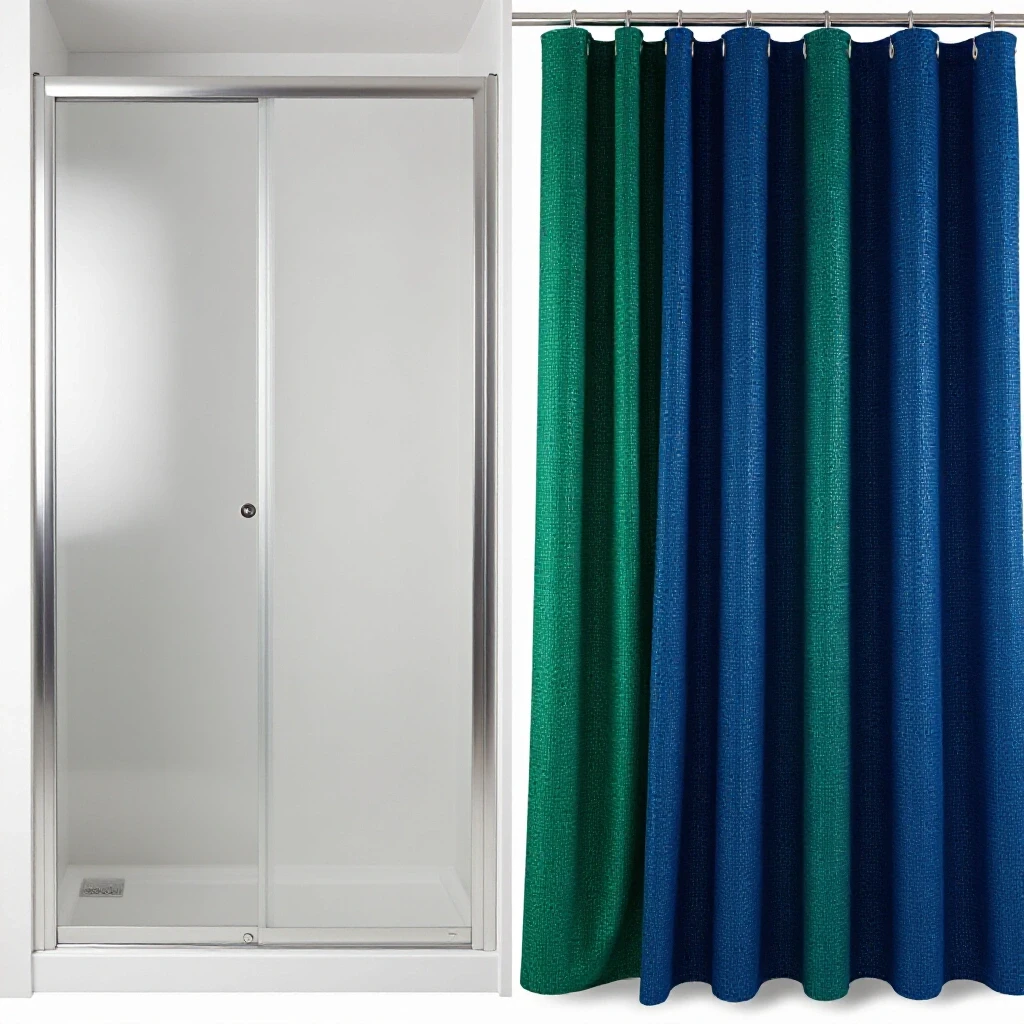
Planning Your Bathroom Layout: Enclosures vs. Soft Barriers
Deciding between a permanent glass structure or a flexible fabric system is a foundational step in residential renovation planning that dictates your plumbing placement and floor drainage needs. This choice should be made during the design phase, long before a contractor picks up a hammer.
When you begin your residential renovation planning, the first thing to consider is the “footprint” of your showering area. A fixed glass enclosure creates a rigid boundary. This means your measurements must be exact to the millimeter. In one project I coordinated, the homeowner decided to switch from a curtain to a frameless glass door after the tile was installed. Because we hadn’t installed 2×6 wood blocking behind the tile to support the weight of the glass, we had to carefully remove expensive stone to reinforce the wall. That mistake cost the homeowner $1,200 and delayed the project by a week.
Hanging fabric barriers offer more “forgiveness” in the layout. They are ideal for smaller bathrooms where a swinging glass door might hit a toilet or a vanity. However, they do less to contain steam and splashing. If you choose a soft barrier, I recommend a deeper shower pan or a more aggressive floor slope toward the drain. This prevents water from pooling at the edge of the shower, which can lead to mold issues in the drywall nearby.
- Fixed Glass: Requires precise measurements and structural wall reinforcement.
- Fabric Barriers: Offers flexibility for tight spaces but requires better floor drainage.
- Impact on Sequencing: Glass must be measured after tile is finished, adding 2-3 weeks to the timeline.
Estimating Long-Term Costs and Maintenance Requirements
This involves calculating the initial purchase price against the multi-year costs of cleaning supplies, replacement liners, or professional glass treatments to ensure a realistic home remodeling budget. Many homeowners focus only on the “sticker price” of the materials.
According to RSMeans construction estimating data, a high-end frameless glass enclosure can cost between $1,800 and $3,500 including professional installation. In contrast, a high-quality tension rod and designer curtain might cost less than $150. However, the financial story doesn’t end on move-in day. Over a ten-year period, a glass door requires specific cleaning agents and perhaps a professional restoration if hard water minerals build up. A curtain requires a new liner every six months and regular laundering.
In my own second home renovation, I tracked the “labor hours” of cleaning both options. The glass enclosure took about 10 minutes of squeegeeing and wiping per week to stay clear. The fabric barrier took five minutes to swap out a liner but allowed more moisture to escape into the room, which meant I had to repaint the ceiling sooner due to steam damage. When building your kitchen or bathroom remodel budget, always include a 15% contingency for these types of long-term maintenance realities.
| Feature | Glass Enclosure (High-End) | Fabric Barrier (Standard) |
|---|---|---|
| Initial Investment | $1,500 – $4,000 | $50 – $200 |
| Lifespan | 20+ Years | 2 – 5 Years (Fabric) |
| Weekly Cleaning | 10 – 15 Minutes | 5 Minutes |
| Moisture Retention | Excellent | Moderate to Poor |
| Structural Prep | Required (Blocking) | Minimal |
Managing Moisture and Preventing Hidden Structural Damage
Moisture management is the practice of containing water within the shower area to prevent mold growth and rot in the subfloor or wall cavities, a primary concern in any contractor management guide. This is where most bathroom renovations fail over time.
A primary cause of budget-blowing structural surprises is “splash-out.” When water escapes the shower area, it finds its way under the baseboards and into the subfloor. Glass enclosures with high-quality silicone seals provide a near-watertight envelope. This protects your vanity cabinet and your flooring from water damage. In a case study from a remodel I led in 2018, we found that a guest bathroom using a curtain for 15 years had significant rot in the floor joists because the curtain was often left outside the tub.
If you prefer the look of a textile barrier, you must be disciplined about the “splash zone.” I recommend installing a “water dam” or a higher curb at the shower entrance. This is a small threshold that keeps water from migrating. During your structural inspection checklists, ensure your contractor has applied a waterproof membrane (like Schluter-Kerdi) at least 12 inches outside the shower area if you plan on using a curtain. This provides a safety net for the inevitable drips.
Construction Sequencing and Subcontractor Milestones
Sequencing is the order in which tasks like tiling, plumbing rough-ins, and final hardware installation occur to prevent delays and ensure each trade has the necessary workspace. Understanding this helps you manage your contractor more effectively.
The “critical path” is a project management term for the sequence of tasks that determines the project duration. If you choose a glass enclosure, your critical path is longer. The glazier cannot take final measurements until the tile is completely installed and grouted. Once measured, glass fabrication usually takes 10 to 15 business days. This means your bathroom might be “95% done” for two weeks while you wait for the glass.
Hanging a curtain is a “finish” task that you or a handyman can do in twenty minutes. This allows you to use the shower almost immediately after the grout cures. If you are on a tight schedule—perhaps you only have one bathroom in the house—a fabric barrier is often the more practical choice during the execution phase. You can always upgrade to glass later if you have installed the necessary wall blocking during the “rough-in” phase.
- Rough-In Phase: Install 2×6 wood blocking for glass door hinges.
- Waterproofing: Apply membrane to walls and floor.
- Tile Installation: Complete all tile and grout work.
- Measurement: Glazier measures for glass (if applicable).
- Final Install: Glass is installed or curtain rod is mounted.
Evaluating Lifestyle Impacts and Daily Usability
This focuses on how your choice affects daily routines, such as ease of cleaning, accessibility for family members, and the overall sensory experience of the bathroom space. Your home should work for you, not the other way around.
In my post-occupancy evaluations, I have found that families with young children often prefer fabric barriers. They allow for easier access to the tub during bath time and don’t have heavy doors that can pinch small fingers. Conversely, homeowners in the 45-55 age bracket often prefer glass because it makes a small bathroom feel much larger and more “spa-like.” The visual transparency of glass removes a visual wall, which can be a huge design win.
However, consider your local water quality. If you have “hard water” (high mineral content), a glass door will require constant attention to avoid permanent “clouding.” I once worked with a client who insisted on floor-to-ceiling glass but hated cleaning. Within a year, the glass looked etched and dull. If you aren’t prepared to use a squeegee after every shower, a high-quality fabric barrier that can be thrown in the washing machine might be a better lifestyle fit.
Avoiding Contractor Disputes During the Finish Phase
Clear communication and detailed scope of work documents help prevent disagreements over hardware quality, installation precision, and final walkthrough expectations. The “finish phase” is where most disputes occur.
When you hire a contractor, specify exactly what kind of shower enclosure you want in the written contract. If you want “3/8-inch tempered glass with oil-rubbed bronze hardware,” put it in writing. If the contract just says “install shower door,” the contractor might buy the cheapest thin-glass kit from a big-box store, which won’t have the same feel or durability.
Also, discuss the “punch-list.” This is the final list of small fixes needed before the last payment is made. For glass, check the seals for leaks and ensure the door swings smoothly without hitting anything. For curtains, ensure the rod is mounted into studs or heavy-duty anchors. I always recommend holding back the final 10% of the contract price until these small details are resolved. This ensures the contractor stays motivated to finish the job to your standards.
- Vetting Tip: Ask potential contractors for photos of their glass door installs. Look at the silicone joints; they should be thin and clean.
- Contract Tip: Specify the glass thickness (typically 3/8″ or 1/2″) to ensure quality.
- Scope of Work: Ensure the “rough-in” includes wall reinforcement for future glass, even if you start with a curtain.
Post-Occupancy Evaluation: What Two Decades of Use Taught Me
A post-occupancy evaluation is a systematic review of how a renovated space performs over time, identifying which materials held up and which required unexpected repairs. Looking back at my projects, the results are clear.
Glass enclosures significantly increase the resale value of a home. According to industry “cost-vs-value” reports, a high-end bathroom remodel with a glass enclosure sees a higher return on investment than one with a standard curtain. However, the “soft costs” of glass—the cleaning and the initial stress of the install—are higher.
Fabric barriers are the ultimate “low-risk” option. If you hate the color, you can change it for $40. If it gets moldy, you throw it away. But for a primary suite renovation where you want a premium feel, glass is almost always the winner. The key is to plan for the weight and the maintenance from day one. Don’t let a $2,000 glass door be an afterthought; make it a central part of your construction sequence.
Construction Management FAQ
How much extra should I budget for a glass enclosure compared to a curtain? You should budget approximately $1,500 to $3,000 more for a custom glass enclosure. This includes the cost of the tempered glass, specialized hardware, and professional installation. Additionally, set aside about $200 for “structural blocking” during the framing phase to ensure the wall can support the heavy glass.
Does a glass door really prevent mold better than a curtain? Yes, if installed correctly. Glass enclosures use silicone seals and sweeps that contain water and steam more effectively. This keeps the rest of the bathroom drier. Curtains often allow steam to escape to the ceiling and water to drip onto the floor, which increases the risk of mold in the drywall and baseboards.
What is “blocking” and why do I need it for a shower door? Blocking refers to horizontal wood supports (usually 2×6 lumber) installed between the wall studs behind your tile. Because glass doors are very heavy, they cannot be supported by tile or drywall alone. Without blocking, the hinges may eventually pull out of the wall, causing the door to sag or shatter.
Can I switch from a curtain to a glass door after the renovation is done? You can, but only if you planned for it. If you didn’t install structural blocking behind the tile during the “rough-in” phase, you may be limited to a lightweight framed door or a “sliding” door that spreads the weight across the tub rim. Frameless heavy glass usually requires pre-planned wall support.
How long does the installation process take for each? A curtain rod takes about 20 minutes to install. A glass door requires two visits: one for “templating” (measuring) after the tile is done, and one for installation. The fabrication of the glass usually takes 2 to 3 weeks, during which time the shower is often unusable unless you hang a temporary curtain.
What are the biggest risks of choosing a fabric barrier? The biggest risk is “splash-out” leading to subfloor rot. If the curtain isn’t closed properly, water can run down the wall and under the flooring. Over time, this can cause thousands of dollars in structural damage that is hidden beneath your tile.
How do I manage my contractor to ensure the glass door is installed correctly? Include a “water test” in your punch-list. Once the door is installed, run the shower head against the glass and seals for five minutes. If you see any leaks on the bathroom floor, the contractor or glazier needs to re-seal the unit before you issue the final payment.
Is there a middle-ground option between a full door and a curtain? Yes, a “fixed glass panel” or “splash guard” is a popular middle ground. It covers about half the shower length and has no moving parts. It offers the clean look of glass at a lower cost (usually $600-$1,200) and requires less maintenance than a swinging door.
What should I look for in a contractor’s bid for a bathroom remodel? Ensure the bid specifies the “scope of work” for the shower. It should mention waterproofing methods (like “liquid membrane” or “fabric system”), the type of shower base, and whether the enclosure is included. If the bid is vague, you are at risk for “change orders” later.
How do I prevent hard water stains on my new glass door? Specify “factory-applied protective coating” when ordering your glass. This is a polymer layer that fills the microscopic pores of the glass, making water bead off. While it adds $200-$400 to the cost, it significantly reduces cleaning time and prevents permanent mineral staining.
(This article was written by one of our staff writers, David Langford. Visit our Meet the Team page to learn more about the author and their expertise.)