How to Choose the Right Sink Depth for Your Kitchen (Guide)

I spent three months researching the perfect matte-finish countertop, only to have the entire aesthetic ruined by a three-inch oversight in the basin below it. There is a certain irony in spending thousands of dollars on luxury materials only to end up wearing your dishwater like a badge of shame every time you rinse a salad spinner. Many homeowners focus on the color of the stone or the brand of the faucet, yet they overlook the most basic physical dimension that dictates their daily comfort: how deep the water actually stays.
The Geometry of Water Containment in Modern Homes
This section explains how the vertical distance from the faucet to the bottom of the basin affects water movement. It focuses on the relationship between volume and the physical boundaries that prevent spray from reaching your clothes or flooring.
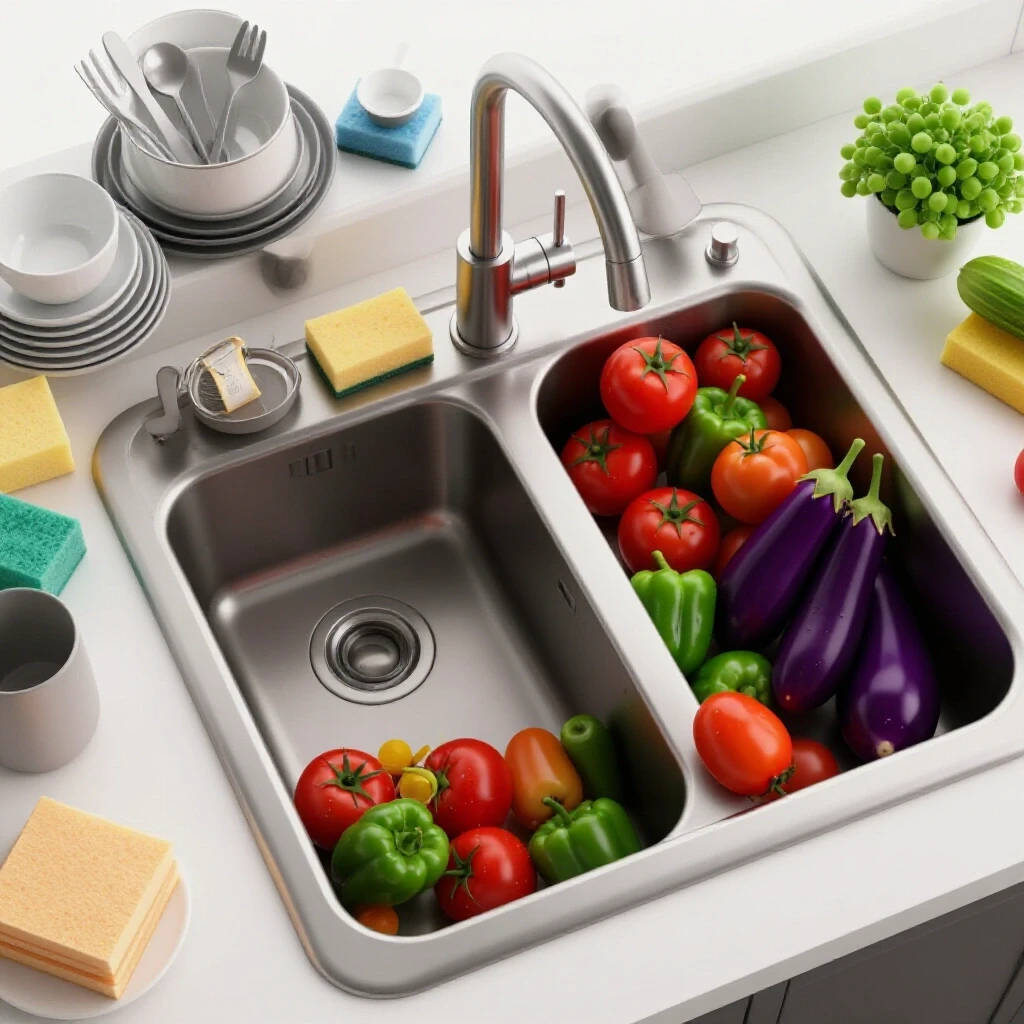
When I evaluated the supply chain for high-end kitchen fixtures five years ago, I noticed a trend toward shallower, “sleek” designs. While these look beautiful in a showroom, they often fail the “real-world” test. A basin that is too shallow, typically under 8 inches, allows water to bounce off a plate and travel directly onto your countertop. This is not just a nuisance; it is a durability issue. Constant moisture on the edge of a laminate or even a poorly sealed stone countertop can lead to delamination or staining over time.
In my own home, I moved from a standard 7-inch builder-grade sink to a 10-inch deep basin. The difference was immediate. The extra vertical space acts as a natural buffer. When water hits a flat surface at the bottom of a deep bowl, the droplets are contained by the side walls rather than escaping into the living space. This is a classic trade-off analysis: you sacrifice a bit of under-sink storage for a significant reduction in daily cleanup and long-term moisture damage to your cabinetry.
Material Selection and the Physics of the Rebound
Different materials have unique surface tensions and densities that change how water reacts upon impact. Understanding these properties helps you choose a basin that minimizes spray and resists the wear and tear of heavy daily use.
- Stainless Steel: This is the most common choice due to its durability. However, it is a “hard” surface. Water hitting 16-gauge stainless steel tends to bounce more aggressively than it does off composite materials.
- Fireclay: This material is heavy and dense. It absorbs some of the energy of falling water, which can slightly reduce micro-spray. It is also highly resistant to scratches but can chip if a heavy pot is dropped from a height.
- Quartz Composite: These sinks are made from a mix of stone dust and resin. They have a matte texture that breaks up the surface tension of water, often resulting in a “softer” landing for the stream.
- Cast Iron: Coated in porcelain enamel, these are incredibly durable but very heavy. The smooth surface is easy to clean, but like stainless steel, it provides a firm surface for water to deflect off of.
Interestingly, the thickness of the material matters as much as the type. In my professional evaluations, I found that 16-gauge stainless steel (which is thicker) vibrates less than 18-gauge. This lack of vibration means the water doesn’t “shiver” across the surface, which can actually help keep the spray more localized.
Evaluating the Ergonomics of Basin Verticality
The depth of your sink changes how you stand and move during household chores. This section breaks down the physical impact of deep versus shallow basins on the user’s posture and comfort.
Choosing a basin that is 10 inches deep sounds like a win for containing water, but it can be a challenge for your back. If you are taller than average, reaching down to the bottom of a very deep sink for long periods can cause strain. Conversely, a shallow sink might be easier on your back but will require you to wipe down the counters and your own shirt every time you wash a large pot.
I often recommend a “middle ground” of 9 inches for most residential applications. This depth provides enough of a wall to catch the majority of splashes while still being accessible for the average person. If you choose a deep basin, you can mitigate the reach by using a sink grate. This raises the working surface by about an inch while still allowing the deep walls to contain the mess.
| Feature | Shallow (6-7″) | Standard (8-9″) | Deep (10″+) |
|---|---|---|---|
| Splash Containment | Poor | Good | Excellent |
| Ergonomics | Best for tall users | Balanced | Can cause back strain |
| Under-Sink Storage | Maximum | Moderate | Minimal |
| Large Pot Capacity | Difficult | Manageable | Easy |
| Maintenance | High (counter cleanup) | Moderate | Low |
The Impact of Faucet Height on Water Escape
The distance between the water source and the landing zone is a critical factor in how much spray is generated. This section explores how high-arc faucets interact with different basin depths.
Building on the idea of containment, we must look at the faucet. A high-arc or “gooseneck” faucet is a popular high-end choice because it allows you to fill tall stockpots. However, if you pair a high-arc faucet with a shallow sink, you are creating a “splash zone” that is nearly impossible to manage. The water gains more velocity as it falls from a greater height, leading to a more violent impact and wider spray.
When I consulted on a kitchen remodel for a property in 2019, the owner insisted on a professional-style pre-rinse faucet. We paired it with a 10-inch deep fireclay sink. Because the water had a long way to travel but was contained by high walls, the counters stayed dry. If we had used a 7-inch sink, the water would have likely bounced right out of the basin and onto the hardwood floors, which are notoriously sensitive to standing water.
Long-Term Maintenance and Life-Cycle Costs
Water escaping the sink is more than just a mess; it is a financial risk to your home’s infrastructure. This section analyzes the costs associated with poor water containment and the benefits of a well-planned basin.
In my 13 years of supply chain analysis, I have seen how “small” design flaws lead to “large” maintenance bills. When water consistently splashes onto the surrounding countertop, it finds its way into the seams. For stone countertops, this can lead to the breakdown of the sealant or even “blooming” (discoloration) in natural granite. For cabinetry, the damage is even more direct. Water dripping down the front of a sink cabinet can cause the finish to peel or the wood to swell.
- Sealant Replacement: Expect to reseal natural stone every 12-24 months if the splash zone is high.
- Cabinet Refinishing: Water damage to cabinet doors can cost $200-$500 per door to fix or replace.
- Floor Integrity: Hardwood or laminate flooring near a “splashy” sink may warp, leading to repairs costing thousands.
By investing an extra $150 to $300 upfront for a deeper, high-quality basin, you are effectively buying insurance for your more expensive countertops and cabinetry. The trade-off is clear: a slightly higher initial cost for the fixture results in significantly lower maintenance outlays over a 15-year period.
Practical Steps for Evaluating a Potential Sink
Before you commit to a purchase, you should perform a few simple tests to ensure the basin will meet your lifestyle needs. These steps are based on my years of comparing materials and designs for durability.
- The “Reach” Test: Stand in front of a floor model. Reach down and touch the bottom with your fingertips. If you have to lean forward uncomfortably, the sink is too deep for your height.
- The Pot Check: Bring your largest pasta pot or cookie sheet to the showroom. Place it in the basin. If it sticks out above the rim, you will likely experience significant splashing when washing it.
- The Sound Dampening Test: Tap the side of a stainless steel sink. A “tinny” ring indicates a thinner gauge that will be louder and potentially create more vibration-related spray. Look for thick rubber pads on the underside.
- The Drain Placement: Look for sinks with an “offset” drain (set to the back or side). This allows the water to hit a flat surface and flow toward the drain without creating a “geyser” effect when the water hits the drain cover directly.
Sourcing and Material Science Principles
The way a sink is manufactured dictates how it handles the stress of daily use and the containment of water. This section looks at the production methods of common high-end materials.
Modern composite sinks are engineered using high-pressure casting. This creates a non-porous surface that is incredibly dense. From a supply chain perspective, these are excellent because they are less likely to be damaged during shipping than fireclay, but they offer similar performance. The lack of porosity means that water doesn’t “stick” to the surface; it beads up and moves toward the drain, which helps in keeping the basin clean and reducing the stagnant water that leads to mineral buildup.
Stainless steel, on the other hand, is stamped or welded. Stamped sinks are made from a single sheet of metal and are often thinner in the corners. Welded sinks (often called “zero-radius” or “small-radius”) maintain a consistent thickness throughout. In my experience, a small-radius welded sink offers the best balance of modern looks and the depth needed to manage water effectively.
Final Trade-Off Analysis: Cost vs. Performance
When making your final decision, you must weigh the upfront price against the daily utility and the long-term protection of your home.
Choosing a high-end material like a quartz composite or a heavy-gauge stainless steel in a 9-inch depth is a strategic move. You are paying for the engineering that keeps water where it belongs. While a cheaper, shallower sink might save you $200 today, the “splash lesson” you will learn over the next decade will be much more expensive.
I have found that homeowners who prioritize basin depth and material density are generally more satisfied with their renovations after the five-year mark. They spend less time cleaning and less money on repairs. Confident purchasing is about looking past the surface shine and understanding how the dimensions of the product will interact with your daily habits.
Summary of Key Takeaways
- Depth is Safety: A basin depth of 9 to 10 inches is the gold standard for containing splashes and protecting surrounding materials.
- Material Matters: Denser materials like quartz composites or 16-gauge stainless steel provide better sound dampening and spray management.
- Faucet Synergy: Match your faucet height to your sink depth; high-arc faucets require deeper basins to prevent excessive spray.
- Ergonomic Balance: Ensure you can comfortably reach the bottom of the sink to avoid back strain during long cleaning sessions.
- Long-Term Value: A deeper, higher-quality sink protects cabinets and countertops from moisture damage, saving money on future repairs.
Frequently Asked Questions
Does a deeper sink always mean more splashing?
Actually, the opposite is usually true. A deeper basin provides higher walls that act as a shield, catching the water that bounces off dishes. Splashing becomes a problem when a shallow basin (less than 8 inches) is paired with a high-pressure or high-arc faucet, as there is no vertical barrier to stop the water from escaping.
Is a 10-inch sink too deep for a standard cabinet?
Most standard kitchen cabinets can accommodate a 10-inch deep sink, but you must account for the plumbing underneath. A very deep sink will sit lower in the cabinet, which might require you to move the drain pipe in the wall. Always check your cabinet’s interior height and the location of your existing plumbing before upgrading to a deeper model.
How does the gauge of stainless steel affect water spray?
The gauge refers to the thickness of the steel (lower numbers are thicker). 16-gauge steel is thicker and heavier than 18-gauge. Thicker steel vibrates less when hit by a stream of water, which helps keep the water flow more stable and reduces the “micro-spray” that can mist your countertops.
Why do some materials feel “splashier” than others?
This is due to surface tension and hardness. A very hard, smooth surface like polished porcelain or thin stainless steel provides a “bouncy” surface for water. Matte-finished composites have a slight texture that breaks the water’s fall, leading to less rebound spray.
Can I fix a splashing problem without replacing the sink?
If your current basin is too shallow and causing a mess, you can try two things. First, replace the faucet aerator with a “low-flow” or “laminar flow” model to reduce the force of the water. Second, use a sink bottom grid to change the angle at which water hits the basin floor, though this is only a partial fix.
What is the best sink depth for someone with back pain?
For those concerned about ergonomics, an 8-inch depth is often the “sweet spot.” It is deep enough to hold most pots and contain some spray, but it doesn’t require the deep leaning that a 10 or 12-inch sink demands. Using a sink grid can also help raise the working level by about an inch.
Does an undermount sink help with water management?
Yes, undermount sinks are excellent for water management because they allow you to wipe water and crumbs directly from the countertop into the basin. However, because they are mounted under the stone, they effectively become about an inch deeper than their “spec” depth, so keep that in mind for ergonomics.
Are farmhouse (apron-front) sinks deeper than standard sinks?
They are often deeper, but their main advantage is that they sit forward, removing the “countertop bridge” in front of the sink. This allows you to stand closer to the basin, which can make a deep 10-inch sink much more comfortable for your back than a standard drop-in model of the same depth.
Will a deep sink reduce my water pressure?
No, the depth of the basin has no impact on your home’s water pressure. However, the distance the water falls can make it seem like the water is hitting harder. If the noise or spray is too much, you can adjust the shut-off valves under the sink to slightly reduce the flow rate.
How do I know if my countertop can handle a heavy, deep sink?
If you are choosing a deep cast iron or fireclay sink, weight is a major factor. These can weigh over 100 pounds empty. You may need to add structural bracing inside your cabinet. Most granite and quartz countertops can handle the weight if the sink is properly supported by the cabinetry rather than just hanging from the stone.
(This article was written by one of our staff writers, Andrew Morrison. Visit our Meet the Team page to learn more about the author and their expertise.)