Best Sink Upgrades for Homeowners: What’s Worth the Investment (Guide)

Durability is the silent hero of a functional home, yet it is often the first thing sacrificed for a trendy aesthetic. When I bought my first house fourteen years ago, I was captivated by the gleaming surfaces and the way the light hit the kitchen counters. I quickly learned that beauty does not wash the dishes or withstand the impact of a heavy cast-iron skillet. Over three homes and a decade of tracking every repair in my personal logs, I have found that the most impactful changes are often the ones we touch every single day. Replacing a worn-out basin or a leaky faucet is not just about looks; it is about the structural integrity of your cabinets and the efficiency of your daily routines.
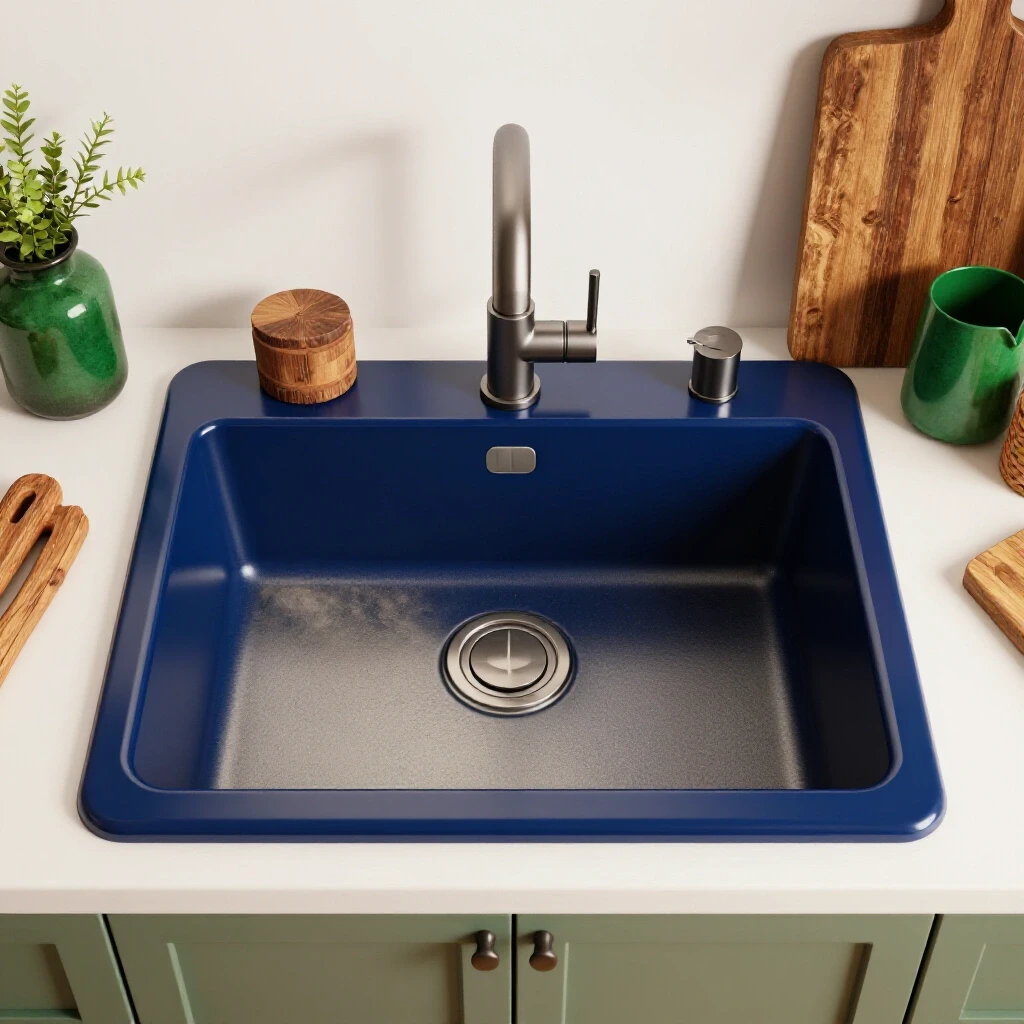
Establishing the Financial Foundation for Home Improvements
A financial foundation for home projects involves setting aside a dedicated percentage of your home’s value to cover both emergency repairs and planned fixture updates. This ensures that when a leak occurs or a finish fails, the funds are already available without stressing the monthly household budget.
When you transition from renting to owning, the biggest shock is the loss of the “landlord safety net.” In my first year of homeownership, I followed the standard advice of the 1% rule, which suggests saving 1% of the home’s purchase price annually for maintenance. However, U.S. Census Bureau data often shows that older homes or those with deferred maintenance may require closer to 3%. For a $300,000 home, that means having $3,000 to $9,000 ready for the inevitable.
I remember my first “real” failure. It was a Tuesday evening, and the kitchen faucet simply snapped at the base due to internal corrosion. Because I hadn’t yet built a household budgeting diary, that $400 emergency plumber visit felt like a catastrophe. Now, I advise new owners to look at their fixtures not as permanent statues, but as mechanical systems with finite lifespans. According to HUD reports, most mid-range plumbing fixtures are rated for 15 to 20 years, but hard water and heavy use can cut that in half.
- Emergency Fund Target: Aim for 3 to 6 months of essential living expenses.
- Maintenance Reserve: Save 1% to 3% of your home’s value annually.
- Tracking Tool: Use a simple spreadsheet or a digital home log to record the age of every major fixture.
Evaluating Kitchen Basin Materials for Long-Term Durability
Kitchen basin material selection is the process of choosing a substance—such as stainless steel, fireclay, or composite—based on its resistance to heat, stains, and physical impact. This choice dictates how much time you will spend cleaning and how long the fixture will last before showing signs of wear.
In my second home, I decided to move away from the builder-grade plastic basins that are common in many entry-level houses. I analyzed my daily habits and realized that my family was hard on our surfaces. We dropped heavy pots and used abrasive cleaners. I opted for 16-gauge stainless steel. The gauge represents the thickness; the lower the number, the thicker the steel. Most experts recommend 16 or 18-gauge for a balance of durability and sound dampening.
Interestingly, my logs showed that while fireclay looks beautiful in photos, it is prone to chipping if a heavy pot slips. For a young professional or a family with small children, the “worth it” factor usually leans toward materials that require less babying. Stainless steel remains the gold standard for a reason: it is non-porous, heat-resistant, and relatively easy to install.
| Material | Expected Lifespan | Maintenance Level | Best For |
|---|---|---|---|
| Stainless Steel (16-18 gauge) | 20-30+ Years | Low | High-traffic family kitchens |
| Granite Composite | 15-20 Years | Medium | Modern aesthetics, scratch resistance |
| Fireclay / Porcelain | 20-30 Years | High | Traditional or farmhouse styles |
| Cast Iron (Enameled) | 25-50 Years | Medium | Long-term durability, very heavy |
The Practicality of Bathroom Vanity Fixture Swaps
A bathroom fixture swap involves replacing the existing basin and tap set to improve water conservation and update the room’s visual appeal. This project is often the most accessible entry point for first-time homeowners looking to practice their DIY skills without high risk.
Bathrooms are high-moisture environments where cheap finishes go to die. In my third home, I evaluated the primary suite’s vanity and found significant mineral buildup on the cheap chrome taps. I replaced them with PVD (Physical Vapor Deposition) finished faucets. This technology bonds the finish to the metal at a molecular level, making it nearly impossible to scratch or tarnish.
When considering a basin update in the bathroom, the mounting style matters more than you might think. An undermount basin, which sits beneath the countertop, eliminates the “crumb-catching” lip of a traditional drop-in model. This makes cleaning significantly faster. For a busy professional, saving five minutes of scrubbing every weekend adds up over a year.
- Undermount Basins: Easier to clean, requires a solid surface counter (like quartz or granite).
- Drop-in (Self-Rimming): Easier to install for DIYers, works with laminate counters.
- Vessel Sinks: High style, but can be difficult for children to reach and prone to splashing.
Navigating the DIY vs. Professional Installation Decision
The DIY vs. professional decision is a framework for assessing whether a homeowner has the tools, time, and physical ability to complete a project safely compared to the cost of hiring a licensed contractor. This balance is crucial for maintaining a healthy home-life balance and avoiding “renovation burnout.”
I have spent many Saturday afternoons under a cabinet with a flashlight, and I have also written checks to professionals. The “worth it” calculation depends on your confidence and the complexity of the plumbing. Replacing a simple drop-in kitchen basin is a manageable DIY task for most people with a wrench and some silicone sealant. However, if you are switching from a top-mount to an undermount, you likely need a professional to cut the countertop.
Based on my 14 years of tracking, a DIY installation usually takes a novice about 4 to 6 hours, including the inevitable three trips to the hardware store for forgotten parts. A professional can often do it in 90 minutes. If your hourly rate at work is high, or if you have young children demanding your attention, paying the $200 to $400 labor fee is often the smarter move for your mental health.
- Assess the Plumbing: Are the shut-off valves working? If they are stuck, call a pro.
- Tool Check: Do you own a basin wrench, plumber’s putty, and high-quality silicone?
- Time Audit: Can you afford to have your water off for a full afternoon?
- Physical Limits: Are you comfortable lying on your back in a cramped cabinet for hours?
Integrating Modern Efficiency and Smart Home Features
Integrating efficiency involves selecting fixtures that reduce water waste and utilizing digital tools to monitor for leaks or mechanical failures. This approach protects the home’s structure from water damage while lowering monthly utility costs.
Modern homeownership is increasingly data-driven. In my current home, I installed a smart leak detector under the kitchen basin. This small device connects to my Wi-Fi and sends an alert to my phone if it senses even a drop of water. Considering that a slow leak can cause thousands of dollars in mold and cabinet damage before it is visible, a $50 sensor is one of the best investments I have ever made.
EPA WaterSense labeled faucets are another “worth it” upgrade. These fixtures use at least 20% less water than standard models without a noticeable loss in pressure. Over a year, this can save hundreds of gallons of water. For a first-time buyer, these small, sustainable choices build a foundation of responsible property management that pays off in lower utility bills.
- EPA WaterSense: Look for the label to ensure a flow rate of 1.5 gallons per minute or less.
- Touchless Technology: Great for hygiene in the kitchen, but requires a power source or batteries.
- Leak Sensors: Place them near the supply lines and the P-trap to catch failures early.
Long-Term Asset Protection and Preventative Care
Long-term asset protection refers to the routine maintenance tasks—such as recaulking and checking seals—that prevent minor wear from turning into major structural failures. Consistent care preserves the home’s value and ensures the longevity of all interior fixtures.
The “honeymoon phase” of a new home usually lasts about six months. After that, the reality of maintenance sets in. I keep a seasonal checklist in my digital home log. Every spring and fall, I inspect the caulking around my kitchen and bathroom basins. Caulking is the flexible seal that prevents water from seeping behind the counter and rotting the wood underneath. If it looks cracked or discolored, I scrape it out and replace it.
Another often-overlooked task is cleaning the aerators. If you notice your water pressure dropping, it is usually just a buildup of minerals in the small screen at the end of the faucet. Unscrewing it and soaking it in vinegar for an hour costs almost nothing but restores the fixture to like-new performance. This proactive approach is what separates a “lucky” homeowner from a prepared one.
- Caulk Inspection: Every 6 months.
- Aerator Cleaning: Annually, or as needed for low pressure.
- Supply Line Replacement: Every 5 to 10 years to prevent catastrophic bursts.
Managing Homeowner Fatigue and Decision Paralysis
Homeowner fatigue is the emotional and mental exhaustion that comes from the constant demands of property upkeep and the stress of making expensive decisions. Managing this involves prioritizing projects based on necessity and impact rather than trying to fix everything at once.
It is easy to feel overwhelmed when you look at a long list of desired updates. When I evaluated my first home, I wanted to change every fixture immediately. I quickly realized that doing so would drain my savings and my energy. I now use a “Priority Matrix” to decide what is worth doing now versus what can wait.
A leaky or cracked basin is a “Priority 1” because it threatens the structure of the home. A basin that is simply an ugly color is a “Priority 3.” By focusing on the functional upgrades first, you build confidence and protect your investment. Remember, you are playing the long game. Homeownership is a marathon of small, consistent improvements, not a sprint to a “perfect” interior.
- Functional Failures: Fix anything that leaks or doesn’t drain immediately.
- Efficiency Gains: Update old, water-wasting taps when the budget allows.
- Aesthetic Changes: Save the purely visual updates for when you have a surplus in your maintenance fund.
Actionable Next Steps for New Homeowners
To move forward without anxiety, start with a thorough audit of your existing fixtures. Take your phone and a flashlight, crawl under every cabinet, and look for signs of past leaks or current dampness. Record the brand and approximate age of the fixtures in your home log.
Next, prioritize one small update. Perhaps it is a new high-efficiency faucet in the guest bathroom or a deeper basin in the kitchen that actually fits your large pots. By tackling one manageable project, you gain the skills and the momentum needed for larger tasks. Homeownership is not about knowing everything on day one; it is about being willing to learn and document the journey as you go.
Frequently Asked Questions
How do I know if a kitchen basin is high quality? Look for the material thickness and the sound-dampening features. For stainless steel, a 16-gauge thickness is superior to 20-gauge. High-quality basins will also have thick rubber pads or a spray coating on the underside to reduce the “tinny” noise of running water and clanging dishes.
Is an undermount basin worth the extra cost? In most cases, yes. While the installation is more complex and requires a professional for stone or quartz counters, the ease of cleaning is a daily benefit. Being able to wipe crumbs directly into the basin without hitting a raised lip saves time and prevents grime buildup.
What is the average cost of a professional fixture installation? For a straightforward faucet replacement, expect to pay between $150 and $350 in labor, depending on your local market. If you are replacing the entire basin, labor can range from $300 to $600. These prices typically do not include the cost of the fixtures themselves.
How can I prevent my new fixtures from spotting or corroding? The best prevention is drying the fixture after use with a microfiber cloth. For hard water areas, installing a water softener is the only long-term solution. Avoid using harsh chemicals or abrasive pads, which can strip the protective finish off the metal.
Why is my new faucet leaking from the handle? This is usually caused by a worn-out O-ring or cartridge inside the faucet body. Most modern faucets use a ceramic disc cartridge that is designed to last for years, but grit in the water lines can damage them. These parts are usually replaceable without needing to swap the entire fixture.
Should I replace the supply lines when I get a new faucet? Yes, absolutely. Braided stainless steel supply lines are inexpensive (usually under $20) and are a critical safety component. Old lines can become brittle and burst, leading to significant water damage. It is a standard best practice to start fresh with new lines.
What is the difference between a single-handle and double-handle faucet? Single-handle faucets allow you to control temperature and flow with one hand, which is highly practical in a kitchen. Double-handle faucets offer a more traditional look and more precise temperature control but can be harder to operate when your hands are full or dirty.
Does a deeper kitchen basin cause back pain? It can. While deep basins (10 inches or more) are great for hiding dirty dishes and washing large pots, they require you to lean over further. If you are tall or have back issues, an 8-inch or 9-inch depth is often more ergonomic while still being functional.
How do I choose the right faucet reach? Measure your basin from the mounting hole to the center. You want the water stream to fall as close to the center of the drain as possible to minimize splashing. If the faucet reach is too short, you will be washing your hands against the back wall of the basin.
Are pull-down sprayers prone to breaking? In the past, the retracting mechanisms were a common failure point. Modern pull-down faucets use weighted hoses or magnetic docking systems that are much more reliable. Look for models with a braided nylon hose rather than a metal one for smoother operation and longevity.
(This article was written by one of our staff writers, Michael Morrison. Visit our Meet the Team page to learn more about the author and their expertise.)