Slipcover Cost Breakdown for Temporary Furniture Updates (Guide)

In the Pacific Northwest, where I manage my personal remodeling portfolios, the cost of living often dictates how we prioritize home improvements. I have spent the last decade tracking every cent of my home expenses across two major renovations, and I have learned that not every problem requires a permanent, high-cost solution. Sometimes, the most prudent financial move is a strategic interim step that preserves capital for larger, value-adding projects like kitchen overhauls or structural repairs.
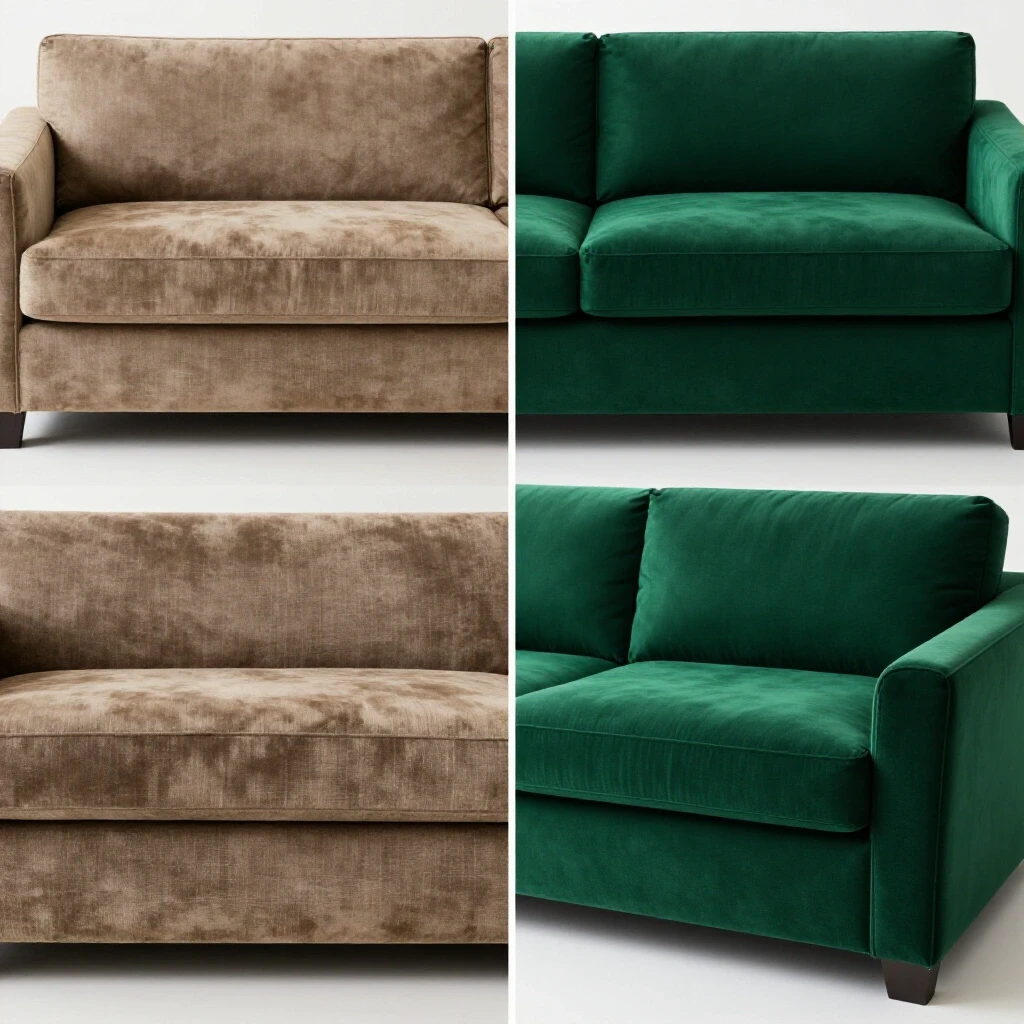
When I first looked at the worn sofa in my living room three years ago, my spreadsheet told me a high-quality replacement would cost $2,400. Instead of depleting my renovation reserve, I opted for a fabric-based furniture update. By analyzing the market and tracking the actual expenditures, I found that an interim textile solution could extend the life of my existing pieces for less than 10% of the replacement cost. This approach allowed me to keep my home renovation budget on track while maintaining a cohesive aesthetic.
Establishing a Financial Framework for Interim Furniture Updates
An interim furniture update involves using removable fabric covers to refresh the appearance and protect the underlying structure of seating pieces. This strategy serves as a bridge between current needs and future replacement, allowing homeowners to defer large capital outlays while maintaining the home’s interior quality and market appeal.
When you are building your remodeling expense tracker, you must categorize these updates correctly. They are not permanent capital improvements, but rather maintenance and preservation costs. In my experience, the goal is to maximize the utility of an existing asset. If a sofa has a solid frame but failing upholstery, spending $150 to $400 on a high-quality cover is a calculated move. It prevents the “domino effect” of home spending, where one ugly piece of furniture triggers a premature and expensive room redesign.
Assessing the Cost-to-Value of Extending Furniture Life
Cost-to-value in this context measures the financial benefit of delaying a major purchase versus the immediate expense of a temporary fabric solution. It requires a simple calculation: the cost of the cover divided by the number of additional years of service the furniture provides.
I often advise clients to look at the “burn rate” of their furniture. If a new $2,000 couch lasts 10 years, it costs $200 per year. If a $200 fabric update extends the life of your current couch by three years, your annual cost for that period drops to roughly $67. This is a significant win for any cost-conscious home planner. It frees up $133 per year that can be redirected into a high-yield savings account or a dedicated renovation fund.
- Current Furniture Value: $0 (if unsellable due to wear)
- Replacement Cost: $1,500 – $3,000
- Interim Update Cost: $100 – $450
- Target Extension: 2 – 5 years
- Annualized Savings: $300 – $500
Detailed Line-Item Expenses for Fabric Refresh Projects
A comprehensive cost breakdown guide for furniture covers must include more than just the retail price of the fabric. It involves measuring tools, specialized fasteners, and potential cleaning supplies that ensure the update looks intentional rather than accidental.
When I tracked my own project, I realized that many homeowners forget to account for the “ancillary kit.” This includes upholstery pins, non-slip pads, and fabric protectors. These items usually add 15% to the base price of the cover. Below is a realistic look at how these costs typically distribute across a standard project budget.
Table 1: Projected vs. Actual Budget Line-Item Breakdown (Single Sofa Update)
| Category | Projected Cost (Low) | Actual Cost (Mid-Range) | Variance Notes |
|---|---|---|---|
| Primary Fabric Cover | $120.00 | $185.00 | Higher durability fabrics cost more. |
| Non-Slip Underlay | $15.00 | $22.00 | Essential for leather or silk bases. |
| Upholstery Pins/Tucks | $10.00 | $12.00 | Prevents sagging and shifting. |
| Fabric Protector Spray | $18.00 | $25.00 | Extends time between washes. |
| Shipping/Taxes | $15.00 | $28.00 | Often overlooked in initial estimates. |
| Total Project Cost | $178.00 | $272.00 | +52.8% Variance if not tracked. |
Material Grade Selection and Pricing Tiers
Material grade refers to the weight, weave density, and fiber content of the fabric used in the cover. Higher grades offer better resistance to abrasion and staining, which directly impacts the longevity of the interim fix and the frequency of replacement.
According to data from textile price indexes, polyester blends are the most cost-effective for high-traffic areas. They resist shrinking and wrinkling better than pure cotton. However, if you are looking for a more “built-in” look, heavy-weight canvas or “duck” fabric provides a structured appearance that mimics traditional upholstery. I suggest allocating a 20% higher budget for natural fibers if you live in a humid climate, as they breathe better but may require professional cleaning to prevent shrinkage.
- Budget Tier (Polyester/Spandex): $40 – $90. Best for oddly shaped furniture; high stretch.
- Mid-Tier (Cotton/Poly Blends): $100 – $250. Good balance of comfort and durability.
- Premium Tier (Heavy Canvas/Linen): $250 – $500. Offers the most “upscale” look for market staging.
Regional Labor and Material Variations
Regional labor and material variations account for the price differences seen across different geographic markets due to shipping costs, local demand, and state-specific taxes. These factors can shift a project budget by 10% to 25% depending on your location.
While most interim covers are purchased online, local availability of specialized fabrics can vary. In my analysis of U.S. Bureau of Labor Statistics data regarding household furnishings, I’ve noted that urban centers often have higher retail markups but lower shipping fees. Conversely, rural areas may face higher shipping costs that can eat into a contingency buffer.
Table 2: Regional Labor and Material Cost Coefficients
| Region | Material Multiplier | Shipping/Logistics Factor | Notes |
|---|---|---|---|
| Northeast | 1.15 | 1.05 | High retail overheads. |
| South | 0.95 | 1.00 | Competitive pricing; lower taxes. |
| Midwest | 1.00 | 1.10 | Standard pricing; variable shipping. |
| West Coast | 1.10 | 1.15 | High logistics and fuel surcharges. |
The DIY vs. Pre-made Financial Comparison
A DIY vs. pre-made comparison evaluates the financial trade-off between purchasing a ready-to-use product and investing the time to create a custom solution. This includes calculating the value of your “sweat equity” against the retail price of professional goods.
If you choose to sew your own covers, you must account for the cost of fabric by the yard. A standard three-cushion sofa requires approximately 14 to 16 yards of fabric. At a conservative $15 per yard, you are looking at $240 just for materials. When you add 10 to 20 hours of labor, the “cost” of a DIY project often exceeds the price of a high-end pre-made cover. Financial planning for homeowners requires recognizing when your time is more valuable than the potential savings of a complex DIY task.
Accounting for Hidden Maintenance Fees
Hidden maintenance fees are the recurring costs associated with keeping an interim update functional and aesthetically pleasing. These include laundry utilities, specialized detergents, and the eventual cost of replacing the cover when it reaches the end of its useful life.
One trap I see often is the “shrinkage tax.” If you buy a low-cost cotton cover and wash it in hot water, it may no longer fit your furniture. You have then wasted 100% of that investment. I recommend adding a 10% maintenance buffer to your remodeling expense tracker for these types of mishaps. Furthermore, consider the cost of “tuck-in” time—the labor you spend every week straightening the fabric. If it takes 15 minutes a week, that’s 13 hours a year.
- Laundry Costs: $2 – $5 per wash cycle (including energy and water).
- Fabric Refreshers: $10 – $20 annually.
- Replacement Cycle: Every 24 – 36 months for high-traffic items.
- Depreciation: These items have zero resale value; they are 100% consumable.
Strategic Financial Frameworks for Home Improvements
A strategic financial framework is a structured method for deciding which home projects receive funding based on their impact on home value and household cash flow. It prioritizes high-ROI renovations while using low-cost tactics to manage aesthetic needs.
In my decade of tracking, I have found that homeowners who use interim solutions for furniture often have more robust emergency funds. By spending $300 on a cover instead of $3,000 on a new living room set, you keep $2,700 in your pocket. At a 4% interest rate in a savings account, that money earns $108 a year. This is what I call “defensive budgeting.” You are protecting your capital from lifestyle inflation while still enjoying a refreshed home environment.
- Identify the Gap: Determine how many years you need to delay a major furniture purchase.
- Set a Ceiling: Never spend more than 20% of the replacement cost on an interim cover.
- Audit the Asset: Ensure the furniture frame is structurally sound before investing in a cover.
- Track the Spend: Log the purchase in your spreadsheet under “Maintenance” to avoid skewing your “Capital Improvement” data.
- Re-evaluate Annually: Check the condition of the cover to ensure it still meets your aesthetic and functional standards.
Practical Tools for Budget Tracking
To keep your project on track, you need more than just a general idea of costs. You need specific tools that help you visualize the impact of every dollar spent. I use a combination of simple spreadsheets and more advanced tracking methods to ensure my renovation funds are never over-extended.
- The Line-Item Ledger: A simple spreadsheet where you list every receipt, including taxes and shipping. This prevents “leakage” where small $10 purchases add up to a $100 budget overrun.
- The Amortization Calculator: Use this to see how much your interim fix costs per month of use. If a $200 cover lasts 24 months, it’s costing you $8.33 a month—about the price of one streaming subscription.
- Regional Cost Indexes: Consult sites like Remodeling Magazine’s Cost vs. Value reports to see how larger projects are pricing in your area, which helps you decide if now is the time to buy new or stick with your interim fix.
- Fabric Durability Charts: Use “Wyzenbeek” ratings (double rub counts) to compare fabrics. For a home with kids or pets, look for a rating of 15,000 or higher to ensure your “temporary” fix doesn’t fail in six months.
By following these data-driven steps, you can navigate the complexities of home maintenance without falling into debt. The goal is not just a better-looking room, but a more secure financial future. When you treat every home expense as a line item in a larger wealth-building strategy, you move from being a consumer to a savvy home manager.
Frequently Asked Questions
How much should I realistically budget for a high-quality sofa cover? For a standard three-seater sofa, a realistic budget range is $150 to $350. This should include the cover itself, a 10% contingency for shipping or taxes, and about $30 for installation accessories like upholstery pins or non-slip grips. If you choose premium fabrics like heavy linen, expect to pay toward the higher end of that range.
Does using an interim fabric update affect my home’s resale value? Directly, no. Furniture is considered personal property and is not included in a home appraisal. However, “staging” is a critical part of the selling process. Clean, well-fitted covers can make a room look more inviting and updated, which can help a home sell faster, even if the furniture itself isn’t staying.
What is the “10% rule” in furniture maintenance? I advise clients never to spend more than 10% to 15% of the cost of a new item on a temporary fix. If a new chair costs $500, spending more than $75 on a cover starts to yield diminishing returns. At that point, you are better off saving that money toward the eventual replacement.
How do I track these costs in my home renovation spreadsheet? I recommend creating a separate tab for “Non-Capital Maintenance.” This keeps your major renovation costs (which may have tax implications or affect your cost basis) separate from consumable household expenses. This distinction is vital for accurate financial planning and tax reporting.
Are custom-sewn covers worth the extra expense? From a strictly financial standpoint, usually no. Custom covers can cost $500 to $1,000, which approaches the price of new, mid-range furniture. Unless the piece is a high-value antique or has a unique sentimental value, pre-made or “semi-custom” options provide a much better return on investment for an interim solution.
How can I avoid the “hidden fees” of fabric updates? The most common hidden fees are return shipping costs (if the cover doesn’t fit) and fabric care products. Always check the return policy before buying. If you have to pay $30 to ship a $100 cover back because it’s the wrong shade of gray, you’ve just increased your project cost by 30% with nothing to show for it.
What is the average lifespan of a mid-range furniture cover? In a typical household with moderate use, a quality polyester or cotton-blend cover will last 2 to 4 years. If you have pets or small children, expect that lifespan to drop toward the 2-year mark. Use this timeframe when calculating your monthly “cost of use” in your budget.
Can I use these covers on leather furniture? Yes, but you must budget for a high-quality non-slip underlay. Leather is slippery, and standard fabric covers will shift constantly, leading to frustration and a messy appearance. This underlay typically adds $20 to $40 to your project total but is essential for the “fix” to be functional.
Should I include a contingency fund for a simple fabric update? Yes. Even for small projects, a 10% contingency is wise. This covers unexpected needs like extra fasteners, a specific cleaning solution for a spill during installation, or a slight price increase if you have to reorder a piece in a different size.
Is it cheaper to buy a new piece of furniture on sale? Sometimes. If you find a high-quality clearance item for $400, it may be a better long-term value than spending $200 on an interim cover for an old, uncomfortable sofa. Always compare the “cost per year of expected life” between the update and the new purchase before committing your funds.
(This article was written by one of our staff writers, Steven Fletcher. Visit our Meet the Team page to learn more about the author and their expertise.)