Smart Thermostats for Winter: Savings, Comparisons & Buying Guide (Tips)

During a renovation of a 1920s craftsman home three years ago, I faced a common dilemma. The original structure had beautiful woodwork and thick plaster walls, but the heating system was an inefficient relic. I spent weeks comparing high-end materials like quartersawn oak and soapstone, but I realized the most expensive materials wouldn’t matter if the indoor climate wasn’t managed properly during the harsh winter months. My background in supply chain analysis taught me that the best upgrades aren’t just about the surface finish; they are about how a system integrates into your lifestyle to reduce long-term costs. I decided to treat the climate control system like any other major appliance, evaluating the technical specifications and material durability to ensure I wasn’t just buying a gadget, but a long-term efficiency tool.
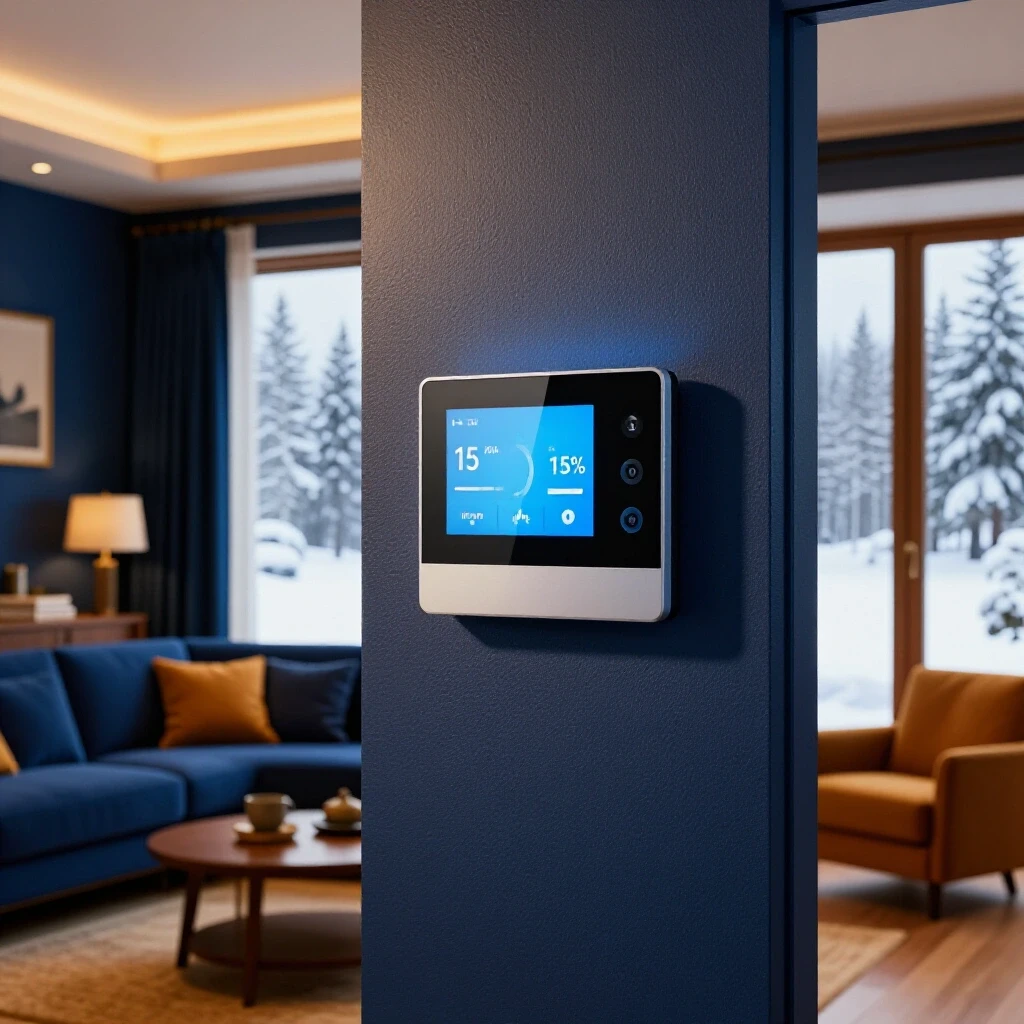
Understanding the Material Science of Intelligent Climate Controls
The technical foundation of automated heating management involves sensor precision, material conductivity, and interface durability. Choosing a device requires looking past the sleek exterior to understand the engineering that drives winter energy reductions.
In the world of home material comparison, we often look at how a product handles stress. For these devices, “stress” is thermal fluctuation. A high-quality unit uses advanced thermistors—resistors whose resistance changes significantly with temperature. These are often housed in materials with specific thermal conductivity ratings to ensure the internal electronics don’t skew the ambient room reading. When I evaluate these as a supply chain analyst, I look for a low “hysteresis” value, which is the lag between a temperature change and the device sensing it.
Technical specifications to consider include:
- Thermal Sensitivity: The ability of the sensor to detect changes as small as 0.1 degrees Fahrenheit.
- Housing Porosity: Higher-quality polymers prevent dust ingress, which can insulate sensors and cause false readings.
- Interface Hardness: Using the Mohs scale, high-end glass displays often rank at a 6 or 7, making them resistant to the micro-scratches that plague cheaper plastic models.
- Communication Protocol: The “material” here is the signal frequency, ensuring the device stays connected without high power draw.
Aesthetic Harmony and Surface Materials in Modern Homes
Integrating technology into a curated interior requires a trade-off analysis between visual appeal and functional placement. The materials used in the device casing must complement high-end home materials like stone, wood, or matte-finished paints.
When I updated my second property, I noticed that the physical appearance of climate tools often clashed with traditional aesthetics. Manufacturers now use materials like brushed aluminum, high-density glass, and stainless steel to bridge this gap. From a durability vs maintenance cost perspective, glass and metal are superior to plastic because they do not yellow over time when exposed to UV light from windows. This is a critical factor for homeowners who want their home goods to look as good in year ten as they did on day one.
| Material Type | Durability Rating | Maintenance Needs | Aesthetic Fit |
|---|---|---|---|
| Polycarbonate (Plastic) | Moderate | High (Yellowing risk) | Modern/Budget |
| Brushed Aluminum | High | Low (Wipe down) | Industrial/High-end |
| Tempered Glass | Very High | Low (Fingerprint resistant) | Contemporary |
| Stainless Steel | High | Moderate (Smudging) | Professional Kitchen |
Evaluating Technical Performance for Cold Weather Efficiency
The primary goal of an intelligent heating controller is to optimize the furnace or boiler cycles to minimize fuel consumption. This involves understanding the “recovery time” of your specific home materials, such as how long it takes for a tile floor to warm up versus a carpeted room.
In my own testing, I found that the software’s ability to “learn” a home’s thermal mass is the most significant factor in winter heating reductions. Thermal mass refers to the ability of materials like brick or concrete to store heat. A smart system tracks how long your home stays warm after the heat shuts off. By analyzing this data, the device can stop the furnace earlier, using the residual heat stored in your walls to reach the final target temperature. This prevents “overshooting,” which is a common waste of energy in older, manual systems.
Technical performance standards often reference:
- Cycle Rate: How many times the heating system turns on per hour to maintain a steady state.
- Anticipation Logic: The algorithm that predicts when to start heating based on outdoor weather data.
- Deadband Range: The temperature swing allowed before the heat kicks back in (usually set to 0.5 to 1.0 degrees for comfort).
DIY Integration and Lifestyle Comfort Trade-offs
Choosing a device that allows for simple DIY customization is essential for homeowners who want to manage their own maintenance. The ease of installation and the ability to tweak settings without a technician are key parts of the value proposition.
I have always preferred products that use a standard “C-wire” or power-sharing bridge because they offer a more stable power supply to the internal logic boards. When you are performing a trade-off analysis, consider the time spent on the initial setup. A device with a well-designed backplate and clear terminal labeling reduces the risk of incorrect wiring, which could potentially damage your HVAC control board. In my experience, the best units are those that provide a modular “snap-in” design, allowing the homeowner to upgrade the faceplate or interface without touching the underlying wiring.
Steps for a successful DIY setup:
- Check Compatibility: Ensure the existing wiring matches the device requirements (usually 24V systems).
- Level the Backplate: Use a small spirit level to ensure the sensors are oriented correctly for airflow.
- Seal the Wire Hole: Use a bit of non-flammable putty to plug the hole where wires come through the wall; this prevents “wall drafts” from trickling in and tricking the sensor.
- Calibrate: Use a secondary, calibrated thermometer to ensure the device is reading the room accurately during the first 24 hours.
Why Higher Upfront Costs Don’t Always Guarantee Durability
In supply chain analysis, we often see a “point of diminishing returns” where paying more doesn’t necessarily buy you more life. For climate control devices, the price jump usually reflects the screen quality and software features rather than the core heating logic.
I recommend looking at the “MTBF” (Mean Time Between Failure) data if available, or checking the warranty limits provided by the manufacturer. Most high-end home materials have warranties spanning decades, but electronics are generally limited to 2 to 5 years. Therefore, the value is found in the operational savings during the winter months rather than the hardware’s resale value. If a more expensive unit saves an additional 5% on heating costs compared to a mid-range unit, it may pay for the price difference in just two winter seasons.
Long-Term Maintenance and Reliability of Heating Automation
Maintenance for these devices is primarily digital, involving firmware updates and sensor cleaning. Unlike a traditional dial, an intelligent system requires a stable internet connection to fetch local weather data, which it uses to adjust heating curves.
Over the last decade, I have seen many appliances fail not because of mechanical parts, but because of software obsolescence. To avoid this, I look for manufacturers with a track record of supporting older hardware. From a cleaning perspective, a simple microfiber cloth is all that is needed. Avoid using harsh chemical cleaners on the screens, as many have oleophobic coatings (oil-repellent) that can be stripped away, leading to permanent fingerprint smudges.
Maintenance Checklist:
- Monthly: Check the air filter alerts on the device; a clogged filter makes the heater work harder.
- Seasonally: Recalibrate the temperature offset if you notice the room feels colder than the display suggests.
- Annually: Dust the perimeter of the device to ensure the airflow vents for the internal sensors are clear.
Financial Lifecycle and Sourcing Recommendations
When calculating the life-cycle cost of an automated heating system, you must include the purchase price, the estimated energy savings, and the potential for utility rebates. Many local power companies offer significant incentives for installing energy-efficient controllers.
In my procurement logs, I track the “payback period.” For a typical 2,000-square-foot home in a cold climate, a high-quality intelligent controller can reduce winter heating bills by 10% to 15%. If your winter heating cost is $1,200, a $200 device that saves 12% ($144) will pay for itself in less than two winters. This is a much faster return on investment than almost any other home material, including high-efficiency windows or upgraded insulation.
| Financial Metric | Standard Manual Unit | Intelligent Controller |
|---|---|---|
| Upfront Cost | $30 – $50 | $150 – $250 |
| Annual Winter Savings | $0 | $120 – $180 |
| Payback Period | N/A | 1.2 – 2.0 Years |
| Expected Lifespan | 15+ Years | 8 – 10 Years |
| Lifestyle Comfort Score | Low | High |
Practical Buying Worksheet for Homeowners
To make a confident decision, use this scoring matrix to evaluate different options. Rate each category from 1 to 5 based on your specific home needs.
- Aesthetic Match: Does the material and color blend with your wall finish?
- Technical Clarity: Is the display easy to read from across the room without glasses?
- DIY Ease: Does the unit come with a built-in level and clear terminal blocks?
- Sensor Expansion: Can you add remote sensors for cold spots in the house?
- Data Access: Does the app provide a clear breakdown of how many hours the heat ran each day?
Conclusion and Next Steps for Winter Efficiency
Choosing the right climate management tool is a balance of material quality, technical specs, and financial logic. By focusing on the engineering of the sensors and the durability of the interface, you can ensure that your investment provides comfort and savings for years to come. Start by checking your current wiring to confirm DIY compatibility, then select a device that matches the aesthetic of your most prominent living spaces. The transition from a manual system to an intelligent one is one of the few home upgrades where the technical performance translates directly into monthly cash savings.
FAQ: Intelligent Heating and Winter Savings
How does an intelligent controller actually reduce my winter heating bill?
These devices use algorithms to learn how fast your home heats up and cools down. By knowing the exact “thermal profile” of your house, the system can turn off the heat before the target temperature is reached, allowing the residual heat in the radiators or vents to finish the job. This prevents the energy waste associated with over-shooting the set temperature.
Can I install these devices myself if I am not an electrician?
Yes, most of these units are designed for DIY installation. They typically use low-voltage (24V) wiring that is safe for homeowners to handle. As long as you have a “C-wire” or a power-adapter kit included with the device, the process usually involves matching colored wires to labeled terminals on a backplate.
Do these devices work with older heating systems like steam radiators?
Many do, but you must check the technical specifications for “swing” or “differential” settings. Steam systems have a lot of latent heat, so you need a controller that can be set to a wider cycle rate to prevent the boiler from “short-cycling,” which can lead to mechanical wear and tear.
What is the most durable material for a touchscreen interface?
Tempered glass is the industry standard for high-end home materials in this category. It offers superior scratch resistance compared to acrylic or polycarbonate. If your device is located in a high-traffic hallway where it might be bumped, glass is less likely to show wear over time.
How much can I realistically save on heating during a single winter?
While results vary based on insulation and local climate, most homeowners see a reduction of 10% to 15% on their heating costs. On a $300 monthly bill, that is a saving of $30 to $45 per month. Over a five-month winter, the device can save nearly $200.
Do I need a constant Wi-Fi connection for the device to save money?
The core heating logic usually resides on the device itself, so it will continue to follow your schedule if the internet goes out. However, the “smart” features, like adjusting for a sudden cold front or remote control, require a connection to function.
Will an intelligent controller help with “cold spots” in my home?
The main unit only senses the temperature where it is mounted. To fix cold spots, you should look for a system that supports remote sensors. These small, battery-powered units can be placed in bedrooms or basements to tell the main controller to keep running until those specific areas are comfortable.
What is a “C-wire” and why is it important for durability?
The “C” stands for Common. It provides a continuous return path for 24V power from the furnace. Devices that have a C-wire are generally more reliable because they don’t have to “steal” power from the heating circuit, which can sometimes cause chattering in the furnace relays or premature battery failure in the controller.
How often do these devices need to be replaced?
Unlike a manual dial that can last 30 years, these are electronic appliances. Based on NAHB lifecycle data and typical software support cycles, you should expect a useful life of 8 to 10 years. The hardware may still work after that, but the software or connectivity standards may become outdated.
Does the placement of the device affect its performance?
Absolutely. It should be mounted on an interior wall, away from direct sunlight, drafts, or heat vents. If it is placed near a drafty window, it will “think” the whole house is cold and run the heater unnecessarily, erasing your potential winter savings.
(This article was written by one of our staff writers, Andrew Morrison. Visit our Meet the Team page to learn more about the author and their expertise.)