Soundbar vs Speakers: Which Is Best for Living Room Setup (Guide)

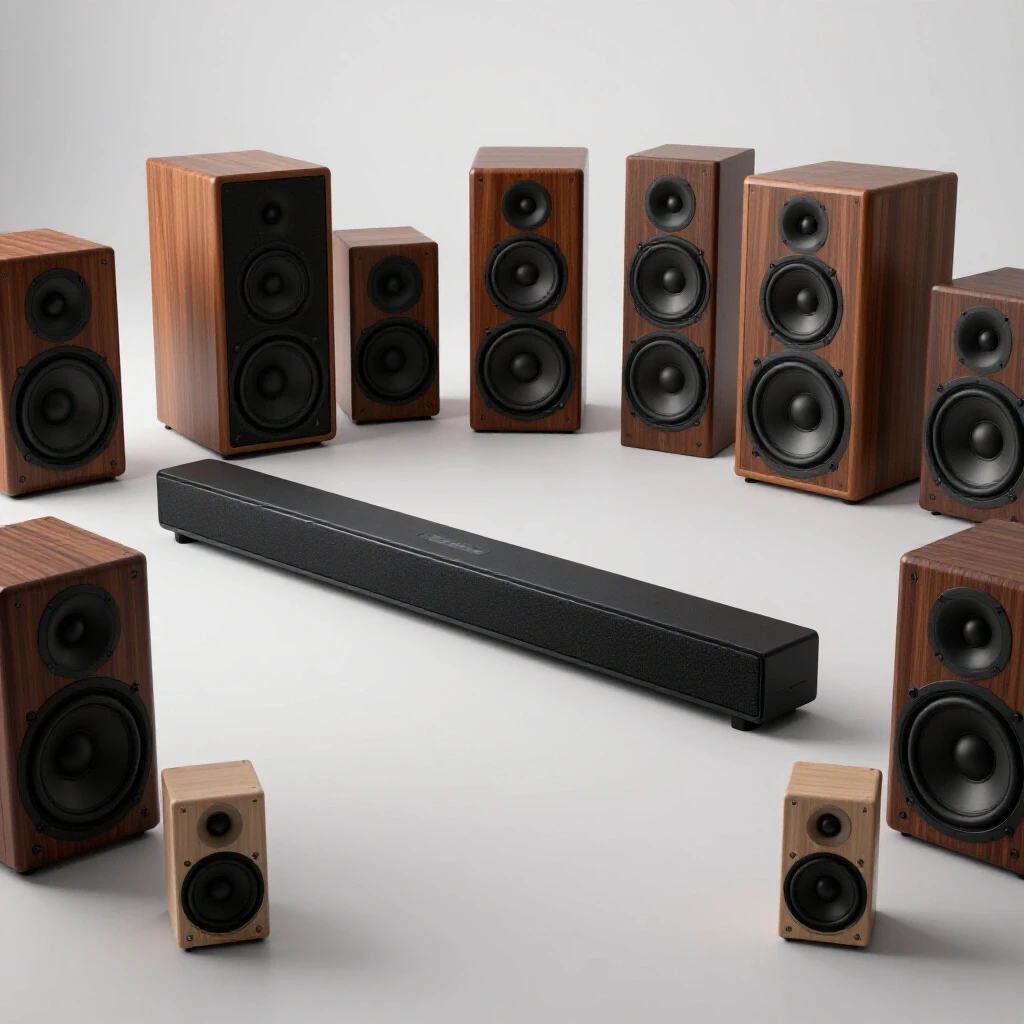
When selecting permanent fixtures for a home, endurance is the most critical metric. Over 13 years of evaluating materials for residential properties, I have found that the items which look best on day one rarely look the same after a decade of sunlight, dust, and family activity. Choosing between a compact horizontal audio unit and a modular multi-component system is less about the technology inside and more about how the physical materials integrate into your living environment.
In my own experience managing three different properties, I have seen how material choices impact the long-term utility of a room. In one renovation, I installed a high-gloss polymer unit that showed every fingerprint and scratch within six months. In another, I opted for real wood veneers that required specific humidity controls to prevent warping. These are the technical trade-offs that homeowners often overlook when they are focused only on the immediate visual appeal.
Understanding Technical Standards for Media Enclosures
Media enclosures are the physical housings that protect internal components and provide structural stability for the device. These housings are typically made from Medium Density Fiberboard (MDF), high-impact polymers, or extruded aluminum.
Material science in this context focuses on “density” and “thermal stability.” Density refers to how much mass is packed into a given volume, which affects how much the material vibrates or shifts. Thermal stability describes how well the material resists expanding or contracting when the temperature in your living room changes. Understanding these factors is vital because a housing that warps can lead to unsightly gaps or even structural failure if the unit is wall-mounted.
Material Density and Structural Rigidity
Structural rigidity is the ability of a material to resist deformation under an applied load or its own weight. This is measured by the modulus of elasticity, which tells us how “stiff” a material is during daily use.
In my material procurement logs, I have noted that MDF is the industry standard for most modular units because it is uniform and lacks the knots found in natural wood. However, not all MDF is created equal. High-density fiberboard (HDF) offers better screw-holding strength for DIY mounting. If you are planning to hang a heavy horizontal unit on a drywall surface, the density of the enclosure determines whether the mounting brackets will stay secure over time.
- MDF Density: Usually ranges from 600 to 800 kg/m³.
- Polymer Thickness: High-end units often use 3mm to 5mm thick walls.
- Aluminum Extrusion: Offers the highest rigidity-to-weight ratio for slim profiles.
Surface Finish Durability and Maintenance
The surface finish of a media component is its first line of defense against the environment. Finishes are often rated by their scratch resistance and UV stability, which prevents the material from fading in sunlit rooms.
I once evaluated a set of modular units with a “piano black” lacquer finish. While visually striking, the Mohs hardness—a scale used to measure scratch resistance—was quite low. Within a year of routine dusting, the surface showed fine “swirl marks” from the cleaning cloth. In contrast, powder-coated metal or textured polymers handle the friction of cleaning much better. If your living room receives direct sunlight, you must ensure the finish is UV-rated to avoid the “yellowing” effect common in cheaper plastics.
Comparing Spatial Footprint and Layout Efficiency
Spatial footprint refers to the total floor or wall area a component occupies, including the necessary clearance for cables and airflow. Layout efficiency is a measure of how well a component utilizes the existing dimensions of a room without obstructing movement.
In a standard living room, every square inch of floor space has a value. When I compare a single integrated horizontal unit to a multi-point modular setup, I look at the “visual clutter” index. A single unit tucked under a screen has a much lower impact on the room’s flow than several separate pedestals or cabinets. For homeowners with active children or pets, a smaller footprint reduces the risk of accidental tip-overs or damage to the equipment.
Side-by-Side Material Performance Specifications
| Feature | Integrated Horizontal Unit | Modular Multi-Point Units |
|---|---|---|
| Primary Material | Often Polymer or Aluminum | Mostly MDF or Solid Wood |
| Weight Distribution | Concentrated on one bracket | Distributed across several points |
| Surface Area for Dust | Low (Single top surface) | High (Multiple tops and sides) |
| Moisture Sensitivity | Low (Sealed polymer shells) | Moderate (Veneer edges can peel) |
| Impact Resistance | High (Compact, rigid frames) | Variable (Depends on pedestal stability) |
DIY Mounting and Wall Load Requirements
Wall mounting requires an understanding of shear strength and pull-out tension. Shear strength is the capacity of a fastener to resist forces that want to “slice” through it, while pull-out tension is the force required to pull a fastener straight out of the wall.
When I mounted an integrated system in my guest house, I had to account for the weight of the unit plus the leverage it exerted on the wall brackets. A long, heavy unit creates a “lever arm” effect. If the brackets are not anchored directly into 2×4 wall studs, the constant downward pressure can cause the drywall to crumble over time. For modular setups, the mounting is often simpler because the weight of each individual unit is lower, though you have to manage more points of failure.
- Locate wall studs using a high-quality sensor.
- Check the bracket material (stamped steel is preferred over plastic).
- Verify the screw gauge (typically #8 or #10 for residential walls).
- Use a level to ensure the weight is distributed evenly across all anchors.
Long-Term Maintenance and Aesthetic Degradation
Maintenance cycles are the scheduled times when a material requires cleaning or repair to maintain its original appearance. Aesthetic degradation is the natural process of a material looking “worn out” due to environmental exposure.
Interestingly, the most common maintenance issue I see isn’t mechanical failure; it is the degradation of the acoustic fabric. Many units use a mesh or cloth cover. Over five to seven years, these fabrics trap dust and skin oils, which can lead to staining. In my tests, units with removable metal grilles were much easier to maintain. You can simply pop the grille off and wash it, whereas fabric covers often require specialized upholstery cleaners that can damage the internal components if not used carefully.
Cleaning Regimens for Different Enclosures
Different materials require specific chemicals to avoid damage. For example, using an ammonia-based glass cleaner on a polymer shell can cause “crazing,” which are tiny cracks that make the plastic look cloudy.
- Polymer/Plastic: Use a dry microfiber cloth or a damp cloth with mild soap.
- Wood Veneer: Use a dedicated wood polish and avoid excess water to prevent the glue from failing.
- Metal/Aluminum: Use a slightly damp cloth; avoid abrasive pads that can scratch the powder coating.
- Acoustic Fabric: Use a soft-bristle vacuum attachment or a lint roller.
Lifestyle Flow and Visual Harmony
Visual harmony is the principle of making different elements in a room look like they belong together. Lifestyle flow refers to how easily people can move through and use a space without being hindered by the objects within it.
In my 13 years of analysis, I have found that homeowners often regret modular setups in high-traffic areas. I remember a case study where a family installed large pedestals in their main walkway. Within two years, the corners of the wood cabinets were chipped from vacuum cleaners and “foot traffic.” A wall-mounted horizontal unit stays out of the “danger zone” near the floor. This makes it a superior choice for durability in homes with high activity levels.
The Impact of Cable Management on Aesthetics
Cables are a major source of visual clutter and can even be a safety hazard. Managing them requires “routing,” which is the process of directing wires through hidden channels or wall cavities.
Integrated units usually have a single power cord and one signal cable, making them easy to hide behind a wall or inside a slim decorative track. Modular systems require a “spider web” of wires connecting the various components. In my own living room test, I found that hiding wires for a five-piece modular set took four times as long as a single-unit setup. If you are not prepared to cut into your drywall to hide these cables, the modular approach will likely disrupt the visual harmony of your room.
Technical Material Selection Checklist
When you are ready to make a decision, use this checklist to evaluate the physical build of the units you are considering.
- Check the Seams: Look for tight, consistent gaps between panels. Wide or uneven gaps indicate poor manufacturing tolerances.
- Test the Surface Hardness: Use a fingernail to press gently on an inconspicuous area. If it leaves a mark, the finish is too soft for high-traffic rooms.
- Evaluate the Weight: Heavier units usually indicate higher-density materials which are less likely to vibrate or rattle.
- Inspect the Grille: Determine if it is removable. A fixed fabric grille is the hardest surface to keep clean over a 10-year period.
- Review the Mounting Hardware: Ensure the included brackets are made of heavy-gauge metal and allow for at least two points of contact with wall studs.
Summary of Trade-offs for Homeowners
Choosing the right layout involves balancing the desire for a clean look with the reality of maintaining the materials. A single integrated unit offers a streamlined appearance and lower maintenance but is often made of polymers that might not have the “heirloom” feel of wood. Modular units offer a classic look and can be made of high-quality MDF or solid timber, but they occupy more floor space and require more frequent cleaning.
In my professional opinion, the decision should be based on your “room traffic” and “cleaning tolerance.” If you want a “set it and forget it” solution that stays out of the way, the integrated horizontal unit is the winner. If you enjoy the process of maintaining fine furniture and have the space to allow the units to “breathe,” a modular system can be a beautiful addition to a home’s interior design.
FAQ
How do I prevent my media unit from fading in a sunny room? Look for materials with a UV-stabilized finish. If the unit is made of wood, use a polish that contains UV inhibitors. For polymer units, check the manufacturer’s specs for “lightfastness” ratings.
Is wall mounting a horizontal unit safe for standard drywall? It is safe only if the primary weight is supported by wall studs. Toggle bolts can be used for secondary support, but the main brackets must be anchored into the wooden or metal framing of the house.
Which material is easiest to clean if I have pets? Metal or high-impact polymers are best. They do not trap pet hair or odors like acoustic fabric does, and they are resistant to the occasional “bump” from a running dog.
Does the density of the cabinet really matter for durability? Yes. Higher-density materials like HDF or aluminum resist warping and are less likely to develop “rattles” as the fasteners stay tighter over years of use.
How often should I clean the acoustic fabric on my units? I recommend a light vacuuming once a month using a soft brush attachment. This prevents dust from settling deep into the fibers, which can make it nearly impossible to remove later.
Can I paint my media enclosures to match my walls? You can paint MDF or wood veneers after light sanding and priming. However, painting polymer or metal shells is difficult and usually voids the warranty, as the paint may not bond correctly to the factory finish.
What is the average lifespan of the exterior materials on these devices? With proper care, a high-quality MDF or metal enclosure can last 15 to 20 years. Acoustic fabrics and soft polymers typically show significant wear after 7 to 10 years.
Are “invisible” mounting kits reliable? They are reliable if they use a “French Cleat” system or heavy-duty steel rails. Avoid any mounting system that relies primarily on adhesive or small plastic clips.
How do I hide cables without cutting into my walls? Use “D-line” cable raceways. These are plastic tracks that stick to the wall and can be painted to match your paint color, providing a clean look without structural changes.
Do modular units require more maintenance than integrated ones? Yes, simply because there are more surfaces to dust and more cables to manage. Each separate unit creates four additional sides and a top surface that collects debris.
(This article was written by one of our staff writers, Andrew Morrison. Visit our Meet the Team page to learn more about the author and their expertise.)