Staircase Renovation Mistakes to Avoid (Homeowner Insights)

Do you remember the first time you walked up the stairs of your current home and imagined how a simple coat of paint or a new runner might transform the entire entryway? It is often the most used part of a house, yet it is frequently the last thing we think about during a residential renovation planning phase. When I coordinated my first full-home remodel eighteen years ago, I viewed the staircase as a purely functional bridge between floors. I quickly learned that the materials we choose for this high-traffic area dictate our daily comfort and long-term maintenance stress for years to come.
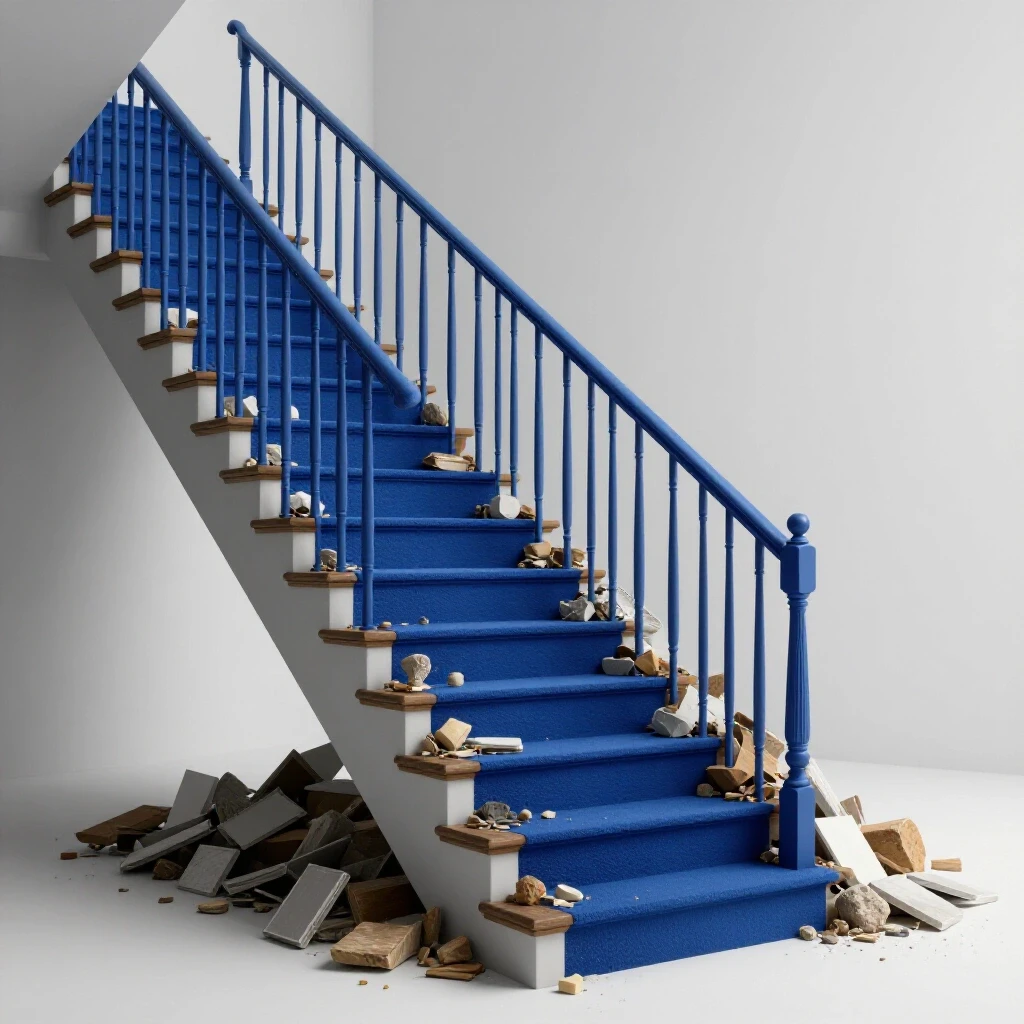
Defining the Scope of Your Interior Stairway Refinement
The scope of work for a stairway project involves identifying which visible components—such as treads, risers, balusters, and handrails—will be replaced or refinished. This stage requires a clear understanding of how the new materials will integrate with existing flooring and the overall aesthetic of the home to avoid visual mismatches.
When you begin your home remodeling tips research, you must first define the “why” behind the change. Are you looking for a modern look with iron spindles, or are you trying to solve the problem of worn-out carpet? In my second personal renovation, I made the mistake of focusing only on the “look” of dark-stained oak without considering how much dust it would show. A scope document should list every single surface. This includes the treads (the horizontal part you step on) and the risers (the vertical part between steps).
Defining the scope also means looking at the transitions. If you are updating your kitchen remodel budget to include the nearby stairs, you need to ensure the wood species match. Using RSMeans data, we can see that material costs vary significantly between standard pine and premium white oak. Failing to account for these material differences early in the construction sequencing can lead to a staircase that looks like an afterthought rather than a central feature.
- Treads: The horizontal surface of a step.
- Risers: The vertical face of a step.
- Balusters: The vertical guards (spindles) supporting the handrail.
- Newel Post: The primary vertical post at the start or turn of a staircase.
Material Durability and Post-Occupancy Wear Patterns
Material durability refers to how well a chosen finish or wood species stands up to daily foot traffic, pet claws, and cleaning routines over time. Selecting materials based on their hardness and finish resilience is essential for preventing premature wear and the need for costly refinishing within the first two years.
In my professional experience, the biggest regrets homeowners have come from choosing “form over function.” We often see beautiful, high-gloss finishes in magazines, but in a real home, these become magnets for scratches. For example, a “Level 1” economy pine tread might save money upfront, but it will show every heel mark and dropped toy. Using a “Level 3” custom hardwood like hickory or white oak provides a much denser surface that resists denting.
I once managed a project where the homeowner insisted on a white-painted riser paired with a very dark tread. Within six months, the white risers were covered in black scuff marks from shoes. This is a classic example of an aesthetic mismatch that creates a maintenance nightmare. When planning your residential renovation planning, consider the “scuff factor.”
| Material Type | Durability Rating (1-10) | Maintenance Frequency | Typical Wear Pattern |
|---|---|---|---|
| Pre-finished Oak | 9 | Low | Minor surface scratches |
| Painted Pine | 4 | High | Scuffs, chipping, and dents |
| Carpet Runner | 6 | Medium | Crushing and staining in center |
| Wrought Iron | 10 | Very Low | Minimal to no visible wear |
The Financial Impact of Material Selections
Forecasting the cost of a stairway update involves more than just buying wood; it includes the price of finishes, specialized hardware, and the potential for waste during the cutting process. Using standardized cost data helps homeowners set a realistic contingency fund to cover the inevitable “surprises” found under old carpet.
When looking at a contractor management guide, most people forget to account for “waste factors.” For staircases, you should typically add 15-20% to your material order to account for complex cuts and grain matching. If you are using RSMeans-derived cost estimations, you will find that the gap between “off-the-shelf” parts and “custom-milled” parts can be as much as 300%.
In one of my personal projects, I discovered that the previous owners had used a heavy adhesive to glue down carpet. Removing that glue damaged the wood underneath so badly that we had to replace the treads entirely instead of just sanding them. This is why I always recommend a 20% contingency buffer for any project involving the removal of old finishes.
- Economy Grade: $40 – $60 per step (Materials only).
- Mid-Range Grade: $80 – $120 per step (Materials only).
- Premium Grade: $200+ per step (Materials only).
Strategic Construction Sequencing for Finishing
Construction sequencing is the logical order in which tasks are performed to ensure that one phase does not damage the work of another. For stairways, this usually means deciding whether to stain and seal components before they are installed or after the heavy construction is finished.
One of my most significant professional “lessons learned” involved a whole-house remodel where the stairs were finished too early. The painters did a beautiful job on the oak treads, but then the HVAC subcontractors spent three weeks walking up and down those steps with heavy boots and tools. Even with protective cardboard, the finish was ruined.
Building on this, the ideal sequence is to perform all “dirty” work—like sanding and fitting—early on, but save the final topcoat for the very end of the project. If you are managing your own remodel, ensure your schedule includes a “protection phase” where the stairs are strictly off-limits or heavily padded during other installations.
- Demolition: Remove old carpet, staples, and damaged trim.
- Preparation: Sand existing wood and fill holes.
- Dry Fitting: Cut and place new treads or balusters without glue.
- Initial Finish: Apply stain and first coat of sealer off-site if possible.
- Installation: Secure components into place.
- Final Finish: Apply the last protective coat after all other trades have left.
Why Aesthetic Mismatches Cause Long-Term Dissatisfaction
An aesthetic mismatch occurs when the style, color, or texture of the staircase does not align with the surrounding flooring or architectural details of the home. This often results from choosing materials in isolation rather than viewing the staircase as a transitional element between different living zones.
Interestingly, the human eye is very sensitive to slight variations in wood stain. If your downstairs has “honey oak” floors and you choose “golden oak” for the stairs, the difference will look like a mistake rather than a choice. I have seen homeowners spend thousands on a “modern” cable railing system that completely clashed with their traditional crown molding and farmhouse-style kitchen.
To avoid this, I suggest creating a “material board” that stays on-site. Place a sample of your new tread material directly against your existing flooring in different lighting conditions. As a result of this simple step, you can identify if the undertones of the wood (red, yellow, or gray) will fight each other once the project is complete.
Safety Modifications and Ergonomic Realities
Safety modifications in a stairway update focus on the “grip” of the handrail and the “slip resistance” of the tread surface. These choices are vital because a staircase that looks beautiful but feels dangerous will ultimately be a source of anxiety for the occupants.
Many homeowners regret choosing ultra-smooth, high-gloss finishes on their treads. While they look like a mirror, they are incredibly slippery, especially if you walk in socks. In my own home, I eventually had to add a clear anti-slip grit to the final poly coat because my kids kept slipping. It didn’t ruin the look, but it was a step I could have avoided with better planning.
Another common regret involves the handrail profile. A “bread loaf” style rail is easy to grip, but some modern, square-edged rails are actually quite uncomfortable to hold. Before you finalize your order, go to a showroom and actually wrap your hand around the rail. If it feels too wide or too sharp, it will be a daily annoyance.
- Traction: Consider a satin or matte finish to reduce slipperiness.
- Grip: Ensure the handrail is easy to grasp firmly.
- Lighting: Plan for adequate visibility of each step edge.
Managing the “Surprise” Factors in Older Homes
Hidden surprises in remodeling refer to issues discovered only after the demolition of old materials, such as rot under a leaking window near the landing or previous DIY repairs that were not done correctly. These issues can stall a project and require immediate adjustments to the budget and timeline.
During a remodel of a 1940s home, I pulled up the carpet on the stairs and found that the original treads were actually three different types of wood. Someone had patched the stairs over the decades with whatever was laying around. This structural discovery meant we couldn’t just “refinish” the wood as planned; we had to pull everything back to the stringers.
As a result, I now tell every homeowner to expect the unexpected once the “skin” of the staircase is removed. This is where your structural inspection checklists come in handy. Look for signs of “bounce” in the steps or squeaks that indicate the underlying wood has dried out or pulled away from the supports. Fixing these issues while the stairs are “naked” is much cheaper than trying to fix them after the new wood is installed.
Post-Occupancy Evaluation: The 12-Month Check-In
A post-occupancy evaluation is a review conducted several months after a project is finished to see how the materials are performing in real-world conditions. This process helps homeowners identify if their choices met their original goals or if certain elements are failing prematurely.
After one year, look closely at the “nose” of the treads (the front edge). This is where the most wear occurs. If you see the stain wearing off, your sealer wasn’t strong enough. Also, check the balusters. Do they feel loose? High-traffic stairs naturally vibrate, and if the joinery wasn’t tight, you’ll start to feel the “wobble” within the first year.
In my experience, the most common 12-month regret is the color of the carpet runner. Many people choose a light gray or beige for the “clean” look, only to find a dark “path” forming down the center where people walk. If I could do my first renovation over again, I would have chosen a patterned runner with multiple colors to hide the inevitable wear and tear of a busy household.
Practical Tools for Stairway Project Oversight
Managing a stairway update requires specific tools to track progress and ensure the materials being installed match the ones you paid for. These resources help keep the project on track and provide a paper trail in case of disputes.
- Digital Angle Finder: Useful for verifying that your new handrails and trim pieces are being cut to the correct angles.
- Moisture Meter: Essential if you are installing new hardwood; the wood must “acclimate” to your home’s humidity or it will warp after installation.
- Project Management App: Use tools like CoConstruct or even a simple Trello board to store photos of material tags and finish cans.
- Lien Waiver Template: Always get a signed waiver from your material supplier to prove they have been paid by your contractor.
- Grain Matching Guide: A visual reference to ensure the installer is placing the wood planks in a way that looks natural and cohesive.
Conclusion and Immediate Next Steps
Updating your staircase is a high-impact project that requires a balance of aesthetic vision and practical durability. To avoid the regrets many homeowners face, start by ordering physical samples of your wood, stain, and railing materials. Place them in your hallway for a week to see how they look in morning and evening light.
Next, conduct a “squeak test.” Walk slowly up and down your current stairs and mark every noisy spot with blue painter’s tape. This gives you a clear map of what needs to be tightened or repaired before the new finishes go on. Finally, review your budget and ensure you have that 20% cushion. By focusing on the “wear and tear” reality rather than just the “magazine” look, you will create a staircase that remains a source of pride rather than a maintenance burden.
Frequently Asked Questions
Why does my dark-stained staircase always look dirty?
Dark stains show dust, pet hair, and salt (in winter) much more prominently than mid-tone or natural wood. The high contrast between the dark surface and light-colored debris makes every speck visible. If you choose a dark finish, expect to dust or vacuum the treads several times a week to maintain that “clean” look.
Is it better to paint or stain the risers?
This depends on your lifestyle. Painted risers (especially white) offer a classic look but show scuff marks from shoes almost immediately. Stained risers are much more forgiving and hide dirt and kicks better. If you go with paint, use a high-quality semi-gloss or “scuff-resistant” enamel to make cleaning easier.
How do I stop my new wooden stairs from being slippery?
You can apply a clear anti-slip additive to the final coat of polyurethane. These are fine, transparent granules that provide grip without changing the color of the wood. Alternatively, a carpet runner provides the best traction and is often the safest choice for homes with elderly residents or young children.
What is the most durable wood for staircase treads?
Hardwoods like White Oak, Hickory, and Hard Maple are the most durable options. They have high Janka hardness ratings, meaning they resist dents and scratches much better than softwoods like Pine or Fir. While more expensive upfront, they will last decades longer before needing to be sanded down and refinished.
Can I change my balusters without replacing the whole staircase?
Yes, this is a common “refresh” project. You can often replace old wooden spindles with modern iron balusters. However, the holes in the handrail and the treads may need to be adjusted or filled and re-drilled, which can be time-consuming and requires precision to ensure the new balusters are perfectly vertical.
How long should I wait to walk on newly finished stairs?
Most oil-based polyurethanes require 24 hours of drying time before light foot traffic (in socks only) and up to 72 hours before shoes or pets should be allowed. Water-based finishes dry faster, often allowing light use in 4-6 hours. Always follow the manufacturer’s specific curing timeline to avoid leaving permanent imprints in the finish.
Why are my stairs squeaking even after I replaced the treads?
Squeaks usually come from the “stringer” (the support structure) or the “riser” rubbing against the tread. If the underlying structure wasn’t tightened or glued during the update, the new wood will still move and rub against the old frame. It is vital to secure the sub-structure with screws and construction adhesive before the finish wood is applied.
Should I choose a carpet runner or bare wood?
Bare wood is easier to clean and better for allergies, but it is louder and more slippery. A carpet runner provides sound dampening and safety but will eventually show a “wear path” and trap allergens. Many homeowners choose bare wood for the look and then add a runner later if the noise or slip factor becomes an issue.
How do I match my stairs to my new luxury vinyl plank (LVP) flooring?
Most LVP manufacturers sell matching “stair noses” and tread covers. However, these are often made of different materials than the planks and may have a slightly different sheen. Always buy one sample tread and place it against your flooring before committing to the full order to ensure the match is acceptable to you.
What is the biggest mistake people make when choosing a handrail?
Choosing a handrail that is too wide or has sharp edges is a major regret. A handrail must be “graspable,” meaning your fingers should be able to wrap around it comfortably. Oversized, custom-milled rails might look impressive, but they fail the primary goal of providing a secure grip during a slip or fall.
(This article was written by one of our staff writers, David Langford. Visit our Meet the Team page to learn more about the author and their expertise.)