Why Your Chair Keeps Failing: How to Choose Durable Furniture (Guide)

The gray drizzle outside my window today reminds me of how quickly the seasons of a home can shift. On a morning like this, you want to curl up in a favorite spot with a book, but all too often, that spot doesn’t hold up the way we hoped it would. During my fifteen years as a retail merchandising manager, I saw thousands of products come and go, but the most telling data didn’t come from sales reports. It came from the return desk and the long-term satisfaction surveys. I learned that what looks beautiful under bright showroom lights often fails the “three-year test” of real family life.
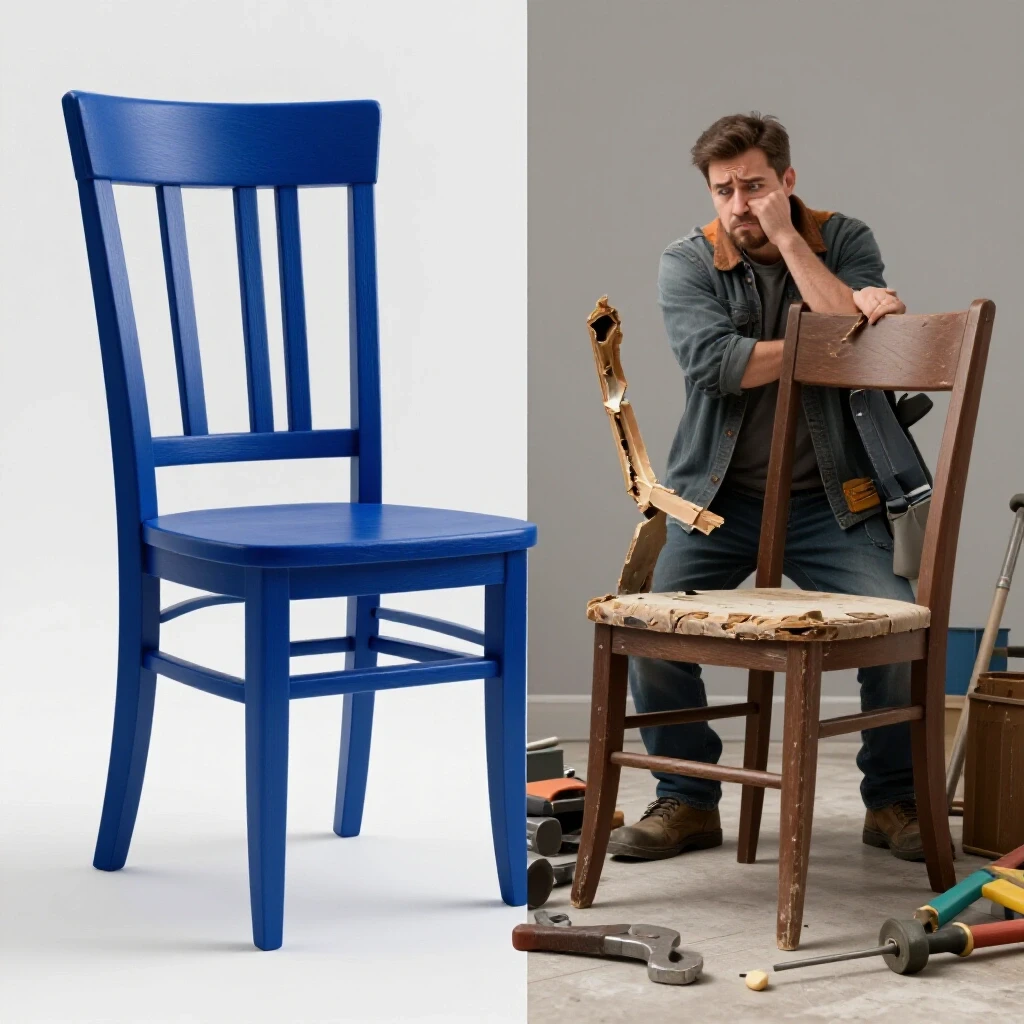
I remember a specific armchair I once bought for my own living room. It was a stunning piece with a deep seat and trendy velvet fabric. On day one, it was the star of the room. By day one thousand, the frame creaked, the fabric was bald in patches, and nobody wanted to sit in it. I had fallen into the trap of choosing immediate visual appeal over structural durability. Understanding why we keep replacing the same types of furniture is the first step toward creating a home that stays functional and beautiful for a decade, not just a season.
The Environmental Psychology of Living Spaces
Environmental psychology explores how our physical surroundings influence our moods, stress levels, and daily behaviors. In a home setting, this means looking at how furniture placement and comfort levels affect how a family interacts. When a room is designed well, it supports natural movement and relaxation without causing frustration or physical discomfort over time.
Behavioral Mapping for Better Seating Choices
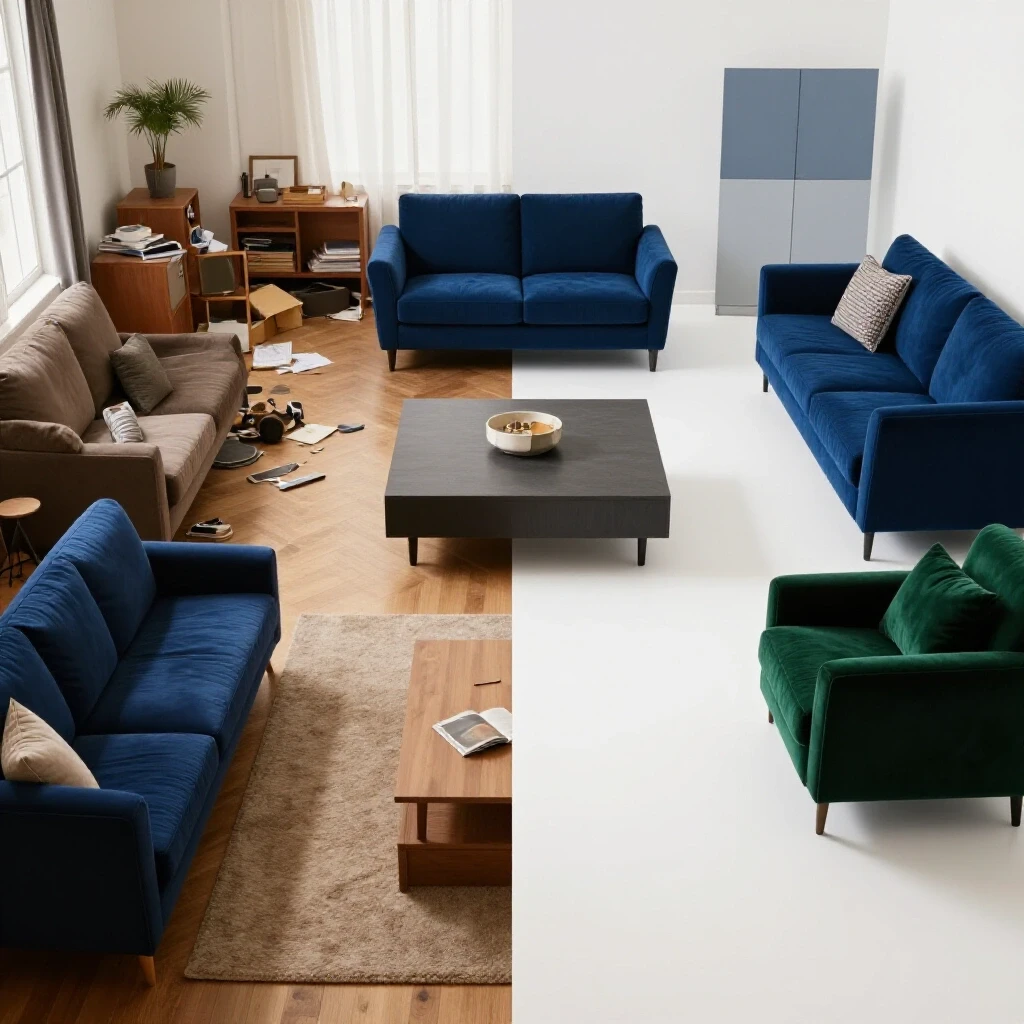
Behavioral mapping is the practice of observing how people actually use a space versus how we imagine they will use it. It involves tracking foot traffic and identifying which seats are used for lounging, working, or quick transitions. By understanding these patterns, we can place higher-quality, more durable furniture in high-use zones while saving lighter pieces for low-traffic corners.
When I analyzed floor plans for retail displays, we looked at “dwell time”—how long a customer stayed in one spot. You can do the same at home. If you notice your family avoids a certain chair, it is likely because the seat height is wrong or the cushion has lost its support. Longitudinal studies on user satisfaction show that “visual comfort” (how a chair looks) only sustains happiness for a few weeks. “Physical comfort” and “ease of use” are what drive long-term satisfaction.
Before buying a new piece, track your family’s habits for a week. Do you eat on the sofa? Does the dog sleep on the armchair? This data tells you exactly what level of durability you need. It prevents the cycle of buying “pretty” things that eventually become cluttered obstacles because they aren’t comfortable enough to actually use.
Structural Durability and Furniture Construction
Structural durability refers to the internal build quality of a piece of furniture, which determines how well it will hold weight and resist wear. It focuses on the materials used for the frame and the methods used to connect those materials. A piece with high structural integrity will not wobble, creak, or sag even after years of heavy use.
Evaluating Frame Materials and Joinery
Frame materials are the skeleton of your furniture, and joinery is how those bones are held together. For a chair or sofa to last, the frame should be made of kiln-dried hardwood like oak, maple, or ash. Kiln-drying removes moisture from the wood, which prevents it from warping or cracking as the humidity in your home changes throughout the year.
Joinery is equally important. In my experience, the chairs that fail most quickly are those held together only with staples, glue, or simple screws. These fasteners pull loose under the constant “rack and sway” of someone sitting down and standing up. Look for traditional joinery methods that provide much more stability:
- Mortise and Tenon: A protruding “tenon” fits into a carved “mortise” hole, creating a very strong bond.
- Dowel Joints: Wooden pegs are inserted into holes in both pieces of wood.
- Corner Blocks: Extra pieces of wood screwed into the corners of the frame to prevent the legs from wobbling.
If you can lift one corner of a chair and the whole frame feels stiff and heavy, it likely has good bones. If it twists or feels light and hollow, it is a candidate for early failure.
Selecting Fabrics for Long-Term Home Livability
Fabric selection for practical interior design involves choosing textiles that can withstand friction, spills, and sunlight. It is a balance between the “hand” (how the fabric feels) and its technical performance rating. Choosing the wrong fabric is the leading cause of furniture looking “old” long before the frame actually wears out.
Understanding Performance Metrics and Rub Counts
The most reliable way to judge a fabric’s durability is the Wyzenbeek method, which measures “double rubs.” A machine rubs a piece of cotton duck fabric back and forth over the test fabric until it shows signs of wear. For a family home, you should look for fabrics rated for “heavy-duty” use.
| Use Case | Double Rub Count (Wyzenbeek) | Best Fabric Types |
|---|---|---|
| Decorative/Occasional | 9,000 – 15,000 | Silk, Rayon, Fine Linens |
| Medium/Daily Use | 15,000 – 30,000 | Cotton Blends, Polyester |
| Heavy Duty (Kids/Pets) | 30,000 – 50,000+ | Solution-Dyed Acrylic, Performance Velvets |
| Extreme Wear | 50,000+ | Microfibers, Crypton-treated fabrics |
Beyond rub counts, consider the “cleaning code.” Fabrics marked with “W” can be cleaned with water-based cleaners, which is much easier for families than “S” (solvent-based) or “X” (vacuum only). I once kept a beautiful linen chair that was “X” code only; it lasted exactly three months before a spilled juice box ruined it forever. Performance fabrics have come a long way, offering the look of natural fibers with the durability of industrial textiles.
Practical Room Layouts and Spatial Budgeting
Spatial budgeting is the process of allocating square footage to furniture and walking paths to ensure a room feels open and functional. It involves calculating the “footprint” of a piece and the “clearance” required to move around it. A room with poor spatial budgeting feels cluttered and makes daily tasks like vacuuming or walking through the house frustrating.
Creating Functional Clearance Paths
A clearance path is the empty space around a piece of furniture that allows for comfortable movement. If a chair is too large for its spot, people will bump into it, leading to faster wear on the fabric and potential damage to the walls. In my years of analyzing functional room layouts, I found that the “36-inch rule” is the gold standard for main walkways.
- Main Traffic Paths: Maintain 36 inches of width to allow two people to pass or for easy movement.
- Between Seating and Coffee Tables: Aim for 14 to 18 inches. This is close enough to reach a drink but far enough to stretch your legs.
- Behind Seating: If a chair is placed in front of a walkway, leave at least 30 inches behind it so someone can pass even if the chair is occupied.
When you are at the store, a chair might look small. Always bring a tape measure and mark the dimensions on your floor at home using painter’s tape. This simple step reveals if a piece will actually fit or if it will become a “bruise-maker” in your daily life.
Integrating Color and Light for Visual Longevity
Color and light integration focuses on how paint and fabric colors interact with the natural and artificial light in a room. This concept uses Light Reflectance Value (LRV) to predict how bright or dark a color will appear once it is on the walls. Choosing colors based on long-term livability means selecting tones that hide minor wear and don’t feel dated as trends shift.
Using Light Reflectance Values in Design
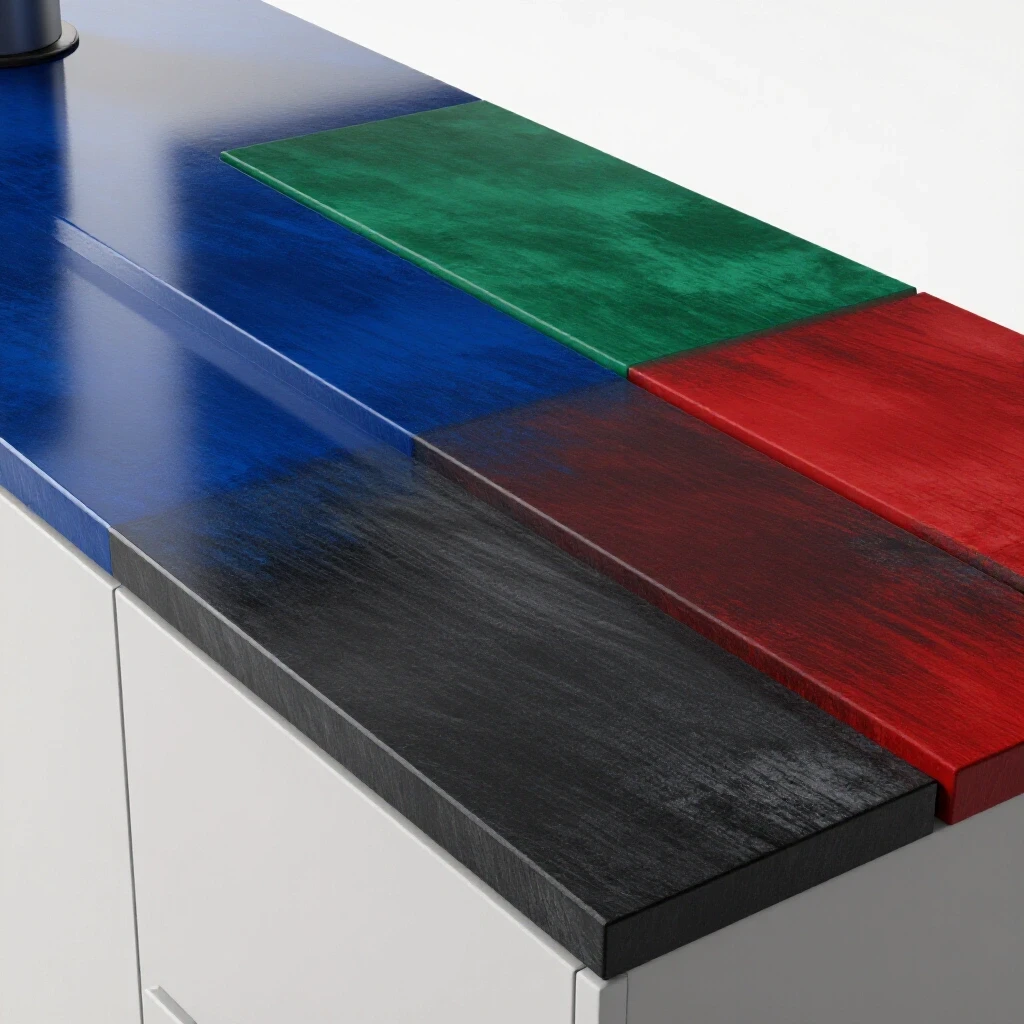
LRV is a scale from 0 (absolute black) to 100 (pure white) that tells you how much light a color reflects. If you place a dark, low-LRV chair in a room with very little natural light, it can look like a “black hole” in the corner, losing all its beautiful detail. Conversely, a high-LRV white chair in a sunny room will show every speck of dust and every pet hair.
For durable home decor, I recommend staying in the “middle-ground” LRV range (between 40 and 60) for large furniture pieces. These mid-tones are excellent at hiding shadows from fabric pilling or slight staining. Use your wall paint to balance the room. If your seating is dark, use a higher LRV paint (65-75) to keep the room feeling airy. This balance prevents the “visual fatigue” that often leads people to repaint or replace furniture every few years just to change the “feel” of the room.
A Practical Guide to Auditing Your Home Decor
A home decor audit is a systematic review of your current furniture and layout to identify what is working and what is failing. It involves checking for physical wear, assessing comfort, and measuring how well each piece serves your current lifestyle. This audit helps you stop making the same mistakes and start investing in pieces that truly last.
Steps for a Multi-Year Livability Audit
- The “Wobble Test”: Sit in every chair and move side to side. Any creak or sway indicates a failing joint that will eventually break.
- The “Cushion Check”: Remove the covers if possible. If the foam is crumbling or has lost its “spring-back,” it can often be replaced for much less than the cost of a new chair.
- The “Pathway Scan”: Walk through your room in the dark. If you have to turn sideways to get past a piece of furniture, the layout is failing your spatial budget.
- The “Fabric Feel”: Run your hand over the arms and headrests. If the fabric feels rough or “pilly,” it likely has a low rub count and will continue to degrade.
- The “Utility Question”: Ask yourself, “When was the last time someone sat here for more than 20 minutes?” If the answer is “never,” the piece is failing its behavioral map.
By performing this audit every year, you can catch small issues before they become expensive failures. It allows you to transition from a “disposable” decorating mindset to one focused on long-term home livability.
Building a Home That Lasts
Designing a home is not a one-time event; it is an ongoing process of refinement. The furniture we choose should be our partners in daily life, supporting our need for rest and our family’s need for activity. By looking past the initial aesthetic appeal and focusing on structural standards, fabric performance, and spatial flow, we can break the cycle of recurring furniture failures.
The next time you are tempted by a trendy piece of decor, remember the rain on the window. Think about how that piece will feel on a gray Tuesday three years from now. If the joints are strong, the fabric is tough, and the size fits your life, it will be a piece you keep—not because you have to, but because it truly works.
Frequently Asked Questions
Why do my chair cushions always sag after just a year? Cushion sagging usually happens because the internal foam has a low “density” rating. In retail, many entry-level chairs use foam with a density of 1.5 lbs per cubic foot or lower. For seating that lasts, look for “High Resiliency” (HR) foam with a density of at least 2.0 to 2.5 lbs. This foam has a different cell structure that allows it to bounce back to its original shape for many years.
How can I tell if a chair is high-quality if I am shopping online? When shopping online, look specifically for keywords like “kiln-dried,” “solid hardwood frame,” and “corner-blocked.” Check the product weight; heavier chairs often indicate solid wood frames rather than plywood or particleboard. Read the specifications for the “Wyzenbeek” or “Martindale” rub count. If the description only mentions “modern style” or “soft fabric” without technical specs, it may be a sign of lower build quality.
What is the best fabric for a home with both cats and young children? The best choice is typically a “performance” fabric made from 100% solution-dyed acrylic or polyester micro-velvet. These fabrics are resistant to staining and, more importantly, have a tight weave that resists “snagging” from cat claws. Avoid loose weaves like tweed or heavy linens, as these are magnets for pet hair and can be easily unraveled by curious pets and kids.
Is a “solid wood” frame always better than plywood? Not necessarily. High-quality “furniture-grade” plywood (which has 7 to 13 layers of wood glued together) can actually be stronger and more warp-resistant than some solid woods. The key is to avoid “particleboard,” “MDF,” or “pressed wood,” which are made of sawdust and glue. These materials cannot hold screws or staples securely over time and will eventually crumble at the joints.
How much space do I really need between my sofa and the coffee table? The standard range is 14 to 18 inches. This provides enough room for your legs to move comfortably while keeping the table within easy reach for a drink or a book. If you have very tall family members, lean toward 18 inches. If the space is a high-traffic walkway, you may need to choose a smaller coffee table to maintain a wider 36-inch path around the entire seating group.
Does a high price tag always mean a chair will last longer? Price is often an indicator of quality, but it is not a guarantee. You are sometimes paying for a brand name or a specific designer’s aesthetic rather than the materials. Always verify the “bones” of the piece—the joinery, frame material, and fabric rub count—regardless of the price. A mid-priced chair with mortise and tenon joints will almost always outlast an expensive designer chair held together with glue and staples.
What is the “Double Rub” count I should look for in a family room chair? For a chair that is used every day by multiple people, aim for at least 30,000 double rubs. If you have pets that jump on the furniture or kids who use the chairs as “forts,” 50,000 double rubs or higher is even better. This ensures the fabric won’t thin out or develop holes in high-friction areas like the seat and armrests.
How can I fix a chair that has started to wobble? If the chair has a wooden frame, you can often reinforce the joints by adding metal “L-brackets” or “corner braces” to the underside of the frame. You can also drill small holes and insert wood screws (after applying wood glue) into the loose joints. However, if the wood itself has split or the frame is made of particleboard, a permanent repair is much more difficult, which is why starting with a solid frame is so important.
What are the signs that a chair’s “visual weight” is too heavy for a room? A piece has too much visual weight if it makes the room feel “lopsided” or cramped, even if there is technically enough floor space. Signs include the chair blocking the view of a window, the color being significantly darker than everything else in the room, or the piece having very thick, “chunky” arms and a solid base that goes all the way to the floor. To reduce visual weight, look for chairs with legs that lift the piece off the ground, allowing you to see the floor underneath.
How do I know if a chair’s height is right for my existing table or desk? The standard “gap” between the seat of a chair and the underside of a table or desk should be about 10 to 12 inches. This allows for comfortable legroom without feeling like the table is too high. Always measure from the top of the seat cushion (when it is slightly compressed) to the lowest point of the table’s “apron” (the wood frame under the tabletop).
(This article was written by one of our staff writers, James Whitaker. Visit our Meet the Team page to learn more about the author and their expertise.)