How to Choose a Simple Color Palette for a Cohesive Room (Guide)

Cleaning a room with a complex color scheme often feels like a chore that never ends. When a space is filled with too many competing hues and patterns, every speck of dust or misplaced toy seems to amplify the visual noise. During my fifteen years as a retail merchandising manager, I spent my days analyzing how customers moved through spaces and how quickly certain displays looked worn out. I soon realized that the same principles apply to our homes. A room that feels chaotic is often harder to maintain because the eye has no place to rest, making even a clean floor feel cluttered.
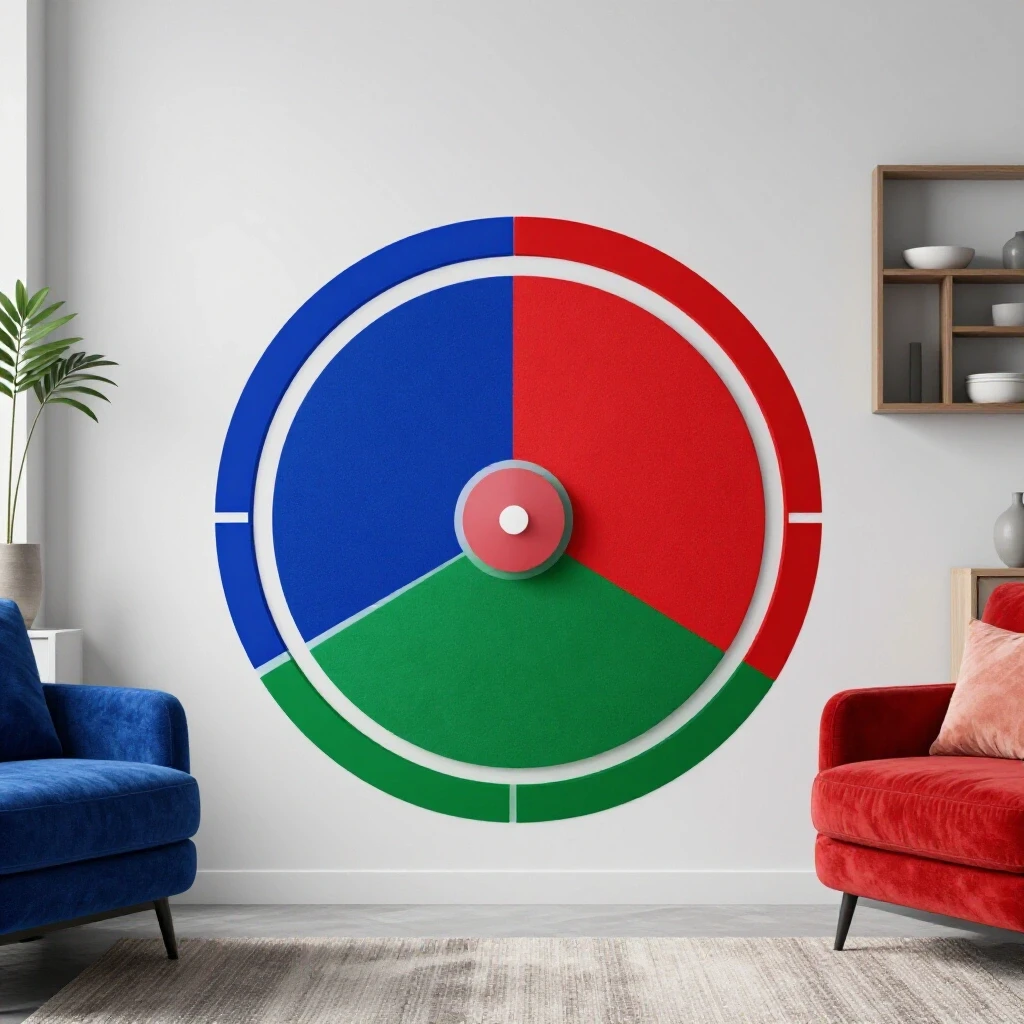
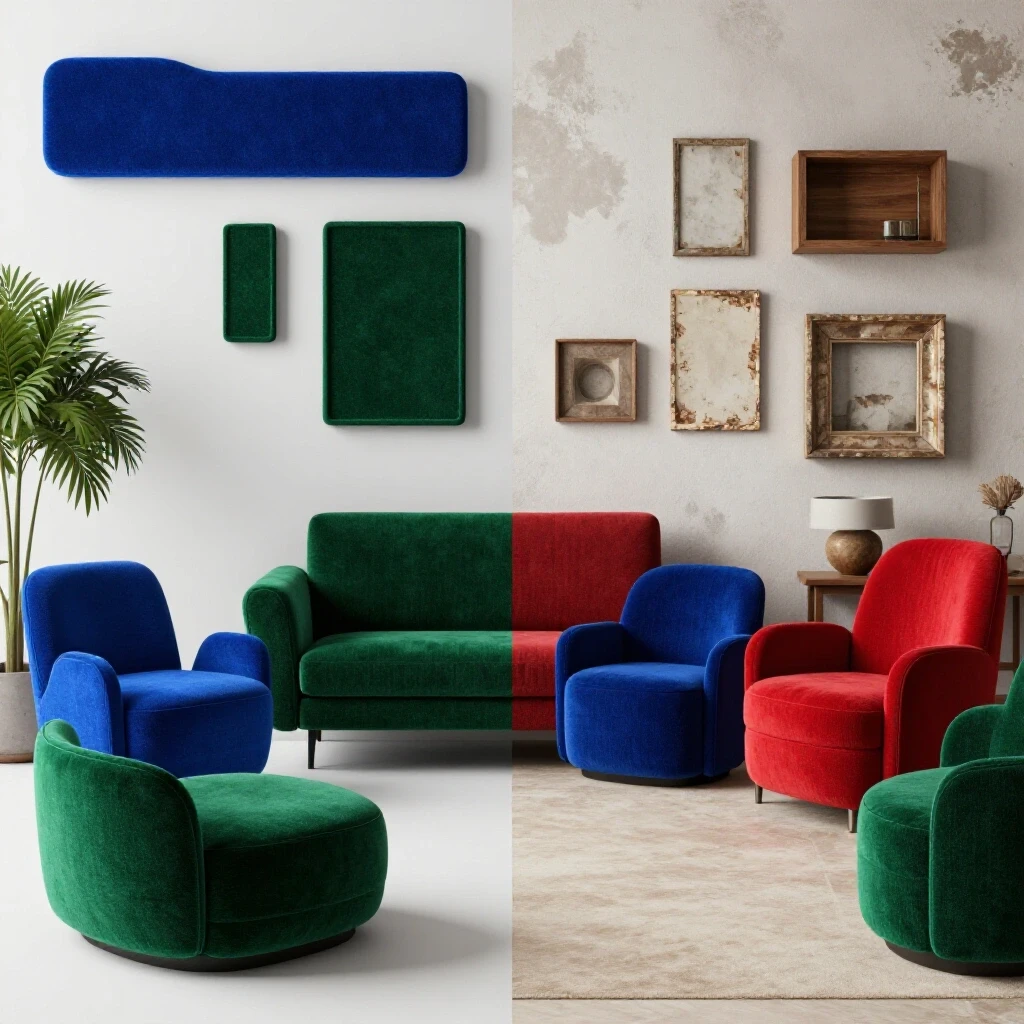
In my first family home, I made the mistake of choosing a different bold color for every wall and accent piece. It looked energetic on day one, but by day one hundred, the visual fatigue was real. I found that the most durable and livable spaces aren’t those that follow the latest vibrant trends, but those that use a restrained palette to support daily life. This approach doesn’t just make the room look better; it changes how you interact with your furniture and how much time you spend tidying up.
Understanding the Impact of Visual Clutter on Home Utility
Visual clutter occurs when too many competing colors, textures, and objects overwhelm the eye’s ability to process a space. This often leads to a feeling of restlessness and can make even large rooms feel cramped and disorganized. Reducing this sensory input allows the functional elements of a room to shine.
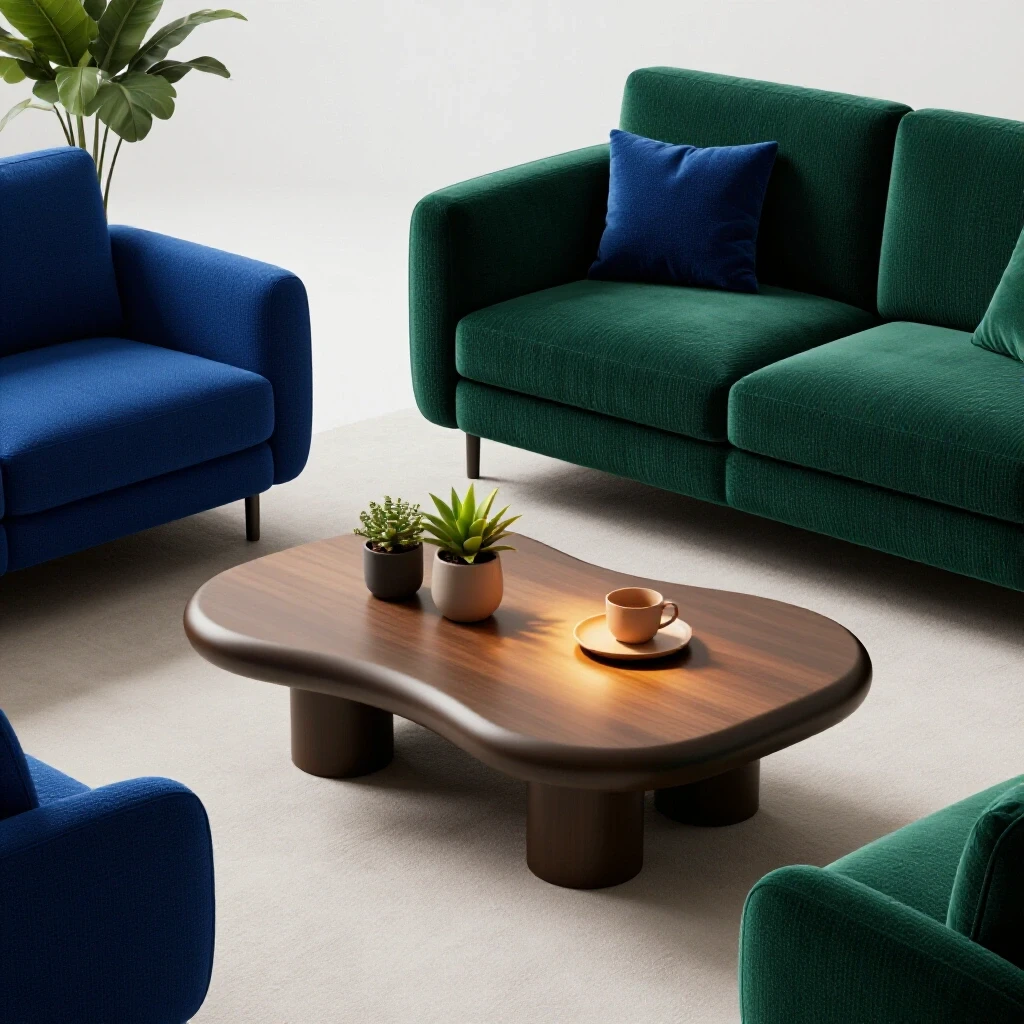
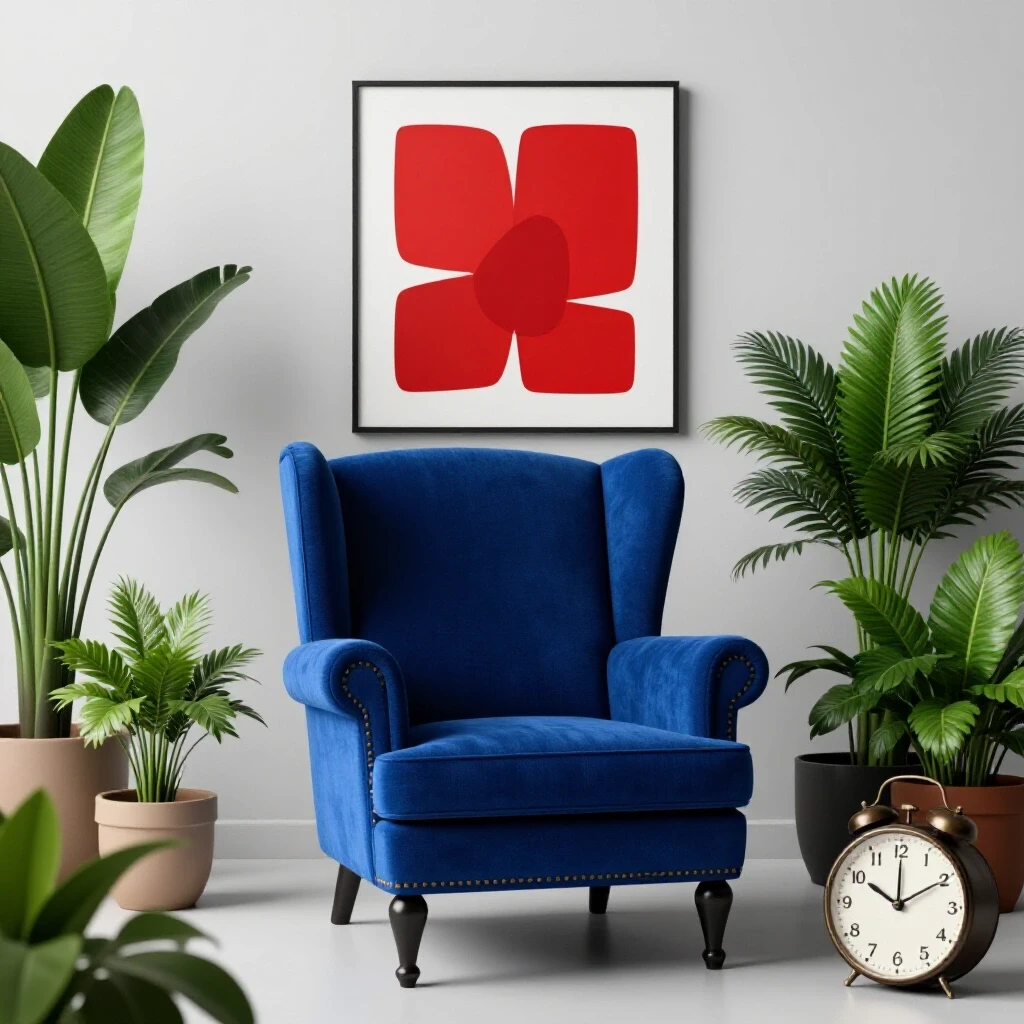
In my experience, a room with an excessive number of colors creates a “fragmented” environment. When every wall or piece of furniture is a different shade, the room feels like a collection of separate parts rather than a cohesive whole. This makes it difficult to arrange furniture in a way that feels natural. For example, a bright red armchair might look great in a showroom, but when placed against a teal wall next to a yellow rug, it creates a visual barrier that makes the room feel smaller than it actually is.
When I evaluate a room for long-term livability, I look at how the colors affect the perceived “weight” of the furniture. Dark, heavy colors can make a small room feel oppressive, while too many bright colors can make a space feel “nervous.” A simplified palette helps to ground the room. It allows you to focus on the quality of your materials and the efficiency of your layout, rather than constantly trying to balance clashing tones.
Why High-Traffic Pathways Fail and How to Calculate True Clearance
Pathway clearance refers to the specific measurements required for comfortable movement between furniture and architectural features. Maintaining these gaps prevents a room from feeling cramped and reduces physical wear on furniture edges. Accurate clearance planning is the first step in creating a space that handles the daily traffic of a busy family.
One of the most common mistakes I saw in retail, and later in my own home, was crowding the walking paths. If you have to turn your shoulders to walk past a coffee table, the layout is failing you. For a room to be truly functional, you need to respect the “spatial budget” of the area. This means prioritizing movement over additional decor pieces.
- Main Walkways: These should be at least 36 inches wide. This allows two people to pass each other or someone to carry a laundry basket without bumping into walls.
- Between Seating and Coffee Tables: A gap of 16 to 18 inches is the standard. This is close enough to reach a drink but far enough to let your legs move freely.
- Behind Dining Chairs: You need at least 36 inches from the table edge to the wall to allow someone to get up while others are still seated.
When a room has too many colors, these pathways often become obscured. We tend to add more “stuff” to try and bridge the gap between clashing colors, which further eats into our walking space. By simplifying the color scheme, the floor remains open, and the pathways become clear and intuitive.
Evaluating Material Durability for Long-Term Use
Material durability is the ability of a fabric or surface to withstand repeated use, cleaning, and environmental factors over several years. Choosing the right materials involves looking past the initial appearance to understand the technical specifications of the product. This ensures your decorating decisions remain functional for the long haul.
In the world of professional merchandising, we rely on the Wyzenbeek method to test fabric strength. This test involves a machine rubbing a piece of cotton duck fabric back and forth over the test fabric until it shows noticeable wear. For a family home, you want to look for “heavy-duty” ratings.
| Application Type | Wyzenbeek Double-Rub Count | Expected Lifespan in Family Home |
|---|---|---|
| Decorative/Light Use | 3,000 – 9,000 | 1-2 years (Avoid for main seating) |
| Medium Use | 9,000 – 15,000 | 3-5 years (Good for guest rooms) |
| Heavy Duty | 15,000 – 30,000 | 5-10 years (Ideal for family sofas) |
| Extra Heavy Duty | 30,000+ | 10+ years (Best for pets and kids) |
Beyond rub counts, the color of your materials plays a huge role in their longevity. I learned that very dark or very light fabrics are the hardest to keep looking new. A dark navy sofa shows every bit of lint, while a white one shows every spill. A mid-tone neutral, like a warm grey or a tan, is the most “forgiving” choice for a busy household. This is a core part of a simple palette rule: choose your largest pieces in colors that hide the realities of daily life.
Simplifying the Palette for Cohesion and Longevity
A simplified palette is a strategic selection of three to five colors that work together to create a unified look. This approach limits visual noise and makes it easier to swap out accessories as trends change. A restrained color scheme acts as a timeless backdrop for the evolving needs of a family.
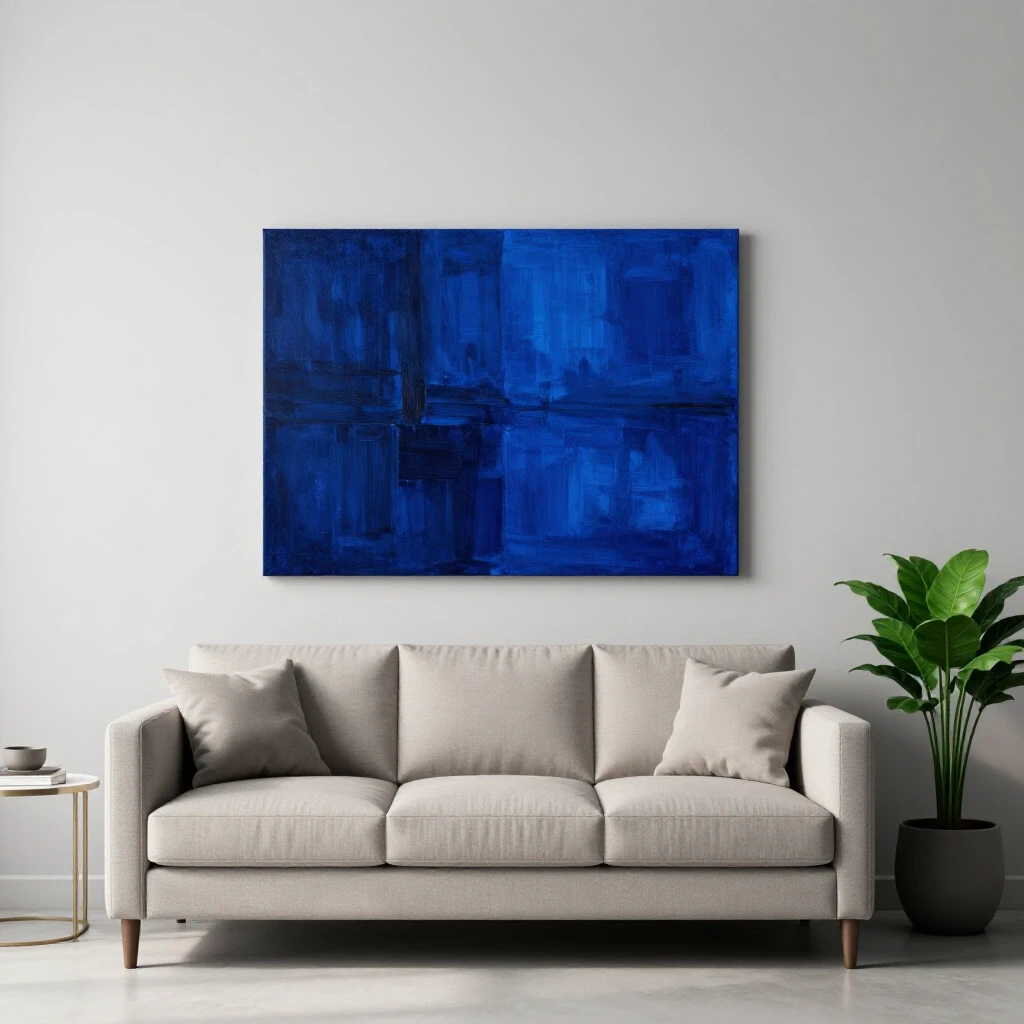
Interestingly, the most successful rooms I’ve lived in follow a 60-30-10 rule, but with a twist for durability. 60% of the room (usually the walls and rugs) should be a dominant neutral. 30% (the secondary color) is for your large furniture pieces. The final 10% is your accent color, used for pillows, art, or small decor.
The Power of Light Reflectance Value (LRV)
When selecting paint, I always check the Light Reflectance Value (LRV). This is a scale from 0 to 100 that tells you how much light a color reflects. A color with an LRV of 50 reflects 50% of the light that hits it. For a room to feel bright but not washed out, I recommend staying in the 50 to 70 LRV range.
- High LRV (70+): Makes a small, dark room feel larger but can feel “cold” if not balanced with wood tones.
- Mid-Range LRV (40-60): Provides a cozy, grounded feeling without making the room feel like a cave.
- Low LRV (Below 30): Best used for accent walls or “moody” rooms like a library, as it requires significant artificial lighting to remain functional.
Building a room around a simple palette doesn’t mean it has to be boring. It means you are being intentional. When I moved away from my “too-many-colors” phase, I started using texture to add interest instead of pigment. A chunky knit throw or a woven jute rug adds depth without adding visual “volume” that competes for your attention.
Designing Integrated Storage for Daily Function
Integrated storage refers to organizational solutions that are built into the layout of a room rather than added as an afterthought. It focuses on keeping essential items accessible while hiding the visual clutter of daily life. Well-planned storage is the “silent partner” of a successful color palette and functional layout.
A room with a simple color scheme can still look messy if there is nowhere to put the mail, the remote controls, or the kids’ shoes. In my years of managing retail floor sets, I saw that the best displays had “hidden” utility. We should treat our homes the same way.
- The Entryway Drop Zone: Every home needs a spot within three feet of the door to drop keys and bags. Use a closed-cabinet console to hide the mess.
- Multifunctional Ottomans: Instead of a traditional coffee table, use a storage ottoman in a durable fabric. It provides extra seating, a place to rest your feet, and a spot to hide blankets.
- Vertical Real Estate: Use bookshelves that go all the way to the ceiling. This draws the eye upward, making the room feel taller, and provides storage for items you don’t use every day.
The “storage-to-room ratio” is a metric I use to gauge if a room will stay clean. Ideally, 10% to 15% of your floor space should be dedicated to storage. If you have less than that, items will inevitably end up on the floor or dining table, breaking the clean lines of your simplified palette.
Long-Term Livability Audits: The 1,000-Day Test
A livability audit is a periodic review of how a room’s design is performing after the initial “honeymoon phase.” It involves assessing wear and tear, ease of cleaning, and whether the layout still meets the family’s needs. This process helps you identify which decorating decisions were successful and which need adjustment.
As a merchandising manager, I performed “floor walks” every week. At home, I do this every few months. I ask myself: “Is this chair actually comfortable for more than ten minutes?” or “Does this rug move every time the dog runs across it?” These are the questions that determine the true value of your furniture.
Aesthetic Trend vs. Functional Lifespan Index
| Design Element | Trend Lifespan | Functional Lifespan | Recommendation |
|---|---|---|---|
| Bold Patterned Wallpaper | 2-3 years | 5-7 years | Use in small areas like powder rooms. |
| Velvet Upholstery | 3-5 years | 4-6 years | Choose high-quality polyester blends for durability. |
| Neutral Toned Sectional | 10+ years | 8-12 years | Invest here; it is the anchor of your room. |
| Open Shelving | 5 years | 2-3 years | Difficult to keep clean; use sparingly for display. |
By focusing on the functional lifespan rather than the trend lifespan, you save money and frustration. A room that was designed with a simple, cohesive palette and durable materials will still look and function well long after the “color of the year” has changed.
Practical Steps for Transitioning to a Cohesive Space
Moving away from a cluttered, multi-colored environment doesn’t have to happen overnight. It is a process of editing and refining. Building on my observations of how spaces evolve, here are the steps I recommend for simplifying your home.
- Identify Your “Anchor” Piece: Find the one large item in the room you truly love—perhaps a neutral sofa or a wood dining table. This becomes the foundation for your new, limited palette.
- The Three-Color Audit: Look around the room and count the colors. If you have more than five, decide which ones can be “retired.” Usually, this means replacing colorful pillows or small decor items with ones that match your anchor piece.
- Clear the Pathways: Move your furniture to ensure you have at least 36 inches of walking space. If a piece of furniture is blocking the flow, it might be time to move it to another room or sell it.
- Test Your Fabrics: Before buying anything new, get a swatch and try to stain it. See how easy it is to clean. If it fails the “spill test,” it doesn’t belong in a high-traffic family room.
- Evaluate the Lighting: Ensure your simplified palette is supported by at least three sources of light (ambient, task, and accent). This prevents a neutral room from feeling flat.
In my own home, transitioning to a more measured approach meant saying goodbye to a few “fun” but impractical pieces. Interestingly, once those items were gone, the remaining furniture actually looked better. The room felt larger, the air felt clearer, and I spent significantly less time cleaning.
Conclusion: Balancing Beauty and Daily Life
Creating a home that balances visual appeal with multi-year livability is about making intentional choices. My journey from a room with too many colors to a simplified, functional space taught me that design is not just about what we see; it’s about how we live. By focusing on durable materials, clear pathways, and a restrained palette, you create a sanctuary that supports your family’s daily rhythm.
The goal isn’t to create a “perfect” museum-like space. Instead, it’s about choosing a layout and a color scheme that can handle the chaos of real life without adding to it. When you stop chasing every trend and start focusing on the fundamental rules of spatial flow and material strength, your home becomes a place of rest rather than a source of stress.
Frequently Asked Questions
How do I know if I have too many colors in a room?
If you walk into a room and your eyes don’t know where to land, or if the space feels “busy” even when it’s clean, you likely have too many competing hues. A good rule of thumb is to stick to 3-5 colors, including your neutrals. If you can count more than five distinct colors in your large furniture and walls, it may be time to simplify.
Can a neutral palette still feel warm and inviting for a family?
Absolutely. The key to a warm neutral room is texture and “undertones.” Instead of using different colors, use different materials like wood, wool, linen, and leather. Also, ensure your neutral paints have “warm” undertones (yellow or pink bases) rather than “cool” ones (blue or green bases) to avoid a sterile feeling.
What is the most durable fabric for a home with pets and children?
Synthetic microfibers and “performance” polyesters are generally the most durable. Look for fabrics with a Wyzenbeek rating of 30,000 double rubs or higher. These materials are engineered to resist staining and pilling, making them ideal for the heavy use that comes with family life.
How much space do I really need for a walkway?
For a primary walkway where people move frequently, 36 inches is the standard. For secondary paths, such as the space between a sofa and a side table, you can go as low as 24 inches, but anything less will make the room feel cramped and difficult to navigate.
Is an accent wall a good idea in a small room?
An accent wall can work, but in a small room, it often chops up the space and makes it feel smaller. If you want to use a bolder color, it is often better to use it on all four walls but choose a shade with a higher Light Reflectance Value (LRV) to keep the room feeling open.
How do I choose a rug size that won’t make the room look cluttered?
A rug that is too small is a common cause of visual clutter. Ideally, all the legs of your furniture should sit on the rug. At the very least, the front legs of your seating should be on it. This “anchors” the furniture and creates a cohesive “island” of space within the room.
What is Light Reflectance Value (LRV) and why does it matter?
LRV measures the percentage of light a paint color reflects. It matters because it dictates how bright or dark a room will feel regardless of your lamps. For a functional family space, an LRV between 50 and 70 is usually the “sweet spot” for a room that feels bright but still has enough color to feel cozy.
How can I add “life” to a room without adding more colors?
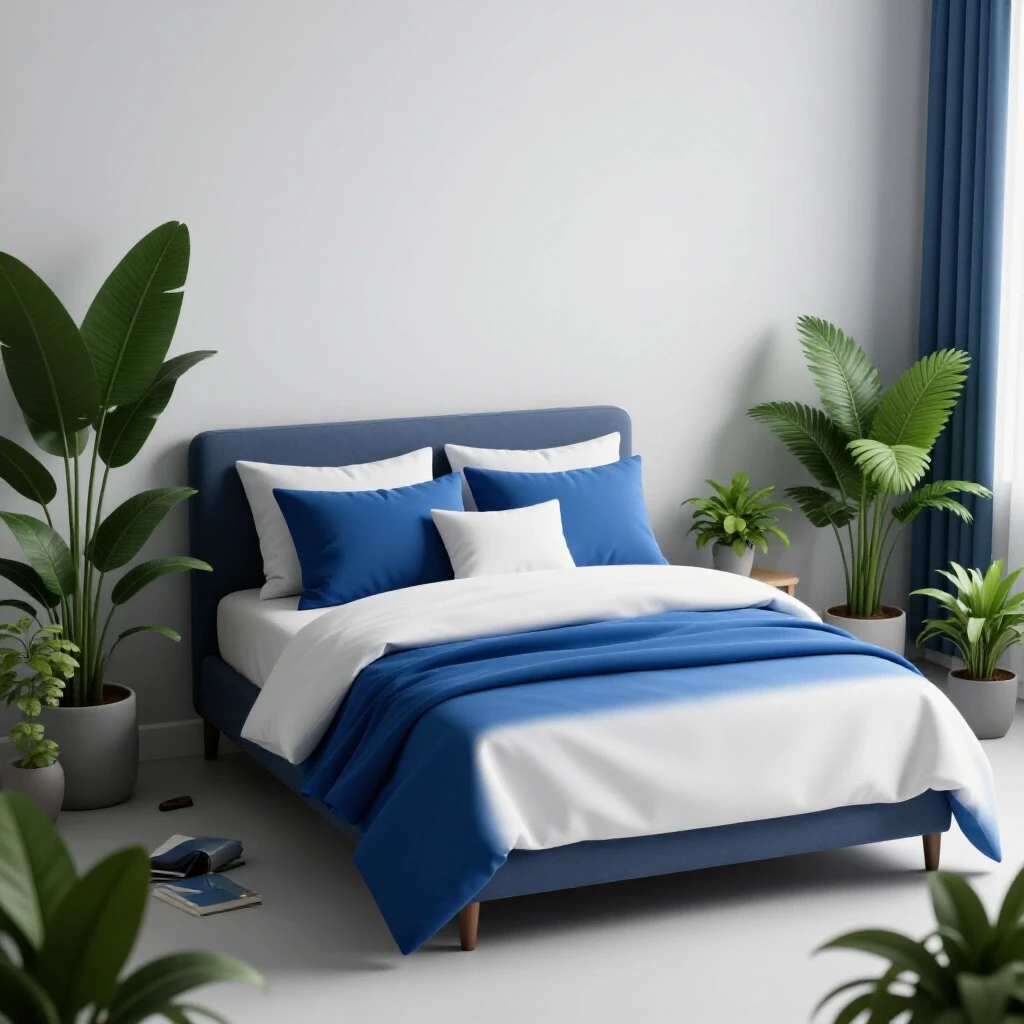
Focus on natural elements. Greenery from indoor plants, the natural grain of wood furniture, and the reflection from mirrors or glass can add a sense of life and movement to a room without breaking your simplified color palette.
What is the 60-30-10 rule in decorating?
It is a classic guideline for balancing color. 60% of the room is your dominant color (usually walls and rugs), 30% is your secondary color (upholstery), and 10% is your accent color (decor). Following this helps ensure that no single color overwhelms the space, leading to a more balanced and livable environment.
Why does my room still feel messy even after I’ve simplified the colors?
This is often a storage issue. If you don’t have enough “integrated storage” to hide daily items like mail, shoes, and toys, the room will always feel cluttered. Aim for 10-15% of your floor space to be dedicated to functional storage solutions.
(This article was written by one of our staff writers, James Whitaker. Visit our Meet the Team page to learn more about the author and their expertise.)