How to Make Your Home Feel Less Chaotic With 3 Easy Habits (Guide)

Focusing on textures is often the first step in understanding how a room truly feels. In my fifteen years as a retail merchandising manager, I learned that what looks enticing on a showroom floor often fails the “thousand-day test” in a real home. We often buy furniture based on a single moment of visual appeal, yet we live with those choices through years of spills, foot traffic, and changing needs. To create a home that feels structured and calm, we must shift our focus from temporary trends to the long-term interaction between our furniture and our daily movements.
I have spent a decade and a half observing how people interact with physical environments. In retail, if a display blocks a natural walking path, customers become frustrated and leave. The same principle applies to our living rooms. When we prioritize functional room layouts and durable home decor, we reduce the daily friction that leads to a sense of household disarray. This guide outlines how to establish three foundational design habits that promote long-term home livability.
Why Spatial Flow Dictates Daily Domestic Order
Spatial flow refers to the ease with which people move through a room without encountering physical or visual obstacles. It involves calculating clearance paths to ensure that furniture placement supports rather than hinders movement.
When I first moved into a compact suburban home, I made the mistake of choosing a large, plush sectional because it looked comfortable. Within a month, I realized it blocked the natural path from the kitchen to the sliding door. This “friction point” made the room feel cramped and disorganized, regardless of how much I cleaned. By applying retail spatial standards to my home, I learned that movement is the most important element of a calm environment.
Defining Clearance Paths and Walking Zones
Clearance paths are the designated open spaces between furniture pieces that allow for comfortable passage. These zones must be wide enough for two people to pass or for one person to move without turning sideways.
In professional merchandising, we use a “rule of thumb” for walking paths. If a path is narrower than 36 inches, it feels like a bottleneck. In a family home, these bottlenecks are where bags are dropped and tempers flare. Measuring your room before buying a single chair is the most effective way to ensure long-term satisfaction.
- Primary Pathways: These should be 36 to 42 inches wide for main traffic areas.
- Secondary Pathways: Spaces between a coffee table and a sofa can be 14 to 18 inches.
- Work Zones: In kitchens or laundry rooms, allow 42 to 48 inches between counters.
The Habit of Mapping Movement
Mapping movement is the practice of tracking where household members actually walk versus where you want them to walk. This habit allows you to place furniture in a way that respects natural human behavior.
Interestingly, longitudinal studies on environmental psychology suggest that people tend to take the shortest path between two points, known as “desire lines.” If your rug or coffee table is in the way of a desire line, the room will always feel slightly off-balance. I recommend using painter’s tape on the floor to mock up new layouts for at least forty-eight hours before committing to a furniture move.
| Space Type | Recommended Clearance | Purpose |
|---|---|---|
| Main Hallway | 36″ – 44″ | High-volume transit |
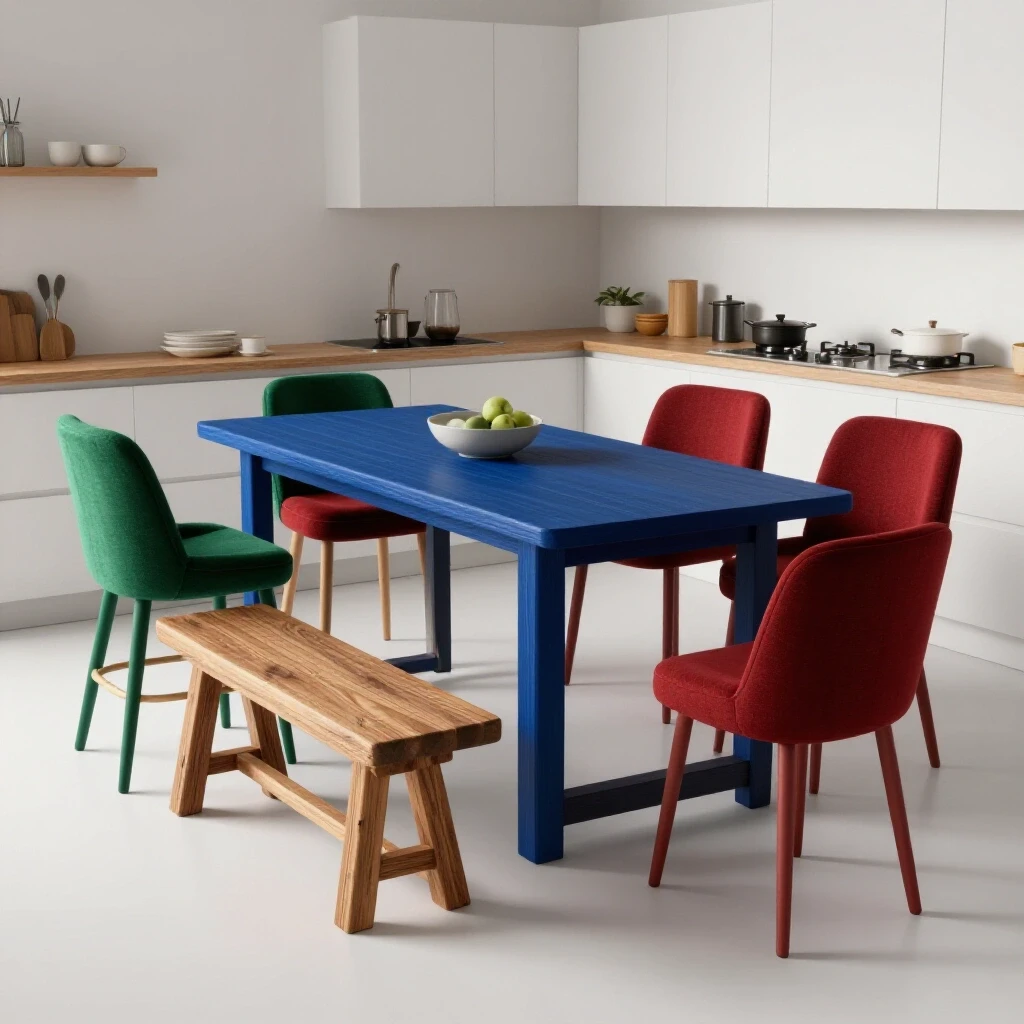
| Dining Room | 32″ – 36″ | Pulling out chairs comfortably |
| Bedroom | 24″ – 30″ | Walking around the bed |
| Living Room | 18″ | Distance from sofa to coffee table |
Selecting Materials That Withstand Daily Wear
Material durability involves choosing fabrics and finishes based on their ability to resist abrasion, staining, and fading over time. It shifts the focus from initial appearance to how a surface performs under constant use.
During my years in merchandising, I saw countless “trend-forward” fabrics disintegrate after six months of floor samples. In a family setting, a beautiful velvet sofa is only beautiful if it can handle a spilled juice box or a pet. Choosing durable home decor is not about sacrificing style; it is about selecting the right engineering for your lifestyle.
Understanding the Wyzenbeek Method
The Wyzenbeek method is a standard test that measures the abrasion resistance of a fabric by rubbing a piece of cotton duck cloth back and forth over it. Each pass is called a “double rub.”
For a piece of furniture to survive in a high-traffic family room, you should look for a double-rub count of at least 15,000. Anything less is considered “light duty” and will likely show wear within two years. I have found that performance fabrics—synthetic blends designed for stain resistance—often reach 30,000 to 50,000 double rubs, making them ideal for long-term home livability.
- Light Use: 3,000 to 9,000 double rubs (curtains, pillows).
- Medium Use: 9,000 to 15,000 double rubs (formal living rooms).
- Heavy Use: 15,000+ double rubs (family rooms, playrooms).
The Habit of Vetting Tactile Resilience
Vetting tactile resilience is the habit of testing material samples against real-world stressors before purchasing. This prevents the frustration of watching an expensive investment degrade quickly.
I always advise decorators to request fabric swatches and subject them to a “stress test.” Smear a bit of peanut butter on it, rub it with a damp cloth, and leave it in direct sunlight for a weekend. If the fabric palls or stains permanently, it will not contribute to a calm home environment. It will instead become a source of constant maintenance.
Light Reflectance Value (LRV) in Paint Selection
Light Reflectance Value (LRV) measures the percentage of light a paint color reflects. It ranges from 0% (absolute black) to 100% (perfect white).
Choosing the right LRV is a practical interior design decision that affects how large or “busy” a room feels. A room with very low LRV (dark colors) can feel cozy but may also highlight dust and scuffs. Conversely, a very high LRV can feel clinical. For a balanced, functional room layout, aim for an LRV between 50 and 70. This range provides enough brightness to make the space feel open without being overwhelming.
Integrating Low-Effort Storage for Visual Calm
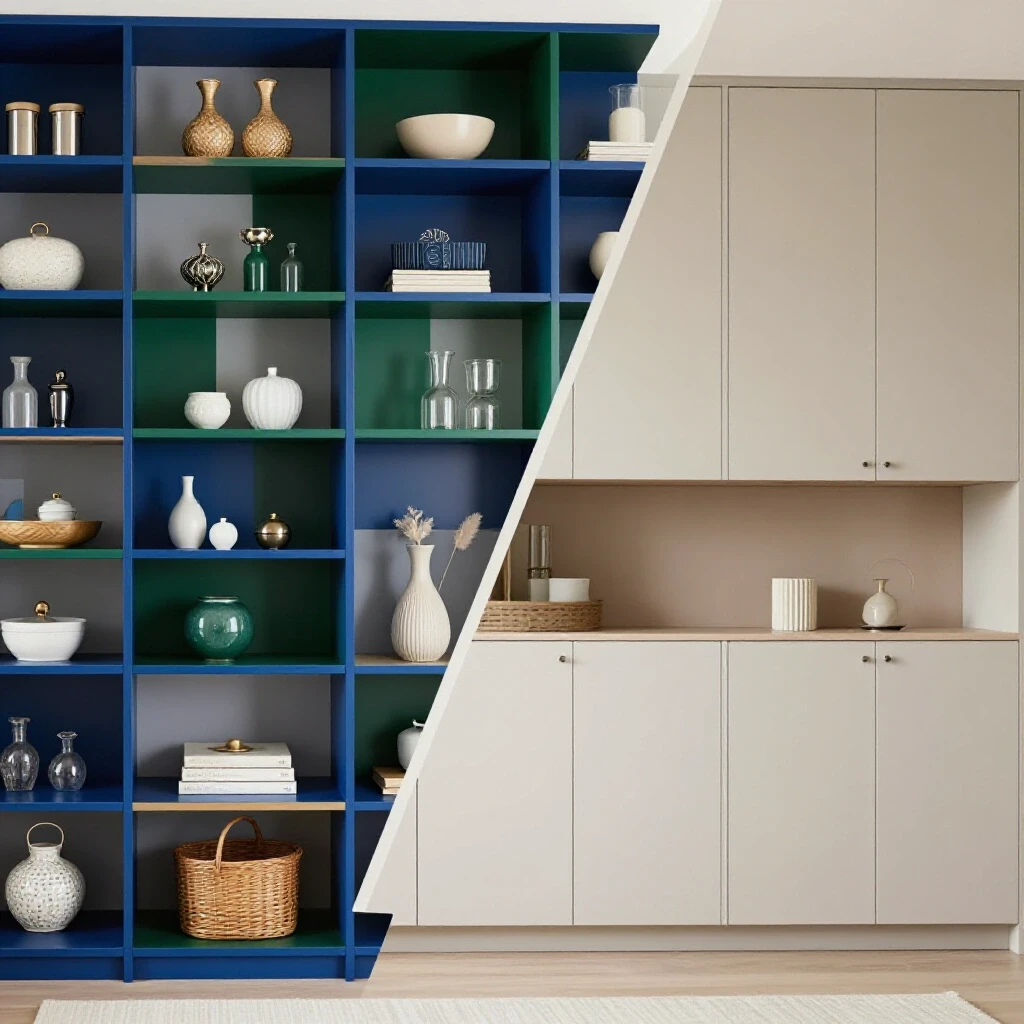
Integrated storage uses existing furniture and small DIY adjustments to house daily items out of sight. This habit focuses on creating “landing zones” that prevent the accumulation of surface clutter without needing expensive renovations.
In my experience, the most successful retail environments are those where the “backstock” is hidden but accessible. Your home should function the same way. We often blame ourselves for “being messy” when the real culprit is a lack of designated homes for our belongings. By making decorating decisions that prioritize “closed” storage, we reduce the visual noise that contributes to a sense of domestic chaos.
The Habit of Calibrating Visual Weight
Calibrating visual weight is the practice of balancing heavy, solid furniture with lighter, “leggy” pieces to prevent a room from feeling overcrowded.
A room filled only with heavy, floor-length furniture feels weighed down and difficult to clean. This leads to dust bunnies and forgotten items hiding under sofas. I recommend a 60/40 split: 60% of your furniture should have visible legs to create a sense of airiness, while 40% can be solid or “to the floor” to provide hidden storage.
- Heavy Pieces: Buffets, ottomans with lids, solid-base sofas.
- Light Pieces: Tapered-leg chairs, glass-top tables, wall-mounted shelving.
Creating Low-Cost Landing Zones
A landing zone is a specific area near an entry or transition point designed to catch “transient” items like keys, mail, and shoes.
You do not need a custom mudroom to achieve this. A simple row of sturdy hooks and a slim console table can act as a functional anchor. The key is consistency. When these items have a designated spot, they don’t migrate to the kitchen island or the dining table. This simple decorating decision keeps the main surfaces of the home clear for their intended uses.
| Storage Type | Best Use Case | Impact on Room Feel |
|---|---|---|
| Open Shelving | Books, curated decor | High visual interest, high maintenance |
| Closed Cabinetry | Electronics, toys, paperwork | Low visual noise, hides disorganization |
| Dual-Purpose (Ottomans) | Blankets, board games | Maximizes square footage |
| Wall-Mounted Hooks | Coats, bags | Keeps floor paths clear |
Long-Term Livability Audits and Performance
A livability audit is a periodic review of how a room functions versus how it was intended to work. It identifies “friction points” where design choices cause daily frustration or maintenance burdens.
Every six months, I walk through my home with a notepad. I look for “hot spots”—places where mail piles up or where I consistently stub my toe. These are not personal failings; they are design flaws. Perhaps a chair is too large for the corner, or a rug is too difficult to vacuum. Addressing these small issues prevents them from snowballing into a home that feels unmanageable.
Practical Steps for a Room Audit
- Clear the Surfaces: Remove everything from tables and counters to see the “bones” of the room.
- Test the Flow: Walk through the room quickly. Do you have to dodge anything?
- Check the Materials: Look for pilling on the sofa or scratches on the floor. Is the material holding up?
- Evaluate Lighting: Are there dark corners that make the room feel smaller or less functional?
- Assess Storage: Is every “closed” storage area full? If so, it’s time to re-evaluate what you are keeping.
Case Study: The 1,000-Day Living Room
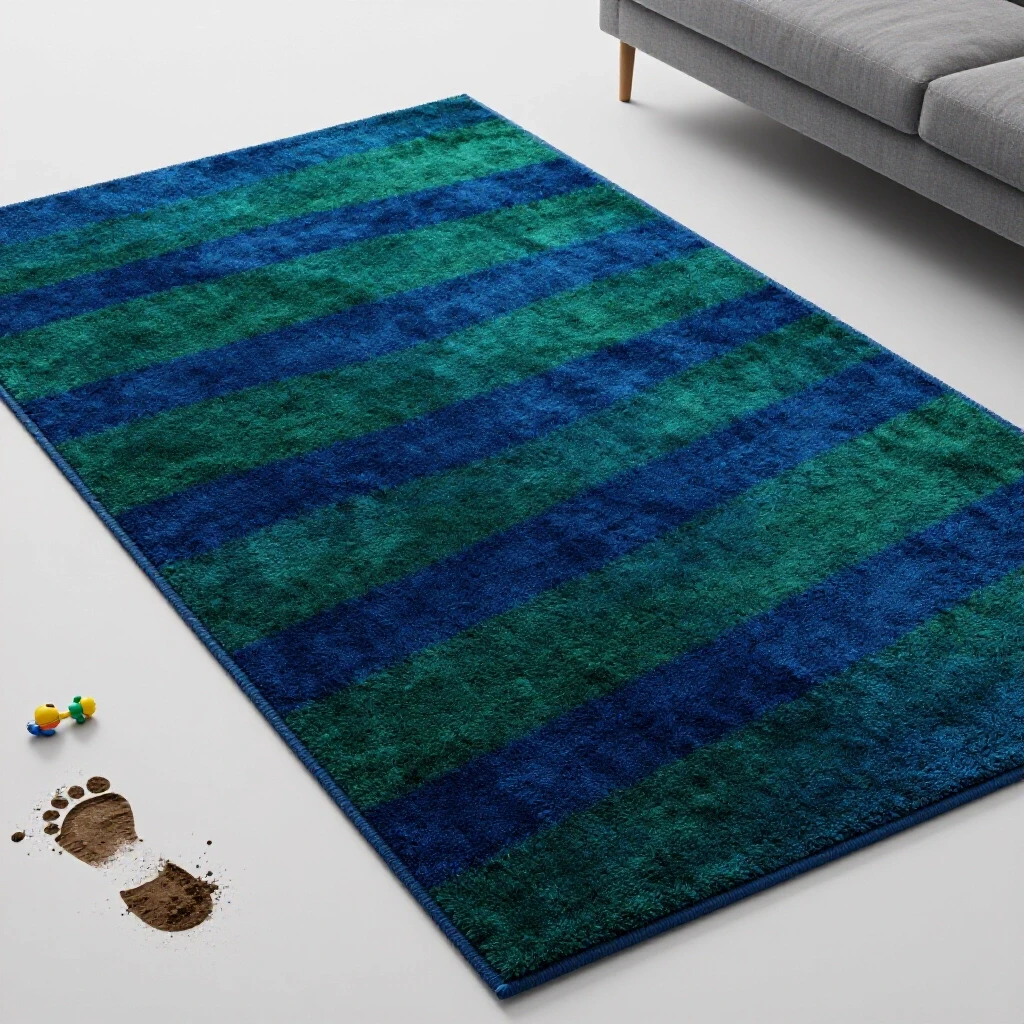
In one of my previous homes, I designed a living room that looked spectacular on day one. It had a white linen sofa, a high-pile shag rug, and a glass coffee table. By day 300, the rug was matted, the sofa was stained, and the glass table was constantly covered in fingerprints.
I realized I had designed for a photograph, not for my life. I replaced the rug with a low-pile wool version (naturally stain-resistant) and swapped the glass table for a wood ottoman with internal storage. The room instantly felt more stable. The “chaos” I felt wasn’t due to a lack of cleaning; it was due to choosing materials that required more maintenance than I was willing to give.
Maintaining a Functional and Beautiful Environment
Designing a home that stays orderly is a marathon, not a sprint. It requires a shift in mindset from “buying things” to “curating a system.” When we focus on the intersection of environmental psychology and practical decorating, we create spaces that support our well-being rather than draining our energy.
By prioritizing movement, material resilience, and visual balance, you create a home that can handle the unpredictability of daily life. These habits do not require a massive budget or a professional degree. They simply require an observant eye and a commitment to functionality over fleeting aesthetics.
Key Tools for the Practical Decorator
- Measuring Tape: Never shop without knowing your clearance requirements.
- Painter’s Tape: Use it to “live” with a furniture layout before buying.
- Fabric Swatches: Always request these and perform a stain/rub test.
- LRV Fan Deck: Use this to understand how paint will affect the brightness of your space.
- Digital Floor Plan Apps: Tools like MagicPlan or RoomScan can help you visualize flow.
Building a home that feels cohesive and calm is about making fewer, better decisions. It is about understanding that a room’s beauty is inextricably linked to how well it functions. When your home works for you, the sense of disorder naturally fades, replaced by a space that feels intentional and enduring.
Frequently Asked Questions
How do I know if my furniture is too big for my room? If you have less than 30 inches of walking space around a piece of furniture, it is likely too large. You should be able to move through the room without turning your shoulders or worrying about bumping into corners. Use the “36-inch rule” for main pathways to ensure the room feels open and accessible.
What is the most durable fabric for a home with pets and kids? Look for “performance fabrics” made from solution-dyed acrylic or polyester blends. These are often rated for 30,000+ double rubs and are treated for stain resistance. Microfiber and tightly woven wool are also excellent choices because they resist snagging and are naturally somewhat water-repellent.
How can I make a small room feel less cluttered without getting rid of everything? Focus on “visual weight.” Replace heavy, solid furniture with pieces that have legs, which allows the eye to see the floor underneath. Also, use closed storage to hide smaller items. When the floor and main surfaces are visible, the room feels larger and more organized.
What is a Light Reflectance Value (LRV) and why does it matter? LRV is a scale from 0 to 100 that tells you how much light a paint color reflects. A high LRV (above 70) makes a room feel bright and airy but can be harsh. A low LRV (below 40) makes a room feel moody and small. For most functional family rooms, an LRV between 50 and 70 is the “sweet spot” for a balanced feel.
Why does my house still feel messy even after I clean? This often happens when there is “visual clutter” or poor spatial flow. If your furniture blocks natural pathways, or if you have too many open shelves filled with small items, the brain perceives this as disorder. Try clearing off your flat surfaces and ensuring your walking paths are wide and unobstructed.
Are rugs or hard floors better for long-term livability? A combination is usually best. Hard floors (like luxury vinyl plank or hardwood) are easier to clean, but rugs provide acoustic dampening and comfort. For high-traffic areas, choose low-pile rugs made of synthetic fibers or wool, as they are easier to vacuum and don’t trap as much debris as high-pile shag rugs.
How often should I re-evaluate my home’s layout? A “livability audit” every six months is ideal. As children grow or as your work-from-home needs change, your furniture layout may need to adapt. Look for new “friction points” where items are piling up or where movement feels constricted.
What is the best way to choose a color scheme that won’t feel outdated? Stick to a neutral base for large, expensive items like sofas and flooring. Use color in “low-stakes” areas like pillows, art, or a single accent wall. This allows you to update the look of the room over time without having to replace major furniture pieces.
How do I fix a “bottleneck” in my hallway or entry? The simplest fix is to remove any furniture that protrudes into the 36-inch walking zone. If you need storage in a narrow entry, use wall-mounted hooks or a “floating” shelf that doesn’t take up floor space. Keeping the floor clear is the fastest way to open up a cramped area.
Is it better to buy a matching furniture set or mix and match? Mixing and matching usually leads to a more “timeless” and functional home. Matching sets can often feel “retail-heavy” and may not fit your specific spatial needs. Choosing individual pieces based on their specific dimensions and durability ratings allows you to customize the room for your actual life.
(This article was written by one of our staff writers, James Whitaker. Visit our Meet the Team page to learn more about the author and their expertise.)