Best Neutral Wall Color to Make Rooms Look Bigger (Guide)

Discussing expert picks for home improvement often focuses on the immediate “wow” factor of a renovation. However, after 15 years as a retail merchandising manager, I have learned that the true value of a design choice is measured by how it feels three years later. Most families want a home that looks airy and clean but also survives the daily chaos of kids, pets, and heavy use. One of the most effective ways to achieve this balance is by selecting a specific type of light, muted neutral that maximizes natural light.
In my experience, the right wall color does more than just sit in the background. It acts as a tool for practical interior design, making cramped rooms feel significantly more open. I have lived in homes ranging from small city apartments to sprawling suburban houses. In every case, the most successful decorating decisions were those that prioritized long-term home livability over passing trends. This guide explores how a thoughtful approach to light-reflective neutrals can transform your living space.
The Environmental Psychology of Luminous Neutrals
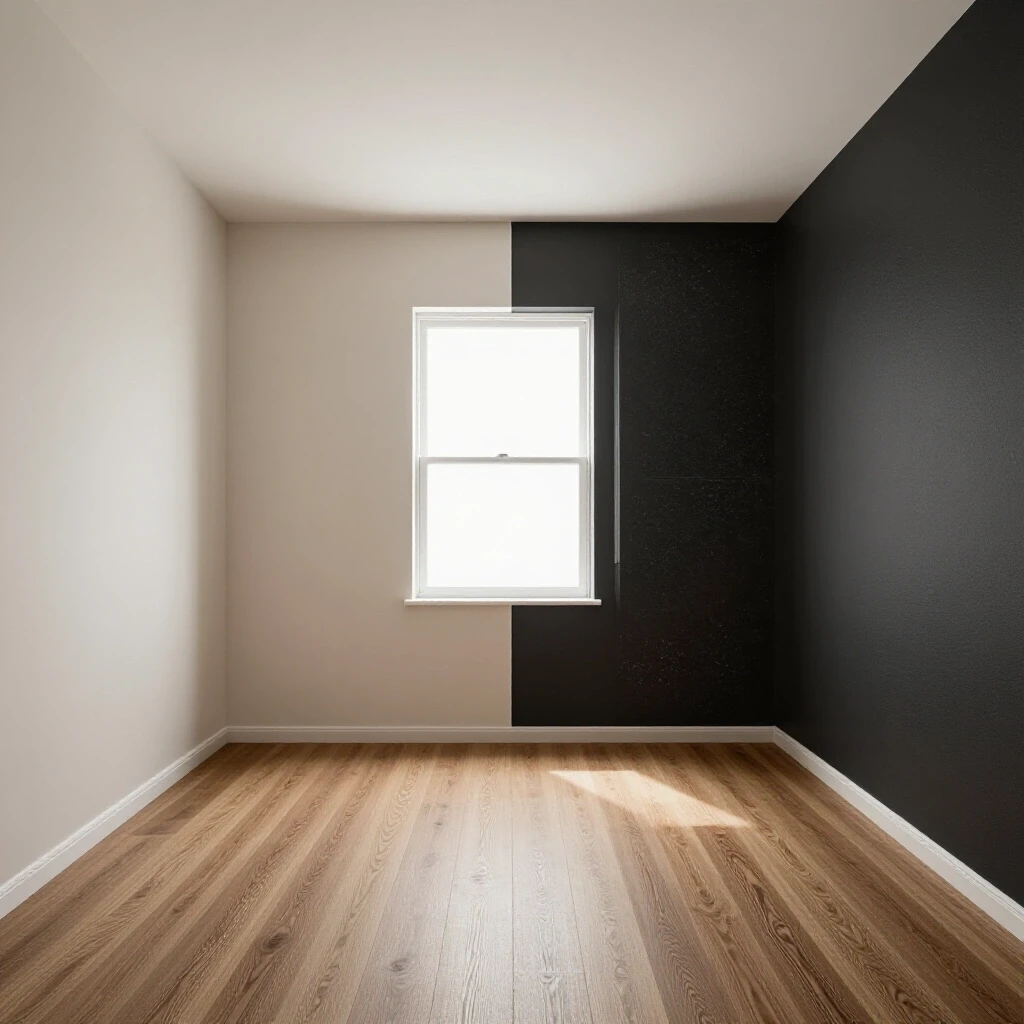
This field of study examines how physical environments influence human behavior and emotion. In residential settings, light-colored walls reduce the feeling of confinement by reflecting more photons back into the room. This creates a sense of “perceived volume,” which can lower stress levels and improve the overall mood of the occupants.
When we talk about making a room feel larger, we are really talking about how our brains process boundaries. Dark colors absorb light, which makes the walls feel like they are closing in. Conversely, a soft, light neutral pushes those boundaries outward. Research in environmental psychology suggests that humans generally feel more comfortable in spaces that offer “prospect,” or a clear view of their surroundings. By using a light-reflective palette, you enhance the clarity of the room, making it feel less cluttered even when it is full of life.
Interestingly, user satisfaction surveys often show that homeowners who choose high-reflectance neutrals report higher levels of long-term happiness with their space. This is because these shades are adaptable. As your family grows or your style changes, a versatile neutral remains a functional foundation. It allows for functional room layouts that can be reconfigured without the wall color clashing with new furniture or storage solutions.
Understanding Light Reflectance Value (LRV) for Openness
Light Reflectance Value, or LRV, is a scale from 0 to 100 that measures the percentage of light a color reflects. A value of 0 is absolute black, while 100 is pure white. For practical interior decorators, understanding this metric is the secret to choosing a color that truly expands a room’s visual footprint.
In my years of evaluating home designs, I have found that the “sweet spot” for a spatially-enhancing neutral lies between an LRV of 70 and 85. Anything higher than 85 can feel clinical or harsh under bright sunlight, leading to eye strain. Anything lower than 70 begins to absorb too much light, which can make a small room feel dim or heavy. By targeting this specific range, you ensure the room remains bright even on cloudy days.
| LRV Range | Perceived Effect | Best Use Case |
|---|---|---|
| 0 – 20 | Very dark; absorbs light | Accent pieces or moody dens |
| 20 – 50 | Mid-tone; cozy but heavy | Large rooms with floor-to-ceiling windows |
| 50 – 70 | Noticeable color; moderate reflection | Average-sized rooms with good lighting |
| 70 – 85 | Highly reflective; expansive | Small or dark rooms; main living areas |
| 85 – 100 | Extremely bright; can be stark | Ceilings or trim work |
To use this metric effectively, always check the back of a paint swatch. Most reputable manufacturers list the LRV there. This data-driven approach removes the guesswork from your decorating decisions and ensures that your chosen shade will perform as expected in your specific environment.
Balancing Visual Weight with Functional Room Layouts
Visual weight refers to how much “space” an object seems to take up in your mind’s eye. In a room painted with a light neutral, furniture with heavy, dark frames can look like “holes” in the design. Balancing this weight is crucial for maintaining the airy feeling that the wall color provides.
When planning functional room layouts, I recommend choosing furniture that complements the lightness of the walls. This doesn’t mean everything has to be white. Instead, look for pieces with “breathable” designs, such as sofas with exposed legs or coffee tables with glass tops. These choices allow the light-reflective wall color to be visible underneath and around the furniture, which reinforces the illusion of more floor space.
Calculating True Clearance Paths
A room only feels big if you can move through it easily. No matter how light your walls are, a cramped walkway will make the space feel small. Practical interior design requires a minimum amount of space for movement, known as a clearance path.
- Primary Walkways: Aim for 36 inches of width. This allows two people to pass or one person to walk comfortably without bumping into furniture.
- Secondary Pathways: Between a coffee table and a sofa, 18 inches is the standard. This provides enough legroom while keeping the table within reach.
- Work Zones: In a kitchen or home office, ensure there is at least 42 to 48 inches of clearance behind chairs or in front of appliances.
By mapping out these paths before purchasing furniture, you protect the long-term livability of your home. A light neutral wall acts as a backdrop that highlights these clear paths, making the entire floor plan feel intentional and organized.
Material Selection for Long-Term Home Livability
Choosing the right materials is just as important as choosing the right color. For families, durable home decor is the only way to ensure that a light-colored room stays looking fresh. If your walls are light but your sofa is covered in stains, the expansive effect is lost to the visual noise of the mess.
I often advise clients to look at the Wyzenbeek method, which measures a fabric’s “double-rub” count. This is a mechanical test that simulates a person sitting down and getting up. For a high-traffic family room, you want fabrics that can handle the friction of daily life without pilling or thinning.
| Fabric Type | Double-Rub Count | Durability Level |
|---|---|---|
| Decorative/Light Use | 3,000 – 9,000 | Low; best for pillows or curtains |
| Medium Duty | 9,000 – 15,000 | Moderate; okay for formal rooms |
| Heavy Duty (Family) | 15,000 – 30,000 | High; ideal for main sofas |
| Commercial Grade | 30,000+ | Extreme; used in hotels or offices |
Pairing light walls with performance fabrics—which are engineered to resist stains and moisture—creates a room that is both beautiful and resilient. This combination allows you to enjoy a pale, airy aesthetic without the constant fear of spills or wear.
Practical Application: Managing Undertones in Diverse Lighting
Undertones are the subtle colors (yellow, blue, pink, or green) that emerge when a neutral shade is applied to a large surface. A light neutral that looks like a warm beige in the store might look like a cold lavender in a room with northern-facing windows.
To ensure your decorating decisions stand the test of time, you must test your chosen shade in different lighting conditions. Natural light changes throughout the day, and your wall color will change with it. A color that feels expansive at noon might feel flat and grey at 5:00 PM if the undertones aren’t managed correctly.
- North-Facing Rooms: These rooms receive cool, bluish light. Avoid neutrals with grey or blue undertones, as they will feel chilly. Opt for a light neutral with a hint of yellow or peach to add warmth.
- South-Facing Rooms: These enjoy strong, warm light all day. Most light-reflective shades work well here, but be careful of very warm undertones, which can become overly yellow.
- East/West-Facing Rooms: The light changes drastically from morning to evening. Test your paint samples at both ends of the day to ensure the color remains pleasing.
Using large, adhesive paint samples is a great way to see how these undertones interact with your existing durable home decor. Move the samples to different walls over the course of a week before making a final commitment.
A Room-by-Room Guide to Enhancing Perceived Volume
Every room has different functional needs, but the goal of creating a sense of space remains constant. By applying the principles of light reflectance and layout planning, you can maximize every square inch of your home.
The Living Room: The Hub of Interaction
In the living room, the goal is to create a space that feels open for guests but cozy for the family. Using a light neutral on the walls allows you to use larger furniture pieces without the room feeling crowded. Focus on integrated storage that blends into the walls. For example, painting bookshelves the same light shade as the walls makes them “disappear,” reducing visual clutter and increasing the room’s perceived size.
The Kitchen: Cleanliness and Utility
Kitchens are often the most cluttered rooms in the house. A light-reflective palette here helps the space feel cleaner and more organized. When selecting materials, ensure your backsplash and countertops have a similar LRV to your walls. This lack of high contrast prevents the eye from stopping at every transition, which makes the kitchen feel like one continuous, larger space.
The Bedroom: Restful Expansion
In a bedroom, a soft neutral can promote better sleep by creating a calm environment. To maintain long-term home livability, choose a paint finish that is easy to clean, such as an eggshell or satin. Flat finishes may look nice, but they show every fingerprint and scuff, which can quickly make a light-colored bedroom look dingy.
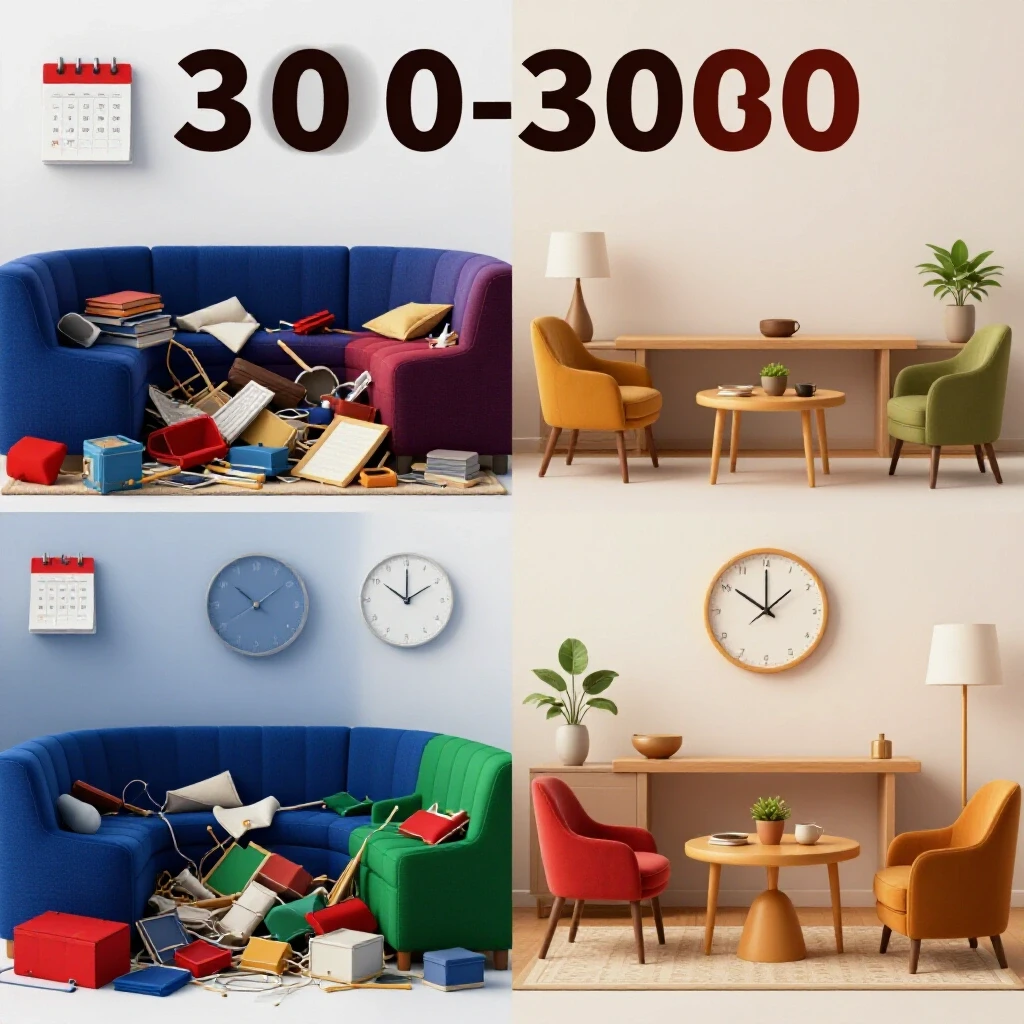
Assessing Long-Term Satisfaction: The Three-Year Audit
One of the most important steps in practical interior design is the follow-up. After living with your choices for a few years, it is helpful to perform a “livability audit.” This process helps you identify what is working and what needs adjustment.
- Scuff Check: Are the walls holding up in high-traffic areas? If not, you may need a more durable paint finish or a slightly darker shade in hallways.
- Storage Efficiency: Is the clutter creeping back in? If so, your current storage solutions may not be meeting your family’s actual habits.
- Spatial Flow: Do you find yourself constantly bumping into a specific chair? It might be time to rethink your furniture placement to restore that 36-inch clearance path.
In my own home, I realized after two years that a “perfectly” placed armchair was actually blocking the natural flow of light from a window. By moving it just six inches, the light-reflective neutral on the opposite wall was able to catch more sun, instantly making the room feel brighter and more inviting.
Practical Tools for Your Design Journey
Before you start painting or buying furniture, equip yourself with tools that help visualize the final result. These resources allow you to experiment with decorating decisions without the risk of an expensive mistake.
- Digital Floor Plan Apps: Tools like MagicPlan or RoomScan Pro allow you to measure your room and test furniture layouts on your phone.
- LRV Meters: While you can find LRV on swatches, a handheld color sensor can tell you the exact reflectance of your current walls or furniture.
- Large Format Paint Swatches: Companies now offer 12×12 inch “peel and stick” samples. These are far more effective than small 2-inch chips for judging how a color will look at scale.
- Fabric Swatch Kits: Always order fabric samples and perform a “spill test” with water or coffee to verify their durability before ordering a sofa.
By using these tools, you ground your design in reality. You transition from “guessing” what will look good to “knowing” what will function well for your family over the long term.
FAQ: Designing for Space and Durability
What is the best paint finish for a family home? For most living areas, an eggshell finish is the best balance. It has a slight sheen that reflects light well, helping the room feel bigger, but it is also scrubbable. For kitchens and bathrooms, a satin or semi-gloss finish offers even better moisture resistance and durability.
Will a light neutral wall make my room feel cold? Not if you choose the right undertone. To avoid a “cold” feeling, look for neutrals with warm bases like cream, sand, or very light taupe. Pairing these walls with natural textures like wood, wool, or linen also adds physical and visual warmth.
How do I make a low ceiling feel higher? Paint your ceiling a shade or two lighter than your walls, or use a pure white with a high LRV. You can also use vertical elements, like tall bookshelves or floor-to-ceiling curtains, to draw the eye upward.
How many furniture pieces are too many for a small room? Instead of counting pieces, focus on floor visibility. If you can see a good portion of the floor around the edges of the room, it will feel larger. Avoid “wall-to-wall” furniture; leave some breathing room between pieces.
Can I use light colors if I have pets? Yes, but you must prioritize performance fabrics. Look for materials labeled “pet-friendly” or those with a high Wyzenbeek rub count (30,000+). These fabrics are often woven tightly so claws don’t snag, and they are treated to allow for easy cleaning of fur and mud.
What is the most common mistake when trying to make a room feel bigger? The most common mistake is using too many small decor items. This creates “visual clutter,” which makes the brain feel the space is crowded. It is better to have one large, well-scaled piece of furniture than five small ones.
How does lighting affect my neutral wall color? Artificial lighting has its own “color temperature” measured in Kelvins. Warm bulbs (2700K) will make your paint look more yellow, while “daylight” bulbs (5000K) can make it look blue or stark. For a balanced look, I recommend “cool white” bulbs around 3000K to 3500K.
Should my trim match my wall color? Painting the trim, baseboards, and walls the same color—a technique called “color drenching”—can actually make a room feel larger. It eliminates the visual breaks that contrasting trim creates, allowing the eye to move smoothly across the entire surface.
How do I choose between a “warm” and “cool” neutral? Look at your flooring and large furniture. If you have warm oak floors, a warm neutral will feel more cohesive. If you have grey tile or modern black furniture, a cooler neutral might be more appropriate. Always aim for harmony between the fixed elements of your home.
Does a light color really hide dirt? Actually, mid-tone neutrals are the best at hiding dust and pet hair. Very light colors show dark scuffs, while very dark colors show light-colored dust. A light-to-medium neutral with a bit of “depth” is usually the most practical choice for a busy household.
(This article was written by one of our staff writers, James Whitaker. Visit our Meet the Team page to learn more about the author and their expertise.)