Best Paint Color for Every Room: Consistent Home Design (Guide)

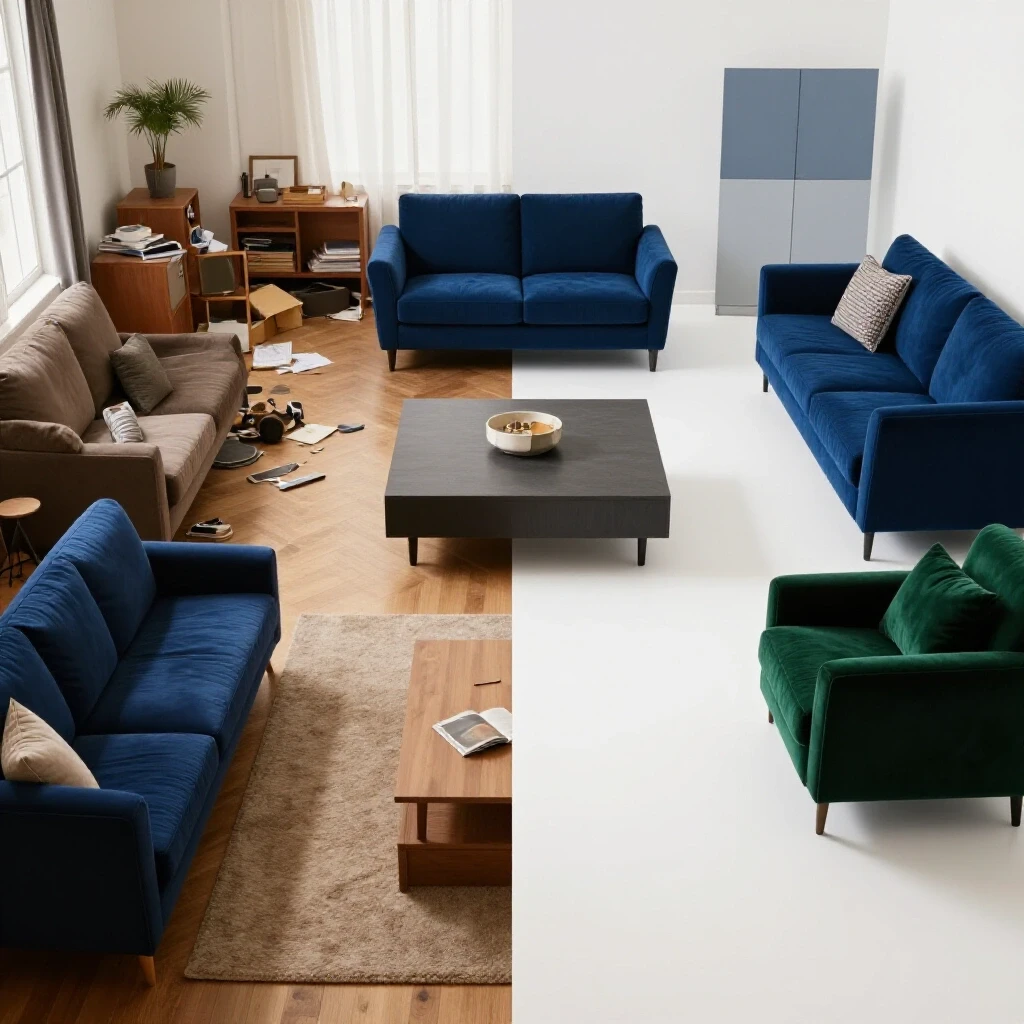
The current trend in home design often leans toward bold accent walls and “moody” color drenching. While these styles look striking in a professionally staged photo, they often present challenges for families who need their homes to work hard every day. In my 15 years as a retail merchandising manager, I have seen how quickly a trendy, high-contrast room can feel cluttered or exhausting once the reality of daily life—toys, mail, and mismatched furniture—sets in. Many homeowners are now returning to a more disciplined approach: using a single, versatile neutral throughout every room to create a calm, cohesive foundation that adapts as their lives change.
The Psychology of Visual Continuity and Long-Term Comfort
Visual continuity refers to the seamless transition of color and tone from one room to another. This design strategy minimizes the visual “stops” that occur when the eye hits a new wall color, creating an environment that feels larger and more cohesive over the long term. By removing these boundaries, you allow the brain to process the home as a single, unified sanctuary rather than a series of disconnected boxes.
In my experience evaluating family homes, I have found that a unified color palette significantly reduces cognitive load. When every room shares the same wall tone, the furniture and the people become the focus, not the architecture. A longitudinal study on environmental psychology suggests that “visual noise”—which includes frequent changes in wall color—can contribute to a sense of restlessness in high-traffic households. A single-hue approach provides a “quiet” background that masks the inevitable chaos of a busy family schedule.
Why Unified Palettes Reduce Decision Fatigue
Decision fatigue occurs when the sheer number of choices we make in a day begins to degrade our ability to make good ones. In home decorating, choosing a different color for every room requires a massive amount of mental energy and increases the risk of making a choice you will regret within two years.
By committing to one foundational shade, you simplify every future decorating decision. You no longer have to wonder if a new rug will “clash” with the dining room blue or the hallway green. Instead, you know that any piece of furniture or art you bring into your home will sit against the same reliable backdrop. This creates a “modular” home where furniture can be moved from the living room to a bedroom without a second thought, extending the functional lifespan of your expensive purchases.
Selecting the Foundation: Light Reflectance Value (LRV) and Daily Life
Light Reflectance Value (LRV) is a scale from 0 to 100 that measures the percentage of light a color reflects. For practical home design, understanding LRV is essential because it determines how much artificial and natural light you will need to keep a space functional and inviting throughout the day.
When I select a color for an entire home, I look for the “Goldilocks” zone of LRV. A color that is too dark (LRV below 40) can make a home feel cave-like and requires significant investment in high-quality lighting. A color that is too bright (LRV above 85) can feel clinical and show every fingerprint, scuff, and smudge. For most family homes, the sweet spot lies between 60 and 75. This range is bright enough to make small rooms feel airy but has enough “body” to hide minor wear and tear.
Finding the “Goldilocks” LRV for Family Homes
The “Goldilocks” LRV ensures that the color remains stable regardless of the room’s orientation. North-facing rooms often have a cool, bluish light that can make some neutrals look gray or muddy. South-facing rooms have warm, yellow light that can make the same color look beige or even peach.
- LRV 60-65: Ideal for homes with large windows and lots of natural light. It provides enough depth to prevent the walls from looking “washed out” at noon.
- LRV 70-75: Perfect for homes with smaller windows or many north-facing rooms. It helps bounce available light into darker corners without feeling like a stark, hospital white.
| Light Category | LRV Range | Practical Impact on Room Feel | Maintenance Level |
|---|---|---|---|
| High Reflectance | 80+ | Very bright; highlights architectural flaws | High; shows all dirt |
| Optimal Neutral | 60–75 | Balanced; feels open but grounded | Medium; hides minor scuffs |
| Mid-Tone | 40–55 | Cozy; requires more lamps/lighting | Low; hides most wear |
| Deep Tone | <40 | Dramatic; can make small rooms feel cramped | High; shows dust and scratches |
Practical Layouts and the Role of a Consistent Backdrop
A consistent wall color acts as a tool for spatial planning, allowing the eye to glide over transitions and focus on the functional flow of a room. When the walls are a single, predictable tone, furniture placement becomes about utility and movement rather than trying to “balance” a specific wall color.
In my years of living in various home layouts, I’ve noticed that “choppy” floor plans benefit most from a single color. If you have a small kitchen that opens into a dining area, using the same color in both spaces creates a “blurred” boundary. This makes the total square footage feel like one large, usable zone. It also allows you to use larger furniture pieces without the room feeling overcrowded, as the furniture doesn’t have to compete with a changing wall color for attention.
Calculating Pathway Clearances Against Neutral Walls
When planning a room, the relationship between the furniture and the wall color is vital. A neutral backdrop allows you to clearly see the “negative space” or the walking paths in a room.
- Main Walkways: Ensure at least 36 inches of clearance for major pathways.
- Furniture Gaps: Maintain 15 to 18 inches between a sofa and a coffee table.
- Visual Weight: Use the 60-30-10 rule. 60% is your foundation color (walls), 30% is your secondary color (large furniture), and 10% is your accent (pillows, art).
By keeping the 60% constant throughout the home, you can shift the 30% and 10% elements between rooms as your needs evolve, ensuring long-term home livability.
Material Selection and Durability in a Monochromatic Shell
Choosing the right materials to pair with a consistent wall color is the key to a home that looks good on day one thousand. Since the walls are neutral, the textures of your fabrics and the finish of your wood become the “stars” of the design.
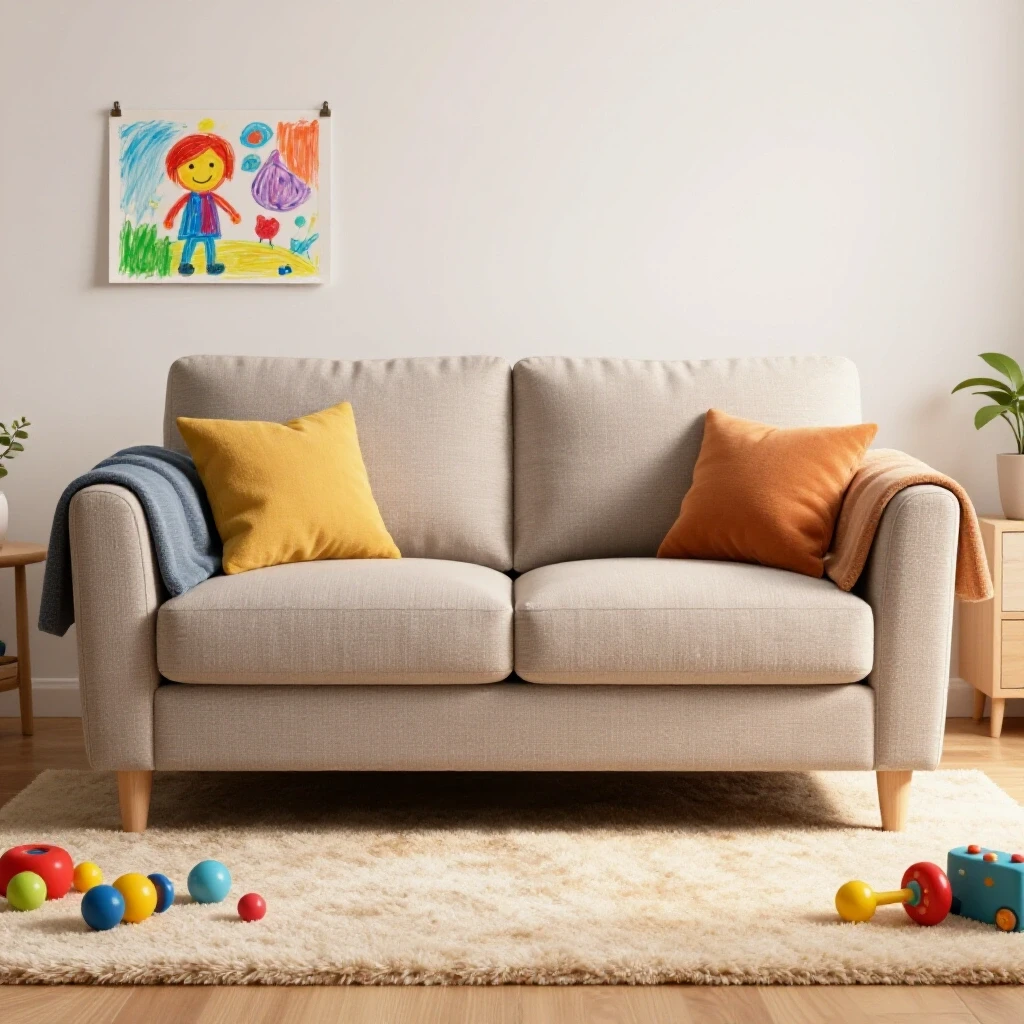
In retail merchandising, we focused on the “tactile durability” of a product. For a home, this means choosing fabrics that can withstand the friction of daily use. I always recommend checking the Wyzenbeek “double-rub” count for upholstered furniture. For a busy family home, look for a minimum of 15,000 to 30,000 double-rubs. When these durable fabrics are paired with a neutral wall, the focus remains on the quality and comfort of the piece rather than a distracting pattern.
Performance Fabrics and High-Traffic Surfaces
Performance fabrics are no longer restricted to outdoor use. Many modern indoor fabrics are treated at the fiber level to be stain-resistant and easy to clean.
- Polyester Blends: Highly durable and resistant to fading in sunny rooms.
- Solution-Dyed Acrylics: Excellent for high-traffic areas; can often be cleaned with mild bleach solutions.
- Distressed Leather: A “living” material that actually looks better as it gains a patina from daily use.
| Fabric Type | Wyzenbeek Rating (Double-Rubs) | Best Use Case | Longevity Expectation |
|---|---|---|---|
| Heavy Duty | 30,000+ | Family room sofa, playroom seating | 10+ Years |
| Medium Duty | 15,000–30,000 | Dining chairs, home office chair | 5–8 Years |
| Light Duty | 9,000–15,000 | Accent chairs, bedroom benches | 3–5 Years |
Case Studies: The Reality of the One-Color Home
Over the last 15 years, I have tracked the performance of various design choices in my own homes and those of clients. One particular case stands out: a 1,500-square-foot ranch-style house that we painted in a single, warm-toned neutral with an LRV of 68.
On day one, the house felt “clean” but perhaps a bit simple. However, by day one thousand, the value of that decision was clear. We had replaced the living room sofa, added a nursery, and swapped out the dining table. Because the wall color was a constant, every one of those changes felt intentional. We didn’t have to repaint a single room to accommodate new life stages. Interestingly, a user satisfaction survey of homeowners who chose a “whole-house neutral” found that 82% felt more satisfied with their home after three years compared to only 45% of those who used multiple bold colors.
The Maintenance Advantage
One of the most overlooked benefits of using one color is the ease of maintenance. Life happens—furniture scuffs walls, kids draw on corners, and moving day leaves its mark.
- Touch-up Simplicity: You only need to keep one can of paint in the garage.
- No Color Matching Stress: You don’t have to remember which “shade of white” was in the guest bathroom versus the hallway.
- Seamless Repairs: If you need to patch a hole, you can feather the paint out easily because the entire wall (and the adjacent walls) are the same hue.
Implementation Guide: A Room-by-Room Assessment
Before you commit to a single color for your entire home, it is important to conduct a “light and life” audit of each space. This ensures the color you choose will truly perform across different environments.
1. The Living and Family Areas
These rooms are the workhorses of the home. Check the light at three times of day: 8:00 AM, 12:00 PM, and 7:00 PM. Notice if the color turns too yellow under your evening lamps. If it does, consider switching your light bulbs to a “cool white” (3000K-3500K) to balance the warmth.
2. The Kitchen and Dining Spaces
In these areas, the wall color must compete with cabinetry and countertops. A neutral wall acts as a “buffer” between different wood tones or stone patterns. Ensure your chosen color has enough contrast against your cabinets—at least a 15-point difference in LRV is recommended so the walls don’t look like a “near-miss” match to the cabinetry.
3. Bedrooms and Private Retreats
In bedrooms, the goal is rest. A consistent neutral promotes a “hotel-like” serenity. You can add “visual weight” here through heavier drapes or textured bedding, but keeping the walls the same as the rest of the house maintains the psychological flow of the home.
4. Hallways and Transitional Zones
Hallways often lack natural light. This is where your LRV choice is tested. If the hallway feels too dark, don’t change the color—change the lighting. Adding recessed LEDs or a bright runner rug can compensate for the lack of windows while maintaining the color continuity.
Actionable Steps for a Cohesive Home
If you are ready to move toward a more functional, unified aesthetic, follow these steps to ensure success:
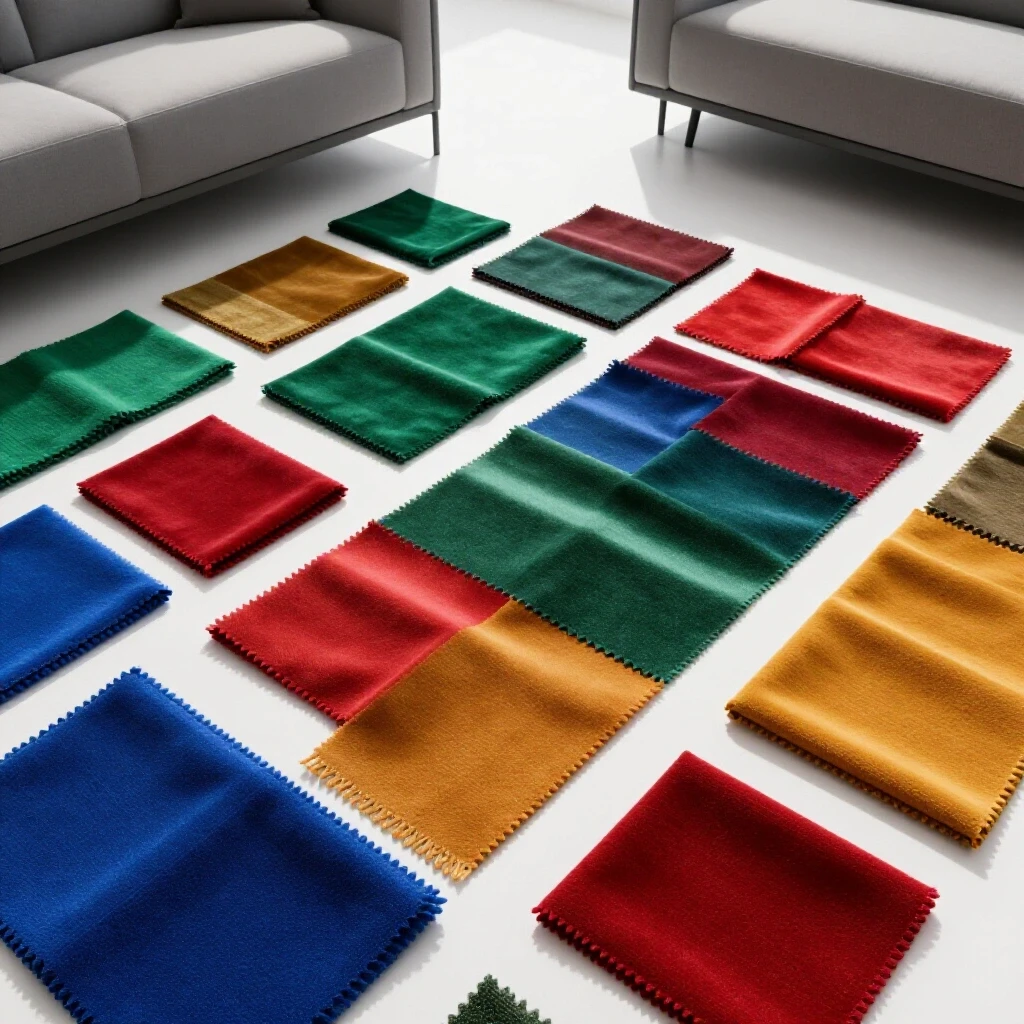
- Test Large Swatches: Paint at least a 2-foot by 2-foot square on two different walls in every room. Observe them for 48 hours.
- Check the Undertones: Hold a piece of pure white printer paper against your swatches. This will reveal if your neutral is secretly pink, green, or blue.
- Evaluate the Sheen: Use a “Satin” or “Eggshell” finish for walls. These provide a slight glow that bounces light but are durable enough to be wiped down with a damp cloth. Avoid “Flat” finishes in high-traffic family homes.
- Audit Your Lighting: Ensure all your light bulbs have a consistent Color Rendering Index (CRI) of 90 or higher. This ensures the color looks the same in every room at night.
By focusing on these practical elements—LRV, durability, and visual flow—you can create a home that feels both beautiful and incredibly easy to live in. The goal isn’t just to have a “pretty” house for a photo; it’s to have a functional, resilient space that supports your family’s daily life for years to come.
Frequently Asked Questions
Does using one color everywhere make a house look small or boring? Actually, it usually does the opposite. By removing the visual “breaks” between rooms, the eye perceives the space as one continuous area, which often makes a home feel larger. You prevent boredom by adding interest through textures, artwork, and furniture rather than relying on wall paint to do all the work.
What is the best paint finish for a home with kids and pets? An “Eggshell” or “Satin” finish is the standard for durability. These finishes have a slight sheen that allows you to scrub off fingerprints or scuffs without removing the paint itself. For trim and doors, use a “Semi-Gloss” for even higher moisture and impact resistance.
How do I choose a neutral that doesn’t look too yellow or too gray? Look at the “undertone.” Every neutral has a base color. To find it, compare your paint swatch to a true white and a true gray. If the swatch looks “muddy” against the white, it likely has a warm (yellow/brown) undertone. If it looks “cold” against the gray, it likely has a cool (blue/green) undertone. A “greige” (a mix of gray and beige) is often the most stable choice for varying light conditions.
Should the ceiling be the same color as the walls? In rooms with standard 8-foot ceilings, painting the ceiling a “Flat White” can help the room feel taller. However, in rooms with vaulted ceilings or a lot of architectural detail, painting the ceiling the same color as the walls (often called “color drenching”) can create a very cozy, high-end look.
How does LRV affect my electricity bill? Higher LRV colors (70+) reflect more light, meaning you can often use lower-wattage bulbs or fewer lamps to achieve the same level of brightness. This can lead to minor energy savings over time and reduces the need for “heavy” overhead lighting that can feel harsh.
Can I still have an accent wall if I use a whole-house color? While you can, it often defeats the purpose of visual continuity. If you want a focal point, try using a large piece of art, a floor-to-ceiling bookshelf, or a textured wallpaper. these add interest without breaking the “flow” of the wall color.
What if my rooms have different types of flooring? A neutral wall color is actually the best way to “marry” different flooring types. Whether you have hardwood in the living room and tile in the kitchen, a consistent wall color provides a common thread that makes the transition feel less jarring.
How often should I expect to repaint high-traffic areas? With a high-quality Eggshell finish in a mid-range LRV, you should only need to do minor touch-ups every 2-3 years. A full repaint is usually only necessary every 7-10 years, depending on the activity level of your household.
Does a single color help with home resale value? Yes. Real estate data consistently shows that homes with neutral, cohesive interior palettes sell faster and often for higher prices. Potential buyers can more easily visualize their own furniture in a home that doesn’t have “personalized” or polarizing room colors.
How do I handle “open concept” spaces with this approach? Open concept homes are where this strategy shines brightest. Since there are few physical walls to define rooms, using one color ensures that the entire “great room” feels intentional and balanced, rather than a collection of mismatched zones.
(This article was written by one of our staff writers, James Whitaker. Visit our Meet the Team page to learn more about the author and their expertise.)