How to Choose the Right Lamp Size for Every Room (Scale Guide)

Introducing modern aesthetics into a home often begins with a focus on clean lines and current trends. However, after 15 years in retail merchandising and living through various home layouts, I have learned that the most striking rooms are those where everything feels “right” because of its proportions. I have seen countless homeowners buy pieces that look beautiful in a showroom but feel awkward or intrusive once they are placed in a living room or bedroom.
During my career, I evaluated how products performed over years of daily use. I noticed a recurring pattern: the items that remained in a home for a decade weren’t always the most expensive. They were the ones that fit the scale of the room and the furniture around them. This guide focuses on the simple math of spatial balance to help you make decorating decisions that stand the test of time.
Understanding the Environmental Psychology of Visual Proportions
Visual proportions refer to the relationship between the size of different objects in a space and how they relate to the human scale. When these ratios are balanced, the brain perceives the environment as orderly and safe, which directly impacts long-term home livability.
In my experience, a room that feels “off” usually has a scale problem. Environmental psychology studies suggest that visual clutter or mismatched proportions can increase stress levels in inhabitants. When an object is too large for its surface, it creates a sense of instability. Conversely, an object that is too small can make a room feel cold or unfinished.
I once lived in a house with very high ceilings and tried to use standard-height accessories. The result was a space that felt cavernous and unsettling. By adjusting the height of my tabletop elements to match the vertical volume of the room, the space immediately felt more grounded. This taught me that functional room layouts depend as much on vertical scale as they do on floor plans.
Establishing Structural Durability Standards for Placement
Structural durability in design involves choosing items that have a stable physical presence and won’t be easily tipped or damaged during daily family activities. This requires looking at the base-to-height ratio of every accessory you bring into a high-traffic area.
When I worked in merchandising, we tested how items stood up to “the bump test.” In a family home, this is a daily reality. A top-heavy item on a narrow table is a safety hazard and a durability failure. For long-term satisfaction, the base of a tabletop object should be substantial enough to anchor it against accidental knocks from children or pets.
Why Base Weight Matters for Long-Term Livability
The base weight of an object determines its center of gravity and its ability to remain upright when a table is bumped. A wider, heavier base provides more stability and reduces the risk of damage to both the item and the flooring.
I recommend looking for items with a base diameter that is at least one-third of the total height. If you have a 30-inch tall object, the base should be at least 10 inches wide. This simple ratio has saved many pieces in my own home from being shattered during a game of indoor tag.
| Feature | Trendy/Impractical Choice | Durable/Functional Choice |
|---|---|---|
| Base Width | Narrow or “spindle” styles | Weighted, wide-footprint bases |
| Height Ratio | Taller than the furniture width | 2/3 the height of the surface |
| Material | Thin glass or light plastic | Ceramic, heavy metal, or solid wood |
| Placement | Edge of high-traffic tables | Centered or anchored near walls |
Practical Strategies for Calculating Functional Ratios
Functional ratios are the mathematical relationships between furniture and the accessories placed on them to ensure they serve their purpose without causing visual or physical obstruction. Using specific measurements helps remove the guesswork from practical interior design.
The most important rule I use is the “Two-Thirds Rule.” This means that the height of an accessory on a table should be approximately two-thirds the height of the table itself. If your end table is 24 inches tall, an ideal height for an item placed on it would be around 16 to 18 inches. This creates a staggered visual line that is pleasing to the eye and keeps the item within easy reach.
Measuring for Seated Eye Level
Seated eye level is the height at which a person’s eyes naturally rest when sitting on a sofa or chair, typically between 42 and 48 inches from the floor. Accessories should be scaled so that they do not block sightlines or create glare at this specific height.
When choosing items for a bedside table or an end table next to a sofa, the bottom of the “focal point” (like a shade or a decorative top) should be at your eye level when you are sitting. If it is higher, you might be looking up into a bright bulb or a cluttered shelf. If it is lower, it won’t provide enough coverage for tasks like reading.
Tactical Layout Rules for Balanced Room Symmetry
Balanced room symmetry involves distributing the “visual weight” of objects so that no single part of the room feels heavier or more crowded than another. This ensures a smooth flow and prevents the room from feeling lopsided.
In my 15 years of observing home layouts, I’ve seen that symmetry provides a sense of calm. However, symmetry doesn’t mean everything has to be a matching pair. It means the scale must be equivalent. If you have a large, heavy cabinet on one side of a room, you need something with similar visual mass on the other side to balance the scale.
The Impact of Visual Weight on Spatial Flow
Visual weight is the perceived heaviness of an object based on its size, color, and texture. Darker, solid objects feel heavier than light-colored or transparent ones, even if they are the same physical size.
- Heavy Weight: Solid wood, dark metals, opaque fabrics, large patterns.
- Light Weight: Glass, acrylic, thin metal frames, light linens, small patterns.
If you are placing items in a small room, choosing pieces with “light” visual weight can make the space feel larger. In a large room, “heavy” pieces are necessary to prevent the furniture from looking like it is floating in a void.
Long-Term Livability Audits for Interior Accessories
A livability audit is a process of evaluating your home’s design choices after six months of use to see if they still meet your family’s needs. This helps you identify what is working and what needs to be adjusted for better function.
I perform these audits in my own home twice a year. I ask myself: “Does this item get in the way when I’m cleaning?” or “Do I have to move this every time I want to set down a coffee cup?” If an accessory is too large for the table it sits on, it eats up functional space. Over time, this leads to clutter because there is no room for the items you actually use daily, like phones or books.
How to Conduct a Spatial Budget Assessment
A spatial budget is the amount of surface area you can afford to give up to decorative items while still maintaining functionality. Most practical interior decorators suggest leaving at least 50% of a tabletop clear for daily use.
- Measure the total surface area of your table or shelf.
- Measure the footprint of the accessories you want to place there.
- Calculate the ratio. If the accessories take up more than 50% of the space, they are likely too large for the scale of the furniture.
- Adjust the scale. Swap for a taller, narrower item to regain surface area, or choose a smaller version.
Designing for High-Traffic Pathways and Clearance
Clearance paths are the designated walking areas between furniture and walls that allow for comfortable movement through a room. Ignoring these measurements is a common mistake that leads to a cramped and frustrating home environment.
Standard walking pathways should be at least 36 inches wide. In a dining room, you need at least 24 to 30 inches behind a chair to pull it out and sit down comfortably. When you choose accessories like floor-standing items, you must ensure they do not encroach on these zones. I have seen many beautiful floor pieces that ended up in the garage because people kept bumping their shoulders or hips against them while walking by.
Clearance Guidelines by Room Type
| Room Type | Minimum Pathway | Furniture-to-Object Gap |
|---|---|---|
| Living Room | 36 inches | 18 inches (Coffee table to Sofa) |
| Bedroom | 30 inches | 24 inches (Bed to Wall) |
| Dining Room | 36 inches | 30 inches (Table to Sideboard) |
| Entryway | 42 inches | 12 inches (Door swing clearance) |
Choosing Durable Materials for Multi-Year Use
Material selection is the foundation of durable home decor. Selecting materials that can withstand the “Wyzenbeek method” (a test of fabric rub counts) or have high scratch resistance ensures your decorating decisions last.
For tabletop accessories, I always look for non-porous materials in high-use areas. Ceramic, stone, and treated metals are excellent because they are easy to wipe down and don’t stain easily. In my retail days, we prioritized these materials for “lifestyle” displays because they maintained their “day one” look much longer than painted plastics or untreated woods.
- Ceramic: High durability, heavy weight, easy to clean.
- Solid Brass/Steel: Won’t break if tipped, develops a nice patina or stays polished.
- Tempered Glass: Adds visual space but requires frequent cleaning of fingerprints.
- Natural Stone: Very heavy and stable, but can be porous if not sealed.
Integrating Storage with Visual Scale
Integrated storage design involves choosing furniture that hides clutter while maintaining a cohesive look with the rest of the room’s proportions. This is essential for families who want to balance aesthetics with daily reality.
When I select a piece of furniture that also serves as storage, I look at the “closed-to-open” ratio. A piece that is entirely solid can look like a heavy block in a room. A piece that is entirely open shelves can look cluttered. A 70/30 split—where 70% of the storage is hidden behind doors and 30% is open for display—usually provides the best balance of function and scale.
Storage-to-Room-Ratio Benchmarks
In a standard family room, storage should occupy no more than 15% of the total wall space. If you exceed this, the room can feel like a warehouse. To keep the scale correct, ensure the height of your storage units relates to the height of your windows or door frames. Aligning these horizontal lines creates a sense of architectural intent.
Step-by-Step Guide to Selecting Scaled Accessories
Following a structured process helps prevent impulse buys that don’t fit your space. I use this four-step method every time I add a new element to a room.
- Measure the Furniture: Note the height, width, and depth of the surface where the item will sit.
- Determine the Goal: Are you trying to add height to a low corner, or do you need a functional piece for reading?
- Apply the 2/3 Rule: Calculate the ideal height range (Table Height x 0.66).
- Test the Visual Weight: Use a cardboard box or a stack of books of a similar size to see how the volume feels in the room for a day.
This “mock-up” phase is something I learned in retail merchandising. We would build temporary displays to see how customers navigated them before committing to a final layout. Doing this at home prevents the frustration of returning heavy or bulky items.
Case Study: The “Too Small” Living Room
A few years ago, I worked with a family who felt their living room was “cluttered” despite having very little furniture. Upon inspection, the issue was scale. They had a massive, deep-seated sectional sofa paired with tiny, spindly end tables and miniature accessories.
The contrast in scale made the sofa look even larger and the tables look like toys. By replacing the small accessories with larger, more substantial pieces that matched the “visual mass” of the sofa, the room actually felt bigger and more organized. We didn’t add more items; we just chose items that were the correct scale for the existing furniture.
Conclusion and Next Steps
Achieving a beautiful and functional home doesn’t require following every trend. It requires a commitment to understanding the scale and proportion of your specific space. By focusing on the 2/3 rule, maintaining clear pathways, and choosing durable materials with stable bases, you can create a room that feels as good on day one thousand as it did on day one.
Start by auditing one room this weekend. Take a tape measure and check the heights of your tabletop items against the furniture they sit on. You might find that a simple swap of items between rooms can instantly improve the balance and livability of your home.
Frequently Asked Questions
What is the most common mistake when choosing the height of a table accessory?
The most common mistake is choosing an item that is too short. People often fear that a tall item will be “too much,” but short items often disappear against the scale of a large sofa or bed. Remember the 2/3 rule: the accessory should be about two-thirds the height of the table it sits on to create a balanced look.
How do I know if an item is too heavy for a glass table?
Check the manufacturer’s weight limit for the glass. Generally, for tempered glass, you want to avoid concentrated weight in a small area. Use a broad-based accessory to distribute the weight, and ensure the item doesn’t exceed 10-15 pounds unless the table is specifically designed for heavy loads.
Should all the accessories in a room be the same height?
No, having everything at the same height creates a “flat” and boring visual line. You want to create a “cityscape” effect with varying heights. Use the 2/3 rule as a baseline, but vary the sizes of surrounding objects to keep the eye moving and the room feeling dynamic.
How does the Light Reflectance Value (LRV) of my walls affect the scale of my decor?
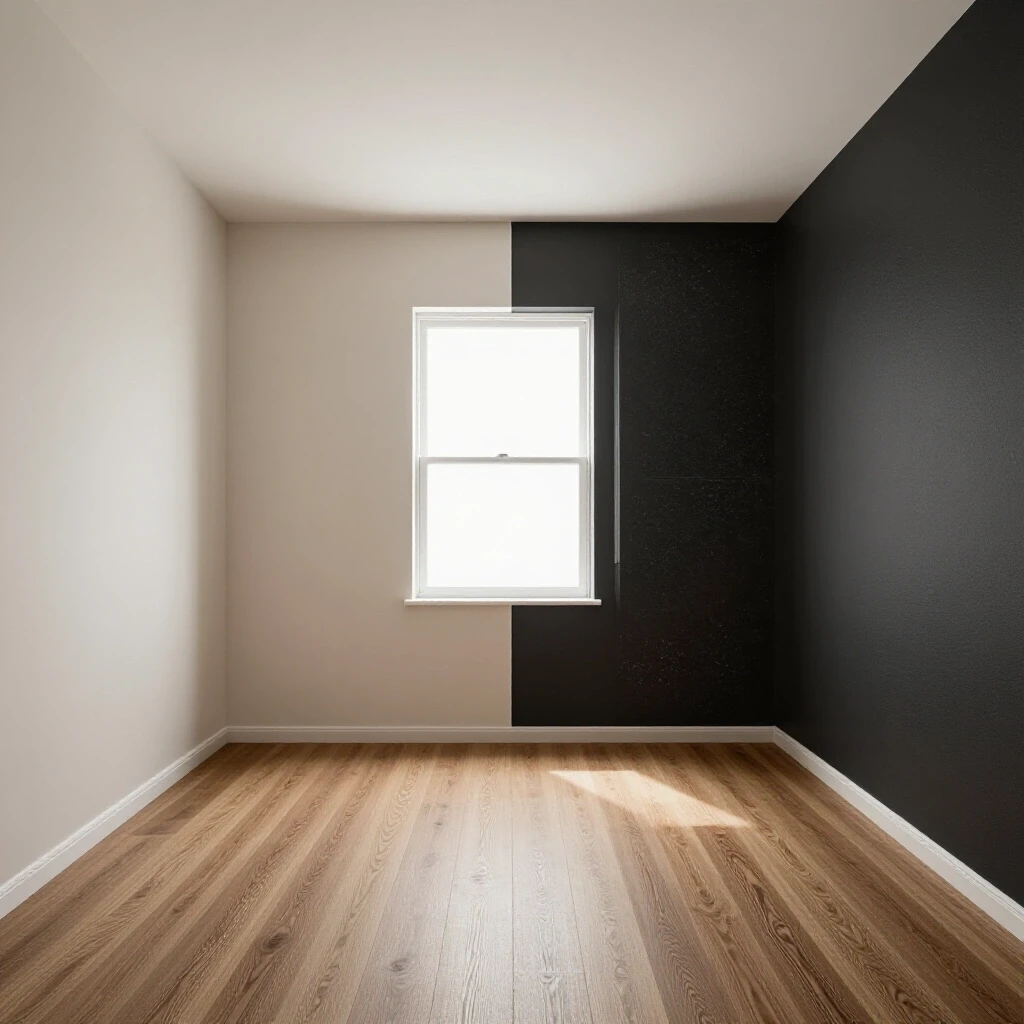
LRV measures how much light a paint color reflects. If you have dark walls (low LRV), light-colored accessories will stand out more and appear “heavier” or larger. If you have light walls (high LRV), dark accessories will create a strong silhouette. Consider the contrast when choosing the physical size of an object.
Is there a rule for how wide a lampshade or top accessory should be?
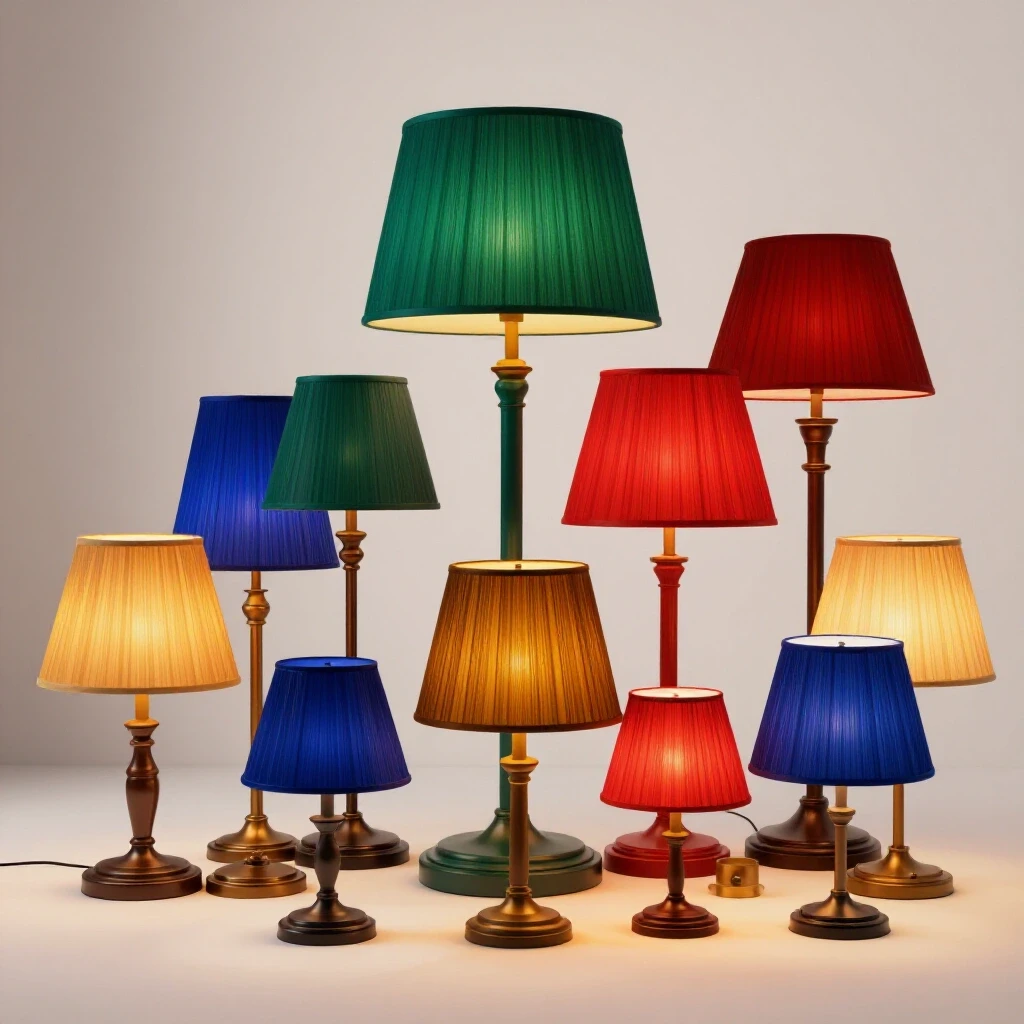
A good rule of thumb is that the widest part of the accessory should not be wider than the table it is sitting on. Ideally, it should be at least 2 inches narrower than the table edge on all sides to prevent it from being easily bumped by people walking past.
Can I use a floor-standing item in a small room?
Yes, but focus on the “visual footprint.” A floor item with a slim, vertical profile takes up very little actual floor space but adds necessary height to a room. Ensure it stays out of the 36-inch walking pathway to maintain functional room layouts.
How do I balance a room with an asymmetrical layout?
Use visual weight rather than identical items. If you have a large window on one side, balance it with a large piece of art or a substantial furniture group on the other. The goal is for the “heaviness” of the two sides to feel equal when you stand in the center of the room.
What is the best way to test scale before buying?
The “cardboard mock-up” is the most effective tool. Cut a piece of cardboard to the height and width of the item you are considering and place it in the spot. This helps you see if it blocks a view, hits your elbow, or looks too small for the surrounding furniture.
Does the style of the furniture change the scale rules?
The math of the 2/3 rule remains fairly constant across styles. However, “minimalist” furniture often has less visual weight, so you might choose accessories with cleaner lines. “Traditional” furniture is often bulkier, requiring accessories with more physical mass to look proportional.
How often should I re-evaluate the scale of my rooms?
I recommend a “livability audit” every six months or whenever your family’s needs change (such as a child starting to crawl or beginning to work from home). Small adjustments to the placement and scale of your decor can significantly improve how the house functions for your current lifestyle.
(This article was written by one of our staff writers, James Whitaker. Visit our Meet the Team page to learn more about the author and their expertise.)