How to Mix Furniture Styles Without Matching Sets (Easy Guide)

Walking into a living room where the sofa, loveseat, and coffee table all come from the same collection can feel like a relief at first. It is an easy decision that removes the stress of coordinating different pieces. However, after years of watching families live in these spaces, I noticed a recurring pattern. These “showroom” rooms often feel static and struggle to adapt as a family’s needs change. When one piece breaks or the family grows, the entire set feels compromised. The challenge lies in moving away from these pre-packaged sets toward a home that feels gathered over time, which offers more flexibility and a much higher level of long-term satisfaction.
The Shift from Uniform Sets to Curated Living
Choosing individual pieces instead of buying a full furniture suite allows a room to grow and change with your family. This approach focuses on finding items that serve specific functions while sharing a common visual language, rather than being identical copies of one another.
In my fifteen years as a retail merchandising manager, I spent countless hours analyzing how people interact with their furniture. I saw that customers who bought the “complete set” often returned a few years later feeling bored or stuck. They couldn’t replace a single chair without making the rest of the room look “off.” On the other hand, those who mixed styles—perhaps a modern sofa with a vintage wooden cabinet—tended to keep their furniture longer. Longitudinal studies in environmental psychology suggest that environments with visual variety can reduce “habituation,” which is the psychological term for when we stop noticing and appreciating our surroundings. A room with diverse textures and eras keeps the eye moving and the mind engaged.
Understanding Visual Weight and Room Balance
Visual weight refers to how much “space” an object seems to take up in a room based on its color, size, and texture. Balancing these elements is the secret to making a room with different styles feel intentional rather than cluttered.
When you mix furniture styles, you have to look at the “weight” of each piece. A heavy, dark oak dining table has a high visual weight. If you pair it with heavy, dark oak chairs, the room can feel oppressive. Interestingly, if you pair that same table with lighter, mid-century modern chairs made of bentwood or metal, the room feels balanced. This contrast creates a “visual breather.” In my own home, I once paired a bulky, overstuffed sectional with a glass-topped coffee table. The transparency of the glass balanced the density of the sofa, making a small room feel much larger than it actually was.
Why Diverse Furniture Styles Support Long-Term Livability
A home filled with varied pieces is more resilient to the wear and tear of daily life because it does not require everything to be in pristine, matching condition to look good. This approach prioritizes durability and the ability to swap items in and out as your lifestyle evolves.
One of the biggest pain points for families is the “all or nothing” nature of furniture sets. If a child spills juice on a chair that is part of a matching set, and that fabric is no longer made, the room’s cohesion is ruined. By choosing a mix of styles, you create a home where a new addition feels like a fresh layer rather than a sore thumb.
Table 1: Set-Based vs. Layered Decorating Approaches
| Feature | Uniform Furniture Sets | Layered/Mixed Styles |
|---|---|---|
| Initial Effort | Low; one-stop shopping | Medium; requires thoughtful selection |
| Adaptability | Low; hard to replace single items | High; pieces can move between rooms |
| Visual Longevity | Fades as trends change | Increases as the collection grows |
| Psychological Impact | Can feel “stiff” or like a hotel | Feels personal and grounded |
| Repair Factor | High stress if one piece is damaged | Low stress; mismatched items are expected |
Mastering Spatial Flow and Functional Layouts
Spatial flow is the path people take to move through a room, and a functional layout ensures that furniture placement does not block these natural movements. Proper measurements are the foundation of a room that works for a busy family.
In my experience, the biggest mistake people make when mixing styles is ignoring scale. A tiny vintage chair next to a massive modern sofa looks accidental, not intentional. You must maintain consistent “clearance paths” to ensure the room is walkable. For a high-traffic living room, you should aim for at least 36 inches of walking space in main pathways. Between a coffee table and a sofa, 16 to 18 inches is the standard range to allow for legroom while keeping the table within reach.
- Main Walkways: 36 inches minimum for two people to pass.
- Secondary Paths: 24 to 30 inches (e.g., between a chair and a wall).
- Dining Clearance: 36 inches from the table edge to the wall to allow chairs to pull out.
- Conversation Circles: Furniture should be placed within an 8-to-10-foot diameter to make talking easy.
Using Color and Texture as a Unifying Thread
A cohesive color palette and a thoughtful mix of textures act as the “glue” that holds different furniture styles together. This strategy allows you to combine an industrial metal shelf with a traditional fabric armchair without the room feeling chaotic.
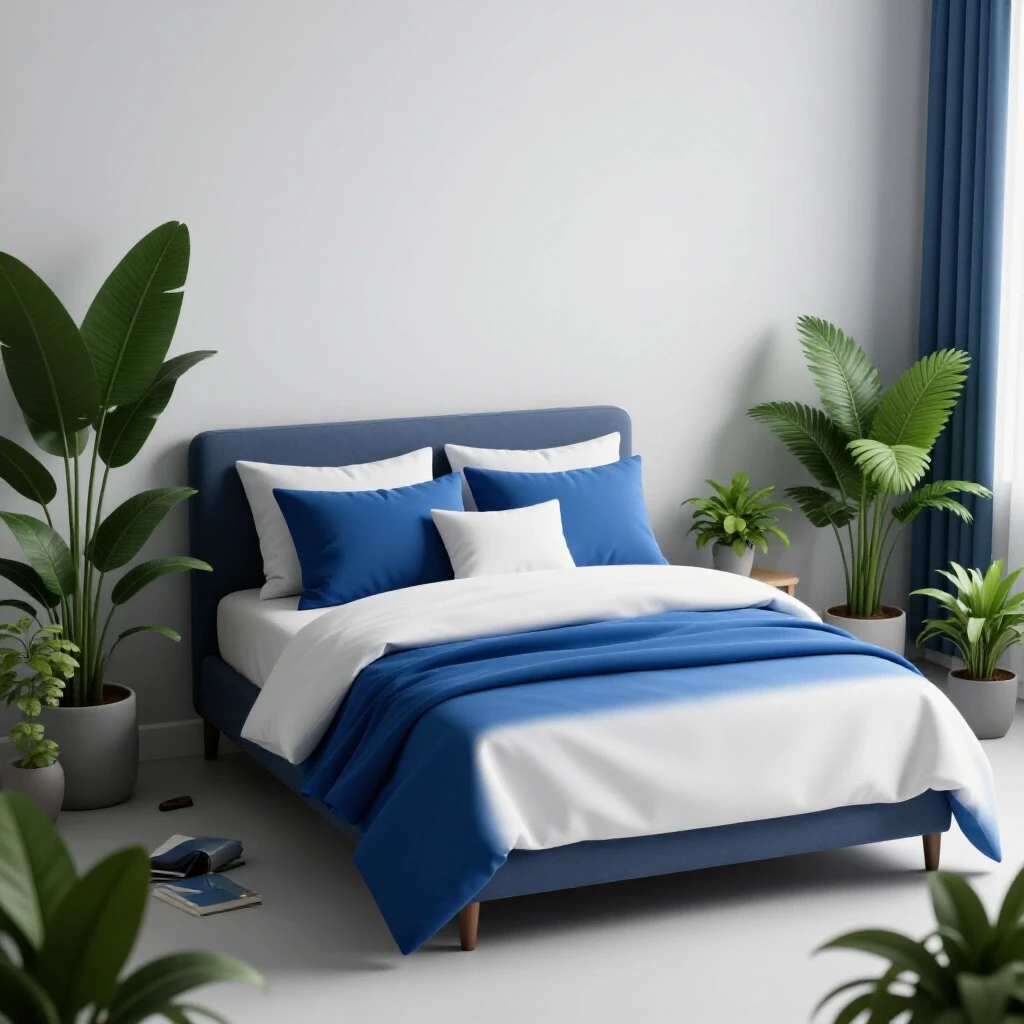
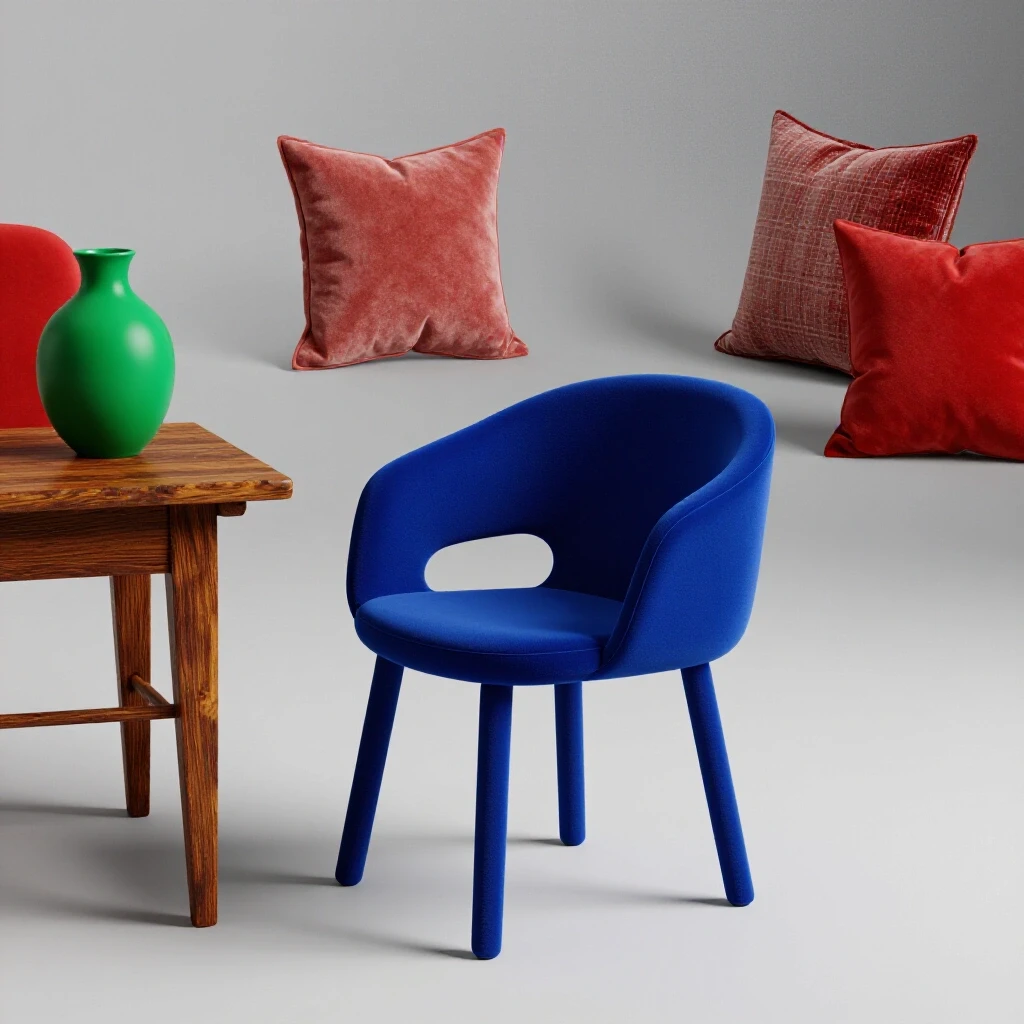
To make a mixed room look professional, I recommend the 60-30-10 rule. This means 60% of the room is a dominant neutral color (usually walls and large furniture), 30% is a secondary color (smaller furniture or rugs), and 10% is an accent color (pillows, art, or lamps). When your pieces share a common color thread, their different shapes and eras become a strength. For example, if you have a blue velvet modern sofa, you might choose a traditional rug that has hints of that same blue. The style of the rug and sofa are different, but the color creates a bridge between them.
Practical Fabric Selection for Multi-Year Durability
Choosing the right fabrics ensures that your mixed furniture collection survives pets, children, and daily use. Understanding performance metrics helps you choose materials that look good for years, not just months.
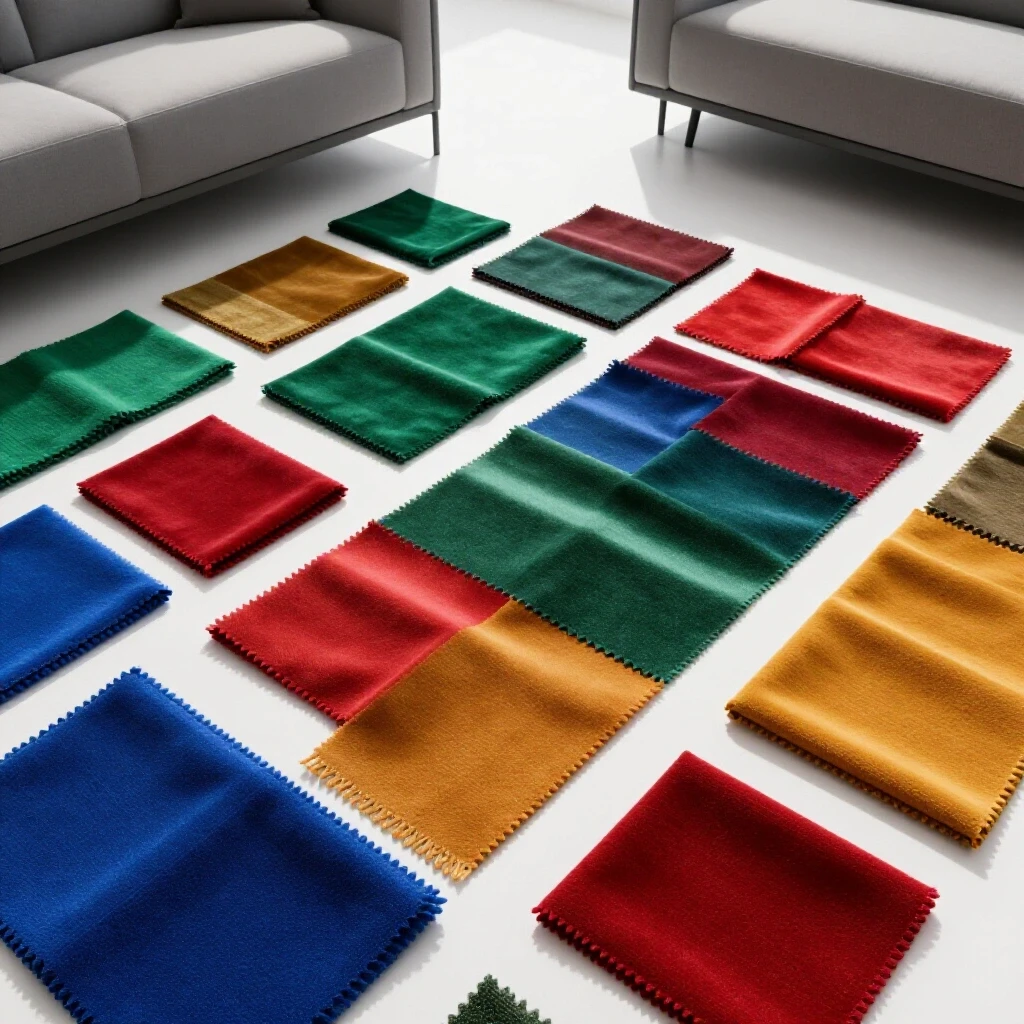
When you aren’t buying a set, you have the freedom to choose the best fabric for each specific piece. For high-use items like the main sofa, look for the Wyzenbeek score, which measures how many times a fabric can be rubbed before it shows wear. For a family home, you want a “heavy duty” rating of at least 15,000 to 30,000 double rubs.
- Leather: High durability; develops a patina over time that hides small scratches.
- Polyester Blends: Excellent for stain resistance and high rub counts.
- Velvet (Synthetic): Surprisingly durable and easy to clean, with high visual depth.
- Cotton/Linen: Best for low-traffic areas as they wrinkle and stain more easily.
The Role of Integrated Storage in a Cohesive Home
Integrated storage refers to furniture that serves a dual purpose—providing a place to sit or display items while hiding clutter. This is essential for maintaining the beauty of a mixed-style room.
A room with different furniture styles can quickly look messy if clutter builds up. During my time in retail, I saw that the most successful “mixed” rooms utilized pieces like storage ottomans or sideboards. A mid-century sideboard is a fantastic piece because it offers a large flat surface for decor but hides toys, electronics, or linens inside. This keeps the focus on your beautiful furniture rather than the “stuff” of daily life. Aim for a storage-to-room ratio where at least 20% of your furniture pieces offer hidden storage.
A Step-by-Step Guide to Room Assessment
Before you buy a new piece of furniture, it is helpful to audit your current space to see what is working and what is missing. This prevents impulse buys that don’t fit your long-term goals.
- Identify the Anchor: Pick the one piece of furniture you love most in the room. This is your starting point.
- Map the Traffic: Use painter’s tape on the floor to mark out 36-inch walkways. If your current furniture blocks these, it’s time to rearrange.
- Check the Light: Note the Light Reflectance Value (LRV) of your paint. A low LRV (dark color) will make furniture look heavier, while a high LRV (light color) can make a mismatched collection feel more airy.
- Test the Textures: Ensure you have at least three different textures in the room (e.g., wood, metal, and soft fabric).
- Evaluate Function: Ask yourself if each piece serves a daily purpose. If a chair is “just for looks” but everyone avoids sitting in it, it’s taking up valuable spatial budget.
Common Decorating Mistakes to Avoid
Even with the best intentions, it is easy to fall into traps that make a room feel disjointed. Recognizing these mistakes early can save you time and money.
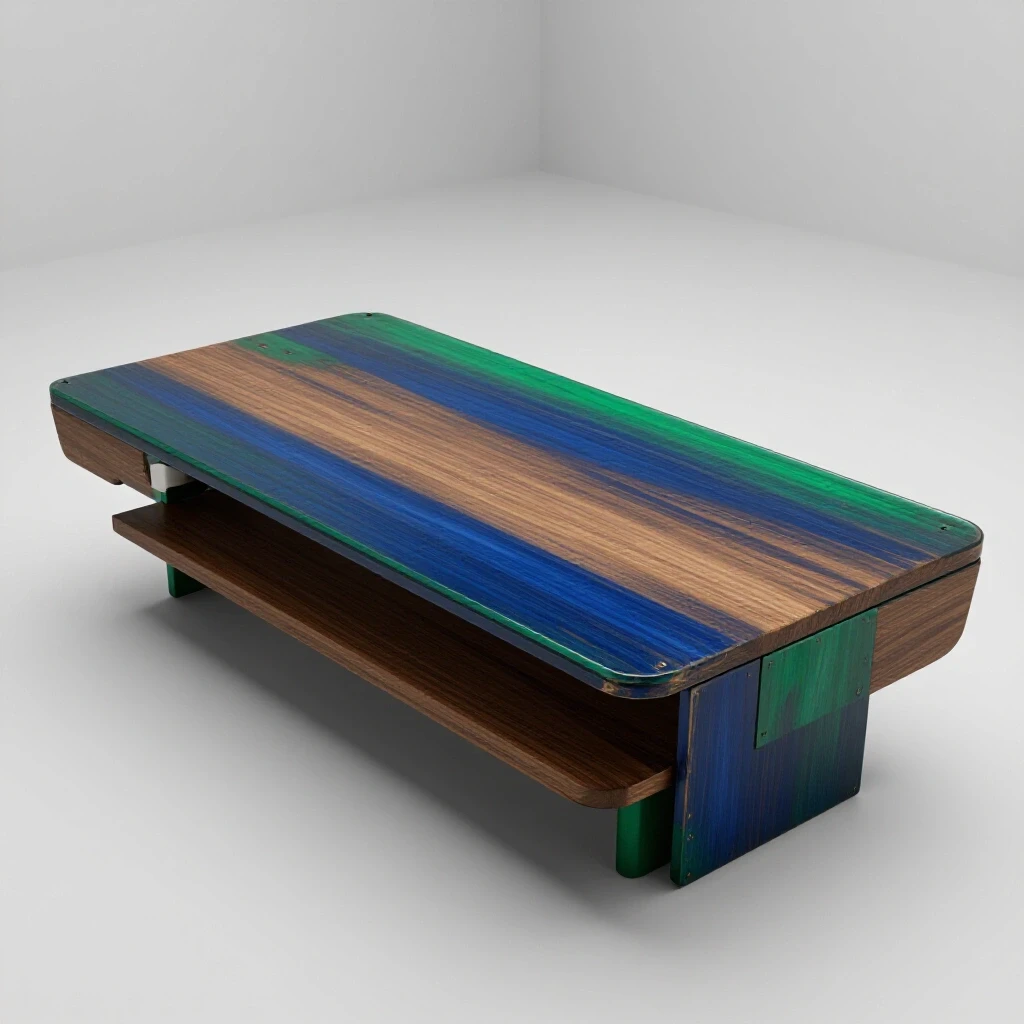
- Matching Wood Tones Exactly: Trying to match every wood finish often looks “off” because natural materials vary. Instead, aim for “complementary” tones—mix warm woods with other warm woods, or cool with cool.
- Ignoring the Rug Size: A rug that is too small will make your furniture look like it is floating. Ensure at least the front legs of all major pieces are resting on the rug.
- Overcrowding: Just because you found a beautiful vintage cabinet doesn’t mean it belongs in a room that is already full. Respect the “spatial budget” of your square footage.
- Buying All New: A room with no history feels flat. Incorporating one or two older or “found” items adds a layer of soul that new furniture cannot replicate.
Building a Room That Lasts
The goal of moving away from uniform furniture sets is to create a space that feels like a reflection of your life. It is about choosing quality over convenience and function over trends. When you stop worrying about whether a chair “matches” the sofa and start asking if it is comfortable, durable, and the right size for the room, you begin to build a home that truly works.
I have found that the most comfortable homes are the ones where the owners weren’t afraid to mix a modern lamp with a traditional table. These homes feel lived-in and loved. They handle the mess of a Tuesday afternoon just as well as a Saturday night dinner party. By focusing on scale, color, and function, you can create a cohesive look that doesn’t come out of a box.
Frequently Asked Questions
How do I start mixing styles if all my furniture currently matches? Start small by replacing one item from your set, like a coffee table or a pair of side chairs. Choose something in a different material—if your set is all wood, try a metal or stone piece. This breaks the “set” look without requiring a full room makeover.
Can I mix different wood colors in the same room? Yes, and it actually looks more natural. The key is to keep the undertones similar. For example, you can mix a light oak with a medium walnut because they both generally have warm undertones. Avoid mixing a very grey “weathered” wood with a bright cherry red wood.
How many different styles can I put in one room? For most people, sticking to two or three styles is the safest bet. For example, “Industrial” and “Modern” or “Traditional” and “Bohemian.” Having one dominant style (about 70% of the room) and one accent style (30%) creates a balanced look.
What is the best way to choose a rug for mismatched furniture? Look for a rug that contains at least two colors found in your furniture. A patterned rug is often better for mixed styles because it acts as a “map” that connects the different colors and textures in the room.
Does every piece of furniture need to be the same height? No, varying heights actually make a room more interesting. However, you want the “seat heights” of your chairs and sofas to be within 1 or 2 inches of each other so people aren’t sitting at significantly different levels during a conversation.
How do I know if a piece of furniture is too big for my room? Follow the 2/3 rule. A sofa should take up about 2/3 of the wall it is against. A coffee table should be about 2/3 the length of the sofa. If a piece exceeds these ratios, it will likely make the room feel cramped.
Is it okay to have different metal finishes like gold and black? Mixing metals is a great way to add depth. Black metal acts as a neutral and pairs well with almost anything. A good rule is to have one “dominant” metal and use a second as an accent in smaller items like picture frames or lamp bases.
What should I do if my mixed furniture feels “messy”? Check your “visual clutter.” Sometimes the furniture isn’t the problem, but the small items on top of them are. Try clearing all surfaces and then only adding back a few meaningful items. Often, a “messy” room just needs a stronger common color to tie the pieces together.
How do I choose a “focal point” in a room with mixed styles? Your focal point should be the largest or most interesting feature, like a fireplace, a large window, or a bold sofa. Arrange your other pieces to support that focal point rather than competing with it.
Is performance fabric worth the extra cost? In a family home, almost always. Performance fabrics are engineered to be stain-resistant and durable. When you are buying pieces individually, investing in a high-quality fabric for your most-used items will save you money on cleaning and replacements in the long run.
(This article was written by one of our staff writers, James Whitaker. Visit our Meet the Team page to learn more about the author and their expertise.)