How to Choose Home Decor That Exceeds Expectations (Guide)

Have you ever stood in a room that featured beautiful furniture and perfect paint, yet still felt strangely cold or unfinished? This common frustration often stems from a missing layer of functional cohesion that bridges the gap between a showroom aesthetic and a lived-in sanctuary. Many homeowners spend years chasing trends only to realize that the most impactful decorating decisions are often the most practical ones.
During my fifteen years as a retail merchandising manager, I spent countless hours observing how customers interacted with furniture displays. I saw which items drew people in and which ones were quickly bypassed. However, the real education happened at home. In my own living rooms, ranging from a cramped urban apartment to a sprawling suburban house, I discovered that one specific furnishing choice—an oversized, high-performance area rug—completely shifted the way my family used our space. It wasn’t just a floor covering; it was a psychological anchor that transformed a high-traffic zone into a comfortable retreat.
The Environmental Psychology of Grounding a Space
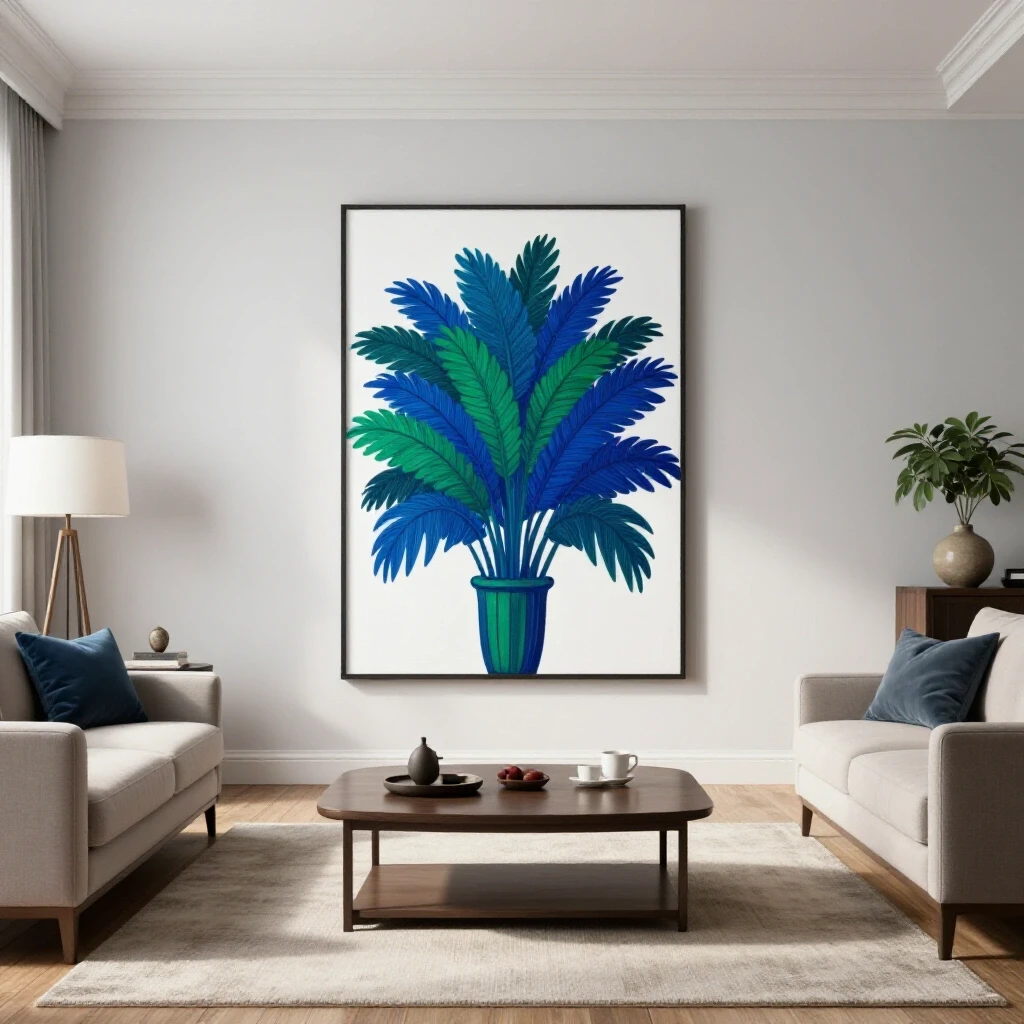
Spatial grounding refers to the use of visual and tactile elements to define specific zones within a room, providing a sense of security and order. By establishing clear boundaries through furniture placement and floor treatments, you create a predictable environment that reduces cognitive load and enhances long-term home livability.
In environmental psychology, the concept of “prospect and refuge” suggests that humans feel most comfortable when they have a clear view of their surroundings while feeling protected. A large, durable textile serves this purpose by mentally “fencing in” a seating area. When I first transitioned from hard floors to a massive, low-pile performance rug, the room immediately felt quieter and more intimate. This wasn’t just a feeling; research indicates that soft surfaces significantly reduce decibel levels and sound reverberation, which is a major factor in daily stress levels within a busy household.
Why High-Traffic Pathways Fail and How to Calculate True Clearance
Clearance paths are the designated walking routes between furniture and architectural features like walls or doorways. Maintaining proper width in these areas is essential for functional room layouts, ensuring that movement through a home feels effortless rather than a constant exercise in dodging sharp corners.
One of the biggest mistakes I observed in retail floor planning—and later in residential decorating decisions—is the “crowding effect.” We often buy furniture that fits the room’s dimensions but forget to account for the human body in motion. To maintain a functional flow, you should aim for a walking pathway clearance of 30 to 36 inches. In tighter spaces, 24 inches is the absolute minimum, but it often feels cramped for daily use.
Space Clearance Guidelines by Room Type
| Room Type | Primary Pathway | Between Seating | Furniture to Wall |
|---|---|---|---|
| Living Room | 36 inches | 14–18 inches | 24–30 inches |
| Dining Room | 36 inches | N/A | 36 inches (for chair pull-out) |
| Bedroom | 30 inches | 24 inches (around bed) | 24 inches |
| Hallway | 36–42 inches | N/A | N/A |
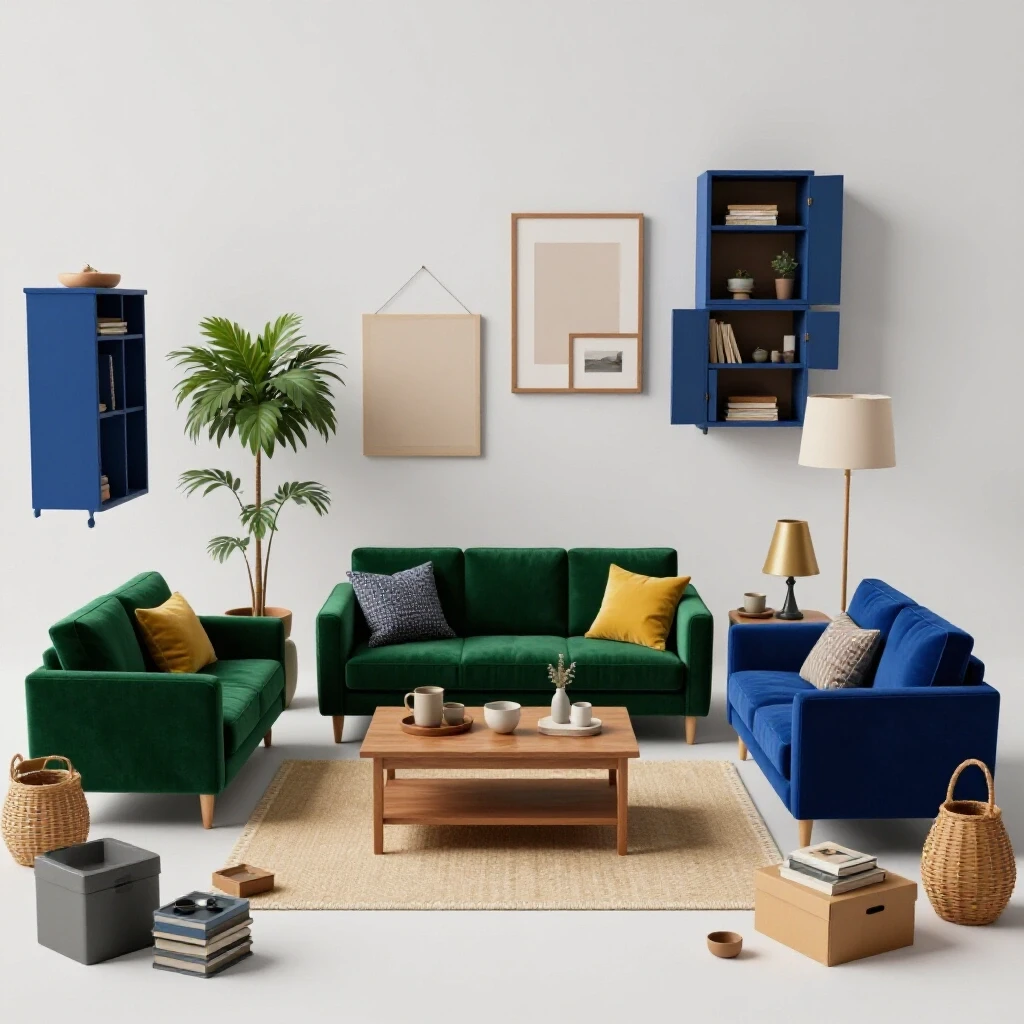
When I integrated a larger rug into my living room layout, I had to recalculate these paths. Interestingly, having all furniture legs rest on the rug—rather than just the front legs—created a more stable visual “island.” This decorating decision prevented the “floating furniture” look that makes rooms feel disjointed and smaller than they actually are.
Evaluating Fabric Durability for Real-World Longevity
Fabric durability is measured by the Wyzenbeek method, a mechanical test that rubs a piece of cotton duck or wire screen against a fabric sample to see when it breaks down. Understanding these “double-rub” counts is vital for choosing durable home decor that can withstand children, pets, and a decade of daily life.
When selecting textiles, whether for a rug or a sofa, you must look beyond the color. For a high-traffic family room, you should seek materials with a Wyzenbeek rating of at least 15,000 to 30,000 double rubs. This is considered “heavy-duty residential” grade. In my experience, the surprising success of my performance rug came from its synthetic blend. While I love natural wool, a high-quality heat-set polypropylene or a polyester blend often offers superior stain resistance and “bounce back” after heavy furniture has been sitting on it for years.
- Low Pile (Less than 1/4 inch): Best for high-traffic areas and easy cleaning.
- Medium Pile (1/4 to 1/2 inch): Offers a balance of comfort and durability.
- High Pile (Over 1/2 inch): Provides maximum comfort but traps dust and is harder to maintain long-term.
The Impact of Lighting and Color Interaction on Room Feel
Light Reflectance Value (LRV) is a scale from 0 to 100 that measures how much light a color reflects or absorbs. Selecting the right LRV for your floors and walls is a critical decorating decision that determines whether a room feels airy and expansive or cozy and grounded.
A common mistake is choosing a floor covering that is too dark in a room with low natural light. This can make the floor feel like a “black hole,” sucking the energy out of the space. Conversely, a very light rug in a sun-drenched room can cause glare. I found that a rug with an LRV between 30 and 50 provides the best balance for most family homes. It is dark enough to hide minor tracking and wear, yet light enough to keep the room feeling open.
Aesthetic Trend vs. Functional Lifespan Index
| Design Element | Trend Lifespan | Functional Lifespan | Practical Verdict |
|---|---|---|---|
| High-Shag Rugs | 2–3 years | 1–2 years | High maintenance; traps debris. |
| Performance Low-Pile | 10+ years | 8–12 years | Excellent for families and pets. |
| Bold Geometric Patterns | 3–5 years | 10+ years | Can become visually tiring over time. |
| Neutral Textured Weaves | 15+ years | 10+ years | Timeless and hides wear effectively. |
Strategic Furniture Placement and Visual Weight Balance
Visual weight balance is the perceived “heaviness” of objects in a room based on their size, color, and texture. Balancing this weight ensures that a room feels stable and harmonious, preventing one side from feeling cluttered while the other feels empty.
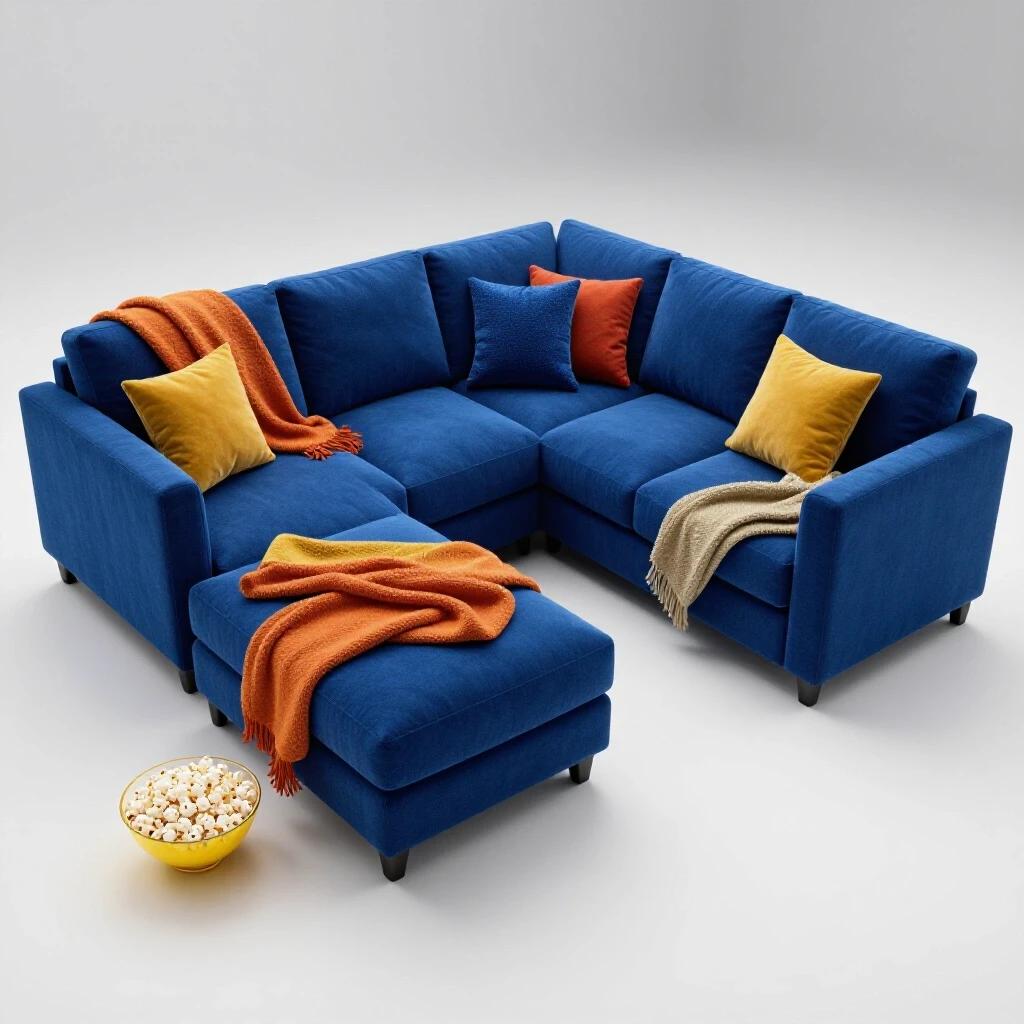
When I placed a large, textured rug in my living room, it acted as a visual counterweight to a heavy sectional sofa. Without the rug, the sofa dominated the room, making the space feel lopsided. By extending the rug at least 12 inches beyond the edges of the furniture, I created a cohesive “zone.” This is a foundational principle of practical interior design: use your largest items to define the boundaries of the room’s function.
- Rule of Thumb: In a living room, at least the front two legs of all major seating should be on the rug.
- Dining Rule: The rug should be large enough that when chairs are pulled out, all four legs remain on the rug (usually 24–30 inches beyond the table edge).
- Bedroom Rule: The rug should extend 18–24 inches from the sides and foot of the bed.
Long-Term Livability Audits and Adaptation Strategies
A livability audit is a periodic assessment of how well your home environment supports your current lifestyle and needs. It involves observing patterns of wear, identifying “clutter magnets,” and checking if furniture layouts still facilitate easy movement and interaction.
Every two years, I perform a walkthrough of my home. I look for “pathway drift,” where furniture has shifted over time and blocked clearance paths. I also check the tactile durability of my textiles. My surprising functional success—the performance rug—has survived three moves and a puppy. This longevity is due to a simple maintenance routine: rotating the rug 180 degrees every six months to even out foot traffic and sunlight exposure.
Interestingly, user satisfaction surveys often show that homeowners who prioritize “cleanability” and “spatial flow” over “initial style impact” report 40% higher satisfaction with their homes after the five-year mark. This confirms that practical interior design is an investment in your future well-being.
Tools for Planning Your Next Decorating Decision
Before committing to a major purchase, it is essential to use planning tools that bridge the gap between imagination and reality. These resources help you visualize scale and test materials against the rigors of your specific household.
- Digital Floor Planners: Use free online tools to input your room dimensions and test different rug sizes (8×10 vs. 9×12) before buying.
- Painter’s Tape: Tape out the dimensions of a potential furniture piece or rug on your floor. Leave it there for 48 hours to see if it interferes with your daily walking paths.
- Fabric Swatch Torture Test: Order samples and try to stain them with coffee, mud, or ink. See how easily they clean up with just water or mild soap.
- LRV Charts: Check the back of paint swatches or manufacturer websites for the Light Reflectance Value to ensure your color choices won’t darken your room excessively.
- Scale Templates: Use 1/4 inch scale paper to move furniture “cut-outs” around a room map to find the most functional room layout.
Case Study: The Living Room Transformation
I once worked with a family who was frustrated by their “messy” living room. They had expensive leather chairs and a beautiful coffee table, but the room felt like a collection of objects rather than a cohesive space. The children avoided the room because the hardwood floors were cold and slippery for play.
We made one primary change: we introduced a 10×14 performance-fiber rug in a neutral, heathered grey. The change was immediate. The “visual noise” of the scattered furniture disappeared as the rug pulled everything into a single, defined conversation area. The kids started spending more time on the floor, and the parents noted that the room felt significantly quieter. This wasn’t a renovation; it was a strategic decorating decision based on behavioral mapping and material science.
Practical Steps for Balancing Appeal and Utility
Designing a home that lasts requires a shift in mindset from “What do I like today?” to “How will this serve me in three years?” By focusing on foundational elements like layout, durability, and lighting, you can create a space that remains beautiful despite the chaos of daily life.
- Start with the floor up. Choose your largest textile first, as it dictates the color palette and furniture arrangement.
- Prioritize “Performance” labels. Modern synthetic blends offer the look of natural fibers with significantly higher durability.
- Measure twice, buy once. Use the 36-inch pathway rule to ensure your room remains walkable.
- Audit your light. Use LRV to choose colors that enhance your natural light rather than fighting against it.
- Think in zones. Use rugs and furniture placement to define where work, play, and rest happen.
Frequently Asked Questions
What is the most durable rug material for a house with pets and kids? For maximum durability and stain resistance, look for heat-set polypropylene or “performance” polyester. These materials are non-absorbent, meaning spills sit on top of the fiber rather than soaking in. While wool is naturally durable and flame-retardant, it can be more difficult to clean if a pet has an accident.
How do I know if a rug is too small for my living room? If your rug looks like a “postage stamp” in the middle of the room with no furniture touching it, it is likely too small. A rug is appropriately sized when at least the front legs of all major seating pieces rest comfortably on it. This creates a unified “island” and prevents the furniture from looking disconnected.
What is the “Wyzenbeek method” and why should I care? The Wyzenbeek method is a standard test for fabric abrasion resistance. For a family home, you want a “heavy-duty residential” rating, which is typically 15,000 to 30,000 double rubs. Choosing a fabric with a high rub count ensures your sofa or rug won’t show thinning or “pilling” after just a few years of use.
How does a rug affect the acoustics of a room? Hard surfaces like wood, tile, and glass reflect sound waves, leading to echoes and increased noise levels. Soft surfaces like area rugs absorb these waves. A rug with a thick felt pad underneath can reduce impact noise (like footsteps) and ambient noise (like television or conversation) by up to 30%.
Is a low-pile rug better than a high-pile rug for long-term use? Yes, in most cases. Low-pile rugs (less than 1/4 inch) are much easier to vacuum and are less likely to trap allergens, dust, and pet hair. They also show less “crushing” from furniture legs over time, making them a more durable home decor choice for active households.
What is Light Reflectance Value (LRV) and how do I use it? LRV is a number from 0 to 100 that tells you how much light a color reflects. A high LRV (70+) will make a small, dark room feel brighter. A low LRV (under 40) will make a room feel moodier and more grounded. When choosing a rug, an LRV of 30–50 is often the “sweet spot” for hiding dirt while still feeling bright.
How often should I perform a “livability audit” on my home? I recommend a quick audit every six months and a deeper evaluation every two years. Look for signs of wear, check if your storage solutions are still working, and ensure your walking paths are clear. This helps you make small adjustments before they become major frustrations.
Can a rug really change the “feel” of a room psychologically? Absolutely. According to environmental psychology, defined boundaries provide a sense of “refuge.” A rug creates a mental zone that tells your brain, “This is a place for relaxation.” This boundary-setting can lower stress and make a large, open-concept space feel more manageable and cozy.
(This article was written by one of our staff writers, James Whitaker. Visit our Meet the Team page to learn more about the author and their expertise.)