Home Decor Choices That Increase Property Value (Expert Guide)

A surprising fact often overlooked by homeowners is that the human brain processes a room’s “value” in less than seven seconds, primarily through the ease of movement and visual harmony. This psychological response has less to do with the price of your sofa and everything to do with how the space is merchandised for daily life. As a former retail merchandising manager with 15 years of experience, I have spent my career studying how people interact with physical environments. In a retail setting, if a customer bumps into a display, they leave the store; in a home, if a family member constantly navigates around a poorly placed chair, the room feels “expensive” in terms of stress rather than worth.
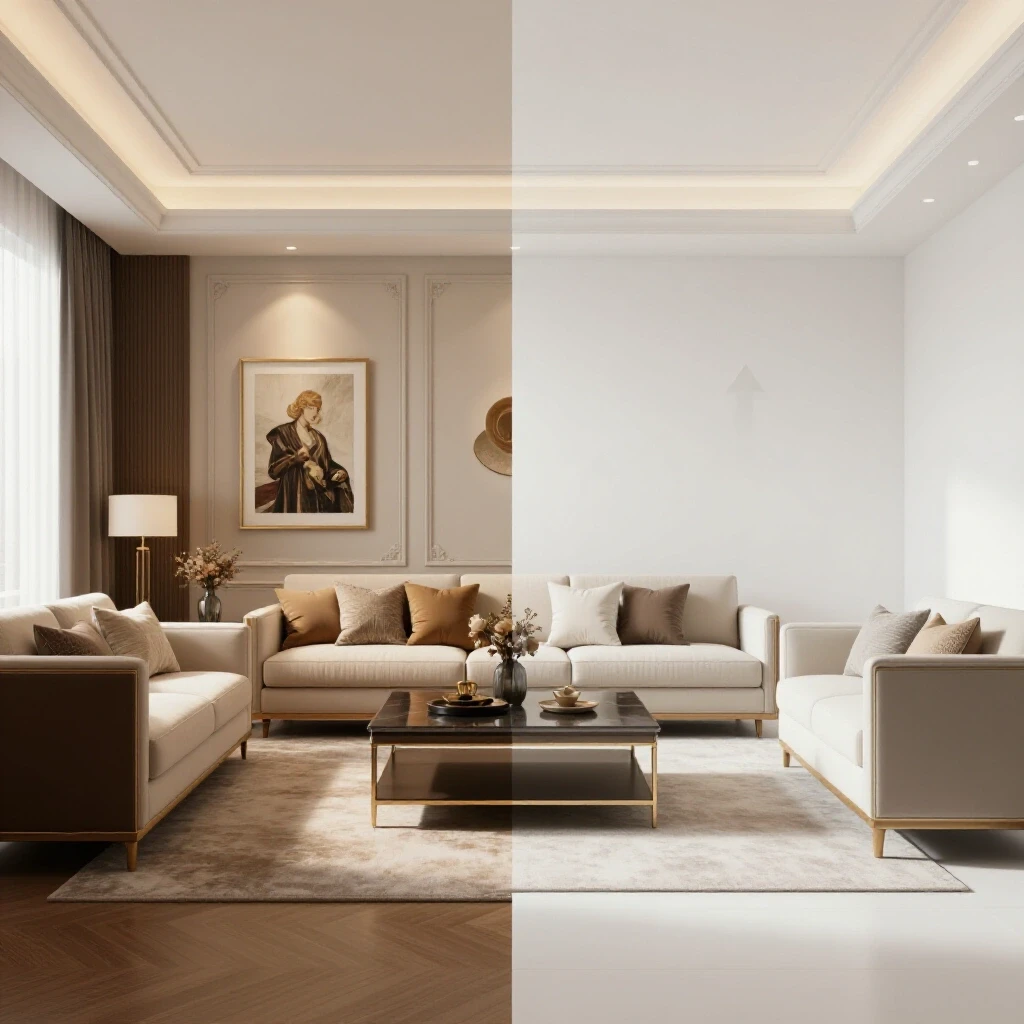
During my years evaluating interior design choices, I have found that the most successful homes are those that balance immediate visual appeal with multi-year livability. I have lived in compact urban apartments and sprawling suburban houses, and the lessons remain the same. The decorating choices that real estate professionals often highlight as value-adds are rarely the trendy, “of-the-moment” pieces. Instead, they are the functional room layouts, durable home decor, and strategic storage integrations that make a house feel effortless to inhabit.
The Environmental Psychology of Living Spaces
Environmental psychology is the study of how our physical surroundings influence our behavior, stress levels, and overall well-being within a home. It examines the relationship between spatial volume, lighting, and furniture arrangement to determine how a room makes a person feel, whether that is cramped and anxious or open and relaxed.
When I first transitioned from retail to analyzing home interiors, I noticed a recurring pattern. Homes that felt “high value” to visitors always utilized the concept of “Prospect and Refuge.” This is a psychological theory suggesting that humans feel most comfortable in spaces where they have a clear view of the room (prospect) but feel protected (refuge).
In practical interior design, this means placing your primary seating where you can see the entrance of the room without being directly in the path of travel. I once worked with a family who had a beautiful, expensive sectional placed in the middle of their living room, blocking the view of the garden. By simply rotating the layout to open the sightlines, the perceived space of the room expanded. This shift in layout didn’t cost a dime, yet it fundamentally changed how the room was perceived by every guest and potential buyer who walked through the door.
Why High-Traffic Pathways Fail—And How to Calculate True Clearance Paths
Clearance paths are the designated walking routes between furniture and walls that ensure a room feels spacious rather than cramped. These paths are essential for maintaining a functional flow, preventing a “cluttered” feeling, and ensuring that the room can accommodate the natural movement of multiple people simultaneously.
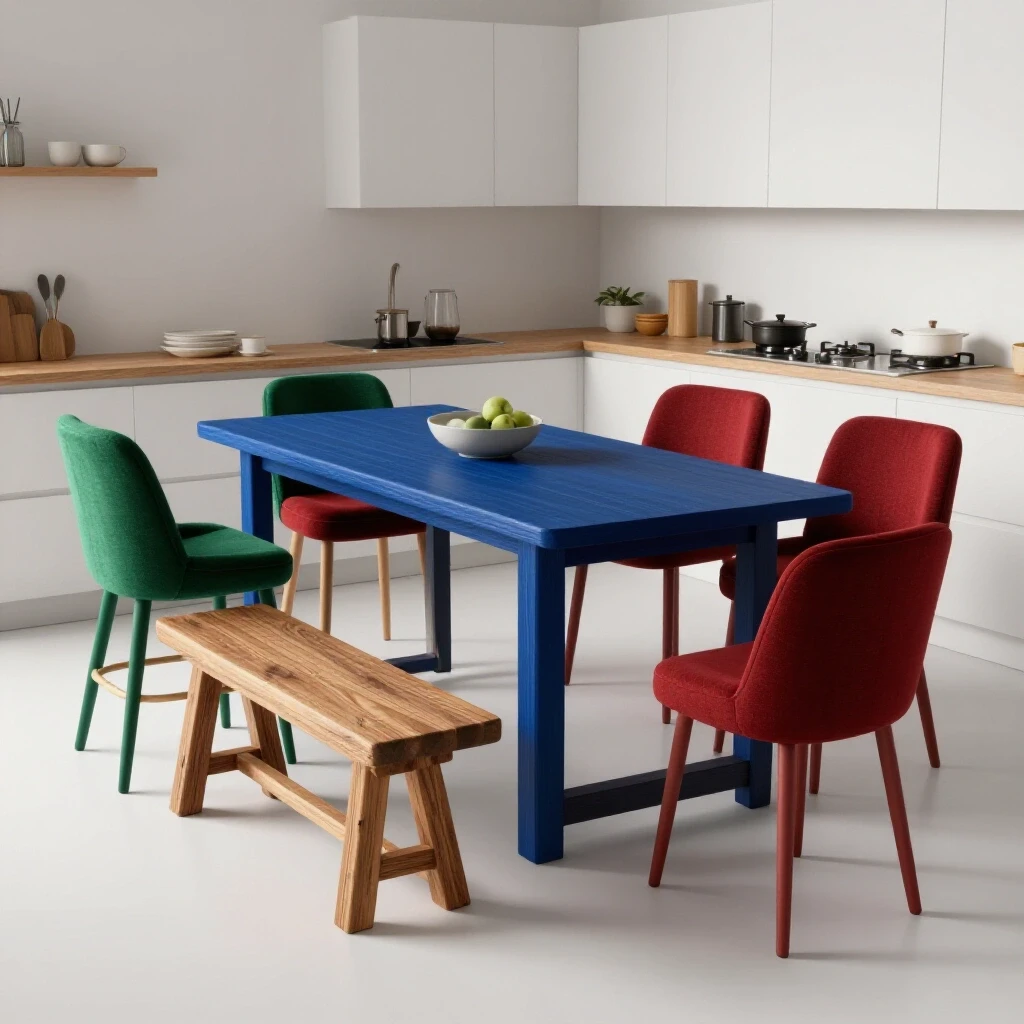
In retail, we call this the “butt-brush effect.” If a customer’s back is touched while they are looking at a product, they will stop looking and move on. The same applies to your home. If a guest has to turn sideways to walk past your dining table, the room feels too small for the house.
The 36-Inch Rule for Walking Paths
The 36-inch rule is a standard measurement used to ensure that primary walkways are wide enough for two people to pass or for one person to move comfortably without feeling restricted. This measurement is a benchmark for creating a sense of luxury and ease in any functional room layout.
- Primary Walkways: Maintain a minimum of 36 inches. This includes the path from the front door to the seating area or the route between the kitchen and the dining table.
- Secondary Paths: For areas between a coffee table and a sofa, 18 inches is the standard. This is close enough to reach a drink but far enough to move your legs.
- Work Zones: In a home office or kitchen, aim for 42 to 48 inches if multiple people share the space.
Furniture-to-Screen Ratios for Comfort
A furniture-to-screen ratio is the calculated distance between a seating area and a television or monitor, designed to prevent eye strain and maximize the room’s utility. This ratio ensures that the scale of the furniture matches the technology, creating a balanced and professional appearance.
I have seen many beautiful rooms ruined by a “TV-first” mentality. To maintain a high-end feel, the distance from your sofa to the screen should be roughly 1.5 to 2.5 times the diagonal width of the screen. If your sofa is too close, the room feels like a theater rather than a living space. If it is too far, the furniture feels disconnected from the walls, creating “dead zones” that realtors find difficult to market.
Selecting Durable Materials for Longevity and Appeal
This involves choosing fabrics and finishes based on their ability to withstand daily friction, spills, and UV exposure without degrading. Selecting materials with high durability ratings ensures that your decorating decisions remain attractive and functional for several years, rather than showing wear after a few months.
One of the biggest frustrations for homeowners is when a “trendy” velvet sofa looks worn out after just one year of family use. When I managed retail displays, we only used materials that could handle thousands of touches. You should apply that same logic to your home.
Understanding the Wyzenbeek Method
The Wyzenbeek method is a standard industry test that measures the durability of a fabric by rubbing a piece of cotton duck or wire mesh back and forth over the material. Each “back and forth” motion is called a double rub, and the total count determines the fabric’s lifespan.
| Fabric Use Category | Double Rub Count (Wyzenbeek) | Best For |
|---|---|---|
| Light Domestic | 6,000 – 9,000 | Decorative pillows, window treatments |
| Medium Domestic | 9,000 – 15,000 | Occasional chairs, guest rooms |
| Heavy Duty | 15,000 – 30,000 | Family room sofas, dining chairs |
| Extra Heavy Duty | 30,000+ | Homes with pets, young children, or high traffic |
When selecting durable home decor, I always advise looking for a minimum of 30,000 double rubs for any piece of furniture that will be used daily. This is a metric that professional stagers and realtors love because it means the home will look “fresh” even after years of residency.
Performance Fabrics and Daily Life
Performance fabrics are textiles engineered to resist stains, odors, and moisture, often using solution-dyed acrylics or polyester blends. These materials provide the soft feel of traditional fabrics while offering the resilience needed for a busy household, making them a cornerstone of long-term home livability.
Interestingly, the rise of performance fabrics has changed the “neutral” game. In the past, a white sofa was a liability. Today, with fabrics like Crypton or Sunbrella, a light-colored room can stay pristine. This is a major factor in perceived value, as light, airy rooms are statistically more appealing to the general public.
Strategic Color Palettes and Light Reflectance Values
Light Reflectance Value (LRV) measures the percentage of light a paint color reflects, impacting how large or bright a room feels. Understanding LRV allows a decorator to choose colors that maximize natural light, which is a primary feature that enhances the visual appeal of a property.
Paint is the most cost-effective tool in your decorating kit. However, I have seen many people choose colors based on a small swatch without understanding how that color will behave in a 12×12 room.
Using LRV to Manipulate Perceived Space
The LRV scale runs from 0 (absolute black) to 100 (pure white). Most professional designers stay within the 60 to 75 range for main living areas. This range is high enough to reflect light and make the room feel spacious, but low enough to provide enough pigment to feel “warm” rather than clinical.
- LRV 80+: Very bright, can feel “washed out” in direct sunlight.
- LRV 60-70: The “sweet spot” for most homes. It feels clean and maximizes the sense of space.
- LRV 50 and below: Absorbs light. Best used for “mood” rooms like libraries or media rooms.
Creating a Cohesive Color Thread
A cohesive color thread is a design technique where a specific color or tone is repeated in varying intensities throughout different rooms. This creates a sense of “flow,” making a home feel larger and more intentionally designed as a single, unified environment.
In retail, we used a “color story” to guide customers through a store. In a home, using a consistent neutral on the walls with varying accents in each room creates a professional, polished look. When a realtor walks through a house where the colors “clash” from room to room, they see a series of small, disconnected spaces. When the colors flow, they see one large, cohesive home.
The Psychology of Visual Clutter and Integrated Storage
Visual clutter refers to an abundance of small, disorganized items that distract the eye and create a sense of chaos in a room. Integrated storage solutions address this by providing dedicated, often hidden, spaces for daily necessities, allowing the room’s design features to stand out.
I once lived in a house with zero built-in storage. My 15 years in merchandising taught me that if there isn’t a “home” for an item, it will live on the kitchen counter. This creates a “mental load” for the inhabitants and a “maintenance warning” for visitors.
Furniture with Hidden Utility
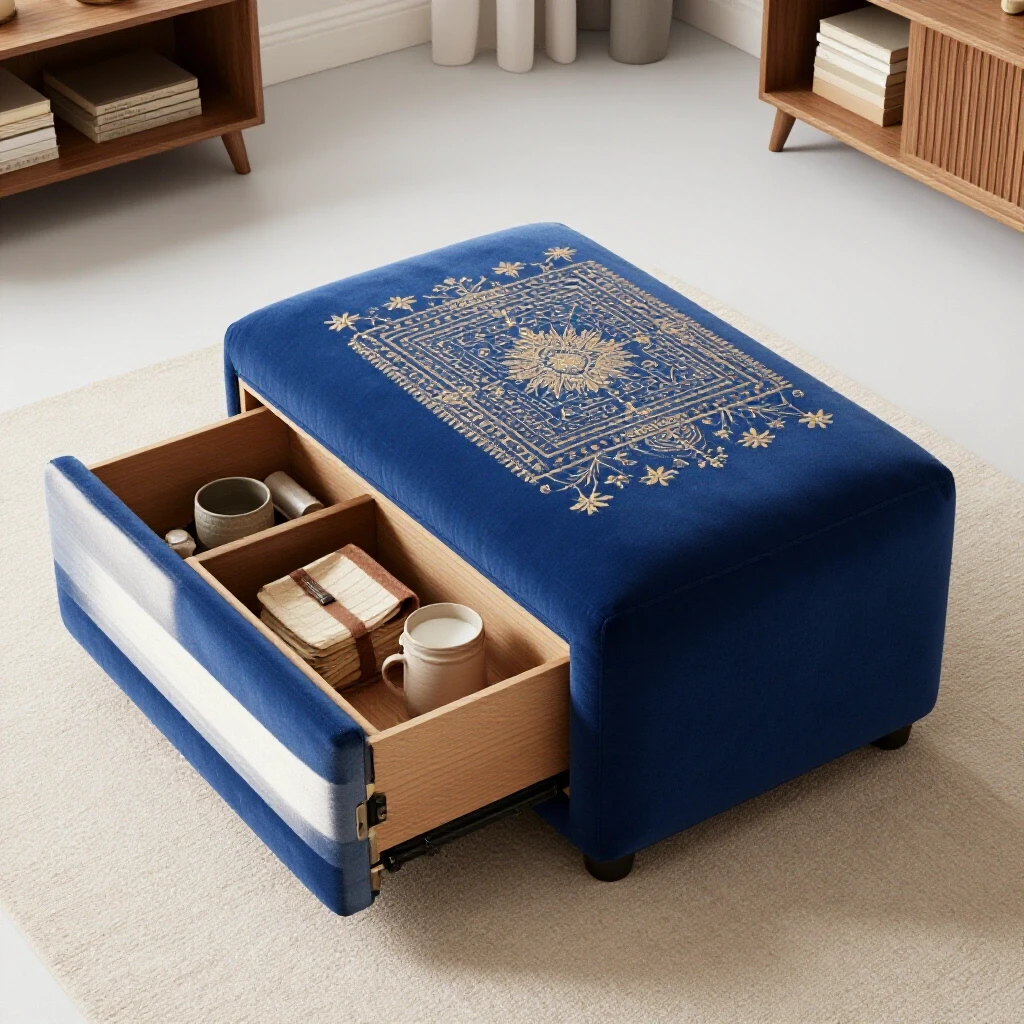
Furniture with hidden utility includes pieces like storage ottomans, beds with drawers, or coffee tables with lift-tops. These items perform a dual function by providing necessary seating or surfaces while simultaneously hiding items that would otherwise contribute to visual clutter.
- Entryway Benches: A bench with a shoe rack underneath keeps the “landing zone” clear.
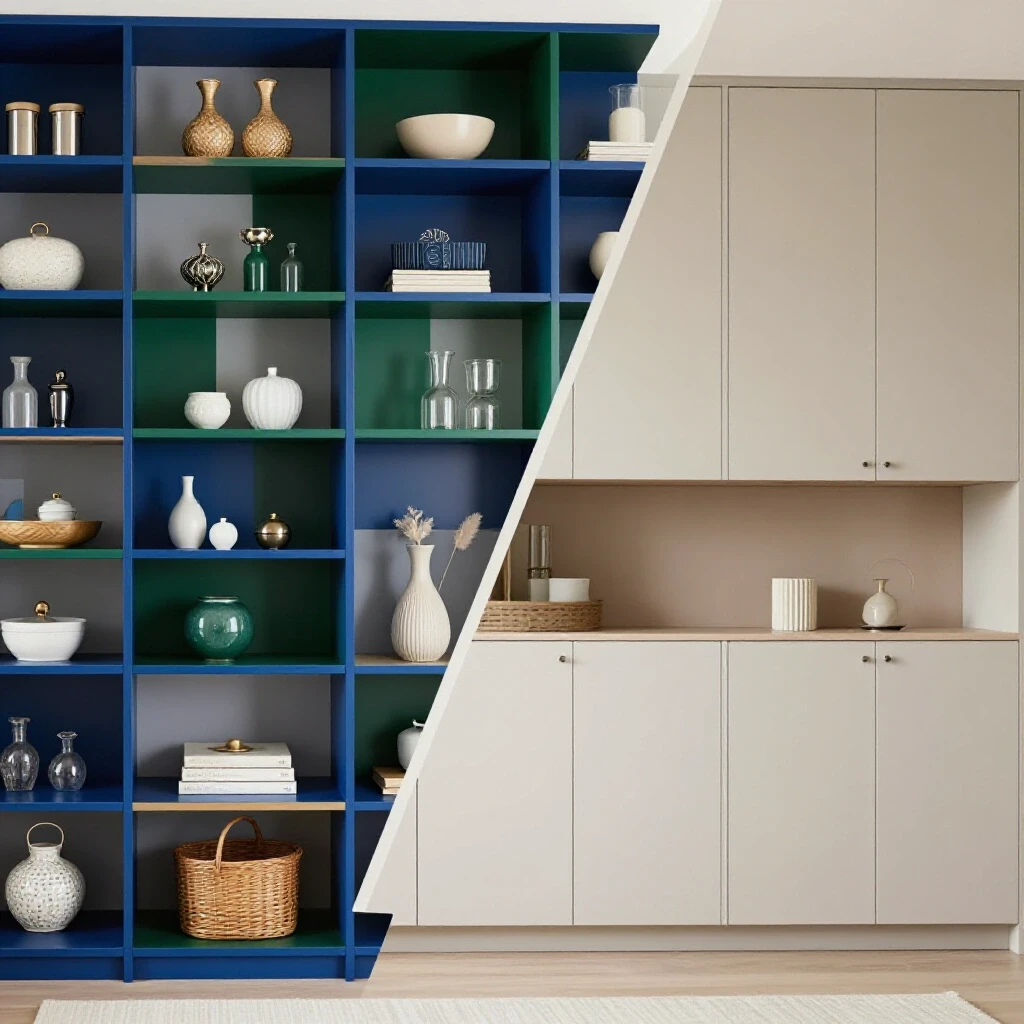
- Modular Shelving: Using uniform baskets on open shelving hides the “mess” while maintaining a clean aesthetic.
- Credenzas: These are superior to open consoles because they hide electronics and paperwork, which are major value-detractors in a living space.
Space Clearance Guidelines by Room Type
To help you visualize these concepts, I have compiled a set of standard measurements that I use when auditing a room’s functionality. These figures are based on standard ergonomic data and my experience in spatial planning.
| Room Type | Key Measurement | Recommended Standard |
|---|---|---|
| Dining Room | Table to Wall Clearance | 36 – 48 inches for chair pull-out |
| Bedroom | Walkway around Bed | 30 inches minimum |
| Living Room | Coffee Table Height | Within 1 inch of sofa seat height |
| Kitchen | Work Triangle Total | 12 – 26 feet total between sink, stove, fridge |
| All Rooms | Rug Sizing | Rug should be 12-18 inches from the wall |
Actionable Design Planner: A Room-by-Room Assessment
To make decorating decisions that last, you must move from inspiration to execution with a plan. Use this numbered list of tools and steps to audit your current space.
- The Blue Tape Test: Use painter’s tape to outline the footprint of any new furniture on your floor. Leave it there for 48 hours. If you trip over the tape, the furniture is too large for the room.
- The Scale Template: Draw your room to scale on graph paper (1 square = 1 foot). Cut out furniture shapes and move them around to find the best flow before buying anything.
- The Fabric Torture Test: Always order fabric swatches. Rub them with a key, spill a drop of coffee on them, and see how they hold up. If it fails the “daily life” test, it doesn’t belong in your home.
- The LRV Check: Paint a 2×2 foot square on at least two walls in a room. Observe it at 10 AM, 2 PM, and 8 PM. Light changes, and your paint will too.
- The Pathway Audit: Walk through your home with a laundry basket. If you have to turn the basket sideways or lift it over furniture to get through a room, your layout is restricting the home’s “value.”
Long-Term Livability Audits: A Case Study
I recall a specific project where a homeowner wanted to “upgrade” their living room. They were looking at a very expensive, delicate silk rug and a low-profile, deep-seated sofa. While these items looked stunning in a showroom, they were impractical for a family with two dogs and a toddler.
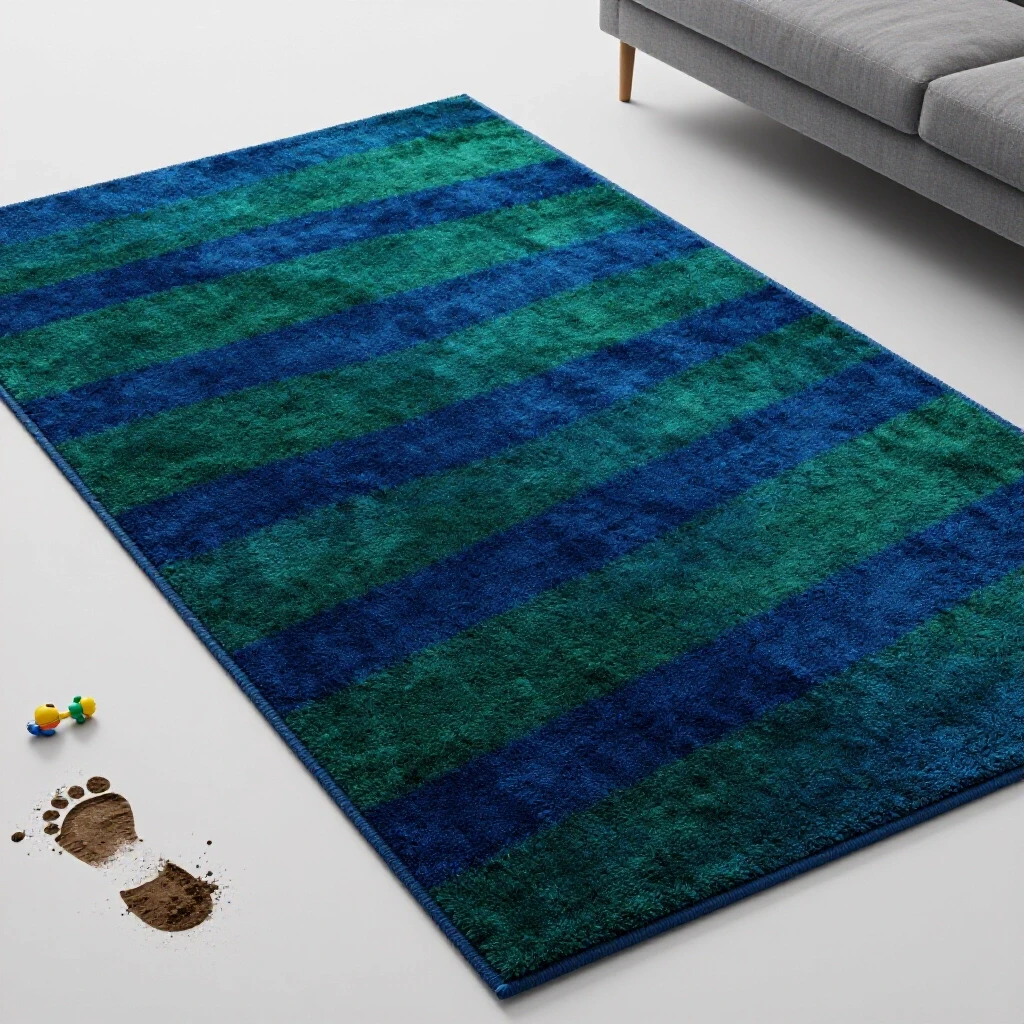
We shifted the plan to a high-pile polyester rug (which is surprisingly durable and easy to clean) and a sofa with a higher seat height and performance fabric. We also swapped a glass coffee table for a round, wooden one to eliminate sharp corners and fingerprints. Three years later, the room still looked new. When they eventually decided to move, the realtor noted that the “immaculate condition” of the furniture and the “open, logical flow” of the room were major selling points.
Conclusion: Next Steps for the Practical Decorator
Creating a home that balances beauty with multi-year livability is a marathon, not a sprint. It requires a shift in mindset from “What looks good right now?” to “How will this perform in three years?” By focusing on clearance paths, material durability, and light reflectance, you are building a foundation that supports both your daily life and the long-term appeal of your property.
Start small. Choose one room this weekend and perform a pathway audit. Move a chair, clear a walkway, or test a new paint color with a high LRV. These small, strategic choices are the ones that truly transform a house into a functional, high-value home.
FAQ
What is the most important measurement for a living room layout?
The most critical measurement is the 36-inch clearance for primary walkways. This ensures that the room feels accessible and spacious. If you have less than 30 inches of space to walk between furniture, the room will feel cramped, regardless of how expensive the decor is.
How do I know if a fabric is truly “family-friendly”?
Look for the Wyzenbeek double rub count. For a family home, you want a fabric with at least 30,000 double rubs. Additionally, check if the fabric is “solution-dyed,” which means the color goes all the way through the fiber, making it much more resistant to fading and staining.
Why does my realtor suggest neutral paint colors?
Neutral colors with a high Light Reflectance Value (LRV) make rooms feel larger and brighter. They also provide a “blank canvas” that allows potential buyers to visualize their own furniture in the space. From a merchandising perspective, neutrals reduce “visual noise,” which makes a home feel more peaceful.
Does a rug size really affect the perceived value of a room?
Yes. A rug that is too small makes a room look disjointed and “cheap.” Ideally, all furniture legs should sit on the rug, or at the very least, the front legs of all seating pieces. This “anchors” the room and creates a defined, professional-looking conversation area.
What is the best way to hide “daily clutter” without buying more cabinets?
Invest in “double-duty” furniture. A storage ottoman can hold blankets and toys while serving as a footrest. A credenza in the dining room can store office supplies or board games. The goal is to keep flat surfaces—like counters and tables—clear, which instantly increases the perceived worth of the room.
How can I tell if my furniture is out of scale for my room?
If a piece of furniture takes up more than two-thirds of a wall’s length, it is likely too large. Similarly, if your coffee table is less than half the length of your sofa, it will look “lost.” Proper scaling ensures that the room feels balanced and intentional.
Is it worth buying “performance” versions of rugs and fabrics?
In almost every case, yes. While the initial cost may be slightly higher, the long-term livability is significantly better. Performance materials maintain their “new” look for years, whereas standard materials often show “traffic paths” or permanent stains within the first 12 months.
How does lighting impact how a room’s quality is perceived?
Lighting is the “merchandising” of the home. Using a mix of overhead, task, and accent lighting (the “three-layer rule”) creates depth. A room with only one harsh overhead light feels flat and “cheap,” while a layered approach highlights the room’s best features and creates a warm, inviting atmosphere.
What is the “Light Reflectance Value” I should look for in a dark room?
If a room lacks natural light, aim for an LRV of 70 or higher. This will help bounce whatever light is available around the space. Avoid dark colors in small, windowless rooms, as they will absorb the light and make the space feel smaller and more “enclosed.”
Can furniture placement really make a house feel more expensive?
Absolutely. A layout that follows logical “traffic patterns” and respects “visual weight” feels professional. When a room is arranged so that it is easy to enter, easy to sit in, and easy to move through, it signals to the brain that the home is well-maintained and thoughtfully designed.
(This article was written by one of our staff writers, James Whitaker. Visit our Meet the Team page to learn more about the author and their expertise.)