How to Keep Kitchen Counters Clutter-Free (Daily Habit Guide)

The gray light of a rainy Tuesday morning has a way of highlighting every stray item left on a kitchen island. When the clouds hang low and the drizzle hits the window, the indoor environment becomes our entire world. For years, I watched how retail displays influenced shoppers, but moving into a busy family home taught me that a store’s “perfect” layout rarely survives a Wednesday afternoon. My time as a merchandising manager showed me that the most beautiful spaces are those designed for how people actually move, not just how they look in a photo.
In my fifteen years of evaluating home design, I have found that the most common frustration isn’t a lack of style. Instead, it is the gap between a high-end look and the reality of daily life. We often buy furniture because it looks sleek, only to find it becomes a magnet for mail, keys, and loose change. This creates a cycle of visual noise that affects our stress levels. By looking at the psychology of our spaces, we can create functional room layouts that support long-term home livability without needing a massive renovation.
The Environmental Psychology of Horizontal Surfaces
This field examines how the physical layout of a home influences human behavior and emotional well-being. It focuses on why certain areas, like flat countertops or tables, naturally attract objects. Understanding this allows us to design spaces that work with our instincts rather than against them, leading to a more peaceful environment.
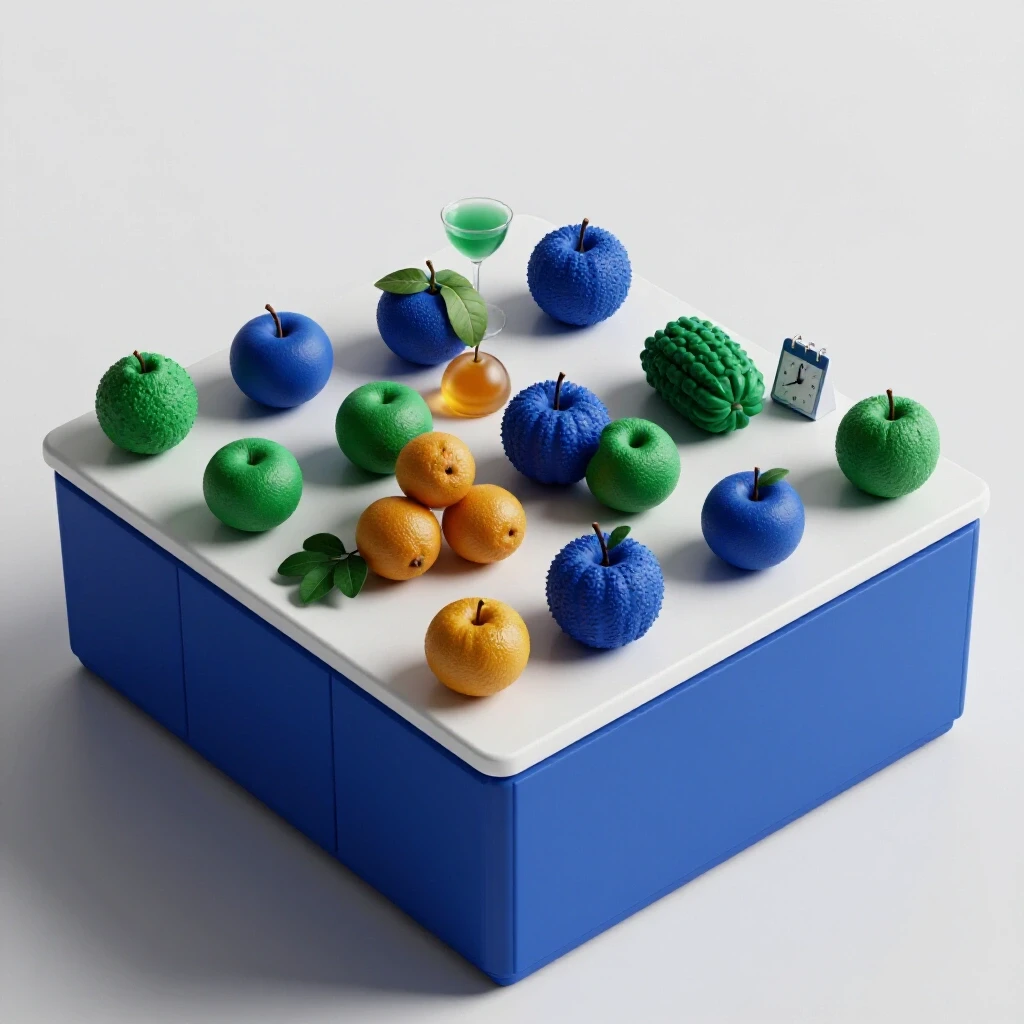
In retail, we knew that any flat surface at waist height was “prime real estate.” In a home, these surfaces are “landing zones.” According to environmental psychology studies, humans have a natural tendency to offload handheld items onto the first available flat plane upon entering a room. This is why a beautiful marble counter often disappears under a pile of paperwork.
To manage this, we must look at the “affordance” of a surface. An affordance is a quality of an object that allows an individual to perform an action. A large, empty counter “affords” stacking. By placing a small, intentional decorative item or a functional tray in that space, we change the affordance. The surface no longer says “pile things here”; it says “this space is occupied.” This small shift in practical interior design helps maintain order by guiding where things should—and should not—go.
Mapping Household Traffic to Prevent Surface Pile-ups
Behavioral mapping is the process of tracking how people move through a room to identify where “bottlenecks” and “clutter magnets” occur. By observing these patterns, we can adjust furniture placement to ensure that paths are clear and that storage is located exactly where items tend to accumulate.
I remember a specific house where the kitchen counter was always buried. After tracking the family’s movement for a week, I realized the issue wasn’t a lack of discipline. The issue was that the nearest “home” for their mail was in an office at the back of the house. No one wanted to walk twenty extra steps after a long day. We adjusted the functional room layout by placing a small, durable console table right by the entry.
When planning your layout, consider these standard clearance ranges to ensure the room feels open and functional:
| Area Type | Recommended Clearance | Why It Matters |
|---|---|---|
| Main Walking Pathways | 36 – 42 inches | Allows two people to pass without bumping. |
| Work Triangle (Kitchen) | 4 – 9 feet (total) | Minimizes steps between sink, stove, and fridge. |
| Seating to Coffee Table | 14 – 18 inches | Close enough to reach a drink, far enough for legs. |
| Behind Dining Chairs | 32 – 36 inches | Allows people to pull out chairs and walk behind. |
Choosing Durable Materials That Support Daily Maintenance
Material selection involves picking finishes, fabrics, and surfaces based on their ability to withstand wear, stains, and frequent cleaning. In a busy home, the durability of a material is just as important as its color. This ensures that the home stays looking new for several years.
When we talk about durable home decor, we have to look at the numbers. For seating near high-traffic surfaces, the Wyzenbeek method is the industry standard for measuring fabric rub counts. For a family home, you should look for fabrics with at least 30,000 double rubs. This ensures the material won’t thin or pill after a few years of kids and pets sliding on and off the furniture.
The color of your surfaces also plays a psychological role in how “clean” a room feels. This is measured by the Light Reflectance Value (LRV). LRV runs on a scale from 0 (black) to 100 (white).
- High LRV (70-90): Reflects more light. These surfaces show every crumb and water spot, which can actually encourage you to wipe them down more often.
- Mid-Range LRV (40-60): These are the “workhorses.” They hide dust and minor streaks well, making them ideal for long-term home livability.
- Low LRV (0-20): Dark surfaces can look sophisticated but often show dust and fingerprints more than any other shade.
Designing Integrated Storage for Long-Term Livability
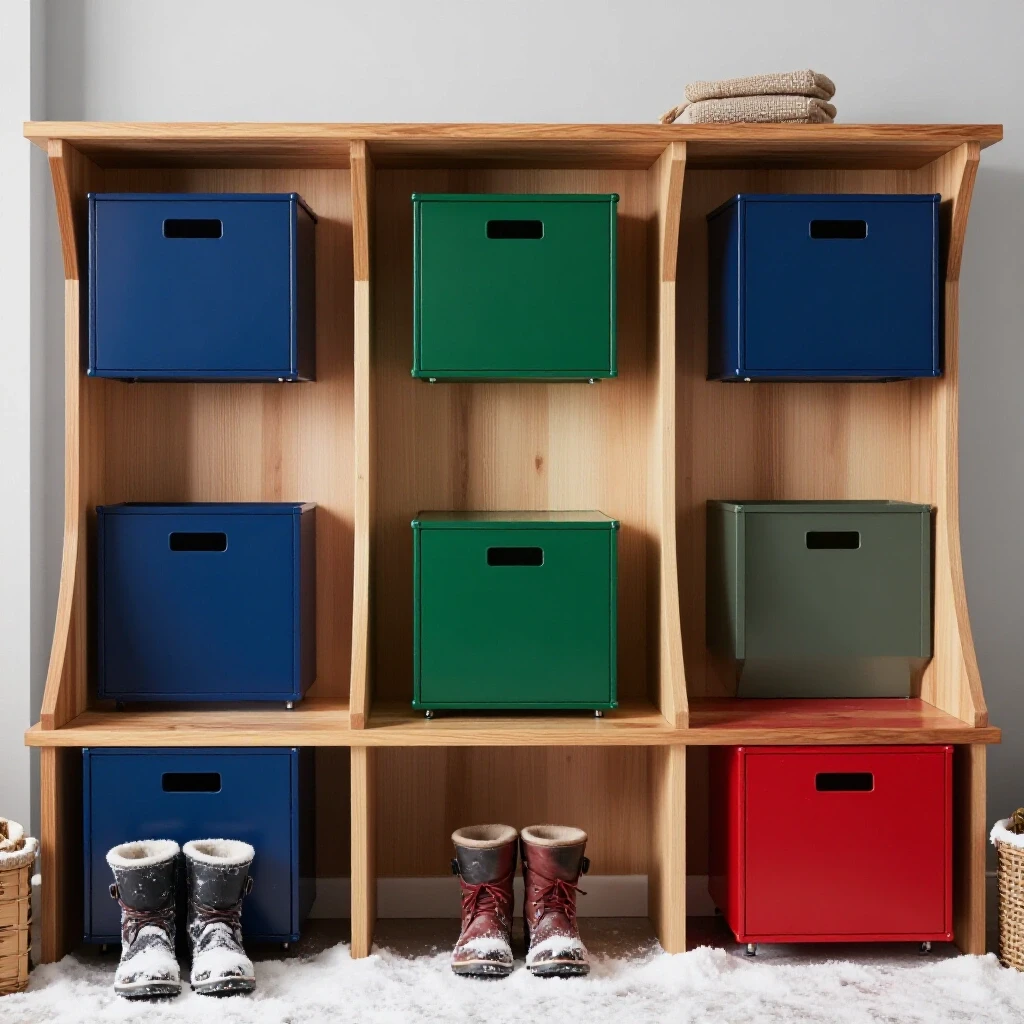
Integrated storage refers to organizational solutions that are built into the furniture or the room’s layout. Rather than adding plastic bins, this approach uses items like shelving, baskets, or hidden compartments that match the room’s decor. This creates a cohesive look while providing a place for every item.
In my experience, the “out of sight, out of mind” rule is a double-edged sword. If storage is too hidden, items never get put away. If it’s too open, the room looks messy. The key is the “80/20 Storage Rule.” About 80% of your items should be behind closed doors or in drawers, while 20% can be accessible for daily use.
For those managing daily surface accumulation, I recommend “Point-of-Use” storage. This means placing the storage container exactly where the clutter starts. If keys always end up on the kitchen island, place a small, attractive bowl right there. It doesn’t fight the habit; it organizes it. This is a core part of making decorating decisions that last.
The Daily Reset: A Behavioral Approach to Clear Surfaces
A daily reset is a simple habit where you spend five to ten minutes each evening returning items to their designated spots. This prevents small amounts of clutter from turning into an overwhelming mess. It is a low-effort way to maintain the beauty and function of your home.
This is the most effective tool in my kit. It isn’t about deep cleaning; it’s about “resetting” the room to its baseline. In retail, we called this “facing the store.” Before closing, we moved every product to the front of the shelf. In a home, this means clearing the “landing zones” you identified earlier.
- Clear the Primary Surface: Pick the one counter that bothers you most. Remove everything that doesn’t belong.
- Sort by Destination: Don’t walk back and forth. Group items by which room they go to.
- The One-Touch Rule: If an item takes less than 30 seconds to put away, do it immediately.
- Audit the “Stayers”: If an item lives on the counter permanently, ask why. Does it need to be there for function, or is it just a habit?
Aesthetic Trend vs. Functional Lifespan Index
It is easy to get caught up in what is trending on social media. However, many trends fail the test of time because they prioritize a specific look over the way a family actually lives. Use this index to evaluate your next purchase:
| Design Element | Trend Lifespan | Functional Lifespan | Verdict |
|---|---|---|---|
| Open Kitchen Shelving | 3 – 5 years | Low (Dust/Grease) | High maintenance for busy families. |
| Performance Fabrics | 10+ years | High (Stain resistant) | Worth the investment for longevity. |
| All-White Minimalism | 5 – 7 years | Low (Shows every mark) | Difficult to maintain with children. |
| Deep-Seated Sofas | 10+ years | High (Comfort) | Great for long-term relaxation. |
| Matte Black Fixtures | 5 – 8 years | Medium (Shows water spots) | Requires frequent wiping to look clean. |
Practical Tools for Planning Your Space
Before you move a single piece of furniture or buy a new rug, use these steps to ensure your decorating decisions are sound. These tools help you visualize the outcome and avoid costly mistakes.
- Painter’s Tape Layout: Use tape on the floor to mark out the dimensions of new furniture. Walk around it for two days. If you trip or feel cramped, the piece is too large.
- The “Touch Test” for Fabrics: Always order a swatch. Rub it against your skin, spill a drop of water on it, and try to scratch it with a fingernail. If it fails these real-world tests, don’t buy the sofa.
- LRV Check: Get a paint sample and look at it at 8:00 AM, 2:00 PM, and 8:00 PM. The changing light will tell you if the color will help or hinder your goal of a clean-looking space.
- The “Two-Week” Storage Audit: Before buying a new organizer, leave a cardboard box in the spot where you think you need storage. If the box is full after two weeks, you have a genuine need for a permanent solution.
Long-Term Livability Audits
A livability audit is a seasonal check-in where you assess how well your home is functioning. As families grow or routines change, the layout that worked last year might not work today. This proactive approach prevents the slow creep of clutter and frustration.
Every six months, walk through your front door as if you are a guest. What is the first thing you see? Is there a pile of shoes? Is the mail overflowing? These “pain points” are signals that your current system needs a small tweak.
In my own home, I realized our “simple habit” of clearing the counter was failing because the trash can was too far from the mail-sorting area. Moving a small recycling bin inside a cabinet near the entry solved 50% of our paper clutter overnight. These are the practical interior design choices that make a house feel like a home.
Summary of Key Metrics for a Functional Home
To keep your home both beautiful and usable, keep these benchmarks in mind:
- Pathway Width: Minimum 36 inches for comfortable movement.
- Storage Ratio: Aim for 80% closed storage and 20% open display.
- Fabric Durability: Minimum 30,000 Wyzenbeek double rubs for high-use areas.
- Light Reflectance: LRV of 40-60 for surfaces to balance brightness and maintenance.
- The 5-Minute Rule: If a daily reset takes longer than five minutes, you have too many items or not enough “homes” for them.
By focusing on these data-backed strategies, you can transition from a home that looks good for a photo to a home that feels good to live in. It isn’t about perfection; it’s about creating a space that supports your daily life and remains durable for years to come.
Frequently Asked Questions
How can I stop my kitchen island from becoming a catch-all for everything? The kitchen island is a natural “landing zone” because it is centrally located and at a comfortable height. To stop the clutter, you must provide an alternative landing zone closer to the entrance of the home. Use a small tray or a dedicated drawer for “transit items” like keys and mail. Once the island is cleared, place a non-functional item, like a vase of flowers, in the center to signal that the space is not for storage.
What is the best way to handle paper clutter without buying a filing cabinet? Most paper clutter is temporary. Use a “one-in, one-out” system. Have a small, attractive basket for mail. Every evening during your daily reset, quickly sort it into three categories: Recycle, Action, and File. If you don’t have a filing cabinet, a simple decorative box with folders kept in a nearby cupboard works well for long-term home livability.
Are performance fabrics actually worth the extra cost? Yes, especially in homes with children or pets. Performance fabrics are treated at the fiber level to resist stains and odors. While they cost more upfront, their functional lifespan is often double that of standard cotton or linen. Look for fabrics with high Wyzenbeek counts (30,000+) to ensure they won’t wear thin over time.
How do I know if a room layout is “functional” before I move the furniture? Use the 36-inch rule. Any main walking path should be at least 36 inches wide. Use painter’s tape to mark the “footprint” of your furniture on the floor. If you can move through the room without turning your shoulders or sidestepping, the layout is likely functional.
What paint finish is best for high-traffic areas to keep them looking clean? For walls near counters or in hallways, an eggshell or satin finish is best. These have enough sheen to be wiped down with a damp cloth but are not so shiny that they highlight every imperfection in the wall. Avoid flat or matte finishes in high-traffic zones, as they tend to scuff and hold onto fingerprints.
How can I make my storage look like part of the decor instead of an eyesore? Follow the “Material Match” rule. Choose storage containers that match the materials already in the room. If you have wooden furniture, use wicker or wooden baskets. If your style is modern, use sleek metal or acrylic bins. This creates a cohesive look that feels like a decorating decision rather than a quick fix.
Why does my house still feel cluttered even after I clean? This is often due to “visual noise.” Even if surfaces are clean, having too many small items on display can make a brain feel overstimulated. Try the 80/20 rule: hide 80% of your items in closed storage and only display 20% of your most beautiful or frequently used pieces.
What is a “Light Reflectance Value” and why does it matter for my counters? LRV measures how much light a color reflects. A very high LRV (white) shows every speck of dirt, while a very low LRV (black) shows every fingerprint and dust mote. For a counter that looks clean with minimal effort, aim for a mid-range LRV or a material with a slight pattern, like a subtle quartz or wood grain.
Is open shelving a bad idea for a busy family? It is not necessarily a bad idea, but it requires a simple daily habit to maintain. Open shelving is best for items you use every single day, like coffee mugs or dinner plates. This prevents dust from settling. If you plan to use it for decorative items, be prepared to dust them weekly to keep the space looking fresh.
How do I start a daily reset habit if I’m already overwhelmed? Start with just one surface. Pick the one area that causes you the most stress—usually the kitchen counter or the entryway table. Commit to clearing only that spot every night for one week. Once that feels easy, add a second surface. The goal is to build momentum through small, repeatable wins.
(This article was written by one of our staff writers, James Whitaker. Visit our Meet the Team page to learn more about the author and their expertise.)