How to Decorate for Better Morning Routines (Step-by-Step Guide)

Focusing on trends often leads us down a path where we prioritize the look of a magazine cover over the reality of a Tuesday morning. As someone who spent 15 years in retail merchandising, I have seen how “perfect” showrooms rarely translate to the friction of a busy household at 7:00 AM. In my years of analyzing how furniture performs over time, I have learned that the most beautiful homes are those that solve problems before they even happen.
I once lived in a house with a stunning, narrow hallway that looked like a gallery. On paper, it was a minimalist dream. In practice, it was a bottleneck every morning when three people tried to put on shoes at the same time. That experience taught me that practical interior design is not about what we see in a photo, but how we feel when we are in a hurry. When we choose durable home decor and functional room layouts, we are really choosing a better start to our day.
The Psychology of Early-Day Spatial Flow
Early-day spatial flow involves the intentional arrangement of furniture and architectural elements to facilitate unhindered movement during the first hours of the day. By analyzing high-traffic paths between the bedroom, bathroom, and kitchen, homeowners can eliminate physical bottlenecks that cause unnecessary stress when time is at a premium.
Environmental psychology suggests that our physical surroundings significantly impact our cognitive load. When we have to navigate around a poorly placed ottoman or squeeze past a bulky dining chair, our brains register a small “micro-stressor.” Over a few years, these small frustrations accumulate. Long-term home livability depends on reducing these friction points.
In my time evaluating floor plans, I found that the “open concept” often fails because it lacks defined zones for morning tasks. A functional layout requires a clear “launch zone” near the exit and a “fueling zone” in the kitchen that does not overlap with walking paths. Research into user satisfaction shows that households with designated, non-overlapping zones report lower stress levels during their early hours.
Why High-Traffic Pathways Fail and How to Calculate Clearance
Clearance paths are the designated walking areas between furniture pieces or between furniture and walls. These paths must be wide enough to accommodate the natural gait of an adult, often while carrying a bag or a child, without requiring a change in posture or speed.
Most design books suggest a minimum of 30 inches for a walkway. However, my experience with family homes suggests that 36 inches is the true functional minimum for high-traffic morning routes. If two people need to pass each other, you should aim for 42 to 48 inches. This prevents the “shoulder-shuffling” dance that makes a house feel cramped.
- Main Hallways: 36 to 42 inches.
- Between Kitchen Island and Counters: 42 inches (allows for open dishwasher/oven).
- Behind Dining Chairs: 36 inches (allows someone to walk behind a seated person).
- Entryway Landing Zone: 48 inches of clear floor space.
| Room Type | Recommended Clearance (Inches) | Functional Reason |
|---|---|---|
| Entryway | 48″ | Room for bags, shoes, and multiple people. |
| Kitchen Work Triangle | 42″ | Allows drawer access without blocking paths. |
| Bedroom Path to Bath | 36″ | Prevents hip-bumps on bed corners in the dark. |
| Dining Area | 36″ | Ensures safe passage with hot coffee or plates. |
Material Selection for High-Use Morning Zones
Material selection involves choosing surfaces, fabrics, and finishes based on their ability to withstand repeated daily contact and cleaning without degrading in appearance. This process balances the tactile feel of a home with the technical specifications of durability, such as stain resistance and abrasion ratings.
When you are in a rush, spills happen. A beautiful marble countertop or a delicate silk rug can become a source of anxiety rather than joy. I have seen many homeowners regret “trend” materials like unsealed terracotta or high-maintenance velvet in areas where they eat their breakfast. Instead, looking at the Wyzenbeek method for fabric durability can save years of frustration.
Understanding Fabric Rub Counts and Surface Resilience
The Wyzenbeek test measures how many times a fabric can be rubbed before it shows significant wear. For a home with high morning activity—think breakfast stools or entryway benches—you want a “heavy-duty” rating. This ensures the furniture looks as good in year five as it did on day one.
- Residential Medium Duty: 9,000 to 15,000 double rubs.
- Heavy Duty: 15,000 to 30,000 double rubs.
- Performance/Contract Grade: 30,000+ double rubs.
For families, I always recommend performance fabrics. Modern polyester blends can mimic the look of linen or wool but offer incredible stain resistance. If you prefer a DIY approach, consider slipcovering existing chairs in heavy canvas or denim. These can be tossed in the wash, making them far more practical than fixed upholstery for early-hour coffee spills.
Choosing Durable Home Decor Surfaces
Surface durability is not just about scratches; it is about how the material reacts to moisture and heat. In the kitchen and bathroom, where morning routines are centered, the Light Reflectance Value (LRV) of a surface also matters. A surface that is too dark might hide crumbs, but it also absorbs light, making a space feel dim and uninspiring when you are trying to wake up.
- Quartz: Highly durable, non-porous, and excellent for quick clean-ups.
- Engineered Wood: More stable than solid wood in humid environments like bathrooms.
- Porcelain Tile: Nearly indestructible and available in “wood-look” for warmth.
- LRV Goal: Aim for an LRV of 60 to 75 for countertops to help bounce natural light around.
Lighting and Color: The Science of Morning Alertness
Lighting and color integration is the strategic use of natural and artificial light sources combined with specific paint hues to influence the mood and functionality of a room. This approach uses the physics of light reflection to ensure a space feels energized and clear during the start of the day.
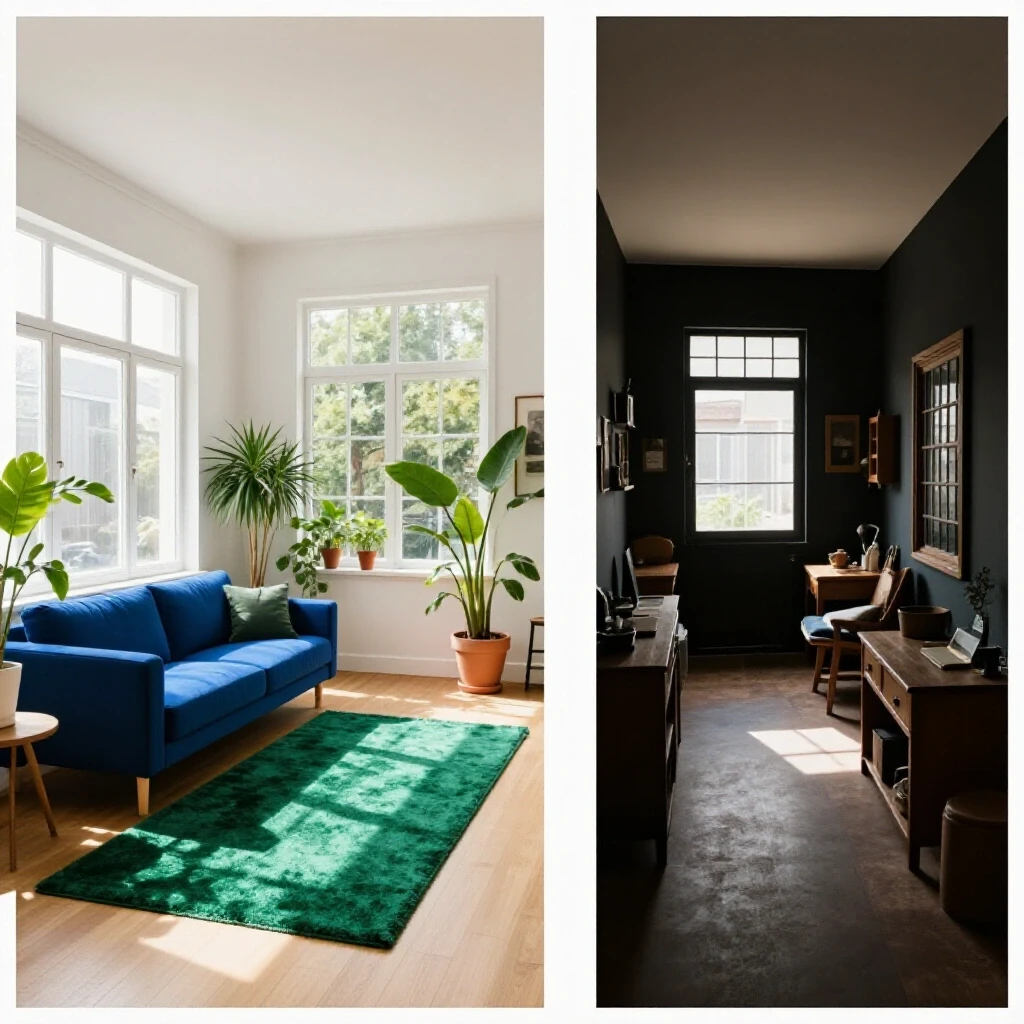
Light is the most powerful tool we have to regulate our internal clocks. Designing for early-hour success means maximizing natural light. In my career, I have observed that people who live in “bright” homes—those with high LRV paint and unobstructed windows—report feeling more alert.
The Role of Light Reflectance Value (LRV)
LRV is a scale from 0 (absolute black) to 100 (pure white) that tells you how much light a paint color reflects. For rooms where you start your day, I recommend colors with an LRV of 50 or higher. This doesn’t mean everything has to be white. A soft sage green or a pale blue can still have a high LRV while adding character.
- Off-Whites: LRV 70–85 (Best for small, dark hallways).
- Pale Grays/Blues: LRV 55–65 (Good for bedrooms to feel calm but bright).
- Deep Navy/Forest Green: LRV 10–20 (Use sparingly or as accents to avoid “morning gloom”).
Layering Light for Functionality
Relying on a single overhead light is a common decorating mistake. It creates harsh shadows that make it harder to find things in drawers or see yourself in the mirror. Instead, use a three-layer approach:
- Ambient: The main overhead light (use LED bulbs in the 3000K to 3500K range for a “neutral” morning feel).
- Task: Under-cabinet lights in the kitchen or sconces at eye level in the bathroom.
- Accent: A small lamp on a timer in the kitchen can provide a “soft start” before the main lights go on.
Integrated Storage for Reducing Early-Hour Friction
Integrated storage design refers to the creation of dedicated spaces for specific items within the existing footprint of a room. This strategy focuses on “point-of-use” accessibility, ensuring that the tools needed for a task are located exactly where that task occurs.
Clutter is the enemy of a smooth morning. When I managed retail spaces, we used “merchandise zones” to guide customers. You can do the same in your home. If you always look for your keys, they need a permanent home near the door. This is not just about being tidy; it is about reducing the number of decisions you have to make before your first cup of coffee.
The “Landing Strip” Concept
An effective entryway needs four things: a place to sit, a place to hang, a place to drop, and a place to hide. If you don’t have a built-in mudroom, you can create one with a simple DIY project. A sturdy wooden bench with baskets underneath and a row of heavy-duty hooks above can transform a chaotic exit into an organized transition point.
- Hooks: Mount them at different heights (adult and child levels).
- Baskets: Assign one to each family member for “morning-only” items like bags or shoes.
- Surface: A small tray for keys and wallets prevents the “where is my phone?” panic.
Kitchen Storage Benchmarks
In the kitchen, the goal is to reduce the “steps-to-coffee” ratio. If your mugs are on one side of the room and your coffee maker is on the other, you are adding unnecessary movement.
- Storage-to-Room Ratio: Aim for 30% of your kitchen wall space to be dedicated to accessible storage.
- Vertical Space: Use pull-out organizers in deep lower cabinets so you don’t have to get on your knees to find a pan.
- DIY Alternative: Use a vintage wooden crate or a simple wall-mounted shelf to create a dedicated coffee station.
The Long-Term Livability Audit
A long-term livability audit is a periodic assessment of how furniture and layouts are performing in real-world conditions. This process involves identifying “pain points”—such as a drawer that sticks or a rug that trips people—and making small, evidence-based adjustments to improve daily function.
I recommend doing this audit once a year. Walk through your house as if you are in a rush. Where do you stub your toe? Where does the mail pile up? These are not “decorating failures”; they are data points.
Actionable Design Assessment
- Check the “Swing”: Do any doors or cabinet fronts hit furniture when opened?
- Test the “Reach”: Can everyone in the house reach their own morning essentials?
- Evaluate the “Grit”: Are your floors easy to sweep in under two minutes?
- Assess the “Sit”: Is your morning seating comfortable enough for ten minutes, but not so soft you can’t get back up?
I remember a client who insisted on a very deep, plush sofa in a small breakfast nook. It looked cozy in photos. Two years later, they hated it because it was too hard to get out of when they were trying to leave the house. We replaced it with a firm, high-back bench with performance fabric. It was less “trendy,” but their morning satisfaction scores skyrocketed.
Conclusion: Small Changes for Multi-Year Success
Designing a home that supports your early hours is an investment in your well-being. By focusing on clearance paths, durable materials, and smart lighting, you create a space that works for you rather than against you. You don’t need a total renovation to see results. Often, moving a chair four inches or swapping a dark rug for a lighter, more durable one can change the entire energy of your home.
Start by looking at your most crowded path. Measure it. If it is under 36 inches, see what you can move. Pick one “drop zone” and add a basket or a hook. These small, practical interior design decisions are what truly make a house a home—not just for the first day, but for the next thousand.
Frequently Asked Questions
What is the best rug material for a high-traffic morning area?
For areas like the kitchen or entryway, look for polypropylene or “PET” rugs made from recycled plastic. These materials are non-absorbent, meaning coffee or mud can be wiped away easily. They are also incredibly durable and won’t shed like wool or jute. If you prefer natural fibers, a low-pile cotton rug that is machine-washable is a great DIY-friendly alternative.
How do I know if my furniture is too big for my room?
Follow the “Rule of Two-Thirds.” Your furniture should generally take up no more than two-thirds of the floor space. If you find yourself walking sideways to get past a table, or if you can’t fully open a door, the piece is too large. In morning-heavy zones, prioritize “negative space” (empty floor) over additional decor.
What paint finish is most durable for busy households?
For walls in high-traffic areas, a “Satin” or “Eggshell” finish is best. These have a slight sheen that allows you to wipe away scuffs and fingerprints without removing the paint. For trim, baseboards, and doors—which take the most beating from bags and shoes—use a “Semi-Gloss” or “Gloss” finish for maximum scrubbability.
Is quartz really better than granite for a functional kitchen?
While both are durable, quartz is non-porous, meaning it does not require sealing to prevent stains. For a busy morning, this is a major advantage. Granite is a natural stone and can soak up liquids if the sealer wears thin. If you want a low-maintenance, “set-it-and-forget-it” surface, quartz is the more practical choice for long-term home livability.
How can I make a dark hallway feel brighter without adding windows?
Focus on the LRV of your paint and your lighting layers. Use a paint with an LRV of 75 or higher. Add a large mirror to reflect whatever light is available. Finally, replace a single dim overhead light with a series of recessed lights or a long track light that can be aimed at the walls to “wash” them in brightness.
What is the most common layout mistake people make?
The most common mistake is placing furniture in the “natural line of drift.” People tend to walk in the straightest line possible from point A to point B. If you place a decorative table or a plant in that straight line, it will eventually become an annoyance. Always observe where people naturally walk before deciding where to place furniture.
How do I choose a dining chair that will last for years?
Look for “mortise and tenon” joinery rather than just screws and glue. If you can wiggle the chair and feel it flex, it won’t survive daily use. For the seat, choose a performance fabric with at least 20,000 double rubs. If the chair has legs, ensure they have high-quality felt pads to protect your floors and make the chairs easier to move quietly.
Can I use “indoor/outdoor” furniture inside?
Yes, and it is a brilliant strategy for high-use morning zones. Modern indoor/outdoor pieces are often indistinguishable from standard furniture but are built to resist UV rays, moisture, and heavy wear. An outdoor-rated bench in an entryway or “all-weather” wicker stools in a breakfast nook can provide incredible durability without sacrificing style.
How high should I hang hooks in an entryway?
For adults, the standard height is 60 to 66 inches. For children, aim for 36 to 42 inches. Providing a dedicated spot at a child’s height encourages them to manage their own gear, which significantly reduces the “search and rescue” missions parents often face during the early hours.
What is the best way to organize a small “coffee station”?
Keep it compact. Use a tray to define the space and prevent “visual creep” across the counter. Store everything you need—mugs, spoons, coffee, and filters—within arm’s reach of the machine. If you have limited counter space, consider a DIY “vertical” station using a tiered stand or a wall-mounted shelf.
(This article was written by one of our staff writers, James Whitaker. Visit our Meet the Team page to learn more about the author and their expertise.)