Best Dining Table Choices for Lasting Style and Durability (Guide)

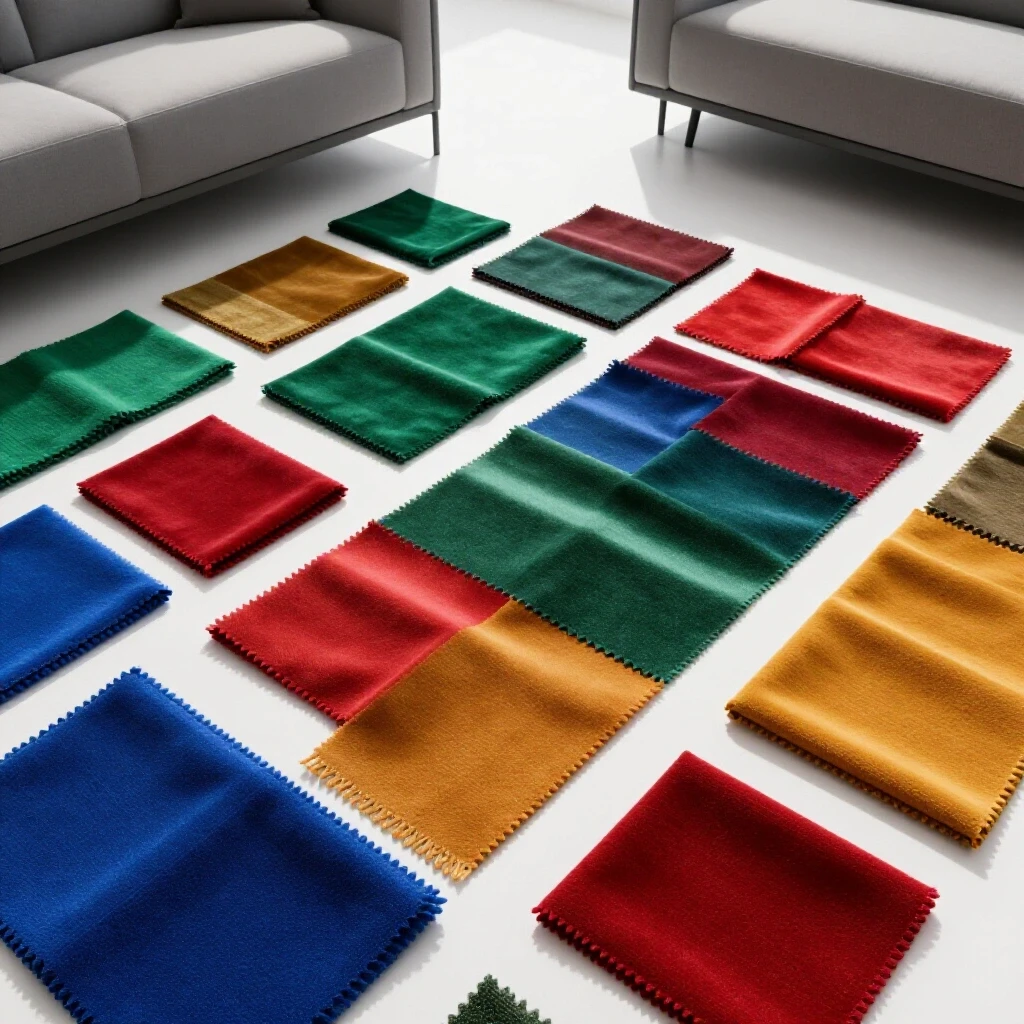
Introducing flooring as art often begins with the frame we place upon it. In my fifteen years as a retail merchandising manager, I have seen how a single piece of furniture defines the rhythm of a room. A dining table is more than a surface; it is an anchor for the home’s layout. When we view the floor as a canvas, the table becomes the central sculpture that dictates how we move, interact, and feel within that space.
Throughout my career, I have evaluated thousands of furniture pieces. I have watched families struggle with tables that looked beautiful in a showroom but failed the test of daily life. The most successful selections are those that balance visual weight with physical resilience. My focus has always been on the gap between that first day of ownership and day one thousand. A table that ages well does not just survive; it integrates into the family story without becoming a burden of maintenance or a spatial obstacle.
The Environmental Psychology of Shared Surfaces
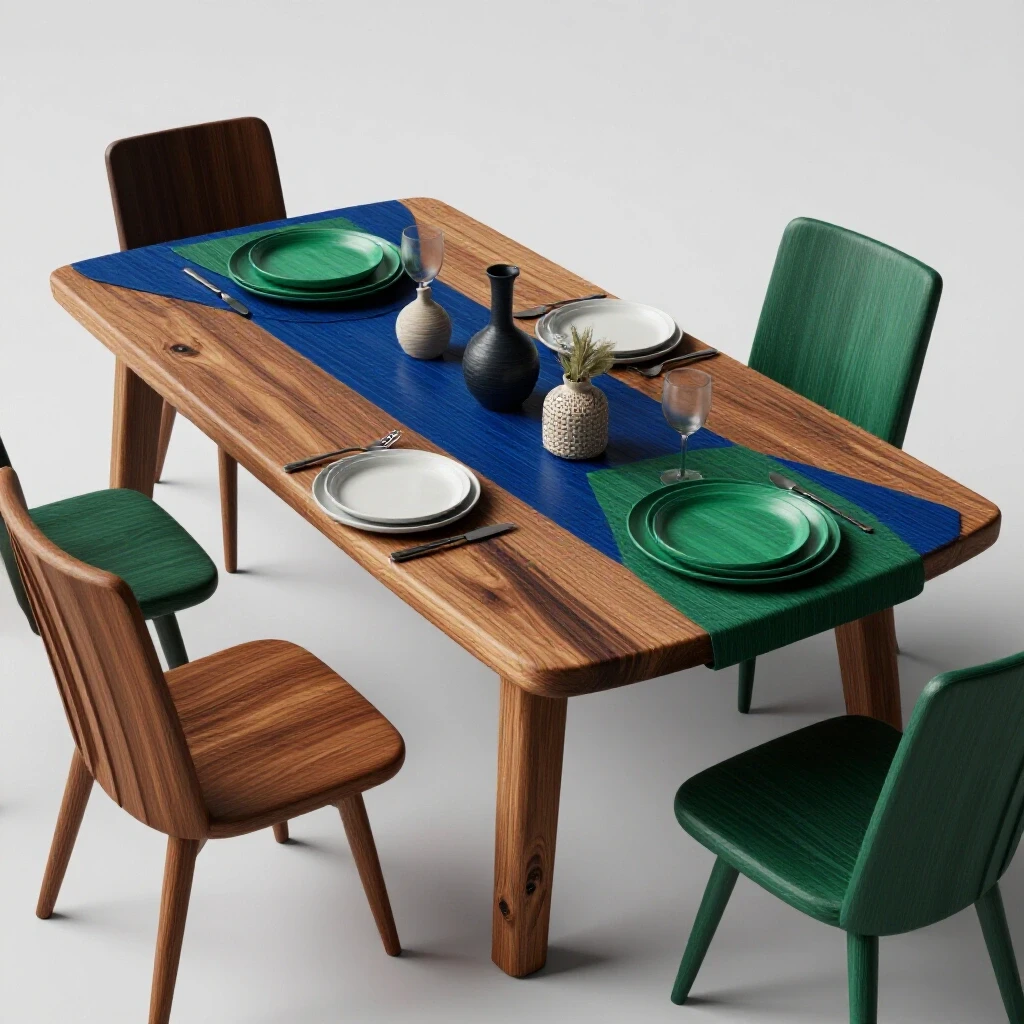
This field examines how the physical environment affects human behavior and well-being. In the dining room, the table’s shape and size dictate the flow of conversation and the level of comfort felt by inhabitants during daily interactions and long-term use.
Environmental psychology suggests that the physical boundaries of a table influence our social boundaries. A rectangular table often creates a sense of order and hierarchy, which can be beneficial for formal settings. However, in a family home, the “head of the table” dynamic can sometimes feel restrictive. In my observations, homes that prioritize long-term home livability often lean toward shapes that encourage eye contact.
Round tables, for example, facilitate a democratic seating arrangement. There are no corners to navigate, which improves the flow of the room. This is particularly important in functional room layouts where the dining area shares space with a kitchen or living room. By removing sharp angles, you soften the visual transitions between zones.
- Social Connectivity: Round tables allow everyone to see each other equally.
- Safety: Lack of corners reduces the risk of injury in high-traffic areas.
- Flexibility: It is often easier to squeeze in an extra chair at a round or oval surface.
Why Circular Forms Support Social Cohesion
Circular surfaces eliminate the hierarchy often found at rectangular tables by removing the “head” of the table. This promotes equal eye contact and easier conversation flow, making them a staple for creating a relaxed, inclusive atmosphere in smaller dining spaces.
Interestingly, user satisfaction surveys often show that people feel more relaxed at rounded tables. This is linked to the “thigmotaxis” effect, where humans feel safer when they have clear paths of egress. A circular table provides a more fluid clearance path, which reduces the subconscious stress of feeling “trapped” in a seat. When planning your space, consider how the shape impacts the psychological “breathing room” of the diners.
Structural Standards for Long-Term Home Livability
Durability in furniture is defined by its ability to withstand physical stress and maintain structural integrity over decades. High-quality materials like solid hardwoods and stable base designs like trestles ensure the piece remains functional despite heavy daily use.
In my years in retail, I learned that the underside of a table tells more than the top. For a table to age well, it must have robust joinery. Mortise and tenon joints are the gold standard for long-term stability. Unlike simple screws or glue, these joints allow the wood to expand and contract with seasonal humidity changes without losing strength.
Table 1: Structural Durability Benchmarks
| Feature | Standard Requirement | Long-Term Benefit |
|---|---|---|
| Joinery | Mortise and Tenon | Prevents wobbling over decades |
| Material | Solid Hardwood (Oak/Walnut) | Can be refinished multiple times |
| Base Type | Trestle or Pedestal | Maximizes legroom and chair fit |
| Finish | Catalyzed Lacquer or Oil | Resists heat and moisture rings |
The Enduring Stability of Trestle and Pedestal Bases
These base designs offer superior stability and legroom by concentrating support toward the center or ends of the table. Unlike standard four-leg designs, they allow for flexible seating arrangements without the interference of corner obstructions, enhancing daily comfort.
The trestle base is a design that has remained relevant for centuries. By placing the support beams away from the corners, you solve the perennial problem of guests banging their knees against table legs. This is a key component of practical interior design. When you remove the corner legs, you gain approximately 4 to 6 inches of usable perimeter space for seating.
Pedestal bases offer similar advantages, especially in smaller rooms. A single central support allows for maximum chair tuck-in, which keeps walkways clear when the table is not in use. This is a vital consideration for durable home decor that must function in multi-purpose rooms.
Material Selection for Practical Interior Design
Choosing materials involves balancing visual appeal with physical resilience. Materials such as solid oak, walnut, or natural stone are selected for their ability to be refinished or their natural resistance to daily wear, ensuring they age gracefully.
When selecting a material, I always look at the Janka Hardness Scale. This scale measures the resistance of a wood species to denting and wear. For a family table, you want a wood with a high Janka rating. For example, White Oak has a rating of 1,360, making it much more durable than Pine, which sits around 380 to 420.
- White Oak: Excellent moisture resistance and very hard.
- Walnut: Beautiful grain patterns and moderate hardness (1,010).
- Cherry: Ages to a deep patina but is slightly softer (950).
- Maple: Extremely hard (1,450) and very stable.
Hardwood vs. Stone: A Tactile Durability Comparison
Hardwoods offer warmth and repairability, while stone provides a cool, heat-resistant surface. Understanding the specific maintenance needs and aging characteristics of each material is crucial for making a selection that aligns with a household’s lifestyle.
Natural stone, such as granite or marble, offers a different kind of longevity. While stone cannot be “refinished” in the same way wood can, its resistance to heat is unmatched. However, stone is porous. In my experience, a stone table requires a high-quality sealant to prevent staining from acidic foods. If you prefer a low-maintenance approach, a honed finish on stone hides scratches better than a polished, mirrored surface.
Calculating Functional Room Layouts for Dining
A functional layout ensures there is enough space for people to move comfortably around furniture. This involves measuring clearance paths and seating zones to prevent a room from feeling cramped or difficult to navigate during meal times.
One of the biggest mistakes I see is choosing a table that is too large for the room. To maintain long-term home livability, you must respect the “clearance path.” This is the space between the table edge and the wall or the nearest piece of furniture.
Metric Guidelines for Dining Spaces:
- Minimum Clearance: 36 inches from the table edge to the wall.
- Ideal Clearance: 48 inches for comfortable walking while people are seated.
- Seating Width: Allow 24 inches of width per person for elbow room.
- Table Height: Standard height is 28 to 30 inches.
Why High-Traffic Pathways Fail—And How to Calculate True Clearance Paths
High-traffic pathways fail when the spatial budget does not account for the human body in motion. Calculating a true clearance path requires measuring the furniture in its “active” state, such as when chairs are pulled out, rather than just its static footprint.
Building on this, you must account for the “visual weight” of the table. A heavy, dark oak table might physically fit in a room, but it can make a small space feel claustrophobic. This is where Light Reflectance Value (LRV) comes into play. LRV measures the percentage of light a surface reflects. A table with a higher LRV (lighter finish) will make a room feel airier, while a low LRV (dark finish) provides a grounded, cozy anchor.
Personal Home-Log Entry: The 1980s Cherry Trestle
In 1995, I evaluated a cherry wood trestle table in a client’s home. It had been purchased in the mid-1980s. Despite ten years of family dinners, craft projects, and spilled milk, the table looked better than it did on day one. The cherry wood had darkened into a rich, warm red. Because it was solid wood, the owner had lightly sanded and oiled the top twice over the decade.
This experience taught me that the best decorating decisions are those that allow for “graceful aging.” The trestle base meant that even as the family grew and they added more chairs, no one ever had to straddle a leg. The table remained functional because it was built on timeless structural principles rather than fleeting aesthetic trends.
Tactical Layout Rules for Multi-Year Livability
Executing a successful dining room design requires a systematic approach to spatial planning. By following established rules for furniture placement and movement, you can create a room that remains functional as your family’s needs evolve over time.
- Map the Traffic: Identify the primary walking path through the room. Ensure the table does not intersect this path.
- Test the “Push-Back”: Pull a chair out to where a person would sit. Measure from the back of that chair to the wall. You still need 18 to 24 inches to walk behind them.
- Center the Light: The dining light should be centered over the table, not the room. This creates a visual “zone” that defines the dining area.
- Balance the Rug: If using a rug, it should extend 24 to 30 inches beyond the table on all sides so chair legs stay on the rug when pulled out.
Actionable Design Assessment Guide
To help you make the best choice, use this numbered list of assessment steps before committing to a purchase.
- Measure the Room: Record the length and width of the dining area.
- Subtract Clearance: Deduct 72 inches (36 inches per side) from the length and width to find your maximum table size.
- Evaluate Base Needs: If you have a narrow room, prioritize a trestle base to allow for more seating on the long sides.
- Check Material Hardness: Look up the Janka rating of the wood species.
- Assess LRV: Determine if the room needs more light (light finish) or more grounding (dark finish).
- Verify Joinery: Ask the retailer about the construction methods used in the base and top.
Long-Term Adaptation Strategies
A table that ages well is one that can adapt to different styles as you change your wall colors or decor. Classic forms like the Shaker style or Mid-Century Modern silhouettes are highly adaptable. These designs rely on clean lines and honest materials, making them compatible with various interior palettes.
Interestingly, longitudinal studies on user satisfaction show that people are less likely to replace furniture that has a “tactile” appeal. We form emotional bonds with surfaces that feel good to the touch. A solid wood table that is smooth and warm is more likely to be kept and cared for than a cold, synthetic laminate surface.
Common Decorating Mistakes to Avoid
- Ignoring the Base: Choosing a table with bulky corner legs in a tight space.
- Over-Sizing: Buying a table that leaves less than 36 inches of clearance.
- Fad Finishes: Selecting high-gloss or “distressed” finishes that cannot be easily repaired.
- Wrong Rug Size: Using a rug that is too small, causing chairs to catch on the edges.
- Poor Lighting Scale: Hanging a chandelier that is too small or too high, which disconnects the table from the room.
Conclusion: Low-Barrier Next Steps
To begin your journey toward a table that ages well, start by auditing your current space. Take a measuring tape and map out your existing clearance paths. Observe where people struggle to walk or where chairs bump into walls. This data is the foundation of practical interior design.
Next, focus on material samples. Order wood or stone swatches and place them in your room to see how they look under your specific lighting conditions. Remember that a dining table is a long-term investment in your home’s livability. By prioritizing structural integrity and spatial flow over temporary trends, you ensure that your dining area remains a comfortable, beautiful, and functional heart of the home for decades to come.
FAQ: Dining Table Choices (That Aged Well)
What is the best wood for a dining table that will last 20+ years? Solid hardwoods like White Oak, Maple, and Walnut are the best choices. These woods have high Janka hardness ratings, meaning they resist dents and scratches. More importantly, solid wood can be sanded and refinished if it ever sustains significant damage, allowing it to look new again even after decades of use.
How much space do I really need around my dining table? For daily functionality, you need at least 36 inches of clearance between the table edge and any walls or other furniture. This allows enough room for a person to sit and for others to walk behind them. For a more spacious, “luxury” feel, aim for 48 inches.
Why should I choose a pedestal base over four legs? A pedestal base is superior for small spaces or rooms where you need seating flexibility. Because there are no legs at the corners, you can fit more chairs around the table without anyone having to straddle a leg. It also makes it easier to slide in and out of seating.
Is a round table better than a rectangular one for a family? Round tables are excellent for encouraging conversation and creating a democratic atmosphere. They also lack sharp corners, which is a safety benefit for homes with active movement. However, rectangular tables are often better for narrow rooms or for those who prefer a more formal, structured layout.
What is Light Reflectance Value (LRV) and why does it matter for my table? LRV measures how much light a surface reflects. A table with a high LRV (light wood or white stone) will reflect more light, making a dining room feel brighter and larger. A table with a low LRV (dark walnut or black stone) will absorb light, creating a more intimate, grounded, and cozy feel.
Can stone tables be repaired if they chip? Small chips in natural stone can often be repaired by a professional using color-matched epoxy. However, it is much more difficult than repairing wood. To avoid damage, choose stone with a “honed” finish rather than a “polished” one, as it hides wear and tear more effectively.
How do I know if a table is well-constructed? Look for mortise and tenon joinery or dovetail joints. Avoid tables that rely solely on staples, glue, or simple cam-locks (common in flat-pack furniture). A well-constructed table will feel heavy and will not wobble when you apply pressure to the side of the top.
What rug size is best for a dining table? Your rug should be at least 4 to 5 feet wider and longer than your table. This ensures that when a guest pulls their chair out to sit down, the chair legs remain on the rug. This prevents the “tripping hazard” of a chair leg catching on the rug’s edge.
Does the height of the table affect its longevity? Standard dining height is 28 to 30 inches. Staying within this range ensures that the table will remain compatible with the vast majority of dining chairs available on the market, allowing you to update your chairs over the years without needing to replace the table.
Are trestle bases sturdy enough for heavy stone tops? Yes, trestle bases are specifically designed to distribute weight across a wide horizontal beam. This makes them one of the sturdiest options for heavy materials like solid oak or natural stone. They provide excellent lateral stability, preventing the table from swaying.
(This article was written by one of our staff writers, James Whitaker. Visit our Meet the Team page to learn more about the author and their expertise.)