How to Remove Home Clutter for 30 Days (Step-by-Step Results)

Have you ever noticed that a room can feel crowded even when you are the only person in it? For fifteen years, I managed retail floor sets where every square inch of space had to justify its existence based on movement and visibility. When I recently applied those same professional standards to my own home for a thirty-day spatial experiment, the results were more than just aesthetic. I discovered that many of the items I thought were essential were actually obstacles to my family’s daily comfort.
Throughout my career, I have seen how “visual noise” can quietly degrade the quality of a living space. We often buy furniture because it looks good in a showroom, but we fail to account for how it will behave after three years of heavy use. This month-long trial of reducing household inventory allowed me to see the gap between a room that looks “decorated” and a room that actually functions. By stripping away the non-essential, I was able to focus on the core principles of durable home decor and functional room layouts.
The Environmental Psychology of Intentional Space
Environmental psychology in the home focuses on how our physical surroundings influence our daily behaviors and stress levels. It examines the relationship between spatial density—the amount of furniture and objects in a room—and the cognitive load required to navigate that space. A well-balanced room allows for “visual rest,” which supports relaxation and focus.
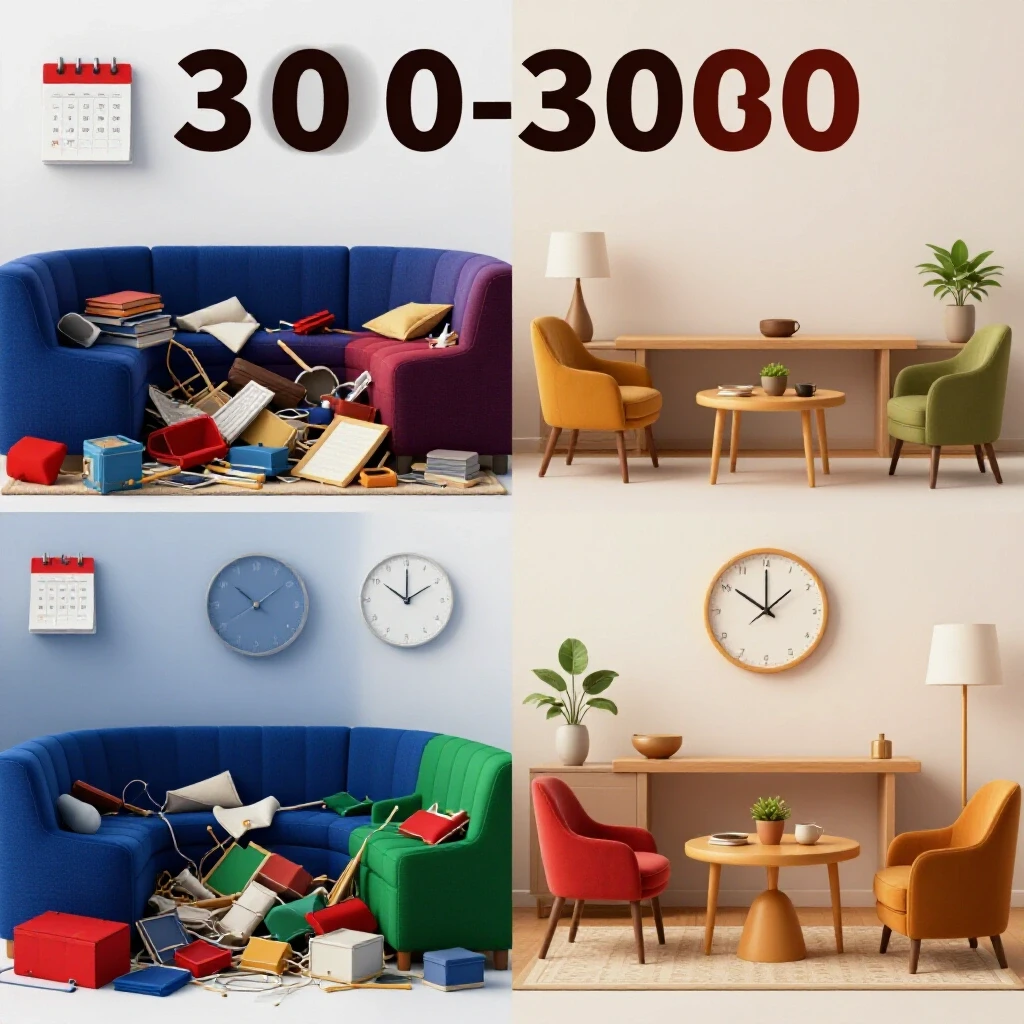
During the first week of my experiment, I realized that my living room was suffering from high spatial density. Every surface was occupied, and the floor plan was a maze of small side tables and decorative baskets. According to environmental psychology principles, when a room is overfilled, the brain constantly processes those objects as “to-do” items or potential obstacles. By removing just three secondary pieces of furniture, the room’s visual weight shifted. The primary seating area became the focal point, and the entire atmosphere felt lighter.
Interestingly, user satisfaction surveys often show that homeowners feel more “at home” in spaces with clear boundaries and open pathways. This isn’t about minimalism for the sake of an art gallery look; it is about reducing the friction of daily life. When you don’t have to turn sideways to walk past a chair, your home begins to work for you rather than against you.
Visual Processing and Room Density
Visual processing refers to the brain’s ability to interpret information from the environment through sight. In interior design, high-density rooms force the eye to jump from object to object, which can lead to a sense of restlessness. Lowering the density of a room allows the eye to travel smoothly, highlighting intentional decorating decisions like a well-chosen paint color or a quality piece of furniture.
- Visual Rest: Areas of “empty” space on walls or floors that allow the eye to pause.
- Focal Points: Intentional areas of interest that draw the eye, such as a fireplace or a large window.
- Object Recognition: The ease with which the brain identifies the purpose of a room based on its contents.
Redefining Functional Room Layouts Through Spatial Clearance
Functional room layouts are floor plans designed specifically to support the physical movements and activities of the people living there. By calculating precise clearance paths, decorators ensure that furniture does not block the natural flow of traffic. This approach prioritizes the “human scale” over the desire to fill every corner with decor.
During my 30-day trial, I took a measuring tape to my high-traffic areas. I found that my hallway was restricted to 28 inches because of a decorative console table. Standard design benchmarks suggest a minimum of 36 inches for a comfortable main walkway. Removing that table didn’t just make the hallway look better; it eliminated the daily annoyance of bumping into the corner with grocery bags or laundry baskets. This is where practical interior design outshines trendy aesthetics.
Why High-Traffic Pathways Fail
Pathways fail when we prioritize “filling the gap” over the “flow of the body.” We often see a bare wall and feel the urge to place a piece of furniture there. However, if that wall is part of a primary transit route between the kitchen and the living room, adding furniture creates a bottleneck.
| Area Type | Minimum Clearance | Ideal Clearance | Why It Matters |
|---|---|---|---|
| Main Hallway | 30 inches | 36 inches | Allows two people to pass or one person with bags. |
| Dining Room (behind chairs) | 24 inches | 32 inches | Allows people to get up without hitting the wall. |
| Coffee Table to Sofa | 14 inches | 18 inches | Enough room for legs but close enough to reach a drink. |
| Bed to Wall/Wardrobe | 24 inches | 30 inches | Ensures enough space to get dressed and move freely. |
Choosing Durable Materials for Long-Term Home Livability
Durable home decor involves selecting materials and finishes that can withstand the friction, spills, and sunlight exposure of a busy household. This means looking at technical specifications, such as fabric rub counts and paint light reflectance values, to ensure that decorating decisions remain viable for five to ten years rather than just one season.
In my merchandising career, I learned that the “hand-feel” of a fabric is secondary to its Wyzenbeek score. The Wyzenbeek method is a standard test that measures a fabric’s abrasion resistance by rubbing a piece of cotton duck or wire mesh back and forth over the surface. For a family sofa that will see daily use, you should never settle for anything less than 15,000 double rubs. During my month of refocusing on my home’s utility, I replaced several delicate, “trendy” pillows with high-performance covers that could actually survive a wash cycle.
Fabric Durability and Performance Benchmarks
Understanding the “why” behind material selection helps prevent the frustration of seeing expensive furniture degrade quickly. Performance fabrics are often treated at the fiber level to resist stains and moisture, making them essential for high-traffic family zones.
- 15,000 – 30,000 Double Rubs: Suitable for heavy-duty residential use (sofas, main chairs).
- 30,000+ Double Rubs: Contract grade; ideal for homes with large pets or very active children.
- Light Reflectance Value (LRV): A scale from 0 to 100 that tells you how much light a paint color reflects. A higher LRV (above 60) can make a smaller, decluttered room feel more expansive and airy.
- Solution-Dyed Acrylic: A material used in high-end outdoor and indoor performance fabrics that resists fading from UV rays.
The Impact of Integrated Storage on Visual Flow
Integrated storage refers to cabinetry, shelving, or furniture pieces that are designed to blend seamlessly with the architecture of a room. Unlike freestanding plastic bins or mismatched baskets, integrated storage provides a permanent, organized home for items, which maintains the visual flow and prevents the “clutter creep” that often happens in family homes.
One of the biggest shifts I made during my 30-day update was moving away from “temporary” storage. I realized that having five different baskets for toys and blankets actually made the room look more chaotic. By investing in a single, large sideboard with closed doors, I was able to hide the visual noise while keeping the items accessible. This is a classic merchandising trick: hide the “messy” inventory and only display the “hero” items.
Designing Storage for Multi-Year Utility
When making decorating decisions about storage, consider the “retrieval friction.” If it takes more than two steps to put something away, it will likely end up on the floor or a tabletop.
- Closed vs. Open Storage: Use closed storage for 80% of your items to maintain a clean visual line. Use open storage only for items you use daily or truly beautiful objects.
- Vertical Real Estate: In smaller rooms, floor-to-ceiling shelving draws the eye upward and maximizes storage without eating into your walking paths.
- Double-Duty Furniture: Choose ottomans with hidden compartments or bed frames with built-in drawers to solve storage needs in tight quarters.
A 30-Day Log: Tracking Changes in Home Functionality
During my month-long trial, I kept a daily log of how my family interacted with our newly streamlined spaces. I wanted to see if the “honeymoon phase” of a clean room would last or if we would revert to old habits. What I found was that the physical changes to the layout actually dictated our behavior.
Week 1: The Adjustment Phase We initially felt the “absence” of items. The living room felt a bit empty. However, I noticed that cleaning the floors took 15 minutes less because I wasn’t moving small objects out of the way.
Week 2: Flow Recognition The family stopped “bottlenecking” in the kitchen doorway. By moving a small butcher block that was technically in the way, the transition between rooms became seamless. My kids started playing more in the center of the room because there was actual floor space.
Week 3: Visual Calm I noticed a decrease in my own “background stress.” Coming home to a room where the surfaces were clear allowed me to transition from work mode to home mode much faster. The practical interior design choices were paying off.
Week 4: Long-Term Assessment By the end of the month, we didn’t miss 90% of what we had removed. The items that remained were of higher quality and served a clear purpose. We had successfully balanced immediate visual appeal with functional livability.
Strategic Recommendations for Future Decorating Decisions
To maintain a home that is both beautiful and durable, you must act as a curator rather than just a consumer. This involves a shift in mindset: every new item must earn its place by offering either significant utility or lasting aesthetic value. Avoid “filler” decor that only serves to take up space.
- The “One-In, One-Out” Rule: For every new decorative item you bring in, one must leave. This prevents the slow accumulation of objects that leads to a cramped environment.
- Prioritize Scale Over Style: A beautiful sofa that is too large for the room will always make the space feel uncomfortable. Use painter’s tape to mark out the footprint of a piece on the floor before buying.
- Invest in “Touch Points”: Spend more on the things you touch every day—sofa fabric, door handles, and rug textures. These items experience the most wear and have the biggest impact on your tactile experience of the home.
Room-by-Room Assessment Guide for Long-Term Livability
Use this checklist to evaluate your current spaces. This guide is based on the observations I made during my 30-day spatial experiment and my years of evaluating retail environments for efficiency.
- The Entryway: Is there a clear 36-inch path? Is there a dedicated spot for keys and mail that isn’t the kitchen counter?
- The Living Room: Can you walk from one side to the other without dodging furniture? Does the rug extend under the front legs of all seating to ground the space?
- The Kitchen: Are the counters 70% clear? Are the most-used tools within the “reach zone” (between waist and shoulder height)?
- The Bedroom: Is the path to the closet unobstructed? Is the lighting soft (lower LRV on walls) to promote sleep?
Practical Next Steps for Your Home
If you are feeling frustrated by a home that feels “messy” despite your best efforts, start with a 30-day trial of your own. You don’t need to buy anything new; in fact, the goal is to see what you can live without.
- Identify the “Pain Points”: Which corner of the room always collects a pile of stuff? That is a sign of a storage failure or a layout issue.
- Clear One Surface: Choose one tabletop or counter and keep it completely clear for one week. Observe how that “visual rest” changes your perception of the room.
- Measure Your Paths: Take a tape measure and check your clearances. If a walkway is less than 30 inches, try moving or removing a piece of furniture to open it up.
By focusing on the intersection of environmental psychology, durable materials, and functional layouts, you can create a home that remains beautiful and livable for years to come. The most successful rooms are not those that follow the latest trends, but those that respect the way people actually move and live within them.
Frequently Asked Questions
How do I know if a piece of furniture is too big for my room? A piece is too large if it reduces your walking paths to less than 30 inches. Use the “painter’s tape method” to outline the furniture on your floor. If you find yourself having to “shimmy” past the tape, the piece is too large for the space.
What is the best way to handle “visual noise” in a family room? The most effective strategy is to use closed storage. Cabinets with solid doors allow you to store toys, electronics, and games without them cluttering your field of vision. This maintains a cohesive aesthetic while keeping items accessible for daily use.
Why does my room still feel cluttered even after I clean? This is often due to “surface density.” If every flat surface (tables, mantels, shelves) is covered with small decorative items, the brain perceives it as clutter. Try the “60-30-10” rule for surfaces: 60% empty space, 30% functional items, and 10% purely decorative.
Is there a specific paint color that helps a room feel more functional? It is less about the color and more about the Light Reflectance Value (LRV). Paints with an LRV above 60 reflect more natural and artificial light, which can make a room feel larger and more open, highlighting a functional layout.
What is a “rub count” and why should I care? The rub count (Wyzenbeek method) measures how many times a fabric can be rubbed before it shows significant wear. For a family home, look for fabrics with at least 15,000 double rubs. This ensures your sofa will look good for years rather than months.
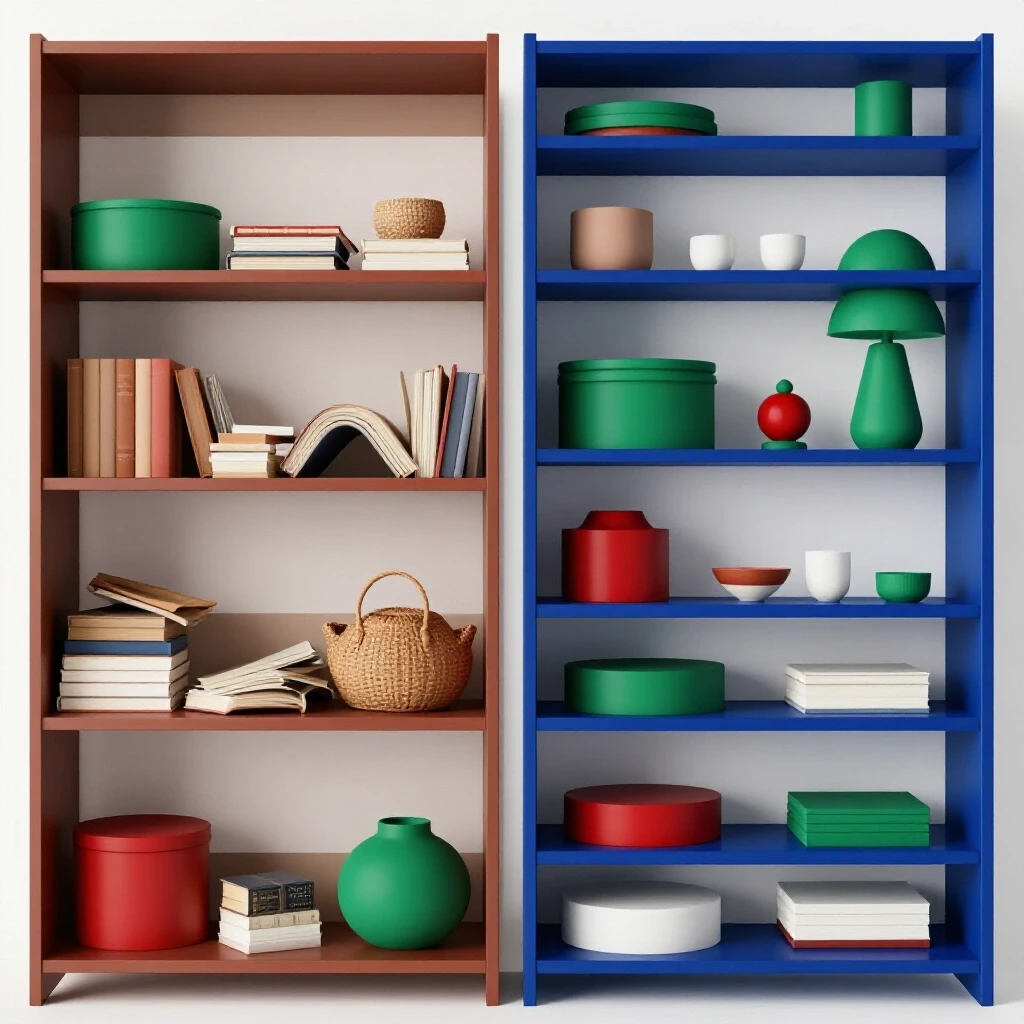
How can I make my rental feel more “integrated” without built-ins? Use large-scale furniture that mimics the look of built-ins. For example, a series of identical tall bookcases placed side-by-side can create the look of a library wall without permanent installation. This provides massive storage and a clean visual line.
What is the most common mistake in furniture placement? Pushing all the furniture against the walls. This often creates an awkward “dead zone” in the middle of the room and makes the seating feel disconnected. Pulling furniture just 6 inches away from the wall can improve air circulation and visual depth.
How often should I do a “spatial audit” of my home? I recommend a quick audit every six months. As families grow and seasons change, our needs evolve. A piece of furniture that worked two years ago might now be an obstacle to your current routine.
What are performance fabrics made of? Most are made of synthetic fibers like polyester, nylon, or acrylic that have been engineered for durability. Some high-end versions are solution-dyed, meaning the color goes all the way through the fiber, making them highly resistant to fading and staining.
How much space do I need between my coffee table and the TV? Ideally, you want at least 7 feet for a standard 50-inch TV to ensure comfortable viewing. For walking space, ensure there is a clear path of at least 30 inches between the edge of the coffee table and the TV stand.
(This article was written by one of our staff writers, James Whitaker. Visit our Meet the Team page to learn more about the author and their expertise.)