Optimal Family Movie Night Layout for L-Shaped Sectionals (Guide)

I have spent fifteen years observing how families interact with their living spaces. In my time as a retail merchandising manager, I learned that the true value for money in home decor is not found on a price tag. Instead, it is measured by how many years a piece of furniture remains useful and comfortable. A sectional might look stunning in a showroom, but its real test begins when a family of four piles onto it for a two-hour film. I have seen many people invest heavily in trends that fail within months because they ignored the basic principles of spatial flow and material durability.
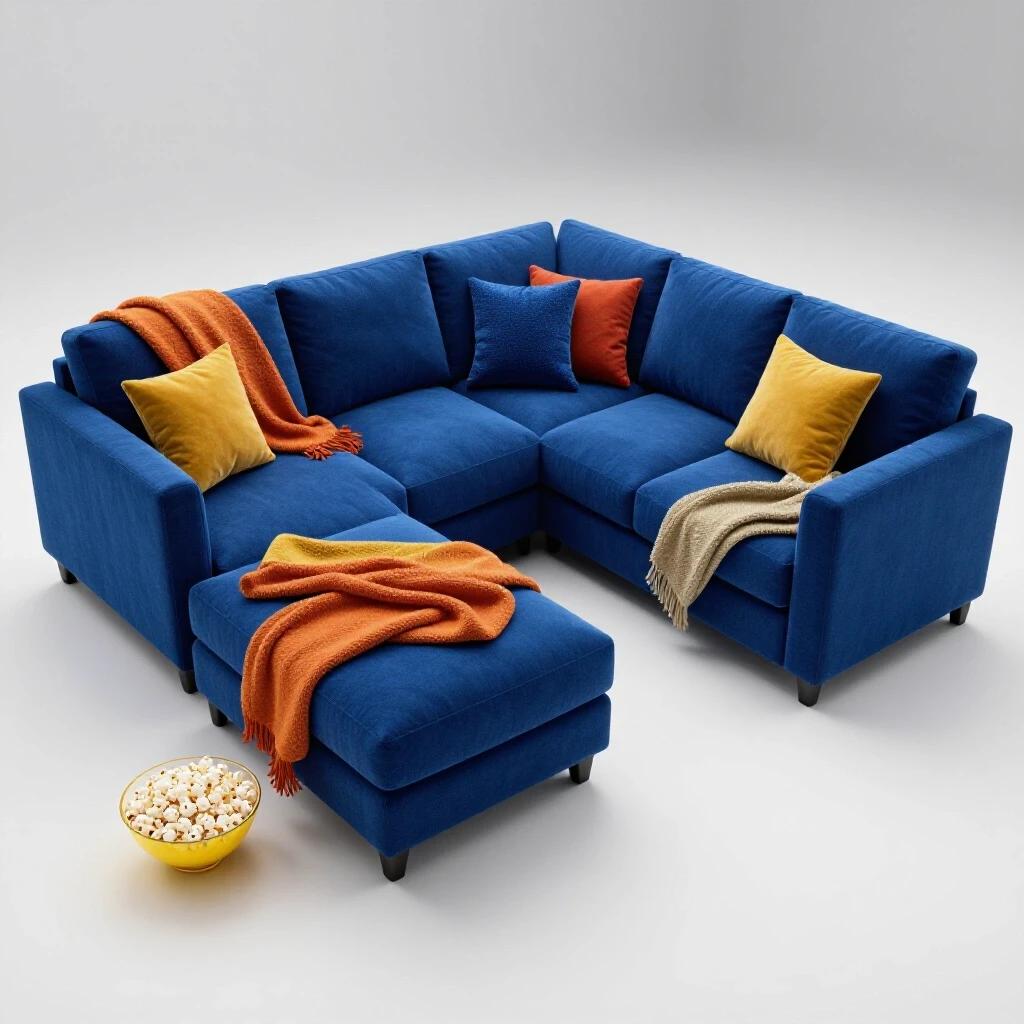
When we talk about long-term livability, we are looking at the gap between day one and day one thousand. On day one, everything is clean and the layout feels new. By day one thousand, the fabric has faced hundreds of movie snacks, and the “corner” seat has become a point of contention or a beloved sanctuary. My goal is to help you navigate these choices so your investment supports your lifestyle for years to come.
The Environmental Psychology of Corner Seating
Corner seating arrangements are designed to create what psychologists call sociopetal space. This refers to a furniture layout that encourages human interaction by angling people toward one another or a shared focal point. For a family viewing area, an L-shaped sectional naturally defines a zone of comfort, acting as a physical boundary that signals it is time to relax.
Research into environmental psychology suggests that humans feel most secure when their backs are protected and they have a clear view of the room. An L-shaped configuration provides this sense of enclosure. When positioned correctly, it creates a “nesting” effect. This layout allows family members to choose between sitting upright for conversation or lounging horizontally for a film. The psychological impact of having enough “elbow room” while remaining within a shared footprint cannot be overstated for long-term household harmony.
Calculating Practical Viewing Angles and Distances
A functional room layout depends on the relationship between the seating and the screen. If the sectional is too close, viewers experience eye strain; too far, and the immersive feeling is lost. For most L-shaped setups, the goal is to ensure that both arms of the “L” provide a comfortable sightline without requiring anyone to crane their neck at an awkward angle.
The Society of Motion Picture and Television Engineers suggests a viewing angle of about 30 degrees. In a home setting, this means the distance from the sectional to the screen should be roughly 1.5 to 2.5 times the diagonal width of your display. If you have a 65-inch screen, your sectional should ideally sit between 8 and 13 feet away. This range ensures that even the person tucked into the far corner of the L-shape has a clear, undistorted view of the action.
Navigating Traffic Flow and Clearance Zones
Clearance paths are the invisible hallways in your room that allow for movement without disruption. In a family room, these paths are vital for preventing the “obstacle course” feeling that occurs when furniture is packed too tightly. If someone needs to get up for a drink, they should be able to do so without making three other people move their legs.
I recommend a minimum of 36 inches for major walking paths. For the space between the sectional and a coffee table or ottoman, aim for 14 to 18 inches. This is close enough to reach a drink but far enough to allow for leg movement. When a sectional is placed in the middle of a room, ensure there is at least 3 feet of space behind the longest arm to allow people to walk behind the seating area rather than cutting in front of the screen.
Space Clearance Guidelines for Viewing Areas
| Area Description | Recommended Clearance | Purpose |
|---|---|---|
| Sectional to Coffee Table | 14 – 18 Inches | Allows for leg room while keeping surfaces reachable. |
| Main Walking Pathways | 30 – 36 Inches | Prevents “bottlenecks” during high-traffic moments. |
| Behind the Sectional | 36 Inches | Allows movement without interrupting the screen view. |
| Sectional to Screen | 1.5x – 2.5x Screen Size | Reduces eye strain and optimizes the visual experience. |
Selecting Durable Fabrics for High-Use Family Zones
Tactile durability is the ability of a fabric to withstand the friction of daily use. In a retail setting, we measure this using the Wyzenbeek method, which records how many “double rubs” a fabric can take before it shows wear. For a family sectional that will host movie nights, homework sessions, and perhaps a pet, you should look for a “heavy-duty” rating.
Practical interior design often favors performance fabrics like solution-dyed polyester or high-quality microfibers. These materials are engineered to resist stains and fading. While natural linen looks beautiful, it often lacks the structural integrity needed for a primary family seat. I have seen many families regret choosing a low-rub-count fabric because it began to pill or thin within the first two years of use.
Fabric Durability and Performance Benchmarks
| Fabric Type | Wyzenbeek Rub Count | Best For | Long-term Maintenance |
|---|---|---|---|
| Performance Polyester | 30,000+ | Kids, pets, daily use | Easy to spot clean; resists pilling. |
| Top-Grain Leather | N/A (High Durability) | Longevity and spills | Develops a patina; needs conditioning. |
| Microfiber | 15,000 – 20,000 | Softness and comfort | Traps pet hair; requires frequent vacuuming. |
| Cotton Blends | 10,000 – 15,000 | Low-traffic areas | Prone to wrinkling and staining. |
Integrating Storage and Surface Solutions
A common mistake in decorating a viewing area is forgetting where the “stuff” goes. Blankets, remote controls, and snack trays need a home that is within reach of the sectional. Integrated storage helps maintain a cohesive room by reducing the visual clutter that often accumulates during a long evening of relaxation.
I often suggest using a large, sturdy ottoman instead of a traditional coffee table. An ottoman with a flat, firm surface can hold a tray for drinks while doubling as a footrest for those sitting on the shorter end of the L-shape. Look for models with internal storage to hide extra pillows or blankets when they aren’t in use. This multi-functional approach keeps the room organized and adaptable to different needs throughout the week.
Lighting and Color Strategies for Long-Term Comfort
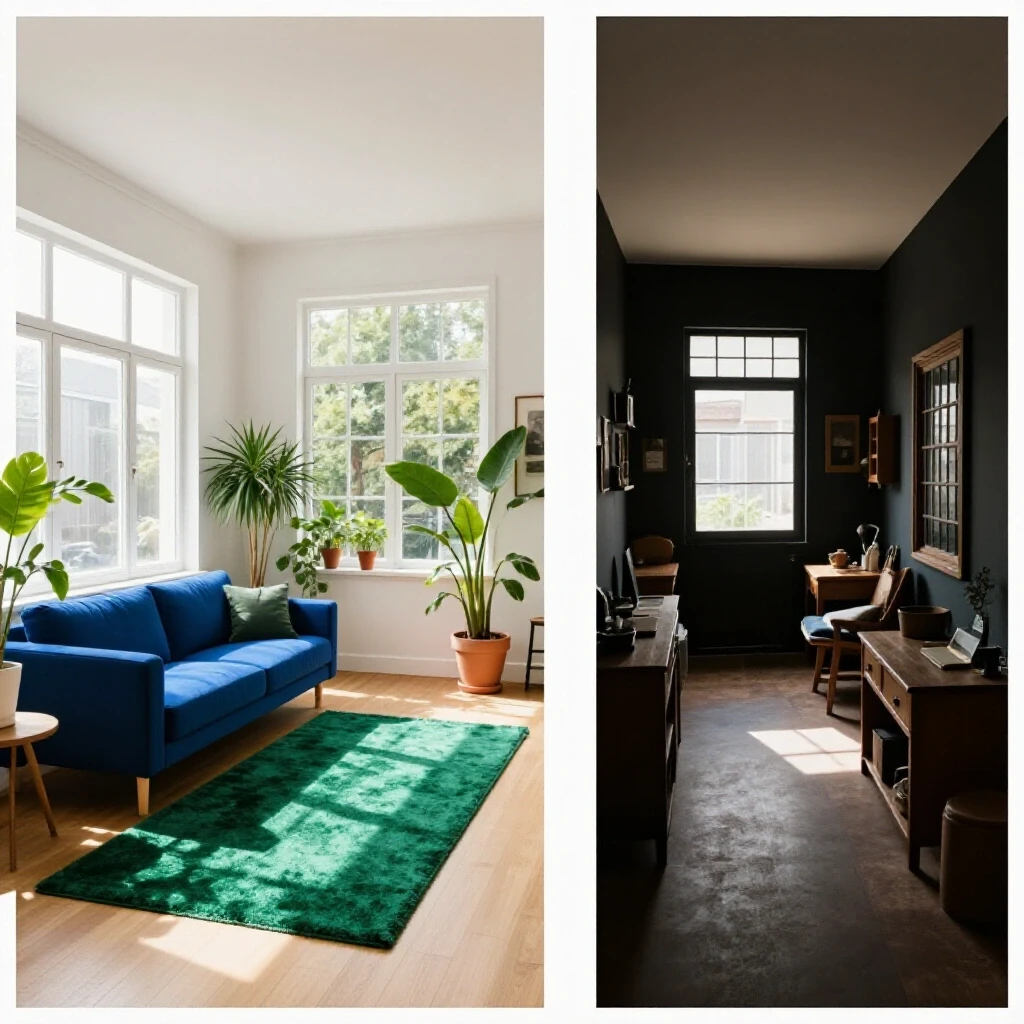
The color of your walls does more than just look pretty; it affects how your eyes perceive the screen. Light Reflectance Value (LRV) measures how much light a paint color reflects. For a room dedicated to viewing, an LRV between 20 and 40 is often ideal. This range is dark enough to reduce screen glare but light enough to keep the room from feeling like a cave during the day.
Lighting should be layered. Avoid overhead lights that create a glare on the screen. Instead, use dimmable side lamps or wall-mounted sconces. Placing a soft light source behind the sectional or the screen (bias lighting) can reduce eye fatigue by providing a subtle glow that balances the brightness of the display. This small adjustment significantly improves the comfort of extended viewing sessions.
A Personal Case Study: The 1,000-Day Living Room Audit
In my own home, I tracked the performance of an L-shaped sectional over three years. On day one, the layout was focused entirely on the screen. However, we soon realized that the “dead corner” of the L-shape was becoming a graveyard for lost toys and dust. It was also difficult for the person in that corner to reach the coffee table.
To fix this, I introduced a small “C-table” that slid over the arm of the sectional. This provided a dedicated surface for the person in the corner. I also shifted the sectional six inches away from the wall to allow for better airflow and to prevent the fabric from rubbing against the paint. These minor adjustments, based on observing our actual habits, turned a “good” layout into a highly functional one that has lasted well beyond the thousand-day mark.
Actionable Room Assessment Guide
If you are planning to refresh your family viewing area, follow these steps to ensure your layout is both beautiful and durable.
- Map Your Traffic: Use painter’s tape on the floor to mark the footprint of your sectional. Walk around it for a day. Do you find yourself bumping into the corners?
- Test Your Sightlines: Sit in every planned “seat” of the L-shape. Can you see the screen clearly? Is the height of the screen comfortable for the person lounging?
- Check Your Fabric: Order swatches and rub them against your jeans. Spill a little water on them. If the water doesn’t bead up or the fabric feels thin, it may not survive a family environment.
- Audit Your Storage: Count how many blankets and remotes you currently have. Does your new layout provide a specific, hidden place for every one of them?
- Evaluate Your Lighting: Turn on your screen at the time of day you usually watch movies. Note where the reflections hit and plan your lamp placement to avoid those spots.
Key Takeaways for Durable Room Design
Building a space for family connection requires a balance of soft textures and hard data. By prioritizing clearance paths of 36 inches and selecting fabrics with at least 30,000 double rubs, you are choosing a layout that serves your family rather than one you have to constantly protect. The best design is the one that allows you to stop worrying about the furniture and start focusing on the people sitting on it.
Next, consider your color palette. Choosing a mid-tone paint with an LRV of 30 can bridge the gap between a cozy evening atmosphere and a bright, functional daytime space. Remember that your home is a living environment; it should be allowed to evolve as your family’s needs change over the years.
Frequently Asked Questions
What is the best rug size for an L-shaped sectional?
A rug should be large enough to anchor the entire seating area. Ideally, all feet of the sectional should sit on the rug. If the room is smaller, ensure at least the front feet of both arms are on the rug. This prevents the sectional from “floating” visually and helps define the viewing zone. A common size for this layout is 8×10 or 9×12 feet.
How do I prevent the “corner seat” from being uncomfortable?
The corner of an L-shaped sectional can feel cramped because there is no place for legs to go if someone else is sitting on the adjacent side. To solve this, use plenty of large, squishy throw pillows to provide back support. This allows the person in the corner to sit at an angle, making the space feel more open and usable.
Should I place my sectional against the wall or in the center of the room?
If space allows, pulling the sectional away from the wall by even 3 to 5 inches creates a more high-end, designer look and prevents wall scuffing. If you have a large open-concept room, placing the sectional in the center can help define the “viewing room” as a separate space from the kitchen or dining area.
What are the best colors for a family viewing room?
Mid-tone blues, greens, or warm grays are excellent choices. These colors are psychologically calming and have a lower Light Reflectance Value (LRV), which helps reduce screen glare. Avoid bright white, as it can reflect too much light from the screen back into your eyes, causing fatigue.
How do I choose a coffee table for an L-shaped sectional?
Look for a round or oval table, or a large square ottoman. Round shapes are safer for kids and easier to navigate around in a tight “L” configuration. Ensure the height of the table is within 1 to 2 inches of the sectional’s seat height for maximum comfort and accessibility.
Is leather or fabric better for a family movie area?
Leather is highly durable and easy to wipe clean, making it great for spills. However, it can feel cold in the winter or sticky in the summer. Performance fabrics offer a softer, cozier feel and are now engineered to be nearly as stain-resistant as leather. The choice usually depends on whether you prefer the “patina” of aged leather or the “softness” of woven textiles.
How high should I mount my screen for the best viewing?
The most common mistake is mounting a screen too high. For the best experience, the middle of the screen should be at eye level when you are sitting on the sectional. This usually means the center of the screen should be about 42 inches from the floor, depending on the height of your seating.
How can I make my sectional last longer?
Rotate your cushions every few months to ensure even wear. If your sectional has loose back cushions, fluff them regularly to maintain their shape. Using a fabric protector spray can also add an extra layer of defense against spills, but always check the manufacturer’s warranty first.
What is the ideal distance between the sectional and the screen?
A good rule of thumb is to sit about 9 feet away from a 65-inch screen. If you have an 85-inch screen, you may want to move the sectional back to 11 or 12 feet. This distance ensures you can see the whole screen without moving your head, which helps prevent neck strain during long films.
Can I use an L-shaped sectional in a small room?
Yes, an L-shaped sectional can actually make a small room feel larger by eliminating the need for multiple chairs and side tables. By tucking the “L” into a corner, you open up the floor space in the center of the room, creating a cleaner, less cluttered environment.
(This article was written by one of our staff writers, James Whitaker. Visit our Meet the Team page to learn more about the author and their expertise.)