Which Houseplants to Keep or Replace for Better Home Decor (Guide)

Walking into a room for the first time often triggers a quick emotional response. As a retail merchandising manager, I spent over a decade studying those first five seconds. In a store, we use lighting and height to guide your eyes. In a home, we often use greenery to breathe life into a corner. However, what looks stunning on day one can become a source of stress by day one thousand. I have lived in small apartments and sprawling family houses, and I have learned that the most beautiful decor is the kind that survives your actual life.
Practical interior design is not just about how a room looks in a photo. It is about how that room feels when you are rushing to work or hosting a busy holiday dinner. When I first started decorating my own spaces, I fell for the trend of high-maintenance statement plants. I wanted that lush, jungle look I saw on social media. But after years of moving furniture and adjusting to different light levels, I realized that some choices were simply incompatible with long-term home livability.
The Psychology of Living Decor and Spatial Harmony
Indoor plants are more than just accessories; they are structural elements that change the “feel” of a room through biophilic design. Biophilia is the idea that humans have an innate need to connect with nature, and bringing plants inside can lower stress and improve focus.
In a functional room layout, a plant serves as a visual anchor. It can soften the sharp corner of a bookshelf or add height to a low-slung sofa. However, if a plant is too demanding, it stops being a source of peace and becomes a chore. Environmental psychology studies show that “maintenance anxiety”—the subtle stress of caring for a dying or struggling decor element—can negate the calming effects of greenery. To achieve true balance, we must choose elements that fit our existing habits rather than trying to change our habits to fit our decor.
Why Some Greenery Choices Fail the Durability Test
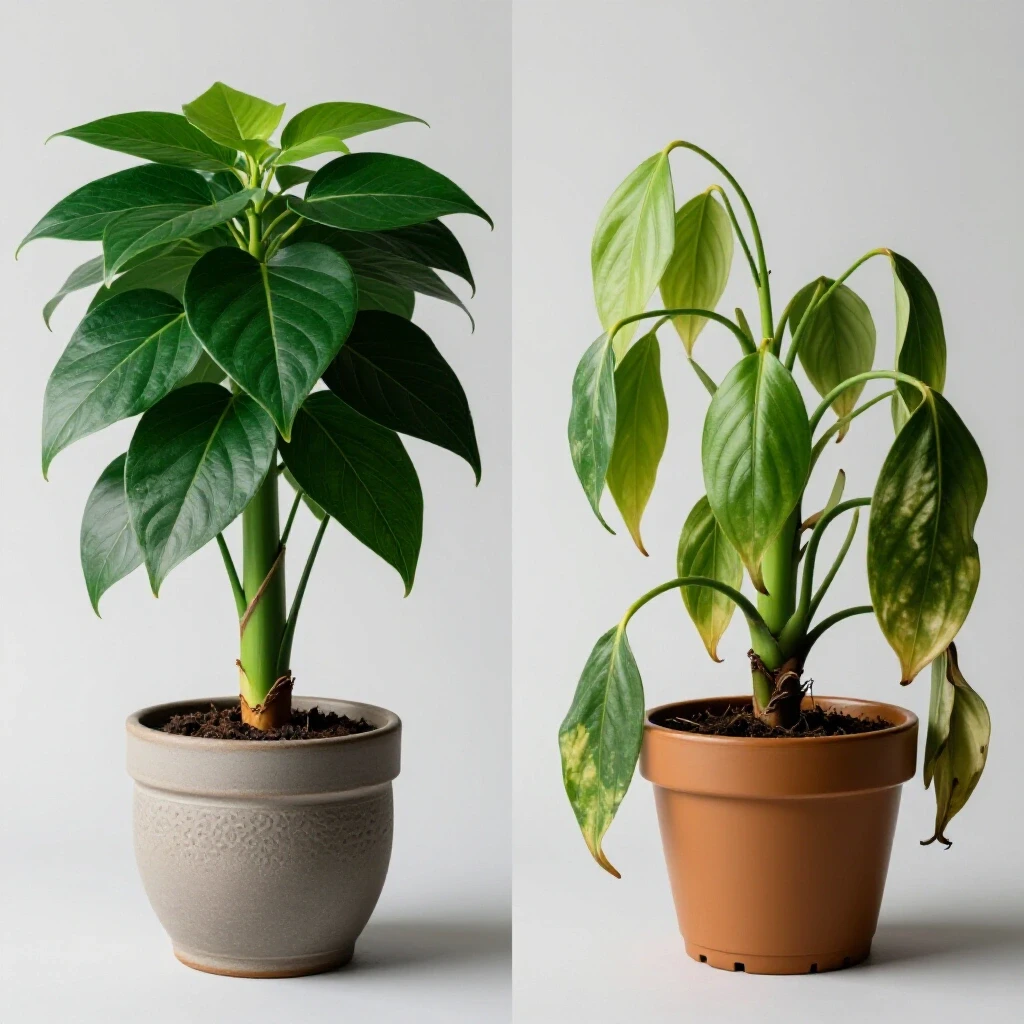
My biggest decorating regret involved a large, temperamental tree that required a very specific type of indirect light and a humidity level my home simply could not provide. It was a beautiful focal point for three months, but it soon became a skeleton of its former self.
In the world of durable home decor, we look for items that can handle “wear and tear.” For a plant, wear and tear means surviving a week without attention or thriving in a room where the light changes with the seasons. High-maintenance plants often fail because they are not “forgiving.” When a decor choice requires a perfect environment to look good, it is rarely a good choice for a busy family home.
Analysis of Decor Longevity: Statement vs. Sustainable
| Feature | High-Maintenance “Trend” Plants | Durable “Legacy” Plants |
|---|---|---|
| Visual Impact | High, but fades quickly if stressed | Consistent and predictable |
| Spatial Flexibility | Low; requires specific “sweet spots” | High; can move between rooms |
| Maintenance Level | Daily monitoring required | Weekly or bi-weekly check-ins |
| Long-term Value | Often dies within 1-2 years | Grows with the family for a decade |
| Functional Fit | Can be brittle or messy | Usually sturdy and clean |
Functional Room Layouts and Plant Placement
When planning a room, we must consider “clearance paths.” This is the space needed to walk comfortably through a room without bumping into furniture. A common mistake is placing a large plant pot in a high-traffic area.
A standard walking pathway should be at least 36 inches wide. If a plant’s leaves or its pot extend into this path, the room will feel cramped and cluttered. I learned this the hard way when I placed a wide-reaching fern in a narrow hallway. Every time someone walked by, the fronds were brushed, leading to brown edges and a messy floor. For long-term home livability, always measure your “spatial budget” before adding a large living element.
Key Spatial Metrics for Greenery
- Pathway Clearance: Maintain 36 inches for main walkways.
- Furniture Distance: Keep plants 12 to 18 inches away from electronics to avoid moisture issues.
- Vertical Scale: A plant should ideally take up no more than one-third of the vertical space between the floor and ceiling to avoid “crowding” the room.
The Reliable Few: Greenery That Supports Daily Life
After moving away from temperamental species, I discovered a handful of plants that actually enhanced my home’s functionality. These are the choices that stayed because they balanced visual appeal with extreme durability.
The Structural Anchor: The Snake Plant
The Snake Plant (Sansevieria) is a favorite for practical interior design. It has a vertical growth habit, meaning it takes up very little floor space while providing significant height. This makes it ideal for small rooms or tight corners. It is also incredibly durable, handling low light and irregular attention without losing its sleek, architectural look.
The Textural Workhorse: The ZZ Plant
The ZZ Plant (Zamioculcas zamiifolia) offers a deep green, waxy texture that looks almost artificial because it stays so healthy. In my 15 years of evaluating home decor, I have found few things as reliable as the ZZ. It thrives in the “dead zones” of a house—those corners far from windows where nothing else seems to grow.
The Versatile Vining Option: Pothos
Pothos is the ultimate tool for adding softness to hard surfaces. Whether draped over a high shelf or placed in a hanging basket, it creates a “waterfall” effect that breaks up the straight lines of modern furniture. It is easy to prune, meaning you can control its size and shape to fit your room’s specific needs.
The Bold Upright: The Rubber Tree
For those who want a larger focal point, the Rubber Tree (Ficus elastica) is a sturdier alternative to more delicate trees. Its thick, leathery leaves are easy to clean and resist drooping. It provides a bold, dark color that creates a beautiful contrast against light-colored walls (high Light Reflectance Value).
Integrating Greenery with Color and Light
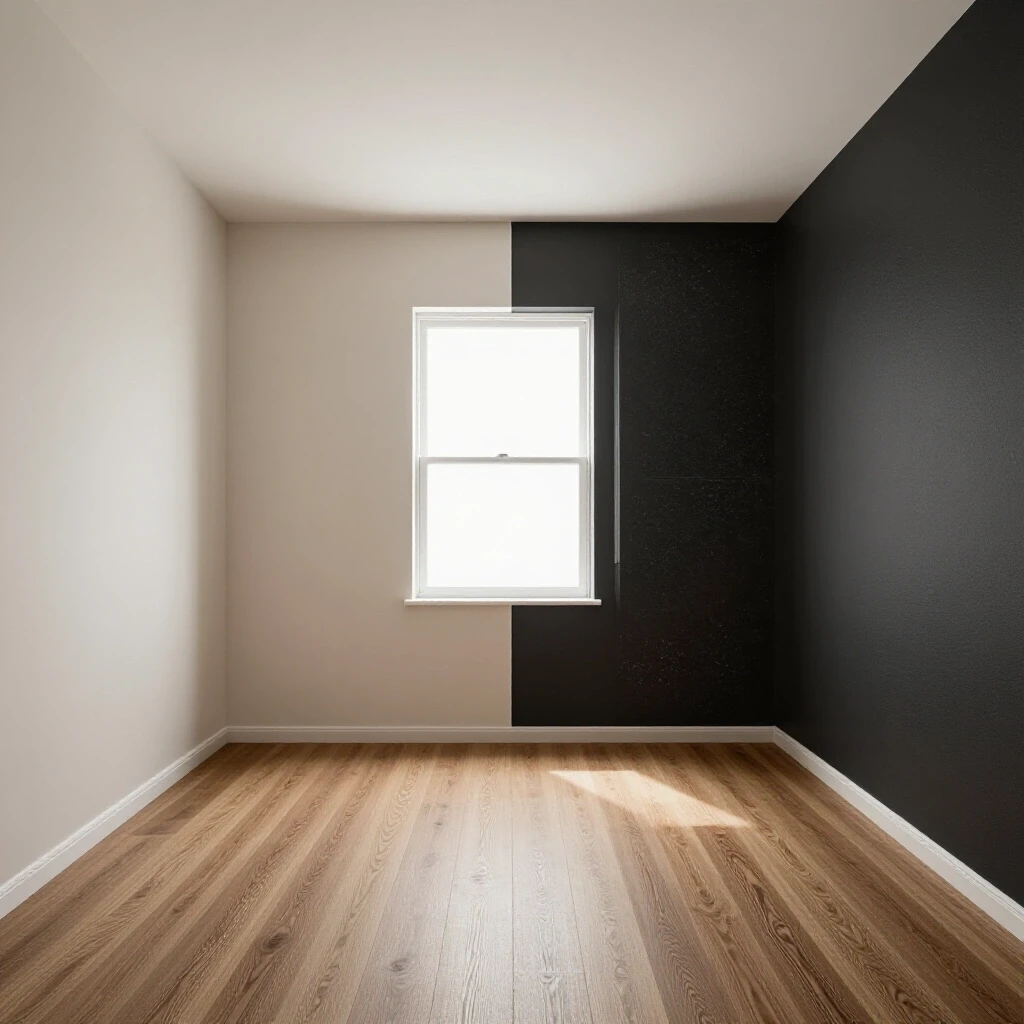
Light Reflectance Value (LRV) is a scale from 0 to 100 that measures how much light a paint color reflects. A white wall has a high LRV, while a dark navy has a low one. When making decorating decisions, consider how your plants interact with your wall colors.
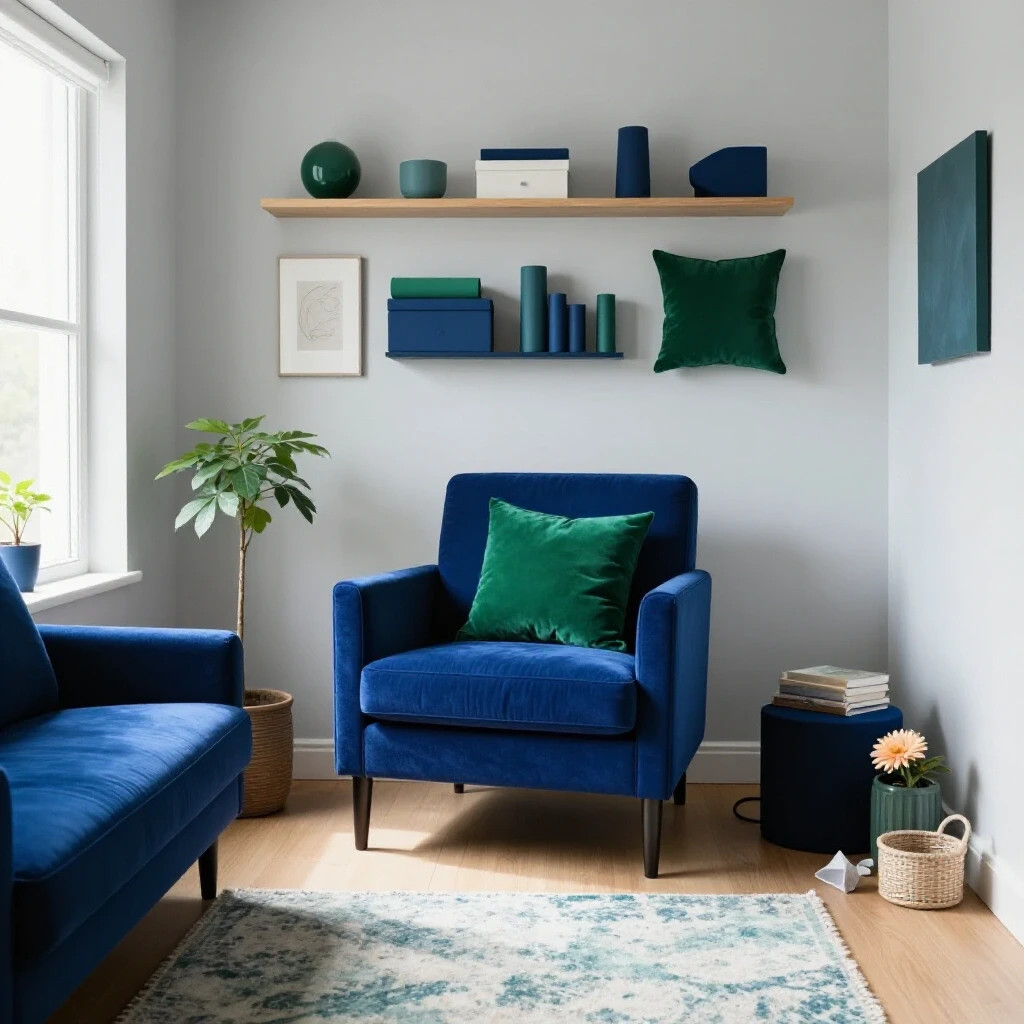
Dark green leaves look stunning against high-LRV walls (70-90), such as off-whites or light grays. The contrast makes the plant “pop” as a piece of art. If your walls are darker (LRV 20-40), look for plants with variegated leaves (white or yellow spots) to pull light into the corner. This strategy ensures your decor remains visible and vibrant even on cloudy days.
Durable Materials and Plant Proximity
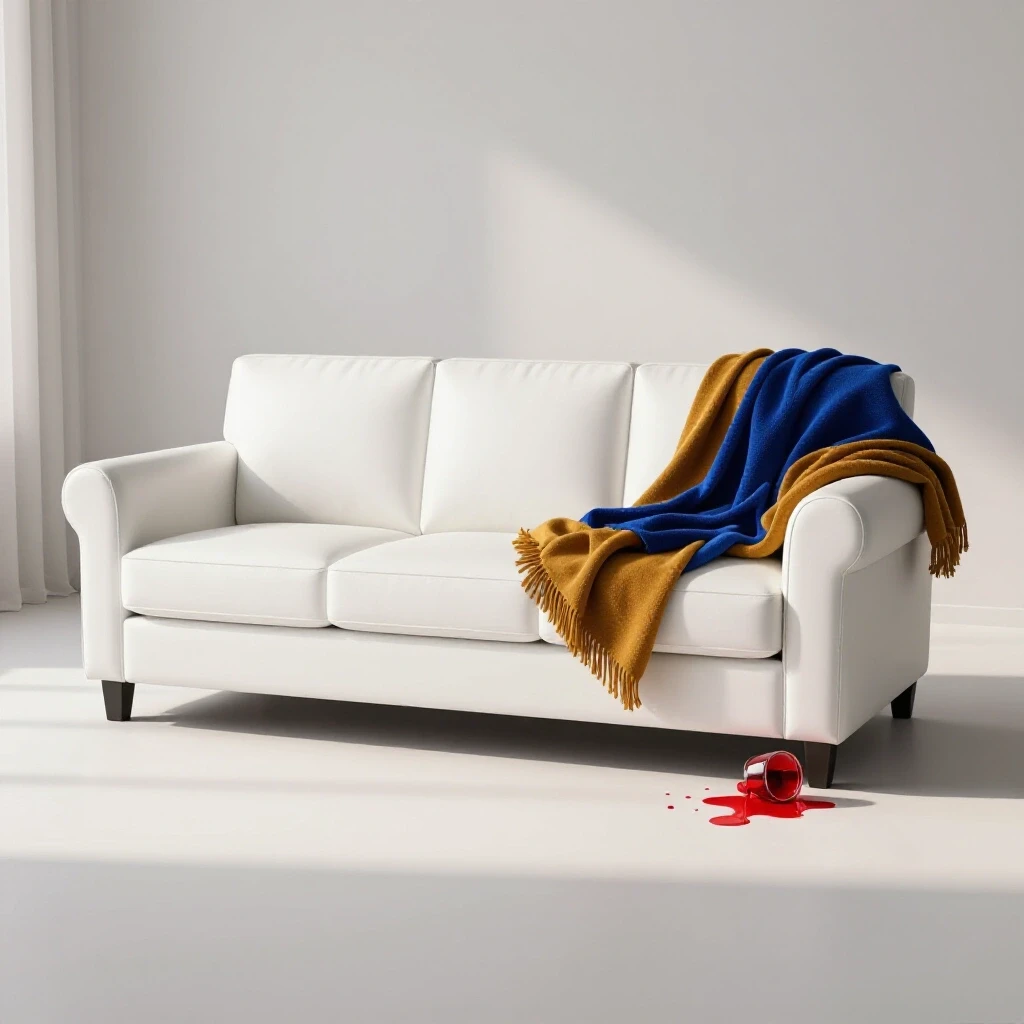
If you are placing plants near furniture, you must consider the durability of your fabrics. I often recommend performance fabrics for homes with many plants. Performance fabrics are treated to resist moisture and stains, which is vital if you accidentally splash water during maintenance.
Fabric Durability Benchmarks (Wyzenbeek Method)
The Wyzenbeek test measures how many “double rubs” a fabric can take before wearing through. * Light Duty: 3,000 to 9,000 double rubs (Avoid placing plants here). * Medium Duty: 9,000 to 15,000 double rubs (Safe for occasional contact). * Heavy Duty/Family Grade: 15,000+ double rubs (Best for areas near greenery).
Using heavy-duty fabrics near your indoor garden ensures that your furniture stays looking new, even if a leaf occasionally brushes against a chair or a bit of soil drops on the rug.
Long-Term Home Livability Audit
To avoid the frustration of outdated or non-functional decor, I suggest a “livability audit” every six months. This is a simple process to see if your decorating decisions are still serving your family.
- The Flow Test: Walk through your room at a fast pace. Do you have to swerve to avoid a plant or a piece of furniture? If yes, move it.
- The Health Check: Is the plant thriving, or is it “surviving”? If it looks sickly, it is adding visual clutter, not beauty. Move it to a better light source or replace it with a more durable species.
- The Maintenance Review: How much time are you spending on this specific decor element? If it feels like a burden, it’s time to rethink its place in your home.
Practical Tools for Room Planning
Before buying new decor, use these tools to ensure a functional fit: 1. Painter’s Tape: Mark the footprint of a new pot on your floor. Leave it there for two days to see if you trip over it. 2. Light Meter Apps: Use a smartphone app to measure the “foot-candles” in a corner. Most durable plants need at least 50-100 foot-candles to stay healthy. 3. Scale Templates: Draw your room on graph paper. Use a 1:12 scale (one inch equals one foot). This helps you see if a “statement” plant is actually a “space-hogging” plant.
Creating a Cohesive, Functional Home
Decorating is a journey of trial and error. My early mistakes taught me that a home should support the people living in it, not the other way around. By choosing durable plants like the Snake Plant or the ZZ Plant, and placing them with an eye for spatial flow and light contrast, you create a space that remains beautiful for years.
Focus on the foundations: clear pathways, durable materials, and plants that fit your actual light levels. When you prioritize functionality, the beauty follows naturally. Your home becomes a place of rest, free from the “maintenance anxiety” of trendy but impractical choices.
Frequently Asked Questions
How do I know if a plant is too big for my room layout? A plant is likely too big if it violates the 36-inch clearance rule for walkways. Additionally, if the plant’s canopy covers more than 20% of a window’s glass area, it may be making the room feel darker and smaller than it actually is.
What are the best low-light plants for a windowless office or hallway? The ZZ Plant and the Snake Plant are the gold standards for low-light durability. They can survive in areas with very little natural light, though they will grow more slowly. For these areas, focus on their architectural shape rather than expecting rapid growth.
Can indoor plants damage my hardwood floors or carpets? Yes, if moisture is trapped underneath a pot. Always use a “breathable” stand or a saucer with “feet” to allow airflow. Never place a ceramic pot directly on wood or carpet, as condensation can cause permanent staining or rot.
How can I use plants to hide awkward architectural features? Long, trailing plants like Pothos are excellent for softening the look of exposed pipes or awkward bulkheads. Tall, vertical plants like the Snake Plant can fill narrow gaps between furniture and walls, making the “dead space” look intentional.
What is the best way to clean large-leaf plants like the Rubber Tree? Use a soft, damp microfiber cloth to gently wipe the dust off the leaves once a month. This isn’t just for looks; dust blocks sunlight and reduces the plant’s ability to breathe. Clean leaves are more durable and stay green longer.
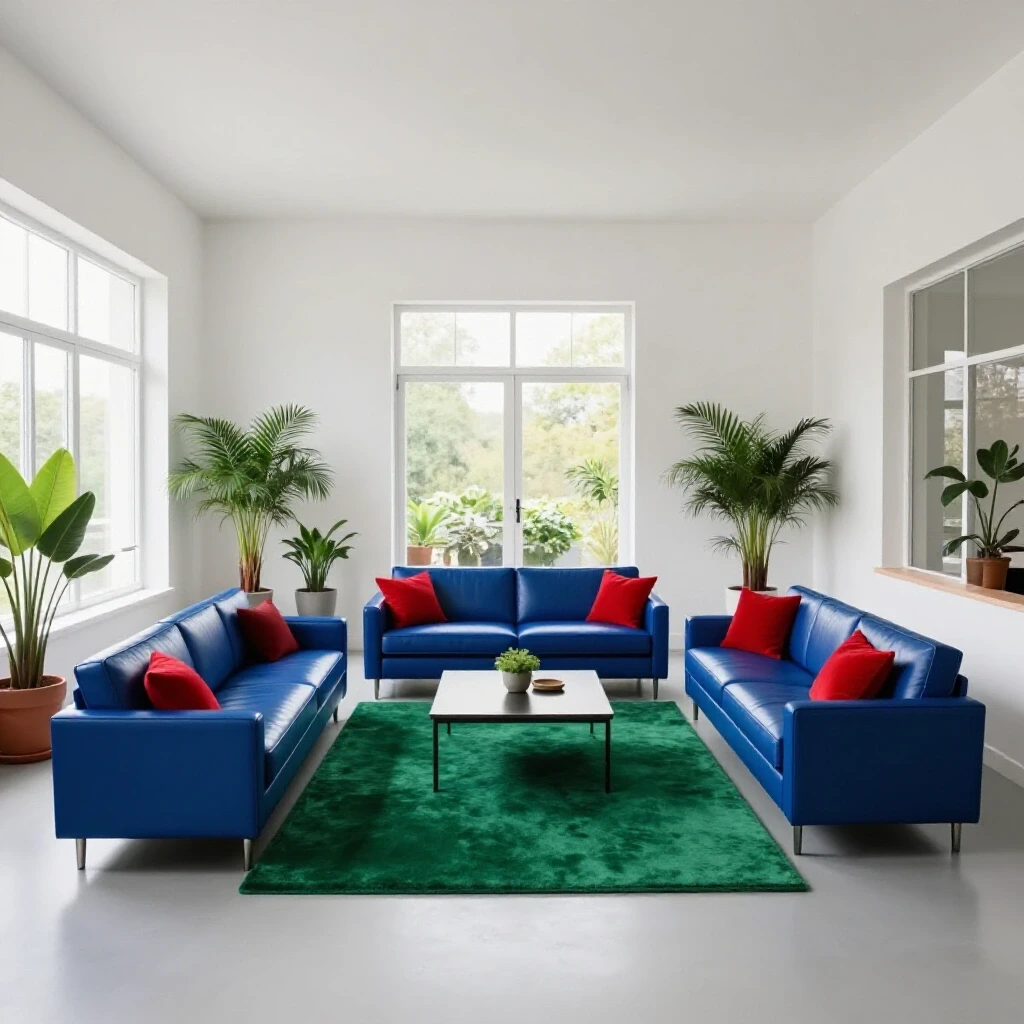
How do I balance a room’s “visual weight” using greenery? If you have a heavy piece of furniture on one side of a room, like a large sofa, balance it on the other side with a tall, leafy plant. This creates symmetry without needing another bulky piece of furniture, keeping the room feeling airy.
Are there plants that are safer for high-traffic areas with kids and pets? In high-traffic areas, look for plants with flexible stems and non-brittle leaves. Pothos is generally very resilient to being bumped. However, always check a reputable database for toxicity if you have pets or small children, as some durable plants can be irritating if ingested.
How often should I rotate my plants for even growth? To maintain a balanced look in your decor, rotate your pots 90 degrees every time you water them. This prevents the plant from leaning too far toward the light, which can make the arrangement look lopsided and unstable over time.
What should I do if a plant outgrows its “functional” space? You have two choices: prune it back to maintain its size or move it to a larger room where it can serve as a new focal point. If a plant becomes a “pathway hazard,” it must be moved to preserve the room’s livability.
Is it better to use one large plant or several small ones for decor? For a clean, modern look, one large “anchor” plant usually works better than a cluster of small pots. Too many small pots can create visual clutter and make surfaces harder to clean. A single, well-placed Rubber Tree or Snake Plant offers a more professional, “merchandised” feel.
(This article was written by one of our staff writers, James Whitaker. Visit our Meet the Team page to learn more about the author and their expertise.)