How to Choose Durable Home Decor That Lasts for Years (Guide)

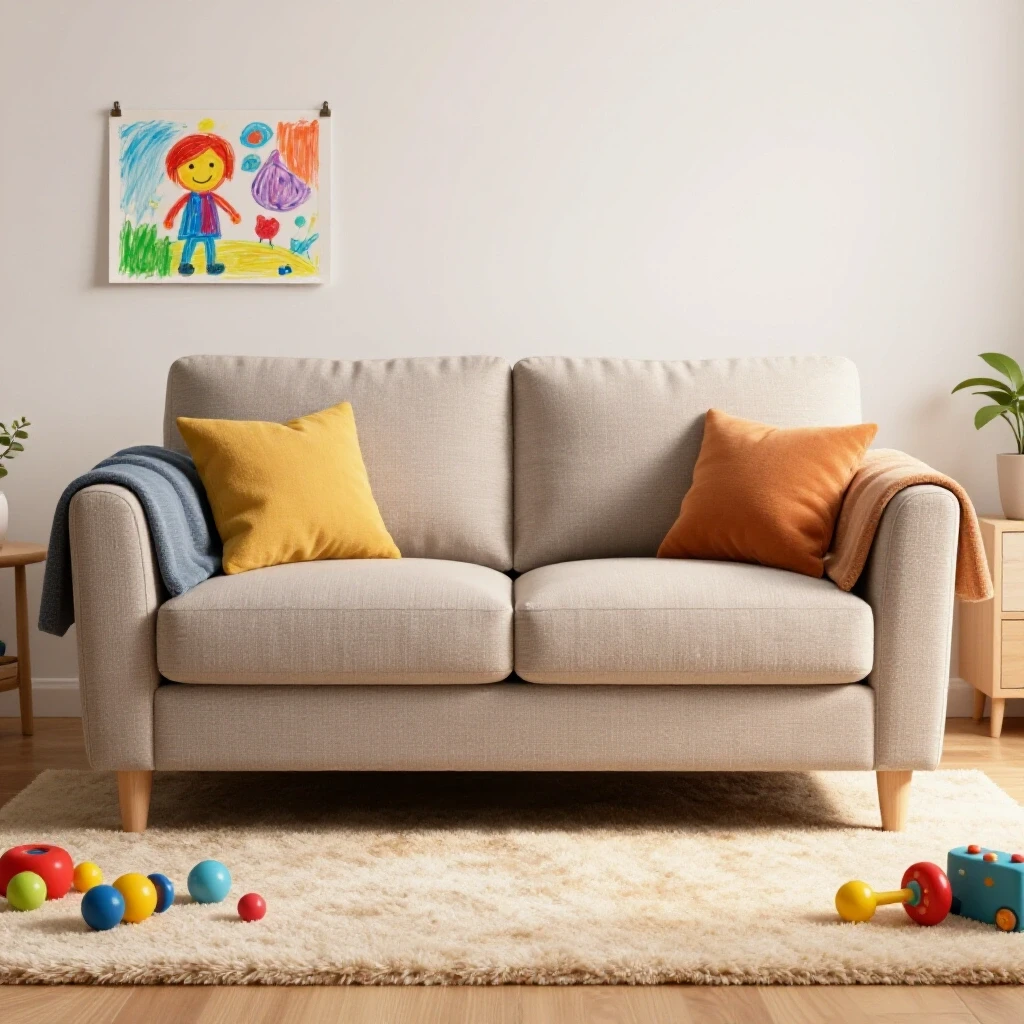
When a golden retriever decides that the corner of your sofa is the best place to dry off after a rainy walk, the reality of interior design hits home. In my fifteen years as a retail merchandising manager, I have seen thousands of products that look stunning in a showroom but fail the “pet and kid” test within months. Lasting home design is not about finding a piece that stays pristine; it is about choosing items with the structural integrity and material resilience to handle daily life for a decade or more. One specific seating arrangement in my own home has now crossed the eight-year mark, surviving three moves and two dogs, simply because it was selected based on measurable durability standards rather than a passing trend.
The Environmental Psychology of Enduring Living Spaces
Environmental psychology examines how our physical surroundings influence our stress levels, social interactions, and overall well-being over long periods. In a home setting, this means creating layouts that support natural movement and furniture choices that reduce “friction” in daily tasks, ensuring that a room remains comfortable and functional as a family’s needs evolve.
Building on this, the most successful rooms are those designed with behavioral mapping. This is the practice of observing how people actually move through a space. I often tell clients that a beautiful chair is a failure if it blocks the natural path to the kitchen. When we look at furniture that remains in use after eight years, it is usually because that piece facilitates a specific behavior, like family movie nights or quiet reading, without creating a physical obstacle.
Interestingly, studies in environmental psychology suggest that “visual clutter” from worn-out or poorly scaled furniture increases cortisol levels. By prioritizing items with high tactile durability, we maintain a sense of calm in the home. A piece that retains its shape and surface quality after years of use prevents the room from feeling “tired,” which is a key factor in long-term user satisfaction.
Structural Durability Standards for High-Traffic Furnishings
Structural durability refers to the internal construction and material quality that allow furniture to withstand weight, movement, and repetitive use without failing. For high-traffic items like sofas or dining tables, this involves specific manufacturing standards such as kiln-dried hardwoods, reinforced joinery, and high-density foam that prevent sagging or breaking over time.
In my merchandising career, I learned that what you cannot see matters most. When evaluating a piece for long-term use, I look for “kiln-dried” frames. This process removes moisture from the wood to prevent warping or cracking as the humidity in your home changes through the seasons. A frame held together by staples or glue alone will likely fail within three years, whereas mortise-and-tenon joinery or corner-blocked frames can easily last a decade.
The suspension system is another critical factor. For seating that stays comfortable for eight years or more, look for 8-way hand-tied springs or heavy-gauge sinuous springs. These systems distribute weight evenly, preventing the “sinking” feeling that often plagues cheaper furniture.
- Frame Material: Look for solid maple, oak, or birch. Avoid particle board or thin plywood.
- Joinery: Seek out double-doweled joints with corner blocks for maximum stability.
- Support: High-density foam (at least 1.8 lbs or higher) wrapped in down or fiber provides the best balance of comfort and shape retention.
Calculating True Clearance Paths for Functional Layouts
Clearance paths are the designated walking areas between furniture pieces and walls that allow for unobstructed movement through a room. Proper spatial planning requires measuring these gaps to ensure that even the largest furniture items do not impede the flow of traffic or make a room feel cramped and difficult to navigate.
A common mistake in practical interior design is choosing furniture that is too large for the “spatial budget” of the room. To ensure a layout works for the long term, you must maintain standard clearance ranges. For a main traffic thoroughfare, you need at least 36 inches of width. Between a coffee table and a sofa, 18 inches is the sweet spot—enough room to walk through, but close enough to reach your drink.
| Room Area | Recommended Clearance | Why It Matters |
|---|---|---|
| Main Walkways | 36 – 42 inches | Allows two people to pass comfortably. |
| Dining Chair Pull-out | 32 – 36 inches | Prevents chairs from hitting walls or other furniture. |
| Sofa to Coffee Table | 15 – 18 inches | Balances legroom with functional reach. |
| Bed to Wall/Dresser | 30 – 36 inches | Ensures enough space for dressing and making the bed. |
Fabric Resilience and the Wyzenbeek Method
Fabric resilience is the ability of a textile to withstand abrasion, staining, and fading during everyday use. This is measured using standardized tests like the Wyzenbeek method, which determines how many “double rubs” a fabric can endure before the threads begin to break or show significant wear.
When I selected the upholstery for my eight-year-old sectional, I ignored the “dry clean only” labels and looked for performance ratings. For a family home with pets, you should aim for a minimum of 30,000 double rubs. Anything lower is considered “light duty” and will likely show bald spots or pilling within two years.
- 15,000 Double Rubs: Suitable for occasional use (guest rooms).
- 30,000 Double Rubs: Heavy-duty residential use.
- 50,000+ Double Rubs: Commercial grade; ideal for homes with multiple pets or active children.
Beyond abrasion, consider the Light Reflectance Value (LRV) of your fabrics and paints. LRV measures the percentage of light a color reflects. In high-traffic areas, mid-range LRV colors (between 30 and 50) are the most practical. They are light enough to keep the room feeling airy but dark enough to mask minor shadows or dust that accumulate between cleanings.
Why Integrated Storage Outlasts Trendy Organizers
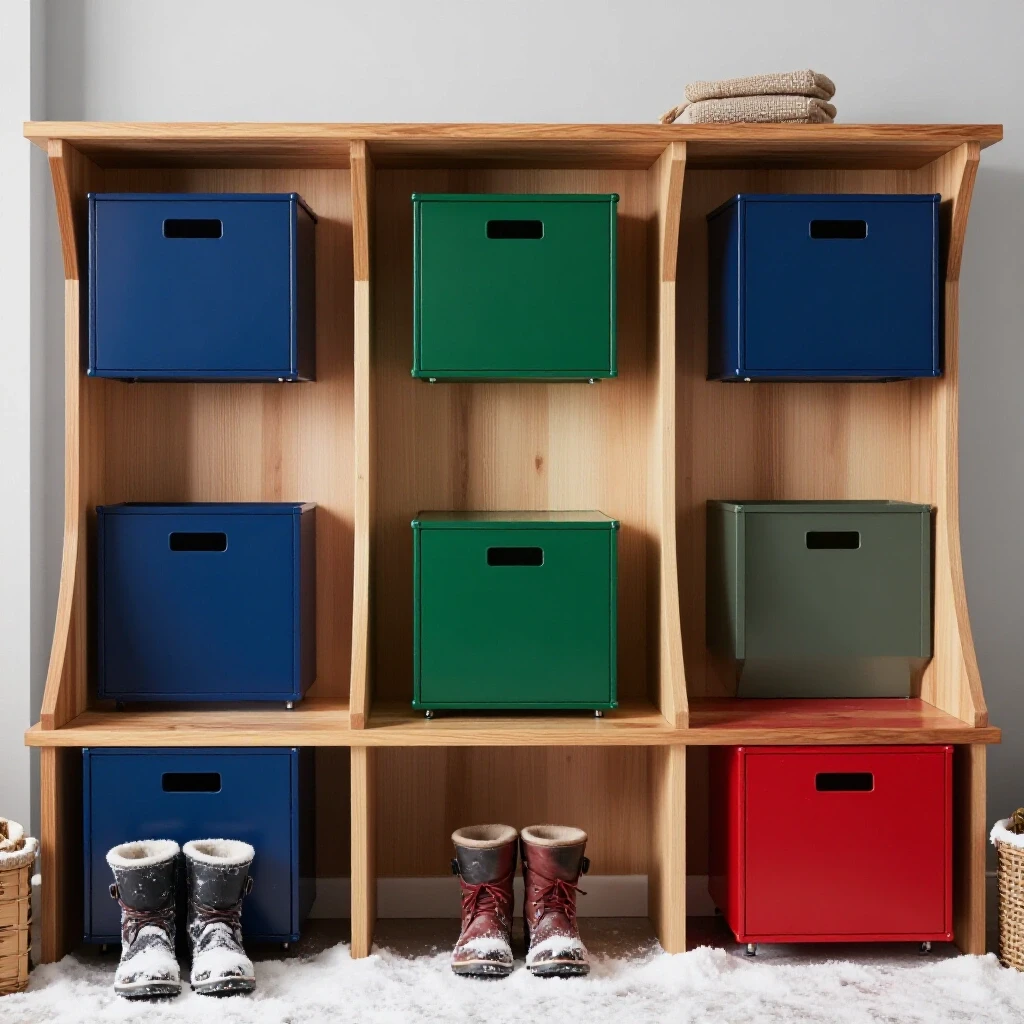
Integrated storage refers to furniture and built-in elements designed to house specific household items while maintaining a cohesive aesthetic. Unlike temporary bins or trendy plastic organizers, integrated storage uses the existing architecture or substantial furniture pieces to manage clutter, making it a more durable solution for evolving family needs.
In my experience, the most successful long-term decorating decisions involve “double-duty” furniture. An ottoman that opens to store blankets or a media console with adjustable shelving provides flexibility. As kids grow, the same cabinet that once held diapers can transition to storing board games or tech accessories.
When planning storage, I follow the 70/30 rule: 70% of storage should be closed (behind doors or in drawers) to hide the visual noise of daily life, while 30% can be open for curated decor. This balance ensures the room stays functional without looking like a warehouse.
Long-Term Livability Audits: A Room-by-Room Guide
A livability audit is a systematic evaluation of how well your furniture and layout serve your current lifestyle compared to when they were first installed. By assessing wear patterns, comfort levels, and storage capacity every few years, you can make small adjustments that extend the life of your decor and prevent the need for a total room overhaul.
To conduct an audit, I recommend using a simple three-point scale for every major item in your room:
- Physical Integrity: Are there wobbles, squeaks, or thinning fabric?
- Functional Alignment: Does this piece still serve a daily purpose, or is it just taking up space?
- Aesthetic Satisfaction: Does the color and scale still feel right, or does it feel like a relic of a past trend?
If an item fails the functional alignment test, it is time to move it or replace it, regardless of how much you liked it on day one. My eight-year-old sofa passed because we chose a neutral, high-quality weave that we could update with different pillows as our style changed. The “bones” of the piece were solid, allowing the “skin” of the room to evolve.
Practical Steps for Durable Decorating Decisions
- Request Fabric Swatches: Always take swatches home. Test them against your wall color in both morning and evening light.
- The “Snooze” Test: Sit on a sofa for at least ten minutes in the showroom. If it feels too soft initially, it will likely lose its shape within three years.
- Check the Weight: Generally, heavier furniture indicates solid wood frames rather than hollow plastics or composites.
- Measure Twice: Use blue painter’s tape to outline the footprint of a new purchase on your floor. Leave it there for 48 hours to see if it interferes with your daily movement.
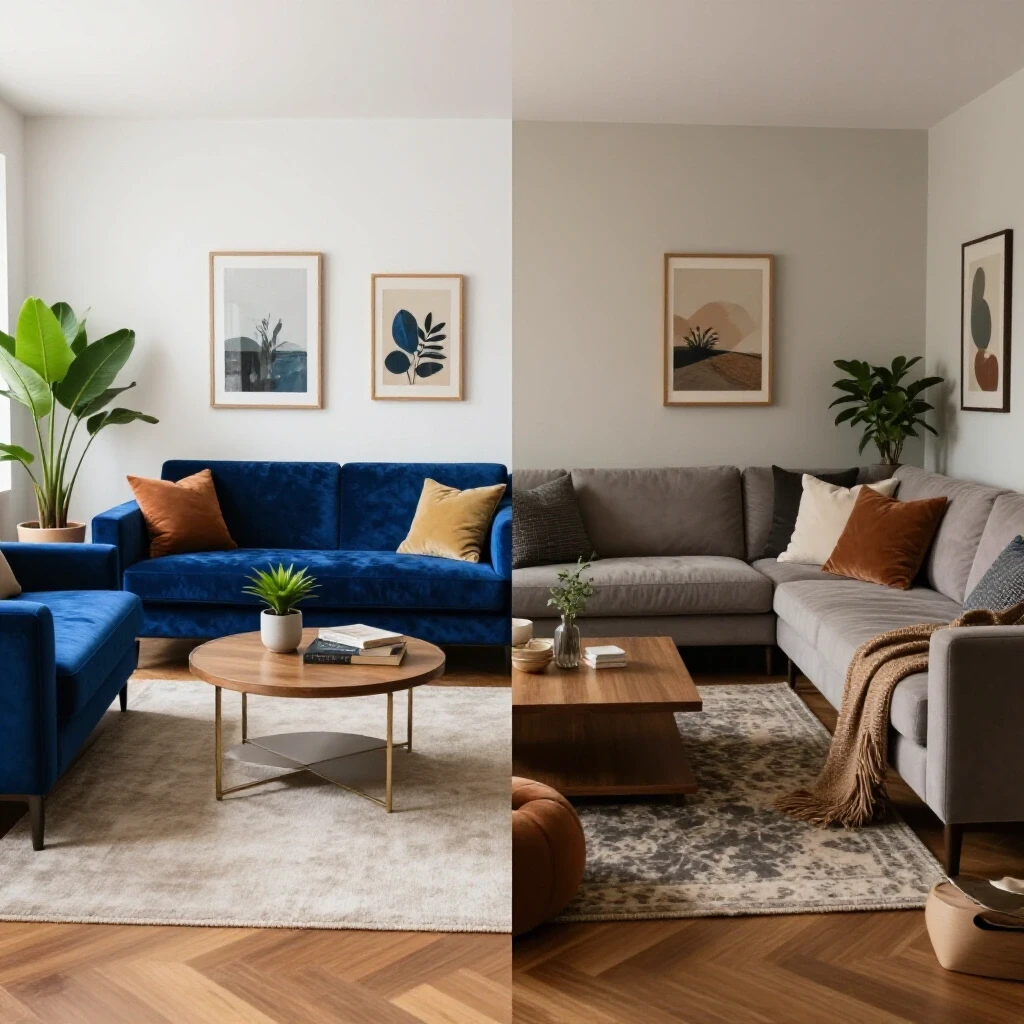
- Prioritize Neutrals for Big Items: Save the trendy colors for items that are easy to swap, like lamps, art, or throws.
Frequently Asked Questions
What is the most durable fabric for homes with cats? Microfiber and tightly woven synthetic blends are often the best choice. Cats find it difficult to get their claws into tight weaves, and microfiber is naturally resistant to snagging. Avoid loose weaves like linen or tweed, which act as a “scratching post” invitation.
How can I tell if a sofa frame is actually solid wood? Lift one front corner of the sofa about six inches off the ground. If the other front leg also lifts, the frame is rigid and well-constructed. If the frame twists or the other leg stays on the floor, it is likely a weaker, lower-quality build.
What is a good Light Reflectance Value (LRV) for a living room? An LRV between 50 and 60 is ideal for most living spaces. This range reflects enough light to make the room feel bright but has enough “body” to provide a cozy atmosphere and hide minor wall scuffs.
How much should I prioritize “performance fabrics” for adult-only homes? Even without kids or pets, performance fabrics are a wise investment for items you plan to keep for 8+ years. They protect against common spills like coffee or wine and are much more resistant to UV fading if your furniture sits near a window.
What is the “Golden Ratio” for furniture height? For visual balance, try to keep the heights of your furniture varied but related. For example, your side table should be within two inches of the height of your sofa arm. This creates a cohesive “horizon line” in the room that is pleasing to the eye.
Is down-filled seating better than foam for longevity? A blend is usually best. Pure down requires constant fluffing and can look messy. Pure foam can feel stiff. A high-density foam core wrapped in a down-feather envelope provides the longevity of foam with the premium comfort of down.
How do I prevent my rug from wearing out in high-traffic paths? Rotate your rug 180 degrees every six months. This ensures that the “crushing” of fibers from walking paths is distributed evenly across the entire surface, significantly extending its visual life.
Why does my furniture look smaller in the store than in my house? Showrooms have 20-foot ceilings and massive open floor plans, which makes furniture appear smaller. This is why measuring your “spatial budget” and using floor tape at home is essential to avoid purchasing a piece that overwhelms your room.
What are the signs that a dining table will last a decade? Look for a “trestle” or “pedestal” base made of solid wood. Check the underside for metal “stretcher” bars, which prevent the wood top from bowing over time. Avoid veneers that are thinner than 1/8th of an inch, as they can peel at the edges.
Can I fix a sagging sofa cushion myself? If the cushion has a zipper, you can often replace the internal foam with a higher-density block from an upholstery supplier. This is a cost-effective way to get another few years out of a piece that still has a structurally sound frame.
(This article was written by one of our staff writers, James Whitaker. Visit our Meet the Team page to learn more about the author and their expertise.)