How to Clean Used Furniture Safely and Avoid Hidden Risks (Guide)

Over the last 13 years, I have managed the procurement and maintenance of home materials across four different properties, ranging from mid-century restorations to modern builds. My background in supply chain analysis has taught me that the “deal” you find on a pre-owned piece of furniture is rarely the final price. Whether I was evaluating a solid cherry dining table or a vintage teak sideboard, I quickly realized that the technical condition of the surface and the integrity of the previous finishes dictate the true cost of ownership. This guide applies the same rigorous material science and trade-off analysis I use for $10,000 quartz installations to the world of second-hand furniture restoration and maintenance.
Understanding Material Porosity and Surface Degradation in Pre-Owned Items
Porosity refers to the volume of open spaces within a material, determining how easily liquids or environmental debris are absorbed. Surface degradation involves the breakdown of protective coatings due to age, light exposure, or previous maintenance habits, which directly affects the item’s long-term durability and the effort required to keep it clean.
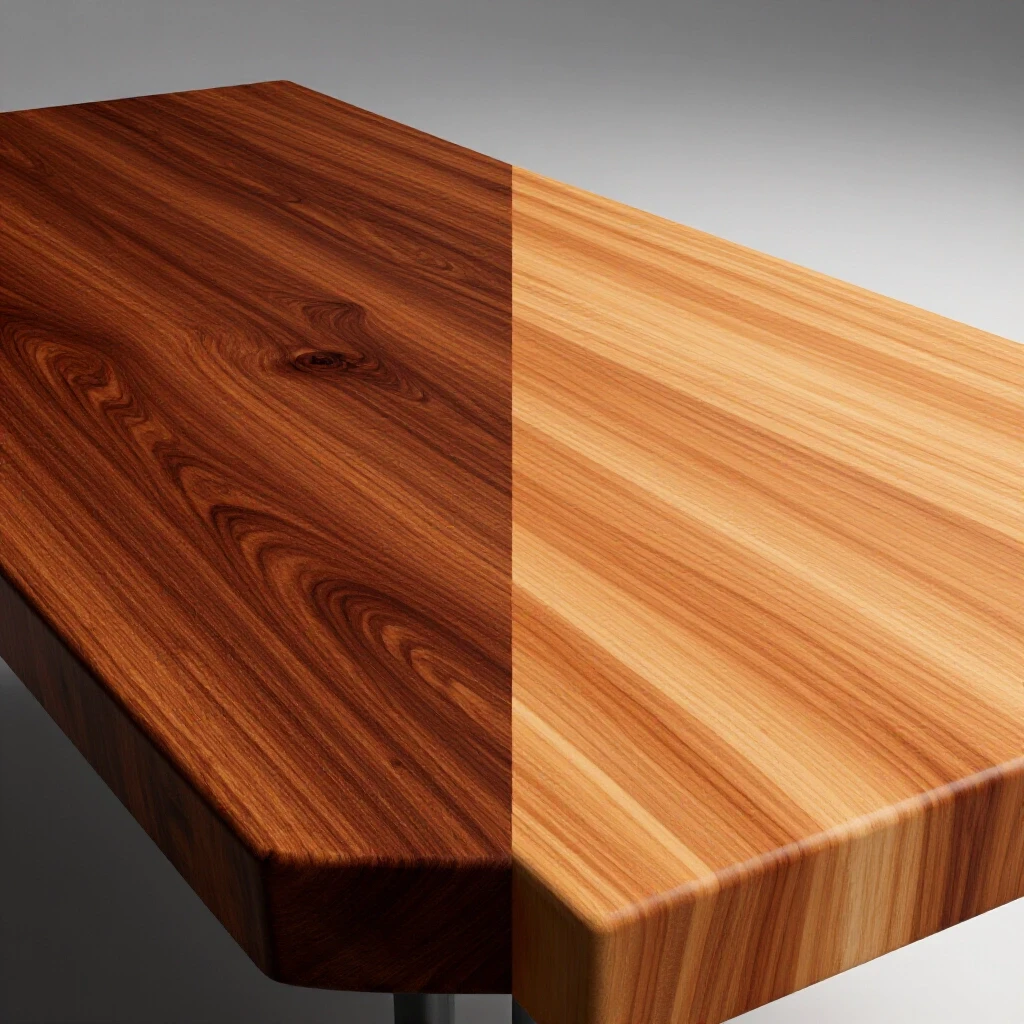
When I evaluate a second-hand piece, the first thing I look at is the absorption rate. In material science, we measure how a surface reacts to moisture to determine if the original seal is still functional. For example, a factory-finished polyurethane coating on a 1990s oak table has a much lower porosity than a waxed 1920s pine dresser. If water beads on the surface, the “wear layer” is likely intact. If it sinks in and darkens the wood, the protective barrier has failed.
This failure isn’t just an aesthetic issue; it’s a maintenance liability. A high-porosity surface traps dust and oils, making daily cleaning significantly harder. In my own home, I once purchased a beautiful walnut desk that appeared to be in great shape. However, a simple water-drop test revealed the oil finish had completely evaporated over 20 years. I had to factor in the cost of high-quality tung oil and the labor of a multi-stage application process to return the wood to a manageable state.
- Absorption Rate: Measured by how long a liquid sits on the surface before penetrating.
- Surface Tension: High surface tension (beading) indicates a healthy protective coating.
- Oxidation: The chemical reaction of the finish with oxygen, often leading to a brittle, yellowed, or “alligatoring” texture.
Comparative Analysis of Wood Species and Synthetic Laminates
Evaluating wood involves looking at the Janka hardness scale, which measures a species’ resistance to denting and wear. Synthetics are judged by wear-layer thickness and heat resistance, providing a baseline for how a second-hand piece will perform under modern household stress compared to its original specifications.
In the supply chain world, we use the Janka scale to predict how materials will hold up in high-traffic areas. When buying used, knowing the species tells you if the piece can be sanded and refinished or if it’s nearing the end of its life cycle. A soft wood like Pine (690 lbf) will show every scratch from a previous owner’s life, whereas White Oak (1,360 lbf) can often be cleaned and lightly buffed back to a like-new state.
Interestingly, many homeowners struggle to distinguish between solid wood and high-pressure laminates (HPL). While HPL is incredibly durable and non-porous, it cannot be “restored” once the wear layer is scratched through. I often advise people to weigh the “repairability” of solid wood against the “durability” of synthetics. If you find a used laminate piece with deep scratches, the maintenance cost is effectively the cost of replacement, as DIY fixes are rarely seamless.
Side-by-Side Material Performance Specifications
| Material Type | Janka Hardness (lbf) | Porosity Level | Maintenance Cycle | Repairability |
|---|---|---|---|---|
| Solid White Oak | 1,360 | Medium | 3-5 Years (Oil/Wax) | High |
| Solid Black Walnut | 1,010 | Medium | 2-3 Years (Oil) | High |
| Pine / Softwoods | 690 | High | 1-2 Years (Sealer) | Moderate |
| High-Pressure Laminate | N/A | Very Low | None | Low |
| Wood Veneer | Varies | Low to Medium | 5-7 Years (Lacquer) | Very Low |
The Science of Surface Bonded Residues and Safe Removal
Surface residues are layers of accumulated oils, waxes, or old polishes that can trap debris and obscure the original finish. Safe removal requires understanding the chemical compatibility between the existing finish, such as shellac or polyurethane, and mild cleaning agents to avoid permanent damage to the substrate.
One of the biggest risks in cleaning second-hand finds is using a cleaner that reacts negatively with the existing finish. For instance, many older pieces were finished with shellac. Shellac is an organic resin that is soluble in alcohol. If you use a cleaning agent with a high alcohol content, you will literally melt the finish off the wood.
In my professional evaluations, I categorize residues into “mechanical” and “chemical” bonds. Mechanical bonds are just dirt sitting on top. Chemical bonds occur when old wax or oil has cross-linked with the finish. To address these, I always start with the “least aggressive” method. A pH-neutral soap (pH 7) is the gold standard for initial cleaning. It breaks down surface tension without altering the chemical structure of the underlying material.
- pH-Neutral Soap: Best for general grime on any sealed surface.
- Mineral Spirits: Effective for removing old wax buildup on oil-based finishes (test first).
- Distilled Water: Prevents mineral spotting on high-gloss or dark finishes.
Evaluating Joint Stability and Mechanical Integrity
Joint stability refers to the strength of the connections between different parts of a furniture piece, often held together by adhesives or mechanical fasteners. Mechanical integrity is the ability of these joints to withstand daily loads without shifting, which can be compromised over time by humidity changes and wood movement.
Before I even think about cleaning the surface of a used chair, I perform a “stress test.” I apply lateral pressure to see if the joints creak or move. In wood science, we call this the “hygroscopic effect”—wood expands and contracts with the seasons. Over 30 years, this movement can break down old hide glues or even modern PVA glues.
If a joint is loose, cleaning it might actually make the problem worse by introducing moisture into the open gap. I once bought a set of mid-century dining chairs where the previous owner had used a “restoration oil” that actually seeped into the loose joints. The oil prevented new wood glue from bonding, turning a simple 10-minute repair into a two-hour surgical cleaning of the tenons.
- Check for “Racking”: Side-to-side movement in tables or chairs.
- Inspect Glue Lines: Look for white or yellow crystalline residue, indicating glue failure.
- Test Drawers: Ensure wood-on-wood slides haven’t worn down to the point of structural thinning.
Technical Cleaning Protocols for Different Finish Types
Cleaning protocols are systematic steps designed to remove contaminants while preserving the physical properties of the furniture’s finish. Different finishes, such as lacquer, varnish, or oil, require specific chemical approaches to ensure the cleaning agent does not cause swelling, peeling, or discoloration.
Most people treat all wood furniture the same, but from a supply chain and maintenance perspective, the finish is the most important variable. Lacquer, common on furniture from the 1950s to the 1980s, is very sensitive to heat and moisture. Polyurethane, common in more modern pieces, is much tougher but can peel if it wasn’t applied to a properly prepared surface.
When I bring a new-to-me piece home, I follow a strict protocol. I start with a vacuum using a soft brush attachment to remove abrasive dust. If you skip this and go straight to a wet rag, you are essentially using the dust as sandpaper, creating micro-scratches in the finish. These scratches then become “catch points” for future dirt, increasing your long-term maintenance burden.
Cleaning Agent Reactivity and Safety
| Agent | Target Contaminant | Risk Level | Best Use Case |
|---|---|---|---|
| Distilled Water | Dust / Light Soil | Very Low | All finishes |
| pH-Neutral Soap | Oils / Grime | Low | Sealed wood / Laminates |
| White Vinegar (Diluted) | Mineral Deposits | Medium | Use sparingly on tough spots |
| Mineral Spirits | Wax / Grease | High | Only on cured, oil-based finishes |
| Microfiber Cloth | Physical Debris | Very Low | Daily maintenance |
Why Higher Upfront Costs Don’t Always Guarantee Durability
The price of a second-hand item often reflects its brand or aesthetic appeal rather than its technical performance or ease of maintenance. A high-end designer piece made of delicate materials may require more expensive specialized care than a mass-produced item made of high-durability composites.
I have seen homeowners spend $2,000 on a used “statement” table made of reclaimed wood, only to realize the maintenance is a nightmare. Reclaimed wood often has high “textural variance,” meaning there are nooks and crannies that trap crumbs and spills. From a durability vs. maintenance cost perspective, that $2,000 table might cost an additional $500 in specialized brushes, vacuum attachments, and annual resealing.
Conversely, a $500 “boring” solid maple table might have a factory-applied conversion varnish. This finish is incredibly hard and non-porous. In my analysis, the maple table has a much higher “Value Index” because the lifetime maintenance cost is near zero. When you evaluate used goods, you must look past the price tag and analyze the surface texture and finish type.
- Textural Variance: Rougher surfaces require 3x more cleaning time.
- Finish Hardness: Harder finishes (like conversion varnish) resist scratches better than soft finishes (like wax).
- Repairability Factor: Can you fix a scratch yourself, or does it require a professional?
Long-Term Maintenance Cycles and Life-Cycle Costing
Life-cycle costing is an accounting method that evaluates the total cost of ownership over an item’s lifespan, including the initial purchase, routine maintenance, and eventual restoration. A maintenance cycle is the scheduled frequency at which specific care tasks must be performed to prevent material failure.
When I buy a piece of furniture, I calculate the 10-year cost of ownership. This includes the purchase price, the initial cleaning supplies, and the recurring cost of oils or waxes. For example, a used teak table might be cheap upfront, but teak requires regular oiling to prevent it from turning grey and becoming brittle if kept in a sunny room.
If you spend $50 a year on high-quality teak oil and two hours of labor, over 10 years, you’ve added $500 and 20 hours of work to the price. If you compare this to a high-quality veneer piece that only needs a damp cloth, the “cheaper” teak table might actually be the more expensive choice for a busy professional.
Upfront Cost vs. 15-Year Maintenance Outlay
| Furniture Item | Upfront Cost (Used) | Annual Maint. Cost | 15-Year Total | Labor Hours (Total) |
|---|---|---|---|---|
| Solid Oak Table | $400 | $15 | $625 | 30 Hours |
| Teak Sideboard | $600 | $45 | $1,275 | 45 Hours |
| Laminate Desk | $150 | $0 | $150 | 5 Hours |
| Waxed Pine Chest | $250 | $30 | $700 | 60 Hours |
Practical Steps for a Systematic Surface Evaluation
A systematic evaluation involves using specific tools and observations to determine a material’s current state before beginning any cleaning or restoration. This process minimizes the risk of using incorrect methods that could lead to permanent damage or decreased material value.
When I’m out looking at potential purchases, I carry a small “evaluation kit.” It’s not about being fancy; it’s about being precise. I want to know exactly what I’m getting into so I can negotiate the price based on the work required or walk away if the maintenance “debt” is too high.
- The Flashlight Test: Shine a light at a low angle across the surface. This reveals “blushing” (moisture trapped in the finish), scratches, and uneven wear that you can’t see from above.
- The Odor Check: Open drawers and smell the interior. Musty odors often indicate the piece was stored in a high-humidity environment, which can lead to warped wood and failing glue.
- The Solvent Test (Inconspicuous Area): Use a tiny amount of mineral spirits on a cotton swab in a hidden spot. If the finish gets tacky, it’s likely an old wax or oil finish that will need deep cleaning.
- The Hardware Inspection: Check if screws are original or if the wood around the hinges has stripped. Stripped wood is a structural repair, not a cleaning task.
Final Supply Chain and Cost Recommendations
Making a confident purchase requires balancing the emotional appeal of a piece with the technical data regarding its material composition and maintenance needs. A successful acquisition is one where the homeowner understands the trade-offs between upfront savings and the long-term investment of time and resources.
In my experience, the best “value” in the second-hand market often lies in pieces with high-quality “bones” (solid wood construction) but neglected “skins” (dirty or dull finishes). These pieces are often underpriced because they look bad, but they can be brought back to life with 1-2 days of methodical, safe cleaning and a fresh coat of wax or oil.
Avoid pieces where the structural integrity is compromised or where the finish is “alligatoring” (cracking in a pattern like scales) unless you are prepared for a full strip and refinish. A full refinish on a large dining table can easily cost $800 to $1,500 if done professionally, or 40+ hours of your own time. Always factor that into your offer price.
- Prioritize Solid Wood: It offers the best long-term durability and repairability.
- Assess Finish Condition: Dullness is easy to fix; cracking and peeling are not.
- Value Your Time: If a piece requires 20 hours of cleaning, add your hourly rate to the purchase price to see the “true” cost.
Frequently Asked Questions
How do I know if a used wood table is solid or veneer?
Look at the edges and the underside. Solid wood will have a grain pattern that continues from the top over the edge and onto the end grain. On a veneer piece, you will often see a thin line where the top layer meets the edge banding. Also, check the underside; veneers often use a cheaper secondary wood or particle board beneath.
Can I use vinegar and water to clean all used furniture?
No. While vinegar is a popular DIY cleaner, it is acidic (pH 2-3). Over time, acid can break down certain finishes, especially older lacquers or shellacs. It can also “starve” the wood by stripping away protective oils. Stick to pH-neutral soaps for 95% of your cleaning needs.
What is the most durable finish for a used piece I plan to use daily?
If you are refinishing a piece, a wipe-on polyurethane or a modern “hardwax oil” offers the best balance of durability and ease of maintenance. For a piece you are just cleaning, a high-quality paste wax provides a sacrificial layer that protects the original finish from minor scratches and moisture.
How often should I “deep clean” my second-hand wood furniture?
Deep cleaning should be rare—perhaps once every 2-3 years. For weekly maintenance, a dry microfiber cloth or a slightly damp cloth with distilled water is sufficient. Over-cleaning with chemicals is one of the leading causes of finish degradation.
Why does my used furniture still smell after cleaning the surface?
Odors are often trapped in the unfinished interiors of drawers or the back panels. These areas are porous and absorb environmental scents. Cleaning the finished exterior won’t help. Try placing an odor absorber inside the drawers for several weeks or lightly sanding the unfinished interior wood to open the pores and release the trapped scent.
Is it worth buying a piece with “white rings” on the surface?
White rings are usually moisture trapped in the finish (not the wood itself). These are often fixable with very fine steel wool and a bit of oil, or even a specialized “blush remover” spray. If the ring is black, the moisture has reached the wood and caused a chemical reaction with the tannins; this is much harder to fix.
What is the best way to remove old wax buildup?
Odourless mineral spirits on a soft cloth is the industry standard. It dissolves wax without harming most cured finishes like lacquer or varnish. Always work in a well-ventilated area and test a small spot first to ensure the finish doesn’t soften.
Should I use furniture polish from the grocery store?
Generally, no. Many commercial polishes contain silicone or “non-drying” oils. These create a temporary shine but can leave a smeary residue that attracts dust. Even worse, silicone can penetrate the finish and make future refinishing nearly impossible because new finishes won’t bond to it.
How do I identify a shellac finish?
Find an inconspicuous spot and apply a drop of denatured alcohol. If the finish softens and dissolves within a few seconds, it is shellac. This is important because you must avoid using any alcohol-based cleaners or even high-proof spirits (like a spilled drink) on these pieces.
Does “reclaimed” wood require different cleaning than “new” wood?
Yes. Reclaimed wood is often more porous and has a more irregular surface. You should avoid “wet” cleaning as water can sit in the cracks and cause the wood to swell or rot. Use a vacuum with a soft brush and a very dry “damp-dusting” technique.
What should I do if the wood feels “sticky” even after cleaning?
Stickiness usually means the finish itself is breaking down (common with old varnishes) or there is a heavy buildup of cooking grease or nicotine. If a pH-neutral soap doesn’t fix it, you may need to use mineral spirits to remove the degraded top layer of wax and grease. If it’s still sticky, the finish may need to be replaced.
(This article was written by one of our staff writers, Andrew Morrison. Visit our Meet the Team page to learn more about the author and their expertise.)