Walk-In Shower Cost Breakdown: Key Factors & Price Drivers (Guide)

“I just wanted a simple glass door and some new tile, but the quote came back triple what I expected. Where is the money actually going?” This is a question I heard frequently during my 18 years as a construction project coordinator. Homeowners often feel like they are staring into a financial black hole when they begin a bathroom remodel. The reality is that a modern shower installation is one of the most complex square-footage areas in any home.
My name is David Langford, and I have spent nearly two decades navigating the friction between homeowner expectations and the gritty realities of residential building. I have managed multi-million dollar renovations and completed two full-home remodels of my own. I have seen how a single “small” change to a drain location can cascade into a four-figure budget increase. My goal is to pull back the curtain on why these projects cost what they do and how you can manage your renovation without losing your mind or your savings.

Establishing a Realistic Financial Blueprint for Shower Upgrades
Budgeting for a modern shower involves more than just picking out tile; it requires an understanding of the interplay between invisible infrastructure and visible finishes. A successful plan accounts for the demolition of old materials, the correction of underlying structural issues, and the precision required for high-end waterproofing systems.
When I look at RSMeans construction data, the national averages for bathroom work often surprise people because they don’t account for the “hidden” labor. For example, a standard shower footprint might seem small, but it requires four different trades: a plumber, a carpenter, a tile setter, and a glazier. Each professional has a minimum mobilization fee. If your project requires moving a drain even six inches, you are no longer doing a “refresh”; you are doing a structural plumbing modification.
In my second personal home renovation, I assumed the subfloor was solid because the existing tile looked fine. Once we pulled the old pan, we found a slow leak that had rotted the joists over ten years. This discovery added $2,200 to the project instantly. This is why I always recommend a contingency fund.
Contingency Buffer Allocations by Property Age
| Property Age | Recommended Buffer | Primary Risk Factors |
|---|---|---|
| 0–10 Years | 10% | Minor code updates, material shipping delays |
| 11–30 Years | 15–20% | Outdated plumbing, subfloor moisture, mold |
| 30+ Years | 25%+ | Cast iron pipe failure, lead paint, structural settling |
Why Defining the Scope of Work is Your Best Defense
A scope of work is a detailed document that lists every single task, material, and expectation for the project to prevent confusion between you and the contractor. It serves as the “source of truth” when disputes arise about what was included in the initial price and what constitutes a change order.
Without a clear scope, “scope creep” happens. This is when small additions—like adding a recessed niche for shampoo—slowly inflate the final bill. I once managed a project where the homeowner assumed the “tile work” included the ceiling of the shower. The contractor assumed it didn’t. Because it wasn’t in the scope, the homeowner faced an unexpected $800 bill for the extra labor and materials.
- Specify the exact height of the wall tile.
- Detail the type of waterproofing system (e.g., liquid membrane vs. foam board).
- List the brand and finish of all hardware.
- Identify who is responsible for hauling away debris.
How Material Grades Impact Final Estimates
The quality and type of materials chosen—from the thickness of the glass to the origin of the tile—serve as the primary lever for adjusting total project expenses. Higher-end materials often require more specialized labor for installation, which creates a compounding effect on the total cost.
In the world of residential renovation planning, material selection is where most homeowners lose control of their budget. There is a massive difference between “off-the-shelf” ceramic tile and hand-cut natural stone. Natural stone, like marble or slate, is porous and requires sealing. It is also harder to cut, meaning your tile setter will charge a higher per-square-foot rate for the extra time and diamond-blade wear.
The True Cost of Glass and Hardware
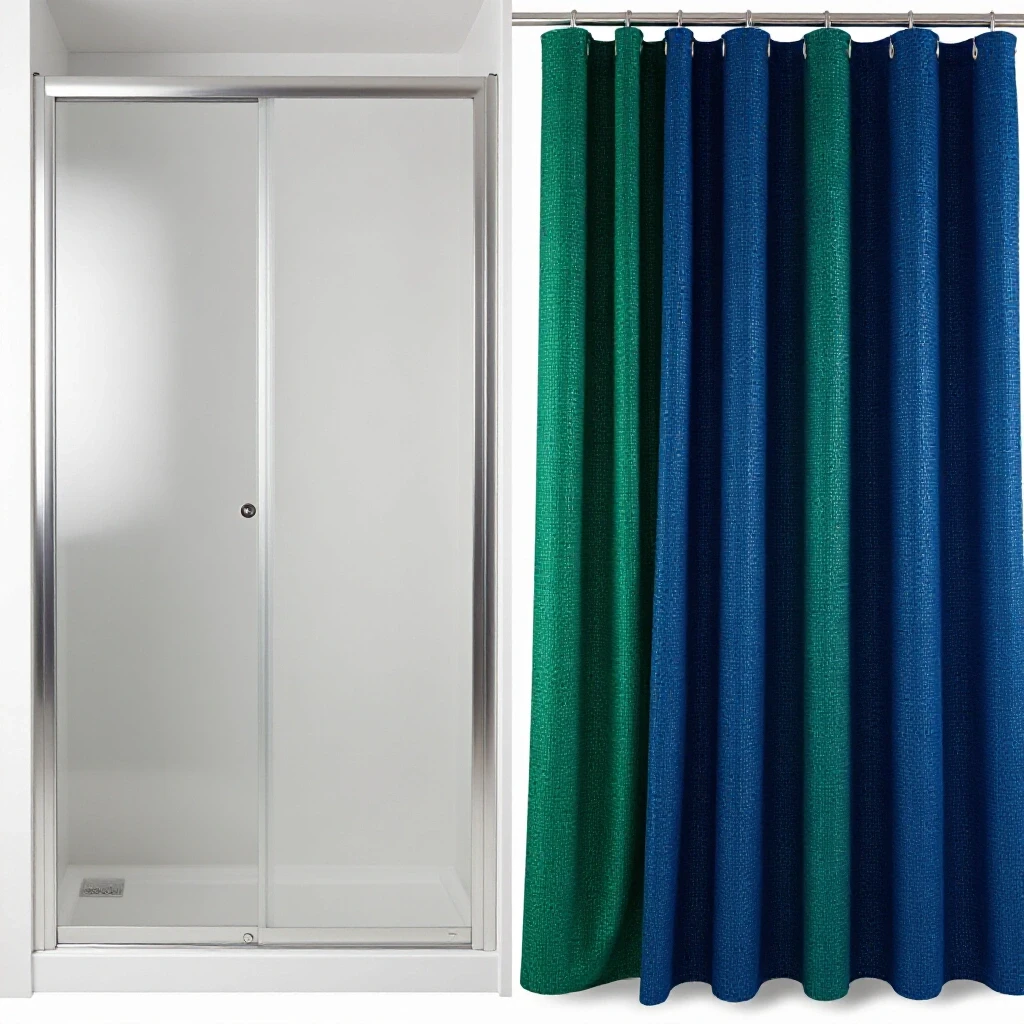
Glass is often the most underestimated expense in a shower remodel. The price is driven by the thickness of the glass and the type of enclosure. A standard 1/4-inch framed door is significantly cheaper than a 1/2-inch “frameless” heavy glass system. The latter requires specialized heavy-duty anchors and perfectly level walls.
Interestingly, many people don’t realize that “low-iron” glass—which removes the green tint common in standard glass—can add 20% to the glass quote. During a project I coordinated last year, the homeowner was shocked that the glass alone cost as much as the plumbing. However, the structural requirements for a heavy, frameless door meant we had to add extra 2×6 blocking behind the finished tile to support the weight.
- Standard Ceramic: Affordable, easy to cut, low maintenance.
- Porcelain: More durable than ceramic, middle-ground pricing.
- Natural Stone: High material cost, high labor cost, requires ongoing sealing.
- Glass Thickness: 3/8-inch is the industry standard for high-quality frameless looks.
Labor Variables and the Hidden Costs of Plumbing Rerouting
Labor costs are driven by the complexity of the “rough-in” phase, which includes moving pipes, leveling floors, and ensuring 100% waterproof integrity. Rough-in refers to the stage where plumbing and electrical lines are installed before the walls are closed up with backer board or drywall.
If you are moving your shower from one side of the room to the other, you are essentially rebuilding the home’s “wet wall.” This involves cutting into the floor joists or the concrete slab. In a high-rise condo, this might even be impossible due to the building’s structural design. I always tell my clients that if the drain stays where it is, they save at least $1,500 in labor.
The Critical Importance of Waterproofing Systems
Waterproofing is the most vital part of the project, yet it is the one part you will never see once the tile is up. In the past, contractors used “hot mopping” or simple plastic liners. Modern standards often call for integrated foam board systems or liquid-applied membranes. These materials are more expensive, but they reduce the risk of mold and structural rot.
I once worked on a “flip” house where the previous owner skipped the waterproofing membrane on the shower bench. Within two years, water had seeped into the wood framing, causing the entire bathroom floor to sag. We had to gut the whole room. Spending an extra $500 on a high-quality waterproofing system during the initial build is the best insurance policy you can buy.
Renovation Phase Sequencing
- Demolition: Removal of old fixtures and surfaces (1–2 days).
- Structural Repair: Fixing rot or leveling the subfloor (1–3 days).
- Plumbing Rough-in: Moving pipes and installing the valve (2–4 days).
- Waterproofing: Installing the pan and wall membranes (2 days).
- Tile Installation: Setting, grouting, and sealing (5–7 days).
- Finish Carpentry/Glass: Installing the door and trim (1 day).
Why Hidden Structural Surprises Blow Budgets
Unexpected findings during demolition, such as mold or outdated wiring, can shift a project’s timeline and financial requirements almost instantly. These issues are common in homes older than 20 years and are rarely visible until the “skin” of the room is removed.
In my 18 years of experience, I have found that the space behind the shower wall is like a time capsule of bad decisions. I have seen electrical wires spliced with electrical tape buried in the wall and termite damage that had eaten through the main support studs. These are not “scams” by contractors; they are genuine safety issues that must be fixed to meet building codes.
Formulating a Real Contingency Plan
A contingency plan is not just a pile of money; it is a mental framework for making decisions under pressure. When a contractor shows you a rotted joist, you have three options: fix it correctly, do a “patch” job (not recommended), or scale back on your finish materials to cover the repair cost.
I recommend using a “Change Order” system. A change order is a written agreement that outlines a deviation from the original contract, the cost of that change, and the impact on the schedule. Never agree to extra work over a handshake. If the contractor finds mold, ask for a written estimate for the remediation before they start the work.
- Structural Verification Checklist:
- Check joists for water staining or soft spots.
- Inspect for “galvanized” plumbing that needs replacement.
- Verify that the electrical circuit can handle new lighting or heated floors.
- Ensure the exhaust fan is vented to the outside, not the attic.
Contractor Vetting and Managing the Scope of Work
Effective contractor management relies on detailed scope of work documents that prevent “scope creep” and ensure all parties agree on the finish level. Vetting a contractor involves more than checking a single reference; it requires verifying their specialty in “wet area” construction.
A common mistake is hiring a “handyman” for a complex shower project. While a handyman is great for fixing a deck, a walk-in shower requires precise slope calculations for the drain (typically 1/4 inch of drop per foot). If the slope is wrong, water will pool, leading to grout failure and mold. I always look for contractors who are members of the National Association of the Remodeling Industry (NARI).
Negotiating the Contract and Payment Schedule
A fair contract protects both you and the builder. One of the most important elements is the payment schedule. Never pay more than 10–15% upfront as a deposit. Payments should be tied to “milestones,” which are specific, verifiable stages of completion.
For example, a common milestone is “completion of rough-in and passed inspection.” This means the plumber has finished their work, and a city official has verified it meets code. This keeps the contractor motivated to keep the project moving. Also, always request a “lien waiver” with each payment. This is a legal document where the contractor confirms they have paid their subcontractors and material suppliers, ensuring no one can put a lien on your house.
RSMeans-Derived Cost Estimations vs. Real-World Bids
| Task Category | RSMeans Baseline (National Avg) | High-End Market Bid (Urban) | Why the Difference? |
|---|---|---|---|
| Demolition | $500 – $800 | $1,200 – $1,800 | Landfill fees, site protection |
| Plumbing Rough-in | $1,200 – $2,000 | $3,500+ | Moving stacks, vent pipes |
| Tile Labor | $15 – $25 /sqft | $40 – $60 /sqft | Intricate patterns, epoxy grout |
| Waterproofing | $400 – $700 | $1,500 – $2,500 | High-performance board systems |
Execution Strategies: From Demolition to Final Punch List
The physical construction phase requires strict adherence to a sequence that protects new installations and ensures inspections are passed on the first try. Managing this phase involves daily communication and a clear understanding of the “critical path”—the sequence of tasks that must happen in a specific order.
In my coordination career, I used Gantt charts to track these phases. If the tile arrives late, the glass installer cannot measure. If the glass installer cannot measure, the project stalls for two weeks because custom glass takes time to fabricate. This is called “schedule float,” and you need to build it into your expectations.
Handling the Punch List and Final Walkthrough
The “punch list” is the final stage of a renovation where you and the contractor walk through the project to identify small defects or unfinished tasks. This might include a missed grout line, a scratched fixture, or a door that doesn’t swing smoothly.
Do not make the final payment until every item on the punch list is resolved. A reputable contractor will expect this. Use a bright light to inspect the tile work; shadows can hide “lippage,” which is when one tile sits higher than the one next to it. Lippage isn’t just an aesthetic issue; it can be a tripping hazard in a shower.
- Project Management Tools: Use apps like Buildertrend or simple shared Google Sheets to track photos and documents.
- Digital Blueprints: Keep a PDF of your layout on your phone to verify dimensions on-site.
- Daily Logs: Note what was done each day to track progress against the schedule.
- Inspection Tracker: Keep a log of when the city inspector visited and what they signed off on.
Final Thoughts for the Home Remodeling Planner
Renovating a shower is a significant investment that requires a balance of design vision and technical oversight. By focusing on the “invisible” drivers of cost—like plumbing locations, waterproofing quality, and structural integrity—you can avoid the common pitfalls that lead to budget overruns.
Remember that the cheapest bid is often the most expensive in the long run if it leads to leaks or poor craftsmanship. Use the data-driven approach I’ve outlined: build a 20% contingency, define your scope in writing, and tie payments to verified milestones. This structured approach will help you navigate the complexities of construction with confidence.
Frequently Asked Questions
Why does moving a shower drain cost so much? Moving a drain involves more than just a new pipe. It often requires cutting through the home’s structural floor joists or jackhammering a concrete slab. Additionally, the new drain must be properly vented to the roof, which may require opening up walls in other rooms to run new vent lines.
Is a curbless shower more expensive than a standard one? Yes, usually by $2,000 to $5,000. To achieve a “curbless” look, the entire floor must be sloped toward the drain. This requires either lowering the floor joists or building up the rest of the bathroom floor to create a seamless transition, which adds significant labor and structural complexity.
How long should a typical shower renovation take? A full gut and remodel usually takes 3 to 4 weeks. This includes demolition, plumbing, waterproofing, tiling, and glass installation. Delays often occur during the glass phase, as most installers will not measure for the door until the tile is completely finished.
What is the most durable material for shower walls? Porcelain tile is widely considered the most durable and cost-effective option. It is denser than ceramic, highly resistant to water, and comes in a wide variety of styles. While natural stone is beautiful, it is porous and requires significantly more maintenance and careful installation.
Can I save money by buying my own materials? Sometimes, but be careful. Many contractors add a markup to materials to cover the time spent ordering, picking up, and warranting those items. If you buy a faucet that arrives broken or missing a part, the contractor will charge you for the “downtime” while you wait for a replacement.
What is “lippage” in tile work? Lippage occurs when the edges of adjacent tiles are not at the same level. This is common with large-format tiles. It can be minimized by using a tile leveling system during installation. Excessive lippage is a sign of poor craftsmanship and should be addressed on the punch list.
Do I really need a permit for a shower remodel? In most jurisdictions, yes. If you are touching plumbing or electrical systems, a permit is required. Having a permit ensures that a third-party inspector verifies the waterproofing and plumbing are done to code, which is vital for your home’s resale value and insurance coverage.
How do I know if my waterproofing is done correctly? Ask your contractor to perform a “flood test.” This involves plugging the drain and filling the shower pan with a few inches of water for 24 hours. If the water level doesn’t drop, the pan is watertight. This should be done before any tile is installed.
(This article was written by one of our staff writers, David Langford. Visit our Meet the Team page to learn more about the author and their expertise.)