How to Set a Wall Art Budget for Home Decor (Expert Tips)

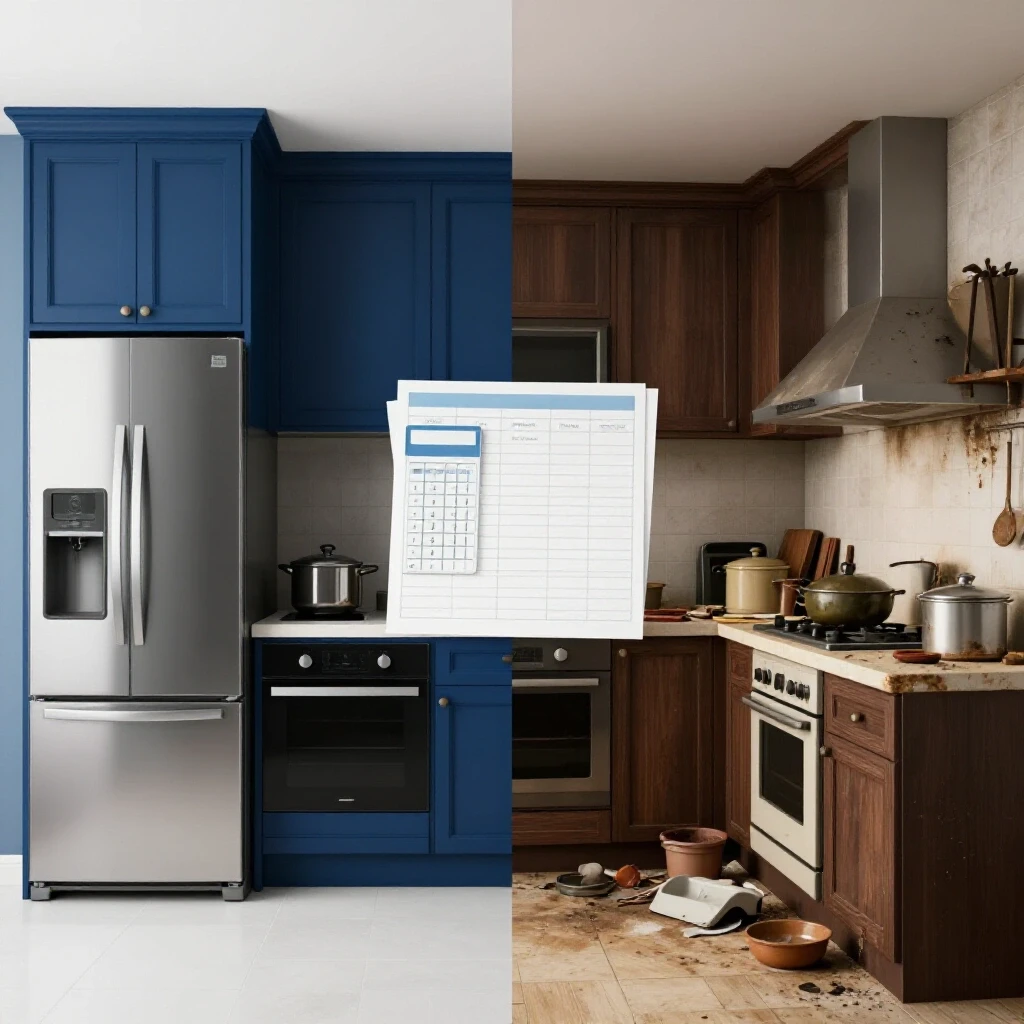
Focusing on family often means creating a space that feels like a home rather than just a house. When my wife and I moved into our second fixer-upper, we had a toddler and a tight timeline. I spent hours at my desk with a remodeling expense tracker, trying to balance the cost of new plumbing with the desire to make our living room look finished. I realized quickly that if we didn’t set a firm limit on the finishing touches, like the items we hung on our walls, we would eat into our emergency repair fund. This is where my internal guidelines for decorative spending began to take shape.
Why a Decorative Spending Framework Matters for Financial Health
Establishing a clear limit for interior wall styling prevents the “death by a thousand cuts” that many homeowners face during a renovation. By defining what you are willing to spend on non-essential visual elements before the project begins, you protect your primary home renovation budget from being drained by small, impulsive purchases.
Financial planning for homeowners usually focuses on big-ticket items like roofs or kitchens. However, the smaller details often cause the most significant budget variances. In my own remodeling ledger, I noticed that “miscellaneous decor” was the category most likely to exceed its estimate. Without a self-imposed cap, it is easy to justify an extra fifty dollars here and there. Over a whole house, those small amounts can equal the cost of a major appliance or a month’s mortgage payment.
A disciplined approach to surface aesthetics ensures that your money goes toward structural integrity and long-term value first. I recommend viewing these items as the final tier of a project. They should only be funded once the “bones” of the room—the drywall, paint, and flooring—are fully accounted for. This protective stance keeps your project on track and out of high-interest debt.
Establishing Spending Limits for Wall-Mounted Decorative Pieces
A successful decorative spending framework relies on a fixed percentage of the overall room budget or a flat dollar amount that does not move. This prevents over-improving a space beyond what the local market can support while still allowing for a personalized touch through prints or handmade items.
In my practice, I advise clients to use a 1% to 2% rule. This means your total expenditure for everything hanging on the walls should not exceed 2% of the total room renovation cost. If you are spending $10,000 on a bedroom update, your limit for wall aesthetics is $200. This might seem restrictive, but it forces you to prioritize pieces that truly matter. It also encourages the use of more affordable materials like simple paper prints or items you have made yourself.
I once worked with a couple who ignored this rule. They spent so much on high-end wall displays that they had to settle for a lower-grade carpet that wore out in three years. By sticking to a strict cap, you ensure that every dollar spent on the “visuals” is a dollar you can actually afford to lose. Unlike a kitchen island or a bathroom vanity, decorative items rarely add direct appraised value to the home.
The Labor-to-Material Ratio in Home Styling
Understanding the split between what you pay for a physical item and what it costs to get it on the wall is vital. For most cost-conscious planners, the labor should be 100% “sweat equity” to keep the budget focused on materials.
- Materials: This includes the prints, the handmade objects, and the basic hardware needed for hanging.
- Labor: For the planners I work with, I suggest a $0 labor budget. Hanging items yourself is a foundational skill that saves hundreds in handyman fees.
- Hardware: Always include a 5% buffer for wall anchors and leveling tools in your remodeling expense tracker.
Integrating Aesthetic Costs into Your Remodeling Expense Tracker
A detailed cost breakdown guide must include a line item for wall-mounted decor to ensure the project remains solvent. This prevents these costs from being hidden under “general supplies” and allows for a real-time comparison of projected versus actual spending.
When you use a spreadsheet, you can see the impact of every purchase on your bottom line. I use a “stoplight” system in my personal trackers. If the decorative category stays under the 2% limit, it stays green. If it hits 3%, it turns yellow, signaling that I must cut costs in another area, like lighting or hardware. If it hits 5%, the category is red, and no further purchases are allowed.
Projected vs. Actual Budget: Living Room Wall Update
| Line Item | Projected Cost | Actual Cost | Variance |
|---|---|---|---|
| Wall Preparation (Patch/Sand) | $45.00 | $52.00 | +$7.00 |
| Basic Interior Paint (Gallon) | $65.00 | $65.00 | $0.00 |
| Handmade Wall Hangings | $80.00 | $40.00 | -$40.00 |
| Standard Paper Prints | $60.00 | $75.00 | +$15.00 |
| Mounting Hardware | $15.00 | $22.00 | +$7.00 |
| Total | $265.00 | $254.00 | -$11.00 |
This table shows how small variances in hardware and prints can quickly change the outlook of a small project. By choosing to make some items by hand, the homeowner in this scenario kept the total project under budget despite rising material costs.
Avoiding Hidden Fees in Surface Improvements
Hidden costs in wall decoration often stem from poor wall preparation or the need for specialized tools that were not included in the initial estimate. These “soft costs” can escalate if you discover that your walls require significant repair before anything can be safely mounted.
Before you buy a single print, inspect the substrate of your walls. If you have lath and plaster, mounting items is more complex and expensive than with modern drywall. You may need specific drill bits or heavy-duty anchors that cost three times more than standard nails. These are the “hidden fees” that catch cost-conscious planners off guard.
Building a 10% contingency buffer into your wall-styling budget is a safe way to handle these surprises. If you don’t use it for anchors or sandpaper, that money stays in your pocket. I have seen many projects stall because the homeowner spent their last $50 on a print and didn’t have enough left for the toggle bolts needed to hang it securely.
Regional Labor Cost Coefficients for Wall Prep
While I advocate for DIY installation, some homeowners may need professional help for wall repairs. According to data derived from the U.S. Bureau of Labor Statistics, labor rates for painters and paperhangers vary significantly by region. Use these multipliers against a base rate of $25/hour to estimate local costs.
Recognizing this financial reality helps homeowners treat these purchases as “lifestyle expenses” rather than “home investments.”According to Remodeling Magazine’s Cost vs. Value reports, structural and functional upgrades (like garage door replacements or minor kitchen remodels) offer the highest ROI. Decorative items are considered highly subjective. A buyer may not like your choice of handmade wall art and might even view it as a distraction. Therefore, the money you allocate here should be considered “spent” with no expectation of seeing it again at resale.
This realization is actually liberating. If you know you won’t get the money back, you are less likely to overspend. You can focus on what makes your family happy within a very modest budget. This is the core of the cost vs value home improvement philosophy: spend big where it counts for equity, and spend small where it only counts for ego.
Practical Steps for Budgeting Your Wall Aesthetics
To keep your finances secure, follow a structured process for every room you refresh. This method has kept my personal renovations on track for over a decade.
- Define the Room’s Primary Purpose: Is this a high-traffic area or a private space? Spend less on decor in rooms that guests rarely see.
- Calculate the Total Renovation Cap: Use your spreadsheet to set a hard limit for the entire room.
- Apply the 2% Rule: Multiply the total room budget by 0.02. This is your maximum spend for wall-mounted items.
- Audit Your Current Inventory: See what you already own that can be repurposed. “Shopping your own house” is the ultimate budget saver.
- Focus on Inexpensive Materials: Prioritize paper prints, fabric wall hangings, or handmade wood items.
- Track Every Cent: Enter every hardware store run into your remodeling expense tracker immediately.
By following these steps, you avoid the common trap of “finishing” a room with credit card debt. You ensure that your home looks complete while your bank account remains healthy.
Common Financial Traps in Home Decoration
The biggest trap is the “just one more” mentality. You find a print that is slightly over your limit, and you tell yourself it won’t matter in the long run. However, the data shows that these small slips lead to project creep. Project creep is when a $5,000 bathroom becomes a $7,000 bathroom because of “minor” aesthetic choices.
Another trap is failing to account for the cost of mounting. If you are doing a gallery wall with ten items, the cost of levels, tape, and hardware can easily hit $50. If your total budget was $150, you just spent a third of it on things that aren’t even visible. Always account for the “how” as much as the “what.”
Lastly, avoid “over-improving” for your neighborhood. If the homes in your area have simple, clean interiors, don’t spend thousands on elaborate wall treatments. You want your home to be at the top of the market, not so far above it that you can’t find a buyer who will pay for your taste.
Tools for Tracking and Estimating
Keeping your budget on track requires the right tools. I recommend these resources for any cost-conscious homeowner:
- Standard Spreadsheet Software: Use Excel or Google Sheets to create a line-item ledger.
- Local Construction Pricing Indexes: Check sites like ProMatcher or Homewyse for regional labor and material averages.
- The 10-20-30 Rule Spreadsheet: A template where 10% goes to preparation, 20% to contingencies, and 30% to materials, leaving 40% for labor (or savings if you DIY).
- Mobile Expense Loggers: Use an app to snap photos of receipts the moment you leave the store.
Conclusion: Staying Within Your Means
Managing a home renovation is a marathon of a thousand decisions. By setting a personal rule for your wall decor budget, you remove one of the most variable and potentially expensive decisions from the equation. You protect your family’s financial future by ensuring that your home’s “jewelry” never costs more than its “foundation.”
Start small. Pick one room, set your 2% limit, and stick to it. You will find that some of the most beautiful homes aren’t the ones with the most expensive items on the walls, but the ones where the owners have a clear sense of financial peace.
Frequently Asked Questions
How do I calculate a budget for wall decor if I am not doing a full renovation? If you aren’t doing a full remodel, set a flat fee based on your monthly discretionary income. A good rule of thumb is to spend no more than 10% of one month’s “fun money” on new wall items. This ensures you aren’t dipping into your mortgage or utility funds for aesthetics.
Should I include the cost of paint in my wall decor budget? No, paint should be part of your general maintenance or renovation budget. Paint protects the drywall and is a fundamental part of the room’s “bones.” The decorative budget should only cover the items that are hung on top of that paint.
Is it better to buy one large item or several small ones? From a financial perspective, several small items often allow for more flexibility. If you break one or find a better alternative, the “sunk cost” is lower. However, if you find one large print that fits your 2% rule perfectly, it can simplify your hardware and labor costs.
What if I find something I love that is over my 2% limit? Wait. In financial planning, we call this a “cooling-off period.” Wait thirty days. If you still want it, you must find another category in your renovation—like a cheaper faucet or light fixture—to “trade” for that cost. Your total project bottom line must remain the same.
How do handmade items affect my budget? Handmade items are the best way to stay under your spending cap. The material costs for wood, fabric, or paper are usually much lower than pre-made items. Just remember to track the cost of the raw materials in your spreadsheet.
Does hanging items myself really save that much money? Yes. Handyman rates can range from $50 to $150 per hour depending on your region. A simple gallery wall could take two to three hours to measure and hang perfectly. By doing it yourself, you save enough to pay for several more prints or a high-quality gallon of paint.
What happens if I over-improve my walls for my neighborhood? If you spend significantly more on your interior visuals than your neighbors, you risk “pricing yourself out” of the market. Buyers compare homes based on square footage and major features. They rarely pay extra for the specific items you chose to hang on the walls.
How do I handle the cost of wall repairs after removing old decor? This should be a separate line item under “Wall Preparation.” In my spreadsheets, I allocate about $0.50 per square foot of wall space for basic patching and sanding supplies. This is a recurring maintenance cost that protects the value of your home.
Can I use my emergency fund for decorative items? Never. An emergency fund is for a broken water heater or a leaking roof. Using it for wall decor is a high-risk financial move that can lead to debt if a real emergency occurs mid-project.
How often should I update my decorative budget? Review your spending every time you finish a room. If you find that you are consistently going over your 2% limit, you may need to adjust your material choices or look for more ways to incorporate handmade elements. Stick to the data and let the spreadsheet guide your decisions.
(This article was written by one of our staff writers, Steven Fletcher. Visit our Meet the Team page to learn more about the author and their expertise.)