Renovation Finishes Cost Breakdown: Budgeting for Surface Materials (Guide)

I remember standing in the middle of a gutted kitchen during my second personal home renovation. The walls were open, and the new plumbing was in place. I had done my homework and felt confident about the “bones” of the project. However, as I started flipping through the final selections for the backsplash and cabinet hardware, the numbers began to climb. I realized that while the structural work was the foundation, the items that would actually cover the surfaces were where the real financial weight lived. It was a lesson I had learned many times as a project coordinator, but seeing it hit my own bank account was different. The decorative layers—the things we touch and see every day—often become the most expensive part of any remodel.
Navigating the Costs of Decorative Surface Layers
Decorative surface layers refer to the final materials applied to floors, walls, and cabinetry to complete a room’s look. These include items like tile, hardwood, paint, and decorative hardware. Because these products come in a wide range of quality and price points, they often represent the largest variable in a renovation budget.
In my 18 years of oversight, I have seen projects where the cost of the “skin” of the house exceeded the cost of the labor to build the frame. This happens because high-end materials require more care and specialized skills to install. For example, a basic ceramic tile is much cheaper to buy and install than a hand-cut marble mosaic. When planning your residential renovation, you must account for both the price of the material and the complexity of the work required to place it.
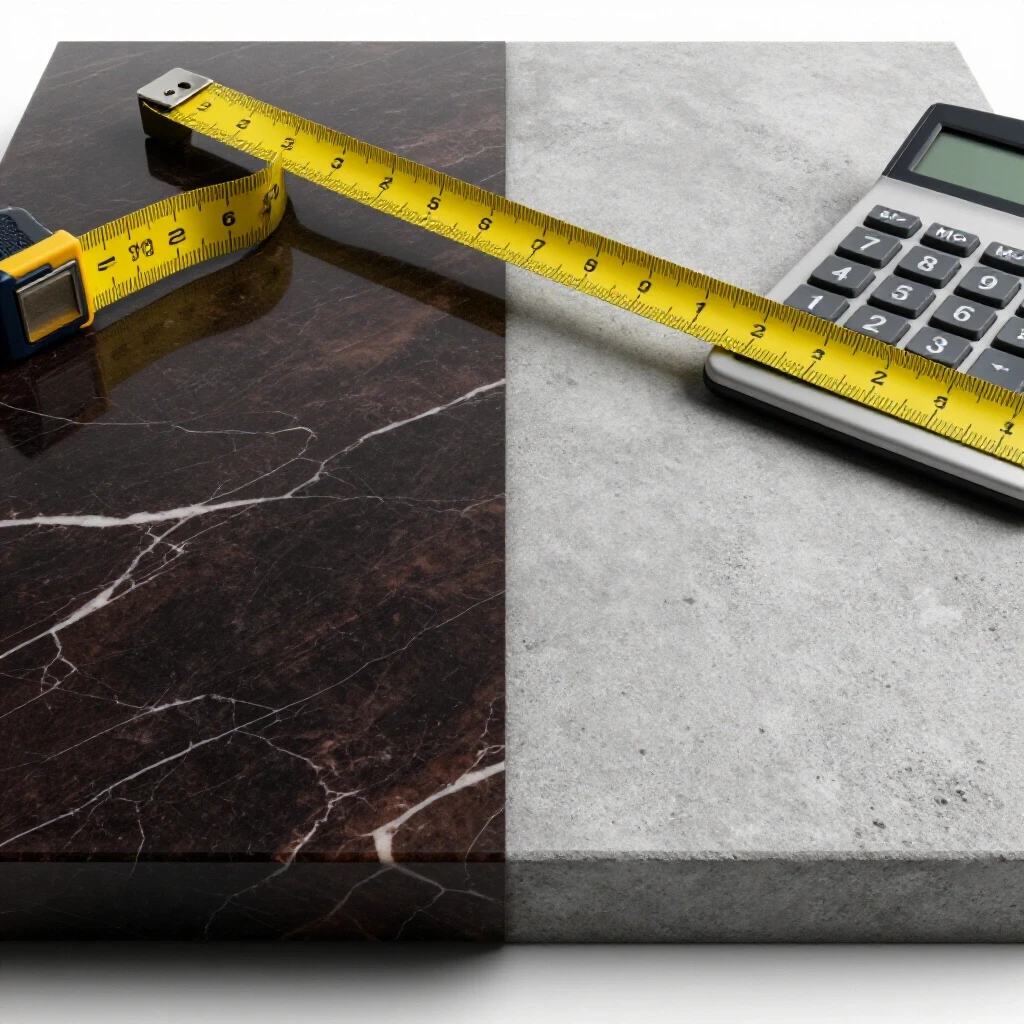
Using data from RSMeans, we can see how these choices impact the bottom line. A mid-range kitchen might use materials costing $15,000, while a high-end version of the same space could easily reach $45,000 just by changing the surface treatments. This is why I always tell homeowners to pick their final layers early in the process.
Establishing a Realistic Budget for Aesthetic Materials
Budgeting for aesthetic materials involves calculating the total square footage of all surfaces and adding a buffer for waste and mistakes. It requires looking at the specific costs of items like premium paints, stone sealants, and metal finishes. A solid budget prevents the “sticker shock” that often occurs at the end of a project.
I recommend setting aside a specific portion of your total budget just for these items. Based on my experience and industry standards, these materials typically account for 25% to 35% of a total kitchen or bathroom remodel. If you are doing a whole-house refresh, this percentage can go even higher because you are touching every room.
- Contingency Fund: Always keep 15% to 20% of your material budget in reserve for “just in case” moments.
- Waste Factor: Order 10% more tile or flooring than you think you need to account for cuts and broken pieces.
- Shipping and Delivery: Don’t forget that heavy items like stone or wood flooring can have high freight costs that aren’t in the initial price tag.
| Material Category | Mid-Range Cost (Per Sq. Ft.) | Premium Cost (Per Sq. Ft.) | Expected Waste Factor |
|---|---|---|---|
| Hardwood Flooring | $8.00 – $12.00 | $15.00 – $25.00 | 10% |
| Ceramic/Porcelain Tile | $3.00 – $8.00 | $15.00 – $40.00 | 15% |
| Natural Stone Slab | $50.00 – $90.00 | $120.00 – $250.00 | 20% |
| Interior Paint (2 Coats) | $1.50 – $2.50 | $3.50 – $5.00 | 5% |
Sequencing the Installation of Final Treatments
Installation sequencing is the order in which different trades finish their work to prevent damage to new surfaces. This usually starts from the top of the room and moves down, beginning with ceiling paint and ending with floor coverings. Proper timing ensures that a painter doesn’t drip on a brand-new hardwood floor.
In my professional career, I’ve seen many disputes between contractors because one person’s work ruined another’s. I once managed a project where the floor finishers came in before the painters were done. The result was a dusty mess that got trapped in the wet floor sealant. We had to sand the whole floor down and start over, which cost the homeowner an extra week and several thousand dollars.
To avoid this, follow a strict schedule. Start with the “wet” trades like tiling and grouting. Move to “dry” trades like painting walls and ceilings. Install the cabinetry and then the countertops. Finally, put in the flooring and the baseboards. This sequence protects the most expensive items from the heavy traffic of the early construction phases.
Why Surface Preparation is Non-Negotiable
Surface preparation is the work done to make sure the final material sticks properly and looks flat. This includes sanding walls, leveling subfloors, and applying primers or waterproof membranes. Without good prep work, even the most expensive tile or paint will fail or look amateurish within a year.
I cannot stress this enough: do not let your contractor skip the prep phase. I once saw a beautiful $5,000 marble floor crack because the installer didn’t use a proper “uncoupling membrane” over the concrete slab. It was a costly design mistake that could have been avoided with $300 worth of prep material.
- Subfloor Leveling: Check for dips or humps before laying wood or tile.
- Wall Priming: Use a high-quality primer to ensure the paint color looks even.
- Waterproofing: In bathrooms, ensure the “wet areas” are sealed behind the tile.
Managing Quality Control for Visible Finishes
Quality control for visible finishes means inspecting the work daily to ensure it meets your standards for beauty and durability. This involves checking for straight grout lines, smooth paint edges, and properly functioning hardware. It is easier to fix a mistake while the contractor is still on-site than after they leave.
As a project coordinator, I used a “red tape” method. I would walk through the site with a roll of blue painter’s tape and mark every spot that wasn’t right. Maybe a tile was slightly crooked, or a cabinet handle was loose. This visual list makes it easy for the contractor to see exactly what needs to be fixed before you make the final payment.
You should also verify that the materials delivered are the ones you ordered. Check the “dye lot” numbers on tile boxes and paint cans. If you mix different batches, the colors might not match perfectly once they are on the wall. This is a common issue that can blow a budget if you have to buy all new materials to get a match.
Avoiding Costly Mistakes in Material Selection
Material selection errors happen when a homeowner chooses a product that doesn’t fit their lifestyle or the room’s environment. This might include using a porous stone in a high-traffic kitchen or a paint that isn’t moisture-resistant in a bathroom. These mistakes lead to early wear and expensive repairs.
- Order Samples First: Never buy a large amount of material based on a photo online. Light changes how colors look.
- Check Lead Times: Some custom tiles or hardware take 12 weeks to arrive. If you don’t order them early, your project will stall.
- Test for Durability: If you have kids or pets, avoid soft woods or unsealed stones that stain easily.
- Review the Scope of Work: Ensure your contract specifically lists the brand and model of every finish item to avoid “bait and switch” tactics.
Handling Change Orders for Aesthetic Upgrades
A change order is a formal document that alters the original contract, usually increasing the price or extending the timeline. In the final phases of a remodel, change orders often happen because a homeowner decides to upgrade a material at the last minute. Managing these carefully is key to keeping your budget under control.
I always advise my clients to limit change orders to 5% of the total project cost. If you find yourself wanting a more expensive tile mid-way through, you need to find a way to save money elsewhere. For example, if you spend more on the backsplash, maybe you choose a less expensive cabinet pull.
It is also important to get every change in writing. A verbal agreement with a contractor about a “small upgrade” often leads to a large, unexpected bill at the end. Use a simple form that lists the old price, the new price, and the reason for the change. Both you and the contractor should sign it before the work happens.
The Role of Post-Occupancy Evaluations
A post-occupancy evaluation is a review of the project after you have lived in the space for a few months. This helps you see which materials are performing well and which ones might need extra maintenance. It’s a great way to learn for your next project or to catch issues while the contractor’s warranty is still active.
- Check for Grout Cracks: New houses settle, and grout can crack in the first six months.
- Monitor Sealants: See if water is still beading on your stone counters.
- Test Hardware: Make sure no handles or hinges have come loose with daily use.
Tools for Tracking Your Renovation Materials
Managing a major remodel requires organization. You are tracking dozens of different products, delivery dates, and installation requirements. Using digital tools can help you stay on top of the details and prevent mistakes.
- Spreadsheet Apps: Use Google Sheets or Excel to track every item, its cost, and its delivery status.
- Design Boards: Tools like Pinterest or Houzz help you visualize how different finishes will look together.
- Construction Management Software: Apps like CoConstruct or Buildertrend (often used by contractors) allow you to see the project schedule in real-time.
- Digital Blueprints: Keep a copy of your floor plan on your phone to quickly check measurements when shopping for materials.
- Budget Calculators: Use online tools based on RSMeans data to get a baseline for local labor and material costs.
Final Steps for a Successful Surface Transformation
As you wrap up your renovation planning, focus on the details that will make the space yours. The final layers of a home are what give it character and value. By being diligent about your budget, sequencing, and quality control, you can create a beautiful home without the stress of unexpected costs.
Start by finalizing your material list today. Get your samples, check your lead times, and make sure your contractor understands your expectations for the finish quality. A little extra work now will save you a lot of headaches when the dust finally settles.
FAQ: Frequently Asked Questions About Renovation Finishes
How much extra tile should I really order?
You should typically order 10% to 15% more than your measured square footage. This “waste factor” covers tiles that are broken during shipping, pieces that are cut incorrectly, and future repairs. If you are using a complex pattern like herringbone, increase this to 20%.
Why does labor cost more for smaller tiles?
Smaller tiles, like penny rounds or mosaics, require more time to align and more grout to fill. The installer has to do more work per square foot compared to a large-format tile. Always ask your contractor if your tile choice will trigger a “labor upcharge.”
Can I save money by doing the painting myself?
Yes, painting is one of the few finishing tasks that is DIY-friendly. However, the quality of the finish depends entirely on the prep work. If you don’t sand and prime correctly, the final result may look poor and won’t last as long as a professional job.
What is a “dye lot” and why is it important?
A dye lot is a number assigned to a batch of materials, like tile or wallpaper, that were made at the same time. Colors can vary slightly between batches. If you buy tiles from two different dye lots, you might see a visible color shift on your wall or floor.
How do I handle a dispute over the quality of a finish?
Refer back to your contract and the “scope of work” document. If the work does not meet the agreed-upon standards (like industry-standard tolerances for flat walls), do not make the final payment. Use your “red tape” list to show the contractor exactly what needs to be fixed.
What are common lead times for custom finishes?
Standard items are usually in stock, but custom cabinetry, hand-made tiles, and high-end plumbing fixtures can take 8 to 12 weeks. Some imported materials can take even longer. Always confirm delivery dates before you start demolition.
How do I protect my new floors while other work is happening?
Use a heavy-duty floor protection product like Ram Board or Roscape. Do not just use thin plastic or old sheets, as these can slip or allow heavy tools to dent the wood or tile underneath.
Should I buy the materials myself or let the contractor do it?
If you buy them, you avoid the contractor’s markup, but you are responsible for any damage during shipping or if the quantities are wrong. If the contractor buys them, they handle the logistics and usually provide a warranty on the material itself.
How do I choose the right grout color?
Always look at a grout sample next to your actual tile in the room’s lighting. Darker grouts hide dirt better but can look busy. Lighter grouts offer a cleaner look but require more frequent cleaning and sealing.
What is the difference between “honed” and “polished” surfaces?
Polished surfaces are shiny and reflective, which can make colors pop but shows scratches and fingerprints. Honed surfaces are matte and smooth, offering a more natural look that hides wear better in high-traffic areas.
(This article was written by one of our staff writers, David Langford. Visit our Meet the Team page to learn more about the author and their expertise.)