How to Budget for Unexpected Home Renovation Repairs (Guide)

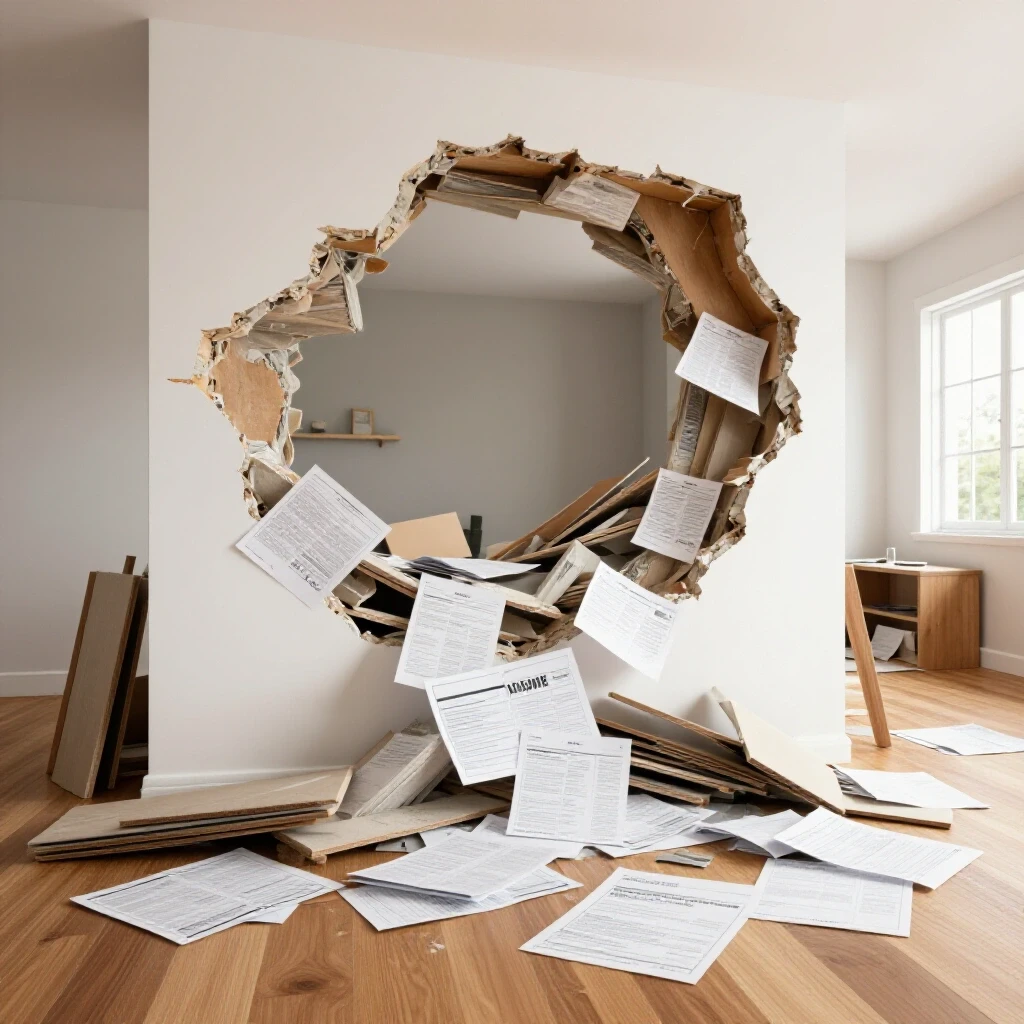
The moment the crowbar bites into the drywall, the atmosphere of a renovation changes. I have spent 18 years as a construction project coordinator, and I still feel that slight tightening in my chest during demolition. It is the “unknown” that causes it. You might have a beautiful set of blueprints and a signed contract, but until the framing is exposed, you are working with a set of educated guesses. In my own first home renovation, a simple kitchen update turned into a three-week delay when we found that a previous owner had notched a primary support joist to make room for a drain pipe. That single discovery changed our budget and our timeline instantly.

Planning a residential renovation is a journey of managing risks. Whether you are updating a 1920s bungalow or a 1990s colonial, the goal is the same: to move from your current reality to your dream space without losing your financial footing. My experience has taught me that the most successful homeowners are not the ones who hope for no problems, but the ones who have a plan for when they inevitably appear.
Establishing a Realistic Residential Renovation Planning Framework
A renovation framework is the master plan that defines the boundaries of your project, including the budget, the timeline, and the specific tasks required. It acts as a map to keep the project on track when unexpected issues arise.
When you start a project, you must define the scope of work clearly. This is a detailed list of every task the contractor will perform. Without a tight scope, “scope creep” happens. This is when small additions—like adding one more recessed light or upgrading a faucet—slowly inflate your budget. I recommend using RSMeans data to benchmark your initial costs. This resource provides national averages for labor and materials, giving you a baseline to compare against local contractor bids.
Why Budgeting for the Unseen is Non-Negotiable
A contingency fund is a dedicated portion of your budget, usually 15% to 25%, set aside specifically to pay for issues discovered after construction begins. It is not for design upgrades; it is for necessary repairs that were hidden behind walls or under floors.
In my professional career, I have seen projects stall because the homeowner spent their entire budget on high-end finishes, leaving nothing for the “surprises” found during the rough-in phase. Rough-in refers to the stage where plumbing, electrical, and mechanical lines are installed but not yet connected to fixtures. If you find outdated wiring during this phase, you must fix it. If the money is already spent on marble countertops, you are in trouble.
Contingency Buffer Allocations by Property Age
| Property Age | Recommended Contingency | Common Discoveries |
|---|---|---|
| 0–15 Years | 10–12% | Minor framing shifts, ductwork gaps |
| 16–30 Years | 15–18% | Outdated plumbing, subfloor wear |
| 31–50 Years | 20–22% | Electrical capacity issues, old insulation |
| 50+ Years | 25%+ | Settling foundations, non-standard framing |
Navigating Unexpected Discoveries Behind the Drywall
Hidden discoveries are the physical issues found during demolition that were not visible during the initial walkthrough. These can range from minor plumbing leaks to significant structural needs that require immediate attention.
I remember a bathroom remodel where we expected a standard floor replacement. Once the tile was up, we found that a slow leak had turned the subfloor into something resembling wet cardboard. We had to replace three joists and the entire plywood layer. This added $2,400 to the cost and four days to the schedule. Because we had a contingency plan, we didn’t panic. We simply shifted the funds and kept moving.
Estimating the Cost of Common Unforeseen Repairs
Estimating involves using historical data and current market rates to predict the financial impact of a repair. Using RSMeans-derived costs helps ensure you are paying a fair market rate for these sudden additions to the project.
When a contractor brings you a “surprise,” do not approve it on the spot. Ask for a written description of the problem and a cost breakdown. Compare their quote to industry standards. For example, if they find that a wall you thought was a simple partition is actually a load-bearing structure (one that supports the weight of the roof or floors above), the cost to install a support beam can be significant.
RSMeans-Derived Cost Estimations vs. Real-World Findings
- Subfloor Repair: $25 – $45 per square foot (includes labor and materials).
- Electrical Circuit Addition: $800 – $1,200 per circuit (depending on panel capacity).
- Plumbing Line Relocation: $1,500 – $3,000 (standard bathroom wet wall).
- Structural Beam Installation: $2,500 – $6,000 (varies by span and material).
Managing Construction Sequencing to Absorb Delays
Construction sequencing is the logical order in which tasks must be completed. For example, you cannot hang drywall until the electrical inspection for the “rough-in” phase has been passed.
Understanding the “critical path” is vital. The critical path is the sequence of stages that determines the minimum duration of the project. If a task on the critical path is delayed—like waiting for a custom window—the entire project finish date moves. To manage this, I use “float time.” This is a buffer of a few days between major phases to allow for small repairs or material delays without affecting the final move-in date.
- Phase 1: Demolition. Stripping the space to the studs.
- Phase 2: Structural and Rough-In. Fixing the “bones” and installing systems.
- Phase 3: Inspections. City officials verify that work meets building codes.
- Phase 4: Closing the Walls. Insulation and drywall installation.
- Phase 5: Finishes. Flooring, cabinets, and paint.
Effective Contractor Management and Communication
Contractor management is the process of overseeing the work and relationship with your builders. It involves clear communication, setting expectations, and ensuring that the contract is followed.
I suggest interviewing at least three contractors. Don’t just look at the price; look at how they handle the “what if” questions. Ask them, “What is your process when you find something unexpected?” A good contractor will explain their change order process. A change order is a written agreement to change the scope of work, which usually includes an adjustment in price and time.
- Check References: Speak to past clients specifically about how the contractor handled budget overruns.
- Verify Licensing: Ensure they are registered and have active liability insurance.
- Review the Payment Schedule: Never pay more than 10-15% upfront. Tie subsequent payments to specific milestones, like “completion of rough-in plumbing.”
- Use Digital Tools: Apps like CoConstruct or Buildertrend allow you to track daily logs and photos.
Handling Change Orders Without Blowing the Budget
A change order is a formal document that modifies the original contract. It should detail exactly what work is being added, how much it costs, and how many days it adds to the schedule.
In my 18 years of oversight, I have seen change orders become a source of major dispute. To avoid this, establish a rule: no work starts on a “surprise” until the change order is signed by both parties. This keeps the finances transparent. If a contractor tells you they found a problem and already fixed it for an extra $1,000 without telling you, that is a red flag. You should only pay for authorized work.
- Identify the issue: The contractor shows you the problem.
- Propose the solution: They explain how to fix it.
- Quote the cost: They provide a line-item estimate.
- Update the schedule: They note if this adds time to the project.
- Sign and File: Both parties keep a copy for the final audit.
Finalizing the Project with a Robust Punch-List
A punch-list is a document created at the end of a project that lists all the small items that still need to be finished or corrected before final payment is made.
The final 5% of a job is often the hardest to finish. This is where you find a scratched cabinet door or a light switch that was installed upside down. Do not make your final payment until every item on the punch-list is resolved. This is your primary leverage for quality control. I recommend walking through the space with a roll of blue painter’s tape to mark every imperfection you see.
Post-Occupancy Evaluation
Once you move back into the space, keep a log of how it performs. Does the new bathroom fan clear the steam? Do the kitchen outlets trip the breaker? Most contractors offer a one-year warranty on labor. If a repair made during the “discovery” phase fails, you need to have your documentation ready to request a warranty repair.
- Review all change orders: Ensure the final bill matches the agreed-upon totals.
- Collect Lien Waivers: These are documents from subcontractors stating they have been paid by the main contractor, protecting you from future claims.
- Store Manuals and Permits: Keep a folder with all appliance manuals and the final signed-off building permit.
Practical Tools for Renovation Oversight
Managing a remodel requires organization. You are essentially acting as a secondary project manager for your own home. Having the right tools can reduce the mental load and keep your data in one place.
- HomeZada: Good for tracking budgets and home maintenance schedules.
- Magicplan: Allows you to create floor plans using your phone’s camera for quick layout adjustments.
- Google Sheets: Still the best tool for a custom-built budget tracker using RSMeans data.
- Trello: Excellent for visual “Kanban” boards to see what phase each room is in (To Do, Doing, Done).
Conclusion
Renovating a home is rarely a straight line. It is a series of pivots and adjustments. By building a 15–25% contingency into your budget, you are not planning for failure; you are planning for reality. My 18 years in the field have shown me that the most beautiful homes aren’t the ones that had no surprises, but the ones where the owners were prepared to handle them. Start with a solid contract, keep your communication lines open, and always keep a little extra in the bank for what lies behind the drywall.
FAQ
How much should I really save for unexpected repairs? For most projects, a 20% contingency is the gold standard. If your home was built before 1970, I suggest aiming for 25%. This money should be liquid and accessible, not tied up in materials or design upgrades.
What are the most common “surprises” in a kitchen remodel? The most frequent issues include outdated electrical circuits that cannot handle modern appliances, subfloor rot under the sink or dishwasher, and “bootlegged” plumbing where previous owners made improper connections.
How do I know if a contractor is overcharging for a surprise repair? Request a line-item breakdown of labor and materials. Compare these numbers to a resource like RSMeans or get a second opinion from another tradesperson if the cost exceeds $2,000.
Can I use my contingency fund for a better countertop if no surprises happen? You should wait until the “rough-in” phase is completely finished and all inspections are passed before reallocating contingency funds. Most surprises happen early in the project.
What is a “lien waiver” and why do I need one? A lien waiver is a document signed by a subcontractor (like a plumber) stating they have been paid for their work. If your general contractor doesn’t pay them, they could legally file a claim against your house. Always get these before making final payments.
How long does a typical “surprise” repair add to a schedule? Minor repairs usually add 2 to 4 days. If the repair requires a new permit or a structural engineer’s signature, it can add 2 to 3 weeks. This is why “float time” in your schedule is important.
Should I stay in the house during a major renovation? If you are doing a whole-house remodel or a kitchen gut, I recommend moving out if possible. The stress of living in a construction zone, combined with the inevitable surprises, can be overwhelming for families.
What if the contractor finds mold or outdated wiring? These are common findings. A professional contractor will stop work, show you the issue, and provide a change order for the remediation. It is better to find these during construction than to cover them up and face bigger problems later.
How do I handle a dispute over a change order price? Refer back to your original contract. It should state how change orders are calculated (e.g., cost of materials plus a 15% markup). If the contractor deviates from this agreed-upon formula, you have a basis for negotiation.
What is the “critical path” in a bathroom remodel? In a bathroom, the critical path usually involves the plumbing rough-in, the waterproofing of the shower, and the tile installation. If any of these are delayed, the vanity, toilet, and final fixtures cannot be installed.
(This article was written by one of our staff writers, David Langford. Visit our Meet the Team page to learn more about the author and their expertise.)