Best Kitchen Paint Color Test Results for Renovations (Color Guide)

There is a specific kind of comfort that comes from a kitchen that feels just right. It is the heart of the home, where functionality meets personal style. After 18 years in the field, I have seen how a well-executed residential renovation planning process can turn a stressful construction site into a sanctuary. However, achieving that result requires more than just picking a pretty shade from a swatch. It involves understanding how light, materials, and construction sequencing interact to create a cohesive space.
The Role of Visual Assessment in Kitchen Surface Selection
Visual assessment is the process of observing how specific pigments and finishes react to the unique environment of a kitchen. This step is vital because a color that looks perfect in a showroom can look entirely different under your specific kitchen lighting. By testing how various hues interact with your countertops and cabinets, you avoid the costly design errors that often plague major remodels.
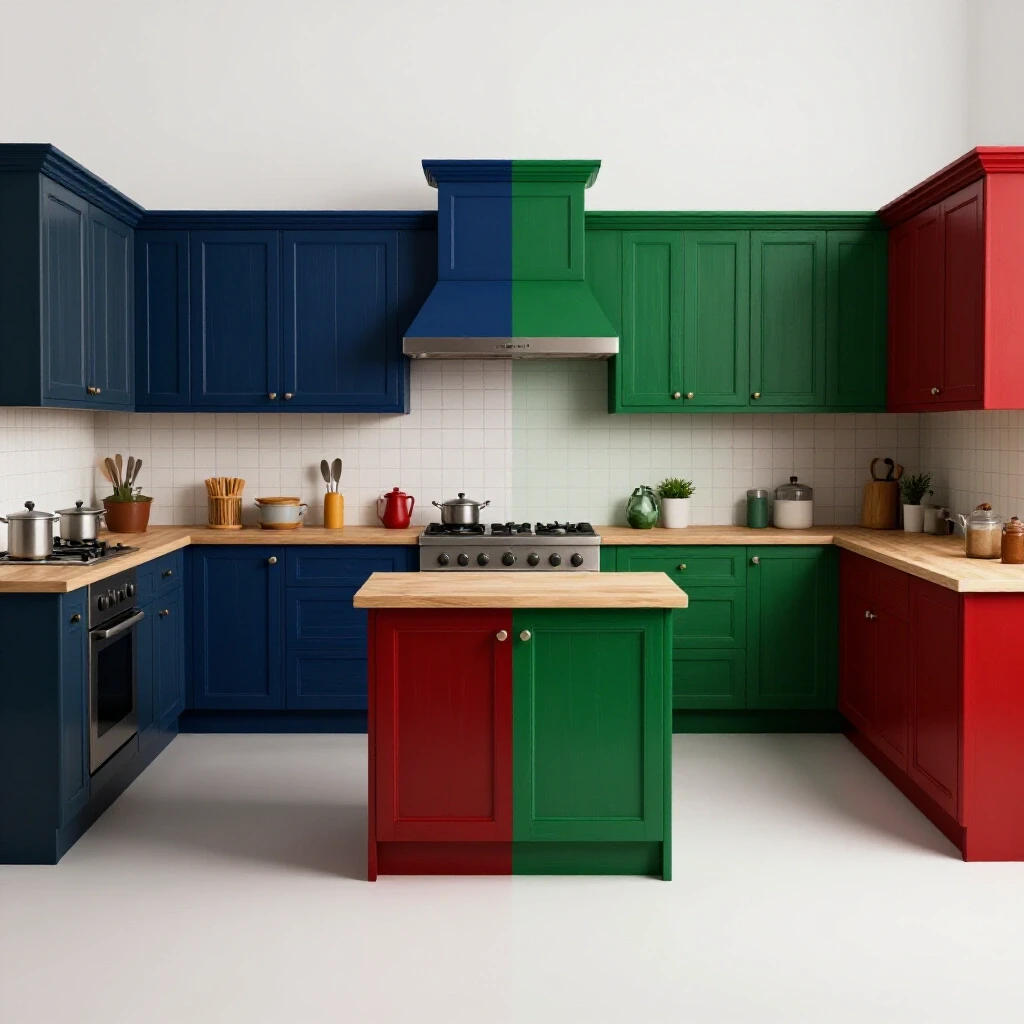
During my first full-home renovation, I learned this lesson the hard way. I had selected a neutral cream for the kitchen walls, assuming it would provide a warm backdrop for my dark walnut cabinets. Once the cabinets were installed and the under-cabinet LED lighting was turned on, that “cream” turned a sickly yellow. I had failed to account for the Light Reflectance Value (LRV) and the color temperature of my bulbs. This mistake required a mid-project change order, which added three days to the schedule and increased the labor costs for the painting subcontractor.
In residential building standards, we look at the interaction between fixed elements and finishes. Your countertops, flooring, and backsplash are “fixed” because they are expensive and difficult to change. Paint is “fluid,” but it must be evaluated against these fixed assets under both natural and artificial light. A successful kitchen remodel budget always includes a small allocation for large-scale samples to ensure the final finish complements the expensive stone or tile you have already purchased.
Why Construction Sequencing Matters for Final Finish Decisions
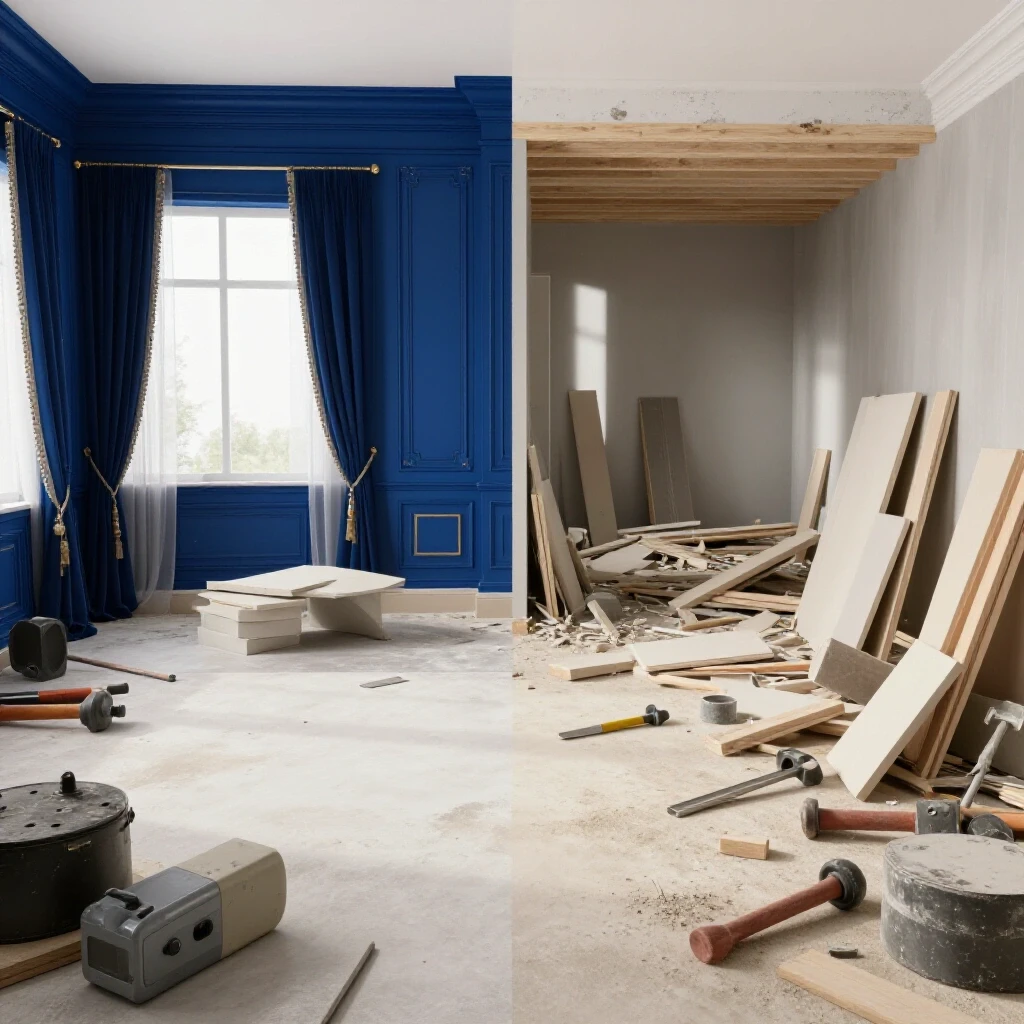
Construction sequencing is the logical order of operations for a building project. In a kitchen remodel, this sequence typically moves from demolition and structural work to rough-in plumbing and electrical, followed by drywall, cabinetry, and finally, finishes. Understanding this flow helps you time your color evaluations so they happen when the space most closely resembles its final form.
- Demolition and Structural Phase: This is when you find the “surprises.” In one project I coordinated, pulling down the old backsplash revealed significant water damage and mold. We had to pause to remediate the rot before moving forward.
- Rough-In Phase: Electricians and plumbers install the “guts” of the room. This is the time to finalize your lighting plan, as the type of bulbs you use will drastically change how your wall colors appear.
- Cabinet and Countertop Installation: You should never make a final decision on wall colors until these are in place. The vertical surface of the cabinets and the horizontal surface of the counters create the “color context” for the rest of the room.
- The Finish Phase: This is where the painting happens. By waiting until the end, you protect the walls from the dings and dust of cabinet installation.
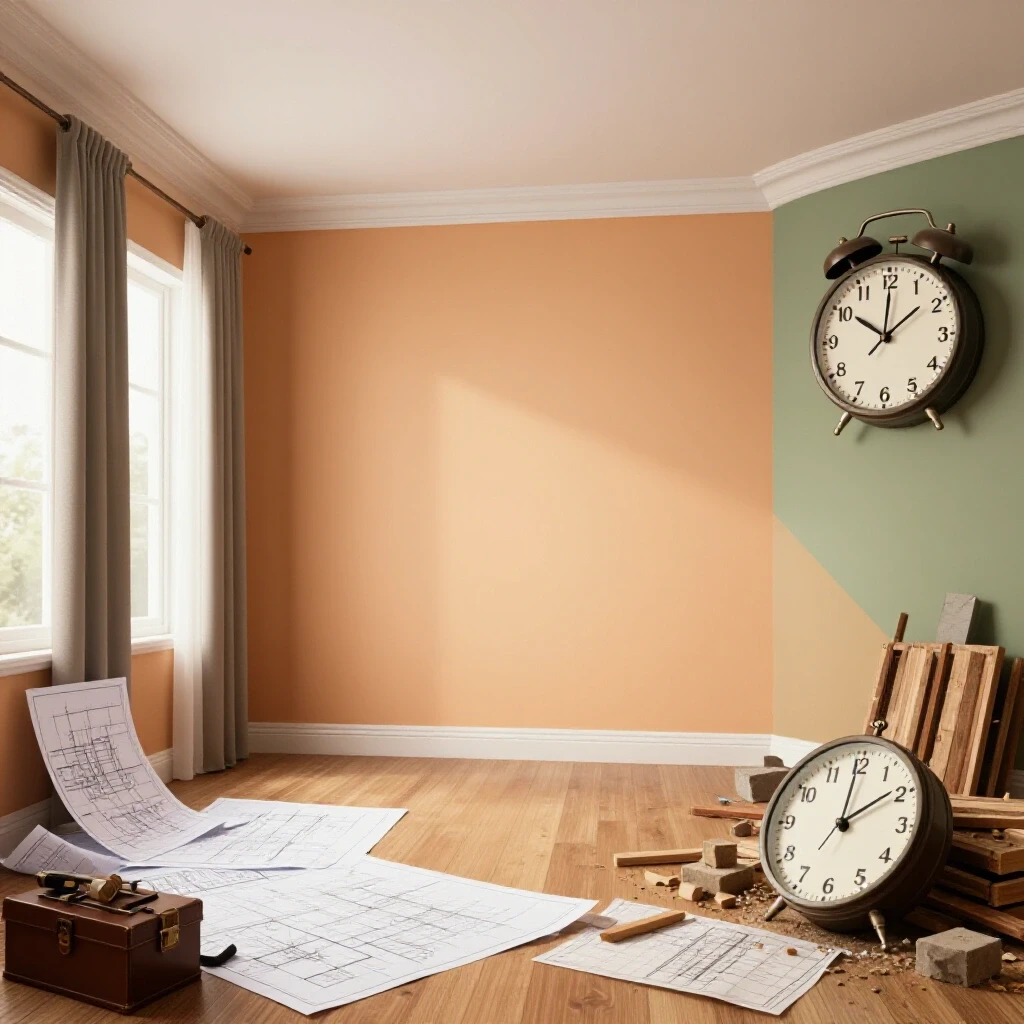
Building a project schedule with “float time” is essential. Float time is extra space in the schedule to account for delays, such as a late countertop delivery. If you rush the painting phase before the counters are in, you risk having to repaint if the stone has a different undertone than expected.
Estimating Costs and Managing the Kitchen Remodel Budget
A kitchen remodel budget is a living document that tracks every penny from design to the final punch list. According to RSMeans construction data, a mid-range kitchen renovation can vary significantly based on regional labor rates and material choices. To avoid budget overruns, I recommend a tiered contingency plan based on the age of your home.
| Property Age | Recommended Contingency Buffer | Common Hidden Issues |
|---|---|---|
| 0–10 Years | 10%–15% | Minor framing shifts, cosmetic adjustments |
| 11–30 Years | 15%–20% | Outdated wiring, plumbing leaks, subfloor wear |
| 31+ Years | 25%+ | Mold, lead paint, structural rot, ungrounded electrical |
When I managed a renovation on a 1940s bungalow, we discovered that the kitchen floor was nearly two inches out of level once the old linoleum was removed. This structural surprise required a $3,500 subfloor reconstruction that wasn’t in the initial bid. Because we had a 25% contingency fund, we handled the repair without sacrificing the quality of our finish materials.
To keep your contractor management guide effective, always request “line-item” bids. This means the contractor breaks down the cost of labor, materials, and overhead for each phase. If a contractor gives you a single “lump sum” for the whole kitchen, it becomes difficult to track where your money is going or to negotiate credits if you decide to change a specific finish later.
Evaluating Light Performance and Color Harmony
Light Reflectance Value, or LRV, is a scale from 0 to 100 that measures how much light a color reflects. In a kitchen, this metric is crucial for both aesthetics and energy efficiency. A color with a high LRV (above 70) will make a small, dark kitchen feel larger and brighter, while a low LRV (below 40) can make a space feel cozy but may require more artificial lighting.
Interestingly, the direction your kitchen windows face changes the “temperature” of the light. North-facing light is cool and bluish, which can make gray paints look flat or even purple. South-facing light is warm and intense, which can make whites look yellow. When I evaluate what looks best in a kitchen, I always use large 24-inch by 24-inch sample boards. We move these boards around the room at different times of the day: 8:00 AM, 12:00 PM, and 8:00 PM.
Metamerism is a technical term for when two colors look the same under one light source but different under another. This is why your cabinet sample might match your wall paint in the store but look completely mismatched in your home. To mitigate this, I advise homeowners to install their permanent light bulbs—whether they are 2700K (warm) or 4000K (cool) LEDs—before making a final color commitment. This ensures the visual harmony remains consistent throughout the day and night.
Contractor Vetting and Managing Quality Control
A contractor management guide is only as good as the vetting process behind it. When you are interviewing professionals for a kitchen remodel, you are looking for more than just the lowest price. You are looking for a project partner who respects your budget and your timeline.
- Verify Licenses and Insurance: Never take a contractor’s word for it. Ask for a certificate of insurance (COI) sent directly from their agent.
- Check Specific References: Ask to speak with a client who had a kitchen renovation completed over two years ago. This tells you how their work holds up over time.
- Review the Scope of Work: A “Scope of Work” is a detailed document describing every task the contractor will perform. If it isn’t in writing, it doesn’t exist.
- Establish a Milestone Payment Schedule: Avoid paying large sums upfront. A standard schedule might be 10% at signing, 30% after rough-ins, 30% after cabinet installation, 20% after the painting is complete, and the final 10% only after the punch list is resolved.
In my years of coordination, I found that the most common source of friction is “scope creep.” This happens when small changes are made during construction without a formal change order. If you decide to change your wall color after the painter has already purchased the materials, that is a change order. It should be documented with the additional cost and the impact on the schedule to prevent disputes at the end of the project.
Managing Structural Surprises and Inspection Checklists
Every major residential renovation will face a moment of uncertainty. Whether it is discovering outdated knob-and-tube wiring or finding that a wall you thought was a partition is actually load-bearing, these issues must be handled systematically. A load-bearing wall is a structural element that supports the weight of the roof or the floor above it. Removing one without a proper steel or LVL (laminated veneer lumber) beam can cause your house to sag or collapse.
A structural inspection checklist should be your first line of defense. Before the walls are closed up with drywall, I always perform a “pre-insulation walk-through.” We check for: * Proper “blocking” in the walls for heavy items like upper cabinets or floating shelves. * Protection plates on studs where plumbing or electrical lines pass through, preventing nails from piercing them later. * Verification that all electrical outlets are placed according to the kitchen layout (e.g., ensuring there is an outlet every 4 feet along the countertop).
By catching these issues during the “rough-in” phase, you avoid the nightmare of cutting into a freshly painted wall to fix a missed wire. This level of quality control is what separates a stressful renovation from a successful one. It ensures that the beauty of your chosen colors isn’t marred by the need for mid-construction repairs.
The Final Finish: Punch Lists and Post-Occupancy Evaluation
The “punch list” is a document created at the very end of a project that lists every small item that still needs to be fixed. This might include a cabinet door that doesn’t close quite right, a missed spot of paint behind a fridge, or a slightly crooked outlet cover. Resolving the punch list is the final hurdle before the project is officially complete.
Once the project is done, a post-occupancy evaluation is a helpful tool for any homeowner. This is simply a review of how the space functions after you have lived in it for 30 to 60 days. You might find that the color you chose for the island hides scuffs from barstools better than you expected, or that the matte finish on the walls is harder to clean than a satin finish would have been.
In my own home, the post-occupancy evaluation of my second kitchen remodel revealed that the “perfect” soft gray we chose felt a bit too cold in the winter months. Because we had documented our process and kept the leftover paint codes, we were able to add some warmer wood accents to the room to balance the tone without repainting. This is the value of a data-driven approach: it gives you the tools to adjust and refine your home over time.
Key Takeaways for Home Remodeling Planners
Navigating a kitchen renovation requires a balance of creative vision and technical discipline. By understanding the interaction of light and color, maintaining a strict budget with a healthy contingency, and following a logical construction sequence, you can minimize the risks of the process.
- Test colors in situ: Always use large samples in your actual kitchen under your permanent lighting.
- Respect the sequence: Don’t pick your final wall colors until the cabinets and counters are installed.
- Plan for the hidden: Use a 15%–25% contingency fund to handle structural or mechanical surprises.
- Document everything: Use clear contracts, detailed scopes of work, and formal change orders to manage your contractor relationship.
FAQ: Navigating Kitchen Finishes and Construction Logic
How do I know if a color will look good with my countertops? The best way is to place a large sample of the paint directly against a sample of your countertop material. Look at them together in natural daylight and under your kitchen’s artificial lights. Look for “undertones”—for example, a gray paint might have a blue undertone that clashes with a countertop that has warm gold veining.
Why does my paint look different in the morning than it does at night? This is due to the changing color temperature of light. Morning light is often cooler and more blue, while late afternoon light is warmer and more orange. At night, your artificial LED or incandescent bulbs take over, which have their own specific color temperatures. This shift is why testing over a full 24-hour cycle is necessary.
What is the best sheen for kitchen walls? Most professionals recommend a “Satin” or “Eggshell” finish for kitchens. These sheens offer a slight glow that looks good under cabinet lighting but are also durable enough to be wiped down if food splatters on them. “Matte” finishes are beautiful but can be difficult to clean in high-traffic cooking areas.
When should I buy the paint for my kitchen remodel? Wait until the very last possible moment. Ideally, you should buy the paint after the cabinets, countertops, and lighting are all installed. This allows you to do one final “test” of your chosen color in the actual completed environment before the painter starts.
How can I prevent my contractor from overcharging for color changes? Ensure your initial contract includes a “unit price” for painting or a clear process for change orders. If you change your mind, ask for a written quote for the additional labor and materials before they start the work. This prevents “sticker shock” at the end of the job.
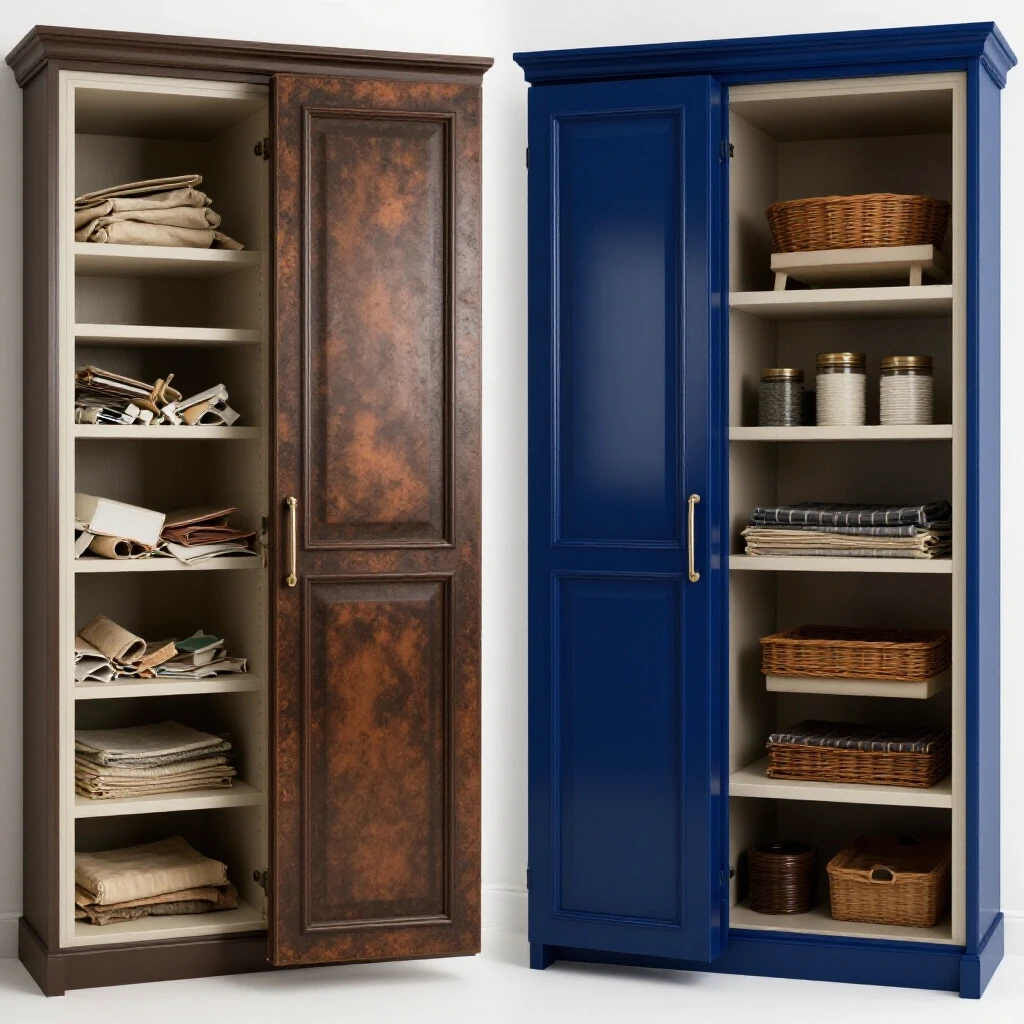
Is it worth painting the inside of the cabinets? Generally, no, unless you have glass-front cabinets. Painting the interiors adds significant labor costs and the paint can often “block” or stick to dishes if not cured for several weeks. Most homeowners find that focusing on the exterior surfaces provides the best visual impact for the investment.
What should I do if I find mold behind my old kitchen cabinets? Stop work immediately. You need to identify the source of the moisture—usually a leaky pipe or failed window seal—and fix it. Once the leak is stopped, the mold must be remediated according to local safety standards before new cabinets are installed. This is exactly why you have a contingency fund.
Does a dark color make a small kitchen look smaller? Not necessarily. A dark, moody color can create a sense of depth and make the walls feel like they are “receding.” However, it requires excellent lighting—both task lighting over counters and ambient lighting throughout the room—to keep the space from feeling cave-like.
How long should I wait for the paint to dry before using my kitchen? While paint might feel dry to the touch in a few hours, it takes about 30 days to fully “cure.” During this time, the paint is susceptible to scratches and stains. Be very careful moving appliances or heavy pots near the new walls for the first month.
What is a “Light Reflectance Value” (LRV) and why should I care? LRV is a number from 0 to 100 that tells you how much light a color reflects. In a kitchen with few windows, you want a high LRV (60 or above) to help bounce light around. In a very bright kitchen with lots of windows, you can get away with a lower LRV.
Can I use the same color for my walls and my kitchen island? Yes, this is a popular design choice called “monochromatic” styling. Using the same color but in different sheens (e.g., Eggshell for walls and Semi-Gloss for the island) can create a subtle, sophisticated look that feels very intentional and cohesive.
How do I handle a dispute with my painter about the final look? Refer back to your “Scope of Work” and your approved sample board. If the final result doesn’t match the sample you signed off on, the contractor is generally responsible for correcting it. This is why having a physical sample board with your signature on the back is a powerful quality-control tool.
(This article was written by one of our staff writers, David Langford. Visit our Meet the Team page to learn more about the author and their expertise.)