How Much It Costs to Restore Original Home Features (Cost Guide)

Focusing on ease of change is a philosophy I have lived by through eighteen years of residential renovation planning. When you walk into an old house, the temptation to keep every original detail is strong. However, the reality of the labor, time, and budget required to preserve those features often catches homeowners off guard. I have managed dozens of projects where the goal was to keep the soul of the home while updating its bones, and the financial path is rarely a straight line.
Evaluating the Cost of Preservation vs. Replacement
Deciding whether to keep original trim, doors, or flooring requires a cold look at the numbers. While new materials are predictable, restoring the old involves labor-intensive tasks that can stretch a budget. This phase involves assessing the physical state of the materials and the availability of skilled labor to handle them.
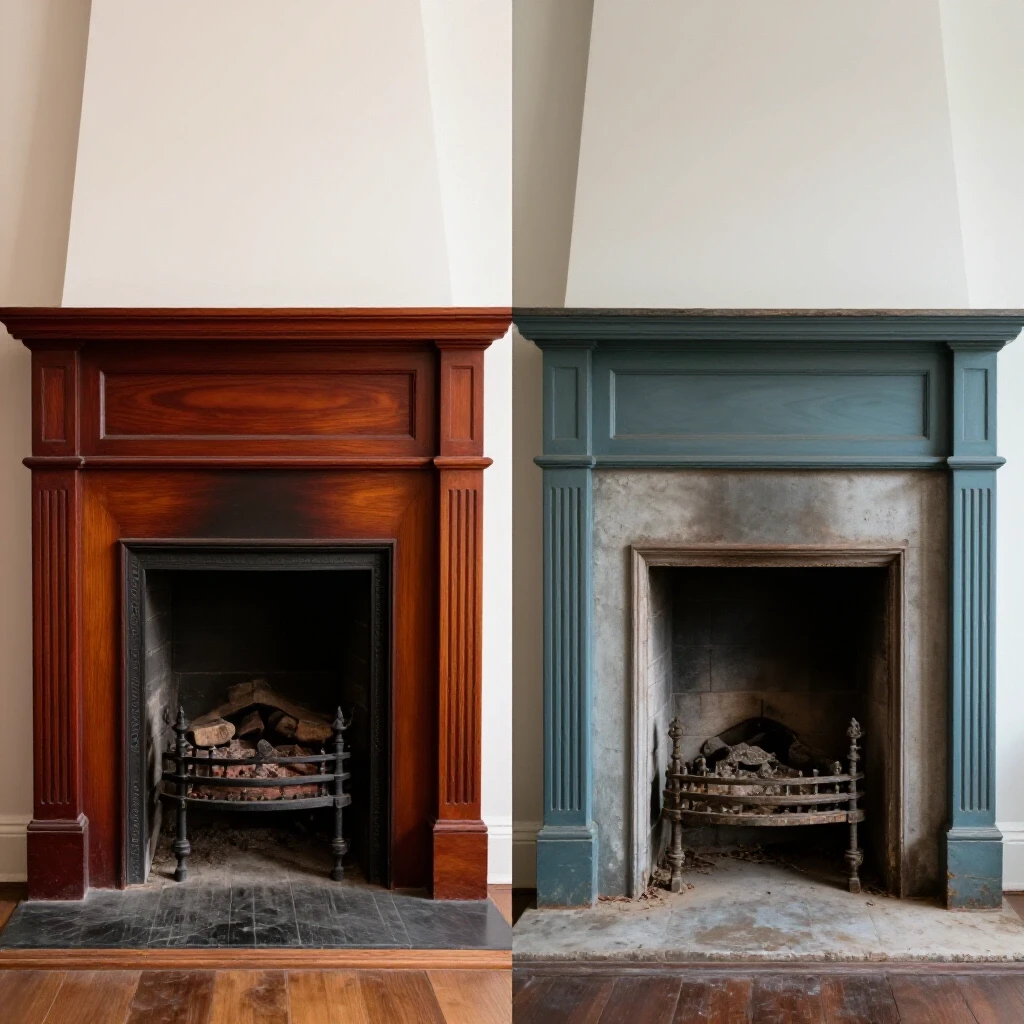
In my experience, the biggest mistake is assuming that “keeping what is already there” is the cheaper option. It is often the opposite. For example, stripping and refinishing original solid oak baseboards can cost 30% more than buying and installing new, pre-primed finger-jointed pine. You are paying for the artisan’s time rather than the manufacturer’s efficiency.
| Feature Type | Restoration Labor (Per Sq Ft/Unit) | Replacement Cost (New Material + Labor) | Variance |
|---|---|---|---|
| Solid Wood Flooring | $5.50 – $9.00 | $12.00 – $18.00 | -40% |
| Interior Wood Doors | $450 – $800 | $350 – $600 | +25% |
| Plaster Wall Repair | $15 – $25 | $4 – $7 (Drywall) | +250% |
| Original Windows | $600 – $1,200 | $500 – $900 | +20% |
These figures, adapted from RSMeans data, show that flooring is one of the few areas where preservation usually saves money. However, for doors and walls, you are often paying a premium for the history. When building your kitchen remodel budget, you must decide if that 1920s pantry door is worth the $500 restoration fee or if a modern replica fits your goals better.
Managing Your Budget for Architectural Restoration
A residential renovation planning strategy must account for the “unknown unknowns” that hide behind old finishes. This section breaks down how to allocate funds for craftsmen and specialized materials to avoid financial strain. I recommend a higher-than-average contingency fund for any project involving the preservation of original elements.
Standard industry practice suggests a 10-15% contingency for new construction. For a remodel involving the restoration of original features, I advise my clients to set aside 20-25%. During one of my personal full-home renovations, I decided to save the original cast-iron tub. What I didn’t account for was the $1,200 cost to reinforce the floor joists once we realized the old subfloor had termite damage that the tub was literally sitting on.
- Labor Allocation: Expect 70% of your restoration budget to go toward labor.
- Material Sourcing: Finding matching hardware or wood species can take weeks of lead time.
- Specialized Tools: Renting floor sanders or HEPA-filter vacuums for lead dust adds up.
Why Hidden Structural Surprises Blow Budgets
Old homes are masters of disguise, hiding rot, mold, and outdated wiring behind beautiful lath and plaster. This section focuses on the structural inspection checklists you need to use before the first sledgehammer swings. If you don’t know what is behind the wall, you don’t have a real budget; you have a guess.
I once coordinated a project where the homeowner wanted to keep the original beadboard ceiling in the kitchen. When we removed a small section to check the rough-in plumbing (the initial installation of pipes before fixtures are added), we found a slow leak from the upstairs bathroom that had been active for years. The “simple” ceiling preservation turned into a $4,000 structural repair of the ceiling joists.
- Moisture Checks: Use a moisture meter on any wood you plan to refinish.
- Electrical Hazards: Original features often hide “knob and tube” wiring which must be replaced for safety and insurance.
- Level and Square: Old features may have “settled.” Installing new cabinets against an original, wavy plaster wall requires expensive custom scribing.
Navigating the Contractor Vetting Process for Specialized Work
Not every general contractor knows how to handle 100-year-old plaster or heart-pine floors. Finding the right partner is the most critical step in your contractor management guide. You need someone who views an old house as a puzzle to solve, not a problem to be demolished.
When interviewing contractors, ask for specific examples of their restoration work. I always look for a “Scope of Work” document that details exactly how they plan to protect original features during the messy phases of construction. If a contractor tells you that saving original trim is “too much of a headache,” they are likely the wrong person for a preservation-focused project.
- Check References: Specifically ask previous clients about how the contractor handled unexpected discoveries.
- Verify Insurance: Ensure they have coverage for lead paint mitigation if your home was built before 1978.
- Review Payment Schedules: Tie payments to milestones, such as “completion of floor sanding” rather than just dates on a calendar.
Construction Sequencing: Protecting the Past During Demolition
The order of operations changes when you are keeping original elements. Proper construction sequencing ensures that a sledgehammer doesn’t ruin the very things you are trying to save. In a standard remodel, you gut the room; in a restoration, you surgically remove the “new” to save the “old.”
During my second personal renovation, we had to protect the original grand staircase. We didn’t just throw a tarp over it. We used 1/4-inch hardboard (Masonite) taped at the seams to create a literal armor plating over the treads. This added $300 in materials and a full day of labor, but it saved the stairs from the heavy boots and dropped tools of the framing crew.
- Phase 1: Protection. Board up original features before any demo starts.
- Phase 2: Targeted Demolition. Use hand tools near the features you want to keep.
- Phase 3: Rough-Ins. Run your new wires and pipes while keeping the historical layout intact.
- Phase 4: Restoration. This happens late in the project to avoid damage from other trades.
The Real Cost of Stripping and Refinishing Original Woodwork
Restoring wood is a labor of love, but the financial outlay is significant. This process involves chemical stripping, sanding, and multiple coats of finish. It is a slow, messy process that often requires the home to be vacant due to fumes and dust.
In a recent project, we estimated that stripping the paint off an original fireplace mantel would take ten hours. It took thirty. The layers of lead-based paint required specialized chemicals and a much slower pace to ensure safety. This is a classic example of “scope creep,” where the work grows beyond the initial plan.
- Chemical Strippers: $50 – $100 per gallon (covers about 25-50 sq ft).
- Sandpaper and Abrasives: $100+ for a medium-sized room.
- Finishing Oils/Polyurethane: $60 – $150 per gallon.
- Professional Labor: $50 – $100 per hour.
Managing Change Orders When Preservation Fails
A change order is a formal document that modifies the original contract’s scope of work, usually increasing the cost. When you try to save an original feature, you must be prepared for the moment the contractor says, “We can’t save this.” This is why a structural inspection checklist is so vital early on.
I remember a bathroom remodel where we tried to save the original penny tile floor. Once we removed the old vanity, we found that the subfloor underneath had completely rotted away. The change order to replace the entire floor system and tile was $3,500. Because we had a 20% contingency fund, the project didn’t stall. We were able to sign the document and keep the crew moving.
| Change Order Reason | Average Cost Impact | Schedule Delay |
|---|---|---|
| Hidden Rot/Mold | $1,500 – $5,000 | 3 – 5 Days |
| Outdated Electrical | $2,000 – $8,000 | 5 – 10 Days |
| Structural Reinforcement | $3,000 – $10,000 | 7 – 14 Days |
| Matching Rare Materials | $500 – $2,500 | 14 – 30 Days |
Project Management Tools for the Homeowner
Managing a remodel is a full-time job. To keep track of your kitchen remodel budget and construction sequencing, you need the right tools. I rely on a mix of digital and physical trackers to ensure nothing falls through the cracks.
- Gantt Chart Apps: Tools like TeamGantt or even a simple Excel sheet help you visualize how one delay (like waiting for a custom wood stain) affects the move-in date.
- Digital Blueprints: Apps like Magicplan allow you to keep the home’s measurements on your phone for quick trips to the hardware store.
- Lien Waivers: This is a legal document where a subcontractor confirms they have been paid. Never make a final payment to your general contractor without seeing these from the plumber, electrician, and floor refinisher.
- Daily Log: Keep a notebook on-site. Write down who showed up, what they did, and any verbal promises made.
The Final Walkthrough and Punch-List Resolution
The “punch-list” is the final list of small tasks that need to be completed before the project is officially done. When you have preserved original features, this list often includes things like “touch up paint on original trim” or “adjust original door hinges.”
In my eighteen years of experience, the punch-list is where many contractor disputes happen. The homeowner expects perfection, while the contractor feels the job is “good enough.” To avoid this, define “quality-control benchmarks” early. For example, agree that all original doors must latch properly and that no daylight should be visible through original window frames.
- Walkthrough Tip: Bring a high-powered flashlight. Shine it across the walls and floors to catch imperfections in the finish that you might miss in normal light.
- Holdback: Always keep the final 10% of the project cost until every item on the punch-list is finished to your satisfaction.
Lessons from the Field: A Case Study in Flooring
One of my most challenging projects involved a 1910 Victorian with original heart-pine floors buried under three layers of linoleum and plywood. The homeowner was determined to save them. We spent $2,000 just on the demolition of the top layers and the removal of thousands of staples by hand.
The result was stunning, but the cost per square foot ended up being $14—nearly the same as high-end new hardwood. The “saving” wasn’t financial; it was aesthetic. This project taught me that you must separate “cost savings” from “value added.” The home’s resale value increased significantly because of those floors, but the bank account felt the sting during the process.
Conclusion: Planning for a Successful Outcome
Embarking on a remodel that honors the past requires more than just a vision; it requires a disciplined approach to data and management. By utilizing RSMeans-based estimates and maintaining a healthy contingency fund, you can navigate the surprises of an old home without losing your financial footing. Remember that your role as the homeowner is to be the project’s most informed advocate. Stay close to the details, vet your experts thoroughly, and always keep an eye on the “critical path” of your schedule.
FAQ: Common Questions About Restoring Original Home Features
How do I know if an original feature is worth saving? Look for “structural integrity.” If wood is soft to the touch (rot) or has tiny holes (powderpost beetles), it may be beyond saving. If the issue is just ugly paint or surface scratches, it is usually a good candidate for restoration. Always weigh the cost of restoration labor against the cost of a high-quality replacement.
Does keeping original features always increase my home’s value? Generally, yes. In many markets, original character is a major selling point. However, if the restoration is poorly done or leaves the home with “functional obsolescence” (like original windows that don’t open), it can actually hurt your resale value.
What is the “Critical Path” in a restoration project? The critical path is the sequence of tasks that determines the project’s finish date. If you are restoring original floors, they are often the last thing to be finished. Any delay in the “rough-in” plumbing or electrical work will push the floor refinishing back, delaying your move-in date.
How do I handle a contractor who wants to tear everything out? This is a red flag in your contractor management guide. If they aren’t willing to work with your preservation goals, they will likely cut corners during the project. Find a contractor who has a portfolio of historical work and understands the value of original materials.
What should I do if we find mold behind an original wall? Stop work immediately. Mold requires professional remediation to ensure it doesn’t spread through the HVAC system. This is a common reason for a change order. Expect to spend $500 – $3,000 depending on the extent of the growth.
Is lead paint a deal-breaker for restoring trim? No, but it requires specific safety protocols. Contractors must be EPA Lead-Safe certified. They will use wet-sanding techniques and HEPA vacuums to contain the dust. This adds about 15-20% to the labor cost of stripping wood.
How much should I set aside for a contingency fund? For any project involving original features, I recommend 20-25%. This covers hidden structural issues, the higher cost of matching old materials, and the specialized labor required for restoration.
What is the difference between “rough-in” and “finish” phases? Rough-in is when the “guts” (pipes, wires, ducts) are installed inside the walls. Finish phase is when the visible parts (faucets, light fixtures, flooring) are installed. In a restoration, the finish phase is where the most delicate work happens.
Can I live in the house during a restoration remodel? It is difficult. The dust from sanding original floors and the fumes from paint strippers can be hazardous. If you are doing a whole-house remodel, it is almost always better to move out for 3-6 months to allow the crew to work efficiently.
How do I ensure the new materials match the original ones? Take a sample of the original wood or hardware to a specialized architectural salvage yard or a custom millwork shop. Matching old “true-size” lumber (which is thicker than modern lumber) often requires custom cutting, which should be factored into your budget.
(This article was written by one of our staff writers, David Langford. Visit our Meet the Team page to learn more about the author and their expertise.)