How to Replace Worn Weatherstripping for Better Home Sealing (Guide)

In the modern era of smart living, we often rely on digital sensors and automated thermostats to manage our indoor environments. However, even the most advanced HVAC system cannot compensate for a compromised building envelope where air moves freely through gaps in doors and windows. During my 17 years maintaining older properties, I have learned that the most sophisticated technology is only as effective as the physical seals preventing uncontrolled air exchange.
Throughout my career as a facilities technician, I have managed everything from 19th-century Victorians to mid-century ranch homes. I once spent three days tracking a persistent moisture issue in a basement, only to find that the root cause wasn’t a plumbing leak, but a failed seal on a first-floor entry door. The gap was allowing humid exterior air to enter, condense on cold pipes, and drip into the crawlspace. These experiences taught me that residential diagnostics must begin with the simplest components of the structure. My approach is rooted in building science—the study of how heat, air, and moisture move through a building—to ensure that every repair is systematic and data-driven.
Understanding the Building Envelope and Air Infiltration
The building envelope is the physical separator between the conditioned interior of a home and the unconditioned exterior environment. It includes the foundation, walls, roof, windows, and doors, all working together to control thermal transfer and moisture migration. When the seals around these openings deteriorate, the envelope is breached, leading to air infiltration and potential structural degradation.
Air infiltration occurs when outside air enters a building unintentionally through cracks and openings. This is often driven by the “stack effect,” a building science principle where warm air rises and escapes through the upper levels of a home, creating a vacuum that pulls cold air in through gaps at the bottom. In older homes, this cycle is constant. My primary goal in any envelope repair is to restore the integrity of these openings. By identifying and replacing brittle or compressed gaskets, we can stabilize the indoor climate and protect the framing from the localized condensation that often follows air leaks.
Symptom-to-Root-Cause Diagnostic Tree
| Observed Symptom | Potential Mechanical Failure | Diagnostic Test |
|---|---|---|
| Visible light through door frame | Compressed or torn perimeter gasket | Visual inspection in darkness with exterior light |
| Rattling window sashes | Dried out or missing pile weatherstripping | Manual shake test and “dollar bill” pull test |
| Localized floor chill near entries | Bottom sweep failure or threshold misalignment | Tactile draft check or infrared thermometer scan |
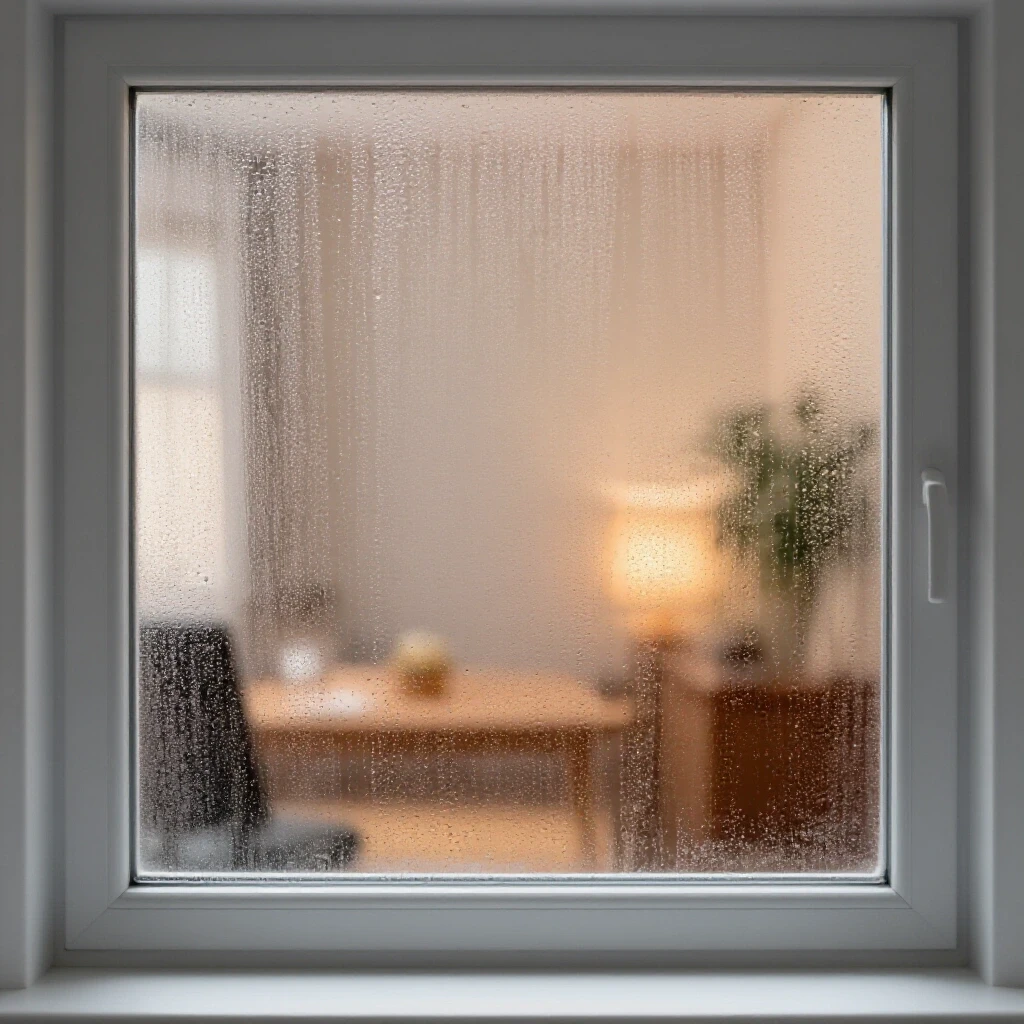
| Moisture on interior window sills | Failed glazing or perimeter seal bypass | Moisture meter probe (15-20% indicates concern) |
| Difficulty closing doors | Over-sized or improperly seated bulb seal | Clearance measurement with feeler gauges |
Essential Diagnostic Tools for Identifying Seal Failure
Proper home maintenance requires more than just a keen eye; it requires specific tools to measure what we cannot easily see. Over the years, I have refined a kit that allows for objective assessment of a home’s airtightness without relying on guesswork. These tools help identify exactly where the building envelope is failing.
- Infrared Thermometer: This device measures surface temperatures. By scanning the edges of a door frame, you can identify “cold spots” where the temperature differential between the wall and the seal exceeds 5-10°F, indicating a thermal bridge.
- Smoke Pen or Incense Stick: A simple way to visualize air movement. Holding a smoke source near a suspected leak will show the exact path of the draft as the smoke is pulled or pushed by air pressure.
- Moisture Meter: Essential for checking the wood framing around windows. I look for moisture content levels. Anything above 16% suggests that air leaks are carrying water vapor that is condensing on the wood, risking rot.
- Feeler Gauges or a Thin Card: Used to check the “compression” of a seal. If you can slide a card through a closed door’s seal without resistance, the material is no longer performing its mechanical function.
- High-Lumen Flashlight: Used for “light leak” testing. One person stands outside at night while another stays inside; light shining through indicates a gap of at least 1/32 of an inch.
Systematic Inspection of Door and Window Seals
A systematic property assessment begins with a perimeter audit of every operable opening. I recommend starting at the lowest level of the home and moving upward, as the stack effect often makes leaks at the base of the house more pronounced. We are looking for physical signs of fatigue, such as “permanent set,” where a foam seal stays flat even when the door is open.
During my time maintaining a 1920s estate, I discovered that most “drafty” windows weren’t actually broken; the original bronze V-strip had simply been painted over or bent. When inspecting, look for cracked rubber, flattened foam, or felt that has become matted with dust and pet hair. These materials have a finite lifespan, typically 5 to 10 years depending on UV exposure and usage frequency. If the material feels brittle to the touch or fails to spring back after being compressed, it is no longer providing the necessary resistance to air flow.
Selecting Replacement Materials for Older Homes
Choosing the right replacement material is a matter of matching the “gap width” to the “material memory.” Material memory refers to a product’s ability to return to its original shape after being squeezed. In older homes with shifted frames, you may need different types of seals for the top, bottom, and sides of a single door.
- Closed-Cell Foam Tape: Best for narrow, even gaps. It is inexpensive but has a shorter lifespan and lower memory than rubber.
- EPDM Rubber D-Strips: Highly durable and excellent for larger gaps (up to 1/4 inch). It resists temperature extremes from -40°F to 200°F.
- Silicone Bulb Seals: These offer the best longevity and compression. They are often used in high-traffic entryways where the door might be opened dozens of times a day.
- V-Flex (Polypropylene): This is a “tension” seal. It folds into a V-shape and is ideal for the sides of double-hung windows or door hinge sides where a compression seal might interfere with the closing mechanism.
- Door Sweeps (Aluminum/Vinyl): Specifically for the bottom of the door. Look for heavy-duty versions with slotted holes to allow for adjustment as the house settles seasonally.
The Installation Workflow: From Removal to Final Fit
The success of a seal replacement depends almost entirely on surface preparation. I have seen many DIY repairs fail within weeks because the new adhesive was applied over old glue or dust. In a facility setting, we follow a strict protocol to ensure the mechanical bond between the seal and the frame is permanent.
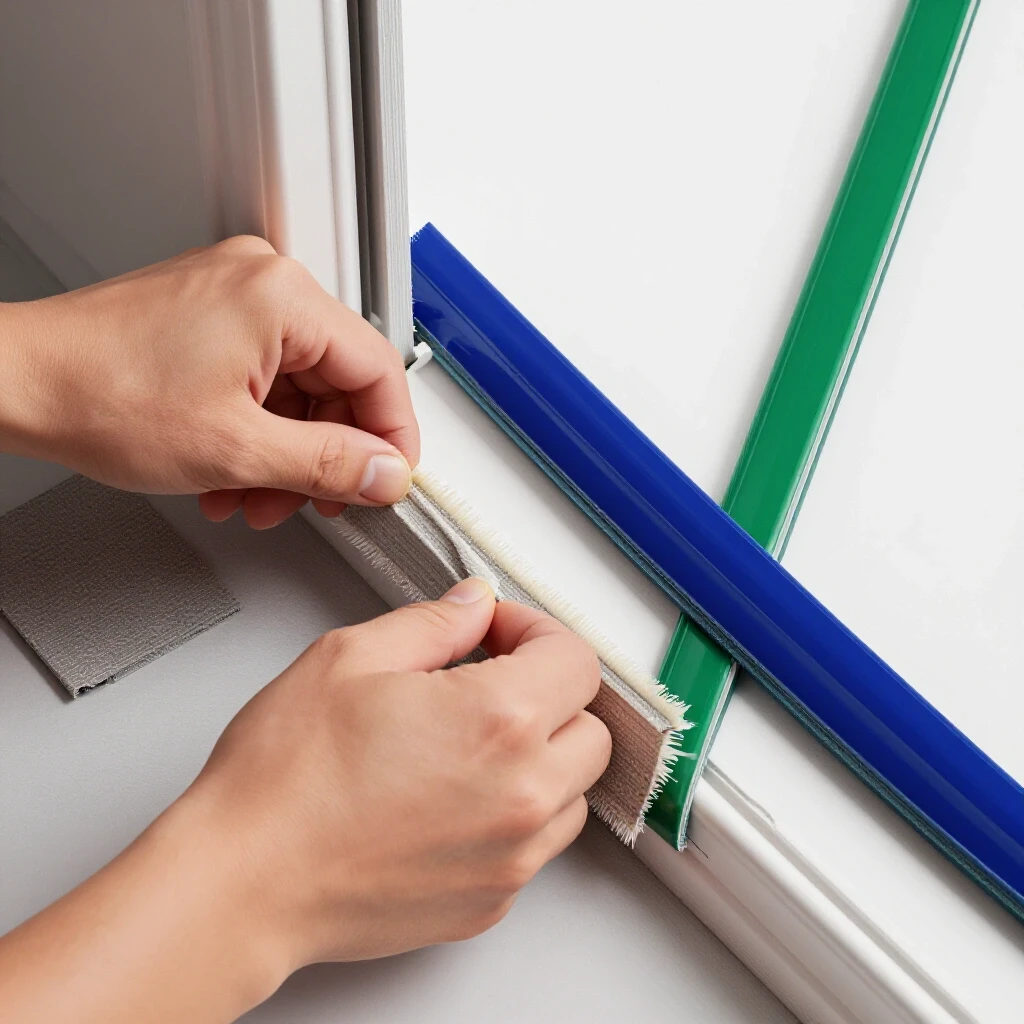
First, remove all old material using a putty knife or a specialized adhesive remover. Once the substrate is bare, clean the area with a 50/50 mixture of isopropyl alcohol and water. This removes oils that prevent adhesion. When applying the new seal, do not stretch the material. Stretching creates internal tension that will eventually cause the seal to shrink and pull away from the corners. Instead, press it firmly into place, leaving a slight “over-run” at the corners to ensure a tight butt joint. For door sweeps, ensure the vinyl fin just barely touches the threshold; too much friction will tear the seal, while too little will allow air to bypass.
Verifying Performance: The Before-and-After Assessment
Once the new seals are installed, it is critical to verify the repair. I use a “Before-After” testing sequence to ensure the intervention was successful. This isn’t about utility bills; it’s about the physical performance of the building envelope and the elimination of localized thermal failures.
Start with the “Paper Test.” Close the door or window on a piece of paper. If you can pull the paper out with no resistance, the seal is not compressed enough. Next, use your infrared thermometer. If the exterior temperature is 40°F and your interior is 70°F, the temperature at the seal should be much closer to the room temperature than it was before the repair. Finally, perform a tactile check. On a windy day, move your hand slowly along the perimeter. You should feel a dead zone of still air. If you still feel movement, the seal may need to be shimmed or adjusted to account for a warped frame.
DIY vs. Professional Scope Limits
| Task | DIY Appropriate | Professional Required |
|---|---|---|
| Adhesive foam/rubber strips | Yes, with proper cleaning | N/A |
| Door sweep replacement | Yes, requires drill/driver | N/A |
| Interlocking metal seals | No, requires specialized crimping | If original historic metal is damaged |
| Window sash re-roping | Yes, for experienced DIYers | If structural rot is present in the weight pocket |
| Threshold replacement | Yes, if floor is level | If subfloor rot or structural sagging is found |
Seasonal Maintenance Schedule for Envelope Integrity
Preventative home care is not a one-time event but a recurring cycle. I recommend a quarterly inspection of all primary “transition points” where the home meets the outdoors. This proactive approach prevents small gaps from becoming major sources of moisture intrusion or thermal loss.
- Spring: Inspect for UV damage. High summer sun can bake rubber seals, causing them to crack. Clean seals with a damp cloth to remove pollen and grit that can act as an abrasive.
- Fall: This is the most critical check. Perform the “Light Leak” test before the first freeze. Ensure that door sweeps haven’t been knocked out of alignment by summer foot traffic.
- Winter: Use your infrared thermometer during the coldest week. This is when the “stack effect” is strongest and hidden leaks will be most obvious due to the high temperature differential.
- Summer: Check for “sticking.” High humidity can swell wood doors, causing them to crush seals. Adjust the strike plate if the door requires excessive force to latch.
Building Science: Why Moisture Control Matters Most
When we talk about sealing a home, we aren’t just talking about comfort. We are talking about structural protection. In my 17 years of experience, I’ve seen how air leaks lead to “interstitial condensation.” This happens when warm, moist indoor air escapes through a gap in a window seal and hits the cold outer sheathing of the house. The air cools rapidly, and the water vapor it carries turns into liquid water inside your walls.
By maintaining tight seals, you are controlling the “dew point” within your wall assembly. If the moisture content in your wall studs stays below 19%, mold and rot cannot easily take hold. A simple $15 roll of rubber seal can, therefore, prevent thousands of dollars in structural repairs. This is why I emphasize the “why” behind the “how”—understanding that a drafty door is actually a moisture transport system changes how we prioritize these repairs.
Practical Tips and Critical Mistakes to Avoid
In my facility logs, I’ve noted several recurring errors that homeowners make when attempting to address air leaks. One of the most common is “over-sealing.” A house still needs to breathe to prevent carbon monoxide buildup and to allow moisture to escape. We are aiming for “controlled ventilation,” not a vacuum seal.
- Mistake 1: Painting over seals. Never paint weatherstripping. The chemicals in the paint break down the rubber, and the dried paint makes the material brittle and useless.
- Mistake 2: Ignoring the “hinge side.” Many people only seal the lock side of a door. However, the hinge side is often where the most significant air bypass occurs because the door pulls away from the frame as it closes.
- Mistake 3: Using the wrong thickness. If a seal is too thick, you will have to “slam” the door to latch it. This puts unnecessary stress on the hinges and can eventually pull the frame out of square.
- Safety Tip: When removing old seals from very old homes (pre-1978), be mindful of lead paint. Use a HEPA vacuum and wet-sanding techniques to avoid creating toxic dust.
Conclusion: Next Steps for Your Property
Addressing the integrity of your home’s seals is one of the most effective ways to master routine care and prevent long-term damage. Start by performing a visual audit tonight with a high-lumen flashlight. Document which doors and windows show light or feel cold to the touch. Once you have your list, prioritize the openings that face the prevailing wind or are located on the lowest level of the home.
By applying these systematic diagnostic techniques, you move from being a reactive homeowner to a proactive caretaker of your property. You don’t need to fear the “big repair bill” when you are consistently managing the small failures that lead to it. Your home is a complex mechanical system; treat it with the same precision a facilities technician would, and it will serve you reliably for decades.
Frequently Asked Questions
How can I tell if my seals are failing if I don’t feel a draft? Use the “Light Test” or a thermal camera. Often, air moves so slowly that you won’t feel a “breeze,” but the temperature differential is still there. Look for dust patterns around the edges of doors; air leaks often act as a filter, leaving dark “ghosting” marks on the white trim where dust has been pulled through the gap.
What is the best material for a door that is slightly warped? For warped doors, a “V-strip” or “tension seal” is usually better than a compression bulb. Because the gap varies in width from top to bottom, a V-strip can expand and contract to fill the uneven space, whereas a bulb seal might be too tight at the top and too loose at the bottom.
Can I install new weatherstripping over the old stuff? No. This is a common failure point. New adhesive will not bond to old, crumbling material. Furthermore, “double-stacking” seals creates too much thickness, which can prevent the door from latching or damage the hinges. Always strip back to the original wood or metal substrate.
How often should I check my window seals? I recommend a formal inspection twice a year—once in the spring and once in the fall. In older homes, the structure shifts with the seasons as the wood expands and contracts with humidity. A seal that worked in the humid summer might have a 1/8-inch gap in the dry winter.
What should I do if my threshold is the source of the leak? Check if your threshold is adjustable. Many modern thresholds have four or five screws that allow you to raise or lower the wooden or metal center strip. Turning these screws counter-clockwise will raise the threshold, closing the gap between it and the door sweep.
Is there a specific temperature I should wait for before installing adhesive seals? Yes. Most manufacturers recommend applying adhesive-backed seals when the temperature is between 50°F and 80°F. If it is too cold, the glue will not “wet out” and bond to the surface; if it is too hot, the adhesive may slide or fail to cure properly.
What if I find rot while I’m replacing a seal? Stop and address the moisture source. If the wood is soft enough to poke a screwdriver into, the “seal” is no longer your main problem. You must treat the wood with a hardener or replace the section before applying new weatherstripping, or the new seal will simply trap more moisture against the rotting wood.
Do “draft dodgers” or “snakes” work as a substitute for seals? They are a temporary “band-aid” but do not address the root cause. They only block the bottom of the door and do nothing for the sides or top. Furthermore, they don’t provide a mechanical seal, meaning air can still bypass them easily if they aren’t perfectly positioned.
How do I clean my seals without damaging them? Use a mild soap and water solution. Avoid petroleum-based cleaners or harsh solvents, as these can dissolve the binders in rubber and foam, causing them to become “gummy” or brittle prematurely.
What is the “dollar bill test”? This is a classic diagnostic. Close the window or door on a dollar bill. Pull the bill out. If it slides out easily, the seal is not tight enough. If you feel significant resistance or the bill tears, you have a good mechanical seal. Repeat this at 6-inch intervals around the entire perimeter.
(This article was written by one of our staff writers, Daniel Whitaker. Visit our Meet the Team page to learn more about the author and their expertise.)