How to Identify and Fix Basement Wall Dampness (Step-by-Step Guide)

According to data from various residential building surveys, nearly 60% of all homes with below-grade spaces experience some form of moisture intrusion during their lifespan. While many homeowners fear these signs indicate a total structural failure, most early-stage issues are manageable through consistent observation and minor environmental adjustments.
During my 17 years maintaining older legacy properties, I have learned that the most expensive repairs usually stem from a lack of documentation. I once managed a 1940s brick home where a small, dark patch appeared on the lower north wall every April. By simply tracking the size of that patch and the local rainfall totals, I was able to determine that the issue was not a pipe leak, but a simple case of seasonal condensation. This systematic approach saved the owners from an unnecessary and invasive diagnostic process.

Understanding the Physics of Lower-Level Moisture Migration
Building science is the study of how heat, air, and moisture move through a building’s envelope. In the context of below-grade walls, we primarily focus on how porous materials like concrete, brick, and stone interact with the surrounding environment.
Hydrostatic pressure occurs when water accumulates in the soil outside a wall, exerting physical force against the masonry. Capillary action is a related phenomenon where liquid water is “sucked” into the tiny pores of the concrete, much like a sponge pulling water upward. Understanding these forces helps us realize that moisture on an interior surface is often the result of natural physical laws rather than a sudden mechanical failure.
Essential Diagnostic Tools for Residential Moisture Detection
To effectively monitor a home, you need a basic kit of instruments that provide objective data. Relying on “it looks damp” is subjective; relying on “the meter shows 18% saturation” is actionable.
- Pinless Moisture Meter: This device uses electromagnetic signals to detect water content behind surfaces without leaving holes. It is essential for checking areas behind drywall or under floorings.
- Digital Hygrometer: These small, inexpensive sensors measure relative humidity (RH) and temperature. I recommend placing one in each corner of a basement to identify “dead air” zones.
- Aluminum Foil: A 12-inch square of foil is a classic diagnostic tool. Taping it tightly to a suspect wall for 48 hours helps determine if moisture is coming through the wall or condensing from the air.
- Blue Painter’s Tape: This is used to mark the boundaries of damp spots. By dating the tape, you can see if a stain is growing or shrinking over time.
- Infrared Thermometer: This helps identify “cold spots” on a wall where condensation is most likely to occur due to thermal bridging.
Systematic Observation and Logging of Wall Surface Changes
A structured approach to recording visual and tactile changes on interior surfaces over a full calendar year is the best way to prevent surprises. I suggest keeping a dedicated logbook or a digital spreadsheet to track these observations alongside weather events.
In my years as a facilities technician, I found that the “Foil Test” was the most reliable way to start a log. If moisture forms on the outside of the foil, the problem is high indoor humidity. If it forms on the side touching the wall, the moisture is migrating through the masonry. This distinction is critical because the solutions for each are vastly different.
| Symptom | Observation Detail | Likely Root Cause |
|---|---|---|
| Efflorescence | White, powdery crystals on masonry | Mineral deposits left by evaporating water |
| Localized Damp Patches | Darkened areas that grow after rain | Hydrostatic pressure or capillary action |
| Surface Condensation | Water droplets on cold pipes or walls | High indoor relative humidity (RH) |
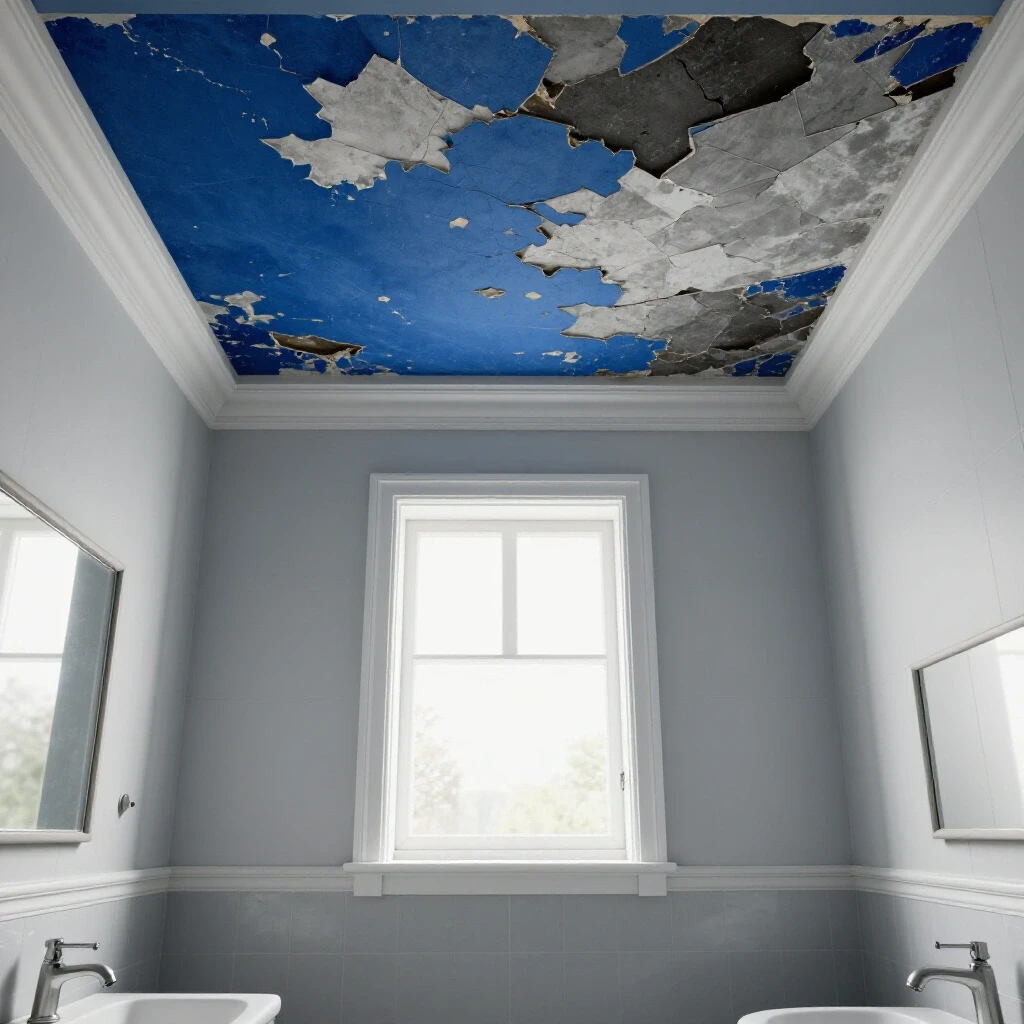
| Peeling Paint | Large flakes or bubbling finishes | Moisture trapped behind non-breathable coatings |
Why Moisture Control Matters Most—And How to Safely Track Hidden Leaks
Identifying the source of moisture is the first step in structural protection. Most homeowners react to the symptom, but a prevention-focused approach targets the environment that allows moisture to persist.
When I track moisture, I look for a metric called the “Dew Point.” This is the temperature at which air can no longer hold water vapor, causing it to turn into liquid on surfaces. If your basement walls are at 55 degrees Fahrenheit and your indoor air is 70 degrees with 60% humidity, your walls will act as a dehumidifier, constantly collecting water. Maintaining indoor humidity below 50% is a standard target for preventing this cycle.
Practical Aesthetic and Functional Adjustments for Drier Interiors
Minor changes to the layout and surface treatments can significantly improve airflow and reduce localized humidity. These adjustments are low-cost and do not require altering the home’s structure.
- Air Gap Spacing: Ensure all furniture, storage bins, and shelving are at least 4 to 6 inches away from exterior-facing walls. This allows air to circulate and prevents “micro-climates” where moisture can be trapped.
- Breathable Coatings: Avoid using “waterproof” rubberized paints on older masonry. These often trap moisture inside the wall, leading to spalling. Instead, use mineral-based washes or breathable masonry paints.
- Dehumidifier Placement: Position your dehumidifier in a central location with a direct drain hose to a floor drain or sump pit. Emptying a bucket manually often leads to gaps in operation.
- Raised Storage: Use plastic or metal shelving rather than wood. Keep all items at least 2 inches off the floor to allow for easy inspection and airflow.
Establishing a Preventative Home Care Maintenance Schedule
A recurring timeline for checking moisture-sensitive areas helps you catch issues before they require major intervention. This schedule should be integrated into your general home maintenance checklist.
| Frequency | Task | Metric/Target |
|---|---|---|
| Monthly | Check Hygrometer Readings | Maintain 30% to 50% RH |
| Seasonal | Inspect Corners for Efflorescence | No new white powder growth |
| After Heavy Rain | Visual Wall Scan | No new dark patches or staining |
| Bi-Annually | Clean Dehumidifier Filter | Ensure maximum airflow |
| Annually | Calibrate Moisture Meter | Verify accuracy against dry wood |
DIY vs. Observation Scope Limits
Knowing when to simply watch and when to take action is a key skill for any homeowner. The following table outlines the boundaries of safe, independent monitoring.
| Task | DIY Observation Scope | When to Seek Guidance |
|---|---|---|
| Surface Dampness | Tracking size and frequency of spots | If spots do not dry within 48 hours |
| Humidity Control | Adjusting dehumidifier settings | If RH stays above 60% despite unit running |
| Minor Seepage | Applying hydraulic cement to small cracks | If cracks exceed 1/8 inch in width |
| Aesthetic Care | Removing efflorescence with a stiff brush | If masonry is crumbling or soft to the touch |
Building Science Principles: Capillary Action and Vapor Drive
Capillary action is the process where water moves through the microscopic pores of a material. In an older home, the foundation acts like a giant wick. Vapor drive occurs when moisture moves from an area of high concentration to an area of low concentration.
Interestingly, vapor drive can happen even if the soil outside is not saturated. If it is very humid outside and you are running air conditioning inside, the moisture will naturally try to push its way into your home. This is why a residential diagnostics plan must include checking both the interior and exterior environments.
Real-World Diagnostic Workflow: The 72-Hour Observation
When I encounter a new damp spot, I follow a strict 72-hour protocol. This avoids “panic repairs” and provides the data needed for a permanent fix.
- Day 1: Clean the area with a dry cloth. Mark the perimeter with blue tape. Record the current RH and temperature.
- Day 2: Check for changes. If the spot has grown without rain, check nearby plumbing fixtures on the floor above.
- Day 3: Perform the foil test. Apply a 12×12 sheet of foil over the center of the damp area.
- Day 4: Remove the foil. If the wall is dry but the foil is wet on the room side, increase air circulation. If the wall is wet under the foil, the moisture is migrating through the masonry.
Critical Diagnostic Mistakes to Avoid
In my 17 years of experience, I have seen many well-meaning homeowners make the same errors. Avoiding these will save you time and money.
- Don’t ignore “musty” smells. That scent is an early warning sign that humidity is too high, even if you can’t see water yet.
- Don’t paint over wet spots. The paint will fail, and you will lose the ability to track the moisture’s movement.
- Don’t assume a dry wall is a “fixed” wall. Moisture patterns change with the seasons; a wall that is dry in August may be saturated in March.
- Don’t block floor drains. These are essential safety valves for your home’s plumbing and moisture management systems.
Actionable Diagnostic Metrics for Homeowners
To maintain structural protection, keep your home within these standard operational parameters. These numbers are based on general building science recommendations for older properties.
- Indoor Relative Humidity: 30% – 45% (Winter), 45% – 55% (Summer).
- Wall Surface Temperature: Should be within 5 to 10 degrees of the ambient room temperature.
- Moisture Content (Wood): Any wood framing near masonry should be below 15%.
- Slope: Ensure the interior floor slopes slightly toward a functional drain at a rate of 1/4 inch per foot.
Strategic Next Steps for Long-Term Prevention
Mastering routine care starts with small, consistent actions. Begin by purchasing two or three digital hygrometers and placing them in your lower-level rooms. Start a simple logbook where you note the date, the weather, and any changes you see on your walls.
By focusing on these low-cost observation techniques and making minor aesthetic adjustments, you can take control of your home’s environment. This proactive stance reduces the fear of the unknown and ensures that you are treating the root causes of moisture rather than just the symptoms.
Frequently Asked Questions
How can I tell if the moisture is from a leak or just humidity? The most effective way is the “Foil Test.” Tape a piece of aluminum foil to the damp area for 48 hours. If moisture appears on the outside of the foil, it is condensation from high indoor humidity. If moisture is trapped underneath the foil against the wall, it is likely migrating through the masonry from the outside.
What is the ideal humidity level for a basement? For most older homes, maintaining a relative humidity (RH) between 40% and 50% is ideal. If the RH rises above 60%, the risk of surface moisture and odors increases significantly. In very cold winters, you may need to drop the RH to 30% to prevent window condensation.
Does white powder on the walls mean the foundation is failing? Not necessarily. That white powder is called efflorescence. it occurs when water evaporates from the wall and leaves behind natural mineral salts. While it indicates that moisture is moving through the wall, it is a common occurrence in older masonry and can usually be managed by controlling humidity and airflow.
Can I use regular indoor paint on my basement walls? It is generally better to use breathable masonry paints or mineral-based washes. Standard latex or oil-based paints can create a vapor barrier that traps moisture inside the wall. This can lead to the paint bubbling and the masonry underneath slowly deteriorating due to trapped water.
How far should I keep my storage bins from the walls? You should maintain a gap of at least 4 to 6 inches between any stored items and exterior-facing walls. This allows air to circulate freely. Without this gap, “cold spots” can form behind the boxes, leading to hidden condensation and moisture buildup.
Is a dehumidifier enough to stop wall dampness? A dehumidifier is excellent for managing condensation and high air humidity. However, if water is physically pushing through the wall due to hydrostatic pressure, a dehumidifier will only treat the symptom, not the source. It should be used as part of a larger strategy that includes tracking and airflow management.
Why does the dampness only show up in the spring? This is often due to the “thaw cycle” and increased seasonal rainfall. As the ground thaws and rains increase, the soil becomes saturated, increasing the pressure against your walls. Additionally, the warmer, humid spring air hitting cold basement walls creates the perfect conditions for condensation.
What tools do I need to start tracking moisture? A basic kit includes a digital hygrometer for measuring air humidity, a pinless moisture meter for checking wall saturation, and blue painter’s tape for marking and dating damp spots. These tools are relatively inexpensive and provide the objective data needed for a proper home maintenance checklist.
How do I clean efflorescence safely? You can usually remove efflorescence using a stiff-bristled brush (not wire) and a simple solution of white vinegar and water. Always wear a dust mask and eye protection when brushing, as the dried salts can become airborne.
When should I be worried about a crack in the wall? Most small, hairline cracks are the result of natural settling. However, if a crack is wider than 1/8 inch, is horizontal, or seems to be growing quickly according to your tracking log, it is time to consult a structural professional for a more detailed assessment.
(This article was written by one of our staff writers, Daniel Whitaker. Visit our Meet the Team page to learn more about the author and their expertise.)