How to Declutter Bathroom Cabinets and Keep Essentials (Step-by-Step)

Studies in environmental psychology suggest that the average person loses nearly one year of their life searching for misplaced items in their own home. In the context of a busy household, much of this lost time occurs during the morning rush, centered around the limited square footage of the vanity and under-sink areas. As an operations and logistics professional with over a decade of experience, I view these small spaces not just as storage, but as high-traffic distribution centers. When a system fails in these zones, it is rarely due to a lack of effort. Instead, it is usually a failure of the logistics framework—specifically, the balance between item density and retrieval speed.
The Logistics of High-Traffic Grooming Zones
Spatial logistics in the home involves analyzing how items move through a space based on frequency of use and physical accessibility. In a bathroom setting, this means prioritizing the “golden zone”—the area between the waist and eye level—for items that support your daily morning and evening routines.
When I first audited my own family’s home organization systems, I realized our vanity was a bottleneck. We had plenty of storage solutions for families, but they were designed for aesthetics rather than flow. We were treating our cabinets like long-term warehouses instead of active fulfillment centers. To fix this, I applied the principle of “flow rates.” A flow rate is the speed at which an item can be accessed, used, and returned to its home. If it takes more than two steps to reach a toothbrush, the system has too much friction.
In our house, the items that earned a permanent spot in the cabinet were those with a high daily utility. By focusing on what stayed, we shifted our mindset from “storing things” to “supporting actions.” This approach reduces household clutter because it prevents the accumulation of “just in case” items that often clog up functional spaces.
The Psychological Impact of Visual Overload in Small Spaces
Visual processing overload occurs when the brain is forced to scan too many competing objects to find a specific target. In a cramped cabinet, this leads to decision fatigue and increased cortisol levels, making the start of your day feel frantic rather than focused.
Research from environmental psychology journals, such as those discussing Attention Restoration Theory, highlights that cluttered environments drain our mental energy. When you open a cabinet and see a chaotic jumble of bottles and tubes, your brain has to work harder to filter out the noise. This is why many sustainable decluttering efforts fail; the mental cost of maintaining a complex system is too high for a tired parent or professional.
I found that by limiting our retained items to multi-purpose grooming products and essential daily hygiene tools, we significantly lowered the cognitive load of our morning routine. We moved away from “visual organization” (making things look pretty) and toward “functional home storage” (making things easy to find). This shift helped my family reduce the frustration that comes from systems that are too complex to follow.
Understanding Retrieval Friction and Spatial Capacity
- Retrieval Friction: This is the physical and mental effort required to get an item out of storage. A low-friction item is one you can grab with one hand without moving anything else.
- Spatial Capacity: Every cabinet has a hard limit. Exceeding this limit by even 10% creates a “domino effect” where moving one item causes others to fall, increasing frustration.
- Inflow/Outflow Control: This is the practice of ensuring that for every new item brought into the cabinet, an old or empty one is removed. It is a fundamental rule of logistics.
Designing a High-Efficiency Zoning Map
A zoning map is a strategic layout that assigns specific locations to items based on their frequency of use and the user’s physical reach. By categorizing the cabinet into primary, secondary, and tertiary zones, you ensure that the most important tools are always the easiest to reach.
In my family’s redesign, we mapped out the vanity based on “reach envelopes.” The primary zone is the area directly in front of you. This is where the items that stayed—like daily cleansers and medications—are located. The secondary zone includes drawers or lower shelves for items used every few days. The tertiary zone is the very back or bottom, reserved for bulk supplies or seasonal items.
Storage Friction Index by Bin Type
| Bin Type | Retrieval Steps | Visibility | Maintenance Level | Best Use Case |
|---|---|---|---|---|
| Open Acrylic Tray | 1 Step | High | Low | Daily skincare, toothbrushes |
| Deep Opaque Basket | 3 Steps | Low | High | Bulk backstock, towels |
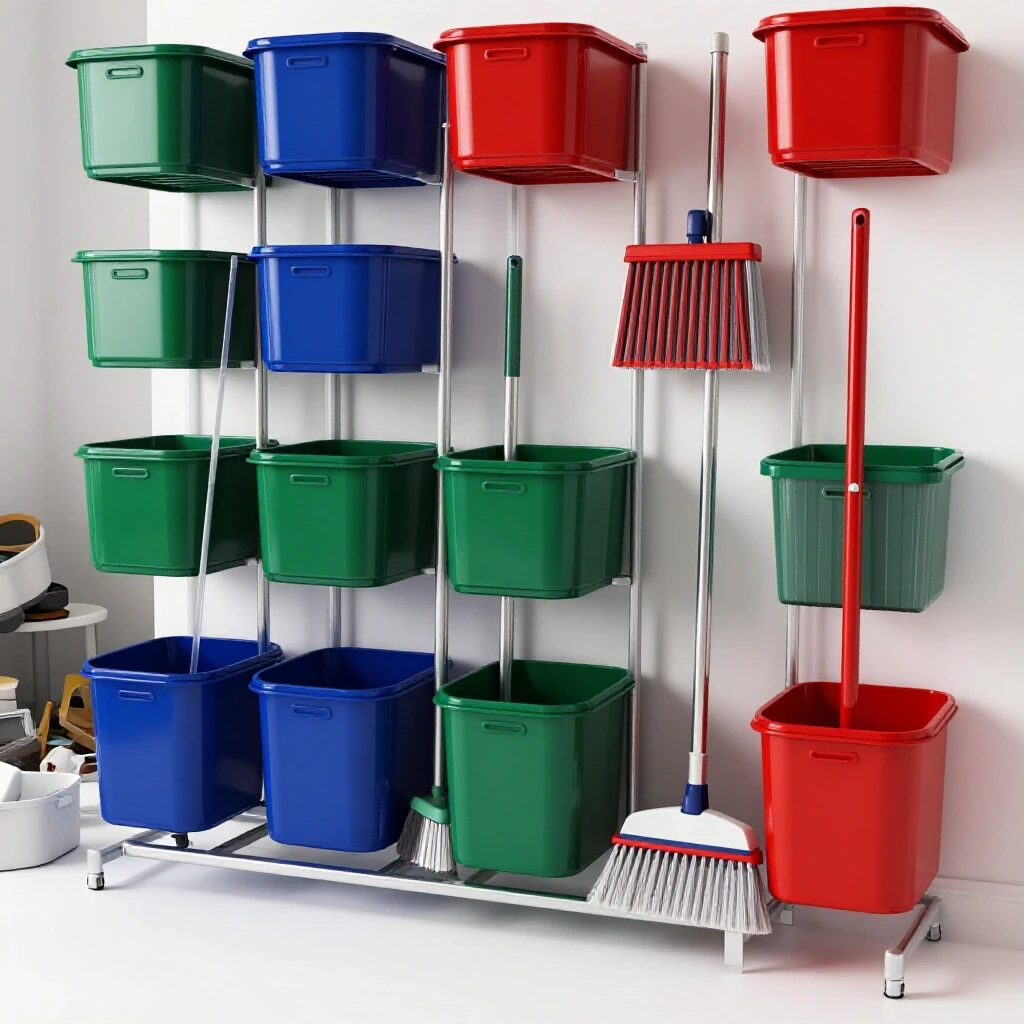
| Tiered Pull-out Shelf | 2 Steps | Medium | Medium | Hair products, cleaning supplies |
| Stackable Lidded Box | 4+ Steps | Low | Very High | Rarely used items only |
As shown in the table above, the “What Stayed” items in our home are almost exclusively housed in open acrylic trays or tiered pull-out shelves. This reduces the retrieval steps, which is the key to preventing the space from reverting to a cluttered state.
Why Functional Systems Outperform Visual Ones
Functional home storage prioritizes the ease of returning an item to its spot over how the space looks when the doors are closed. Many professional systems fail because they rely on “perfectionist” layouts that are impossible for a busy family to maintain on a Tuesday morning.
Interestingly, when I looked at our decluttering journey, the systems that survived were the ones that accounted for human laziness. In logistics, we call this “designing for the least disciplined user.” If my kids have to open a lid, move a tray, and then find a specific slot for their hairbrush, they will simply leave it on the counter. If they can just drop it into a designated open bin, the counter stays clear.
We also focused on multi-purpose grooming products to reduce the total number of items. Instead of five different lotions, we kept one high-quality, versatile cream. This reduced the “item density” of the cabinet, which is a metric that measures how many objects occupy a square foot of shelf space.
Sorting Log and Item Density Metrics
- Standard Item Density: Aim for no more than 15 items per square foot in a primary zone to maintain easy access.
- Sorting Time-Box: Spend no more than 10 minutes a week auditing the space to ensure the “What Stayed” list hasn’t grown.
- Space Utilization: Aim for 70% occupancy. Leaving 30% of the shelf empty allows for “air” in the system, making it easier to move things around.
Aligning Family Behavior with Storage Logic
Family behavior alignment is the process of creating organization systems that match the natural habits of every household member. Instead of trying to change how your family acts, you change the system to fit their existing movements and tendencies.
In our home, we noticed that my spouse and I have very different “sorting speeds.” I am comfortable with more complex systems, while she prefers total simplicity. To bridge this gap, we implemented a “one-handed rule” for the items that stayed. If you can’t retrieve and replace the item with one hand, the system is too complex.
We also used labeling, but not in the way you might think. Instead of labeling every tiny bottle, we labeled the zones. A simple tag that says “Hair” or “Dental” on a shelf edge provides a visual anchor. This reduces the mental fatigue of deciding where something goes.
Steps for Implementing a Low-Maintenance Labeling System
- Identify the Category: Group items by use (e.g., First Aid, Shaving).
- Choose High-Contrast Labels: Use clear, bold text that can be read without glasses in the morning.
- Place Labels at Eye Level: Ensure the “address” of the item is visible before you even reach for it.
- Use Digital Tracking for Bulk: For items kept in the tertiary zone (like extra soap), use a simple digital list or a QR code on the cabinet door to track inventory without digging.
Sustainable Habit Loops for Long-Term Order
A habit loop consists of a cue, a routine, and a reward. In the context of home organization systems, the cue is finishing your morning routine, the routine is placing items back in their zones, and the reward is a clear counter and a stress-free exit from the house.
Maintaining a tidy space isn’t about deep cleaning once a month; it’s about “micro-sorting” every day. In our house, this takes an average of 90 seconds. Because we reduced the number of items and lowered the friction of the storage gear, the “reset” is almost automatic.
We also established a “maintenance timeline” based on our family size. For a family of four, the volume of movement in a bathroom cabinet is high. We found that a quick “spatial audit” every Sunday night prevented the slow creep of unnecessary items.
Daily Maintenance Timelines by Family Size
- Single Professional: 30 seconds daily / 5-minute weekly audit.
- Couple: 1 minute daily / 10-minute weekly audit.
- Family of 4: 2 minutes daily / 15-minute weekly audit.
- Large Household (5+): 3 minutes daily / 20-minute weekly audit.
The Role of Modern Storage Gear in Reducing Friction
Modern storage solutions have evolved beyond simple boxes. We now have access to modular units, glide-out tracks, and smart-label systems that are specifically designed to handle the unique challenges of under-sink plumbing and deep cabinets.
When selecting gear for the items that stayed, I looked for “heavy-duty” configurations. This doesn’t mean they have to be metal; it means they need to withstand the humidity of a bathroom and the frequent tugging of children. We chose modular units that could be reconfigured as our needs changed. This flexibility is a hallmark of a sustainable system.
- Modular Acrylic Drawers: These allow for vertical stacking while keeping contents visible.
- Over-the-Door Organizers: Excellent for reclaiming “dead space” for lightweight items like hair ties or cotton pads.
- Expandable Under-Sink Racks: These are designed to fit around pipes, maximizing the 4.5 cubic feet of volume typically found in a standard vanity.
- Magnetic Strips: Perfect for small metal tools like tweezers or bobby pins, keeping them off the bottom of the drawer.
Practical Next Steps for Your Spatial Audit
To begin your own transition toward a high-efficiency system, start with a diagnostic audit. Don’t look at what you want to get rid of; look at what you actually use every single day. These are the items that earn a place in your primary zone.
Next, measure your space. Most people buy bins and then try to fit them in. In logistics, we measure the “cube” first. Know the width, depth, and height of your cabinet, including the clearance needed for the door hinges. This ensures that the storage solutions you choose will actually function in the space.
Finally, commit to the “70% rule.” Never fill a shelf or a bin to more than 70% capacity. This extra space is the “buffer” that prevents the system from breaking down when you’re in a hurry. It allows you to see everything at a glance and move items without causing a mess.
Key Takeaways for a Functional Vanity
- Prioritize the Golden Zone: Keep daily essentials at waist-to-eye level.
- Lower the Friction: Use open bins and one-handed retrieval systems.
- Focus on Retention: Only keep what supports your active daily routines.
- Design for the User: Make the system easy enough for the least organized family member.
- Maintain the Buffer: Keep 30% of your storage volume empty to prevent overcrowding.
Frequently Asked Questions
Why does my bathroom cabinet get messy again so quickly?
Clutter reversion usually happens because the “retrieval friction” is too high. If it takes too many steps to put something away, or if the bin is too deep and opaque, items will end up on the counter or shoved in the front. A sustainable system requires low-friction storage where every item has a visible, easy-to-reach home.
What are the most important items to keep in a primary storage zone?
Your primary zone should hold items used at least once every 24 hours. This typically includes your toothbrush, daily cleanser, deodorant, and any daily medications. By limiting this zone to high-frequency items, you reduce the time spent searching and keep the most important tools accessible.
How do I choose the right bins for a deep cabinet?
For deep cabinets, pull-out drawers or “long and lean” bins are best. These allow you to access items at the back without removing everything in the front. Avoid deep, wide baskets where items can get buried at the bottom, as this leads to “out of sight, out of mind” clutter.
Is labeling really necessary for a small family bathroom?
Labeling isn’t about identification; it’s about “spatial anchoring.” It provides a clear visual cue for where an item belongs, which is especially helpful for children and busy adults. It reduces the “micro-decisions” required to maintain order, which helps prevent mental fatigue.
How can I maximize the space around under-sink plumbing?
Use expandable under-sink organizers or tiered shelving units designed to wrap around pipes. You can also use the back of the cabinet doors for small, flat items. Utilizing the vertical height of the cabinet with stackable drawers is the most effective way to increase your storage volume.
How many items should I ideally have in my daily grooming kit?
While there is no magic number, logistics principles suggest keeping the “item density” low. Aim for a kit that fits comfortably in a single tray or drawer without overlapping. For most people, this is between 7 and 12 essential items.
What is the “one-handed rule” in home organization?
The one-handed rule states that you should be able to retrieve and replace your most-used items using only one hand. If you have to move a lid, unstack a box, or shift other items out of the way, the friction is too high for a high-traffic area like a bathroom.
How often should I audit the contents of my vanity?
A quick 5-minute spatial audit once a week is usually enough to keep the system running smoothly. This prevents the accumulation of empty bottles or items that belong in other parts of the house, ensuring your “What Stayed” list remains accurate.
Can decor items be part of a functional storage system?
Yes, but they should be “storage-efficient.” For example, a beautiful tray can serve as a boundary for your daily items, or a decorative jar can hold cotton swabs. The key is that the decor must serve a functional purpose or have a very small footprint.
What should I do if my cabinet is too small for all my essentials?
If you exceed the “spatial capacity” of the cabinet, you must look at “outflow.” Consider moving bulk backstock (like extra toilet paper or large shampoo bottles) to a linen closet or a different storage area. Keep only the active, daily-use versions in the high-traffic vanity zone.
How do I get my kids to follow the new organization system?
Design the system for their height and physical ability. Use open bins without lids and clear labels with pictures if they are young. The easier it is for them to “drop and go,” the more likely they are to maintain the system.
What is “visual processing overload” and how do I avoid it?
Visual processing overload happens when there are too many items for your eyes to scan quickly. You can avoid this by using clear containers, grouping similar items together, and leaving empty space between groups. This makes the space feel calmer and more organized.
(This article was written by one of our staff writers, Christopher Bennett. Visit our Meet the Team page to learn more about the author and their expertise.)