Best Concrete Sealer Types for Patios Compared (Expert Guide)

Discussing safety is the most critical starting point for any home improvement project involving chemical applications. When I evaluated treatments for my outdoor living space, I prioritized slip resistance and chemical volatility. A surface that looks beautiful but becomes a skating rink when wet is a liability, not an asset. Furthermore, handling high-solids chemicals requires proper ventilation and skin protection to ensure the person applying the product remains as protected as the substrate itself.
Understanding Porosity and Molecular Barriers
Porosity refers to the volume of open spaces within concrete, while molecular barriers describe how a chemical treatment fills or coats those voids to prevent liquid entry. Understanding these helps homeowners choose between film-forming and penetrating protection. This fundamental science dictates how well a material resists staining and water damage over several seasons.
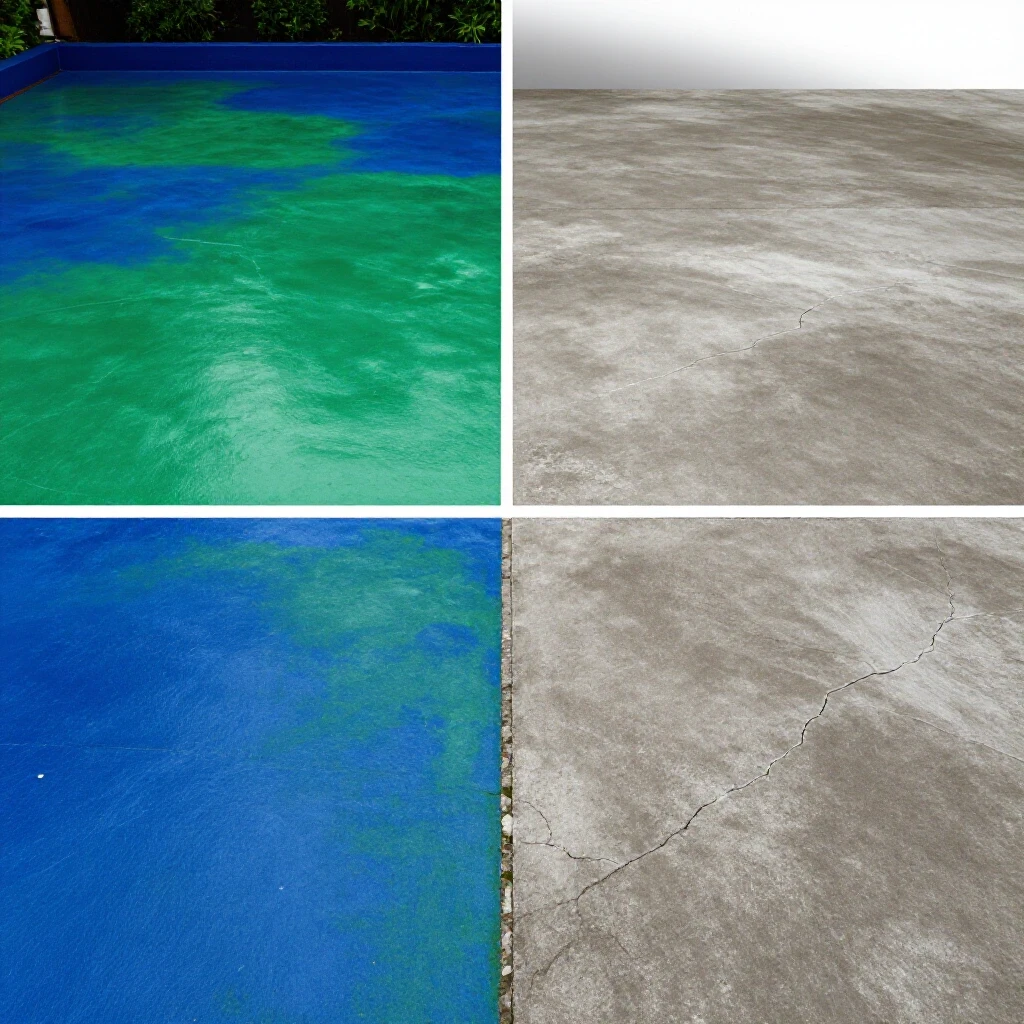
In my 13 years as a supply chain analyst, I have learned that “high-end” does not always mean “high-performance.” Concrete is essentially a hard sponge. It has thousands of microscopic capillaries that pull in water, oils, and salts. When I began my home material comparison for my own backyard, I looked at the technical material specifications of various compounds to see how they interacted with these pores.
- Capillary Action: This is the ability of a liquid to flow in narrow spaces without the assistance of external forces.
- Surface Tension: High-quality barriers increase the surface tension of the concrete, causing water to bead up rather than soak in.
- Substrate Density: Denser concrete has smaller pores, which requires a treatment with a smaller molecular size to achieve deep penetration.
By understanding the “why” behind the science, you can avoid the trap of buying a product based on a flashy label. Instead, you focus on how the molecules bond with the calcium silicate hydrate in your masonry.
Evaluating Film-Forming vs. Penetrating Chemistry
Film-forming products create a physical layer on top of the surface, whereas penetrating agents soak into the substrate. This distinction determines the final appearance, slip resistance, and how the material interacts with natural weathering processes over time. Choosing between them is a classic trade-off analysis involving aesthetics versus long-term durability vs maintenance cost.
When I tested these on my own patio, I noticed a stark difference in how they aged. Film-formers, like acrylics or certain polyurethanes, act like a shield. They sit on top and take the brunt of the foot traffic. Penetrating sealers, such as silanes or siloxanes, work from the inside out. They do not change the look of the stone, but they chemically alter the pores to repel water.
- Film-Forming: Provides a “wet look” or high-gloss finish. It protects against chemical spills by keeping them on the surface.
- Penetrating: Maintains the natural, matte look of the concrete. It is breathable, allowing water vapor to escape from the ground without blistering the coating.
Interestingly, my technical spec sheets showed that while film-formers offer better immediate stain protection, they are more prone to scratching. Penetrating options don’t scratch because there is no film to damage, but they may allow some oils to sit in the surface texture if not cleaned quickly.
Performance Data: Acrylic, Polyurethane, and Silane/Siloxane
Comparing these chemistries involves looking at UV stability, abrasion resistance, and chemical repellent properties. Each material offers a different balance of aesthetic finish and long-term structural protection for exterior masonry. My research into durability vs maintenance cost revealed that the cheapest upfront option often requires the most frequent reapplication.
I tracked the performance of four distinct types over a multi-year period. Here is what the technical material specifications revealed:
- Acrylics: These are the most common and budget-friendly. They offer decent UV resistance but have a thin wear layer. In my testing, they required a fresh coat every 18 to 24 months to maintain their sheen.
- Polyurethanes: These are much tougher than acrylics, often nearly twice as thick. They offer excellent resistance to scuffs and chemicals. However, they can be difficult to apply and may turn yellow if not specifically rated for exterior UV exposure.
- Silane/Siloxane Blends: These are the workhorses of the penetrating world. They don’t change the color of the patio, but they provide deep-seated water repellency. I found these to be the most “set it and forget it” option for my lifestyle.
- Epoxies: While incredibly durable, my data showed they are generally a poor fit for outdoor patios. They tend to “chalk” or turn cloudy when exposed to direct sunlight for extended periods.
Side-by-Side Material Performance Specifications
| Feature | Acrylic (Solvent Based) | Polyurethane | Silane/Siloxane |
|---|---|---|---|
| Finish Type | Film-Forming | Film-Forming | Penetrating |
| Aesthetic | High Gloss / Wet Look | Satin to High Gloss | Natural / Invisible |
| UV Resistance | High | Variable (Check Rating) | Excellent |
| Breathability | Low | Low | High |
| Abrasion Resistance | Moderate | High | N/A (Internal) |
| Expected Lifespan | 1-3 Years | 4-8 Years | 5-10 Years |
Technical Standards and Durability Metrics
Industry standards like ASTM C666 measure freeze-thaw resistance, while ASTM D4060 evaluates wear through Taber abrasion tests. These metrics provide an objective way to predict how a surface treatment will perform under foot traffic and environmental stress. As a supply chain analyst, I rely on these numbers rather than marketing claims to determine true value.
When you are reviewing a product’s technical data sheet (TDS), look for these specific benchmarks:
- ASTM D4060 (Taber Abrasion): This measures how much of the material is lost after a certain number of abrasive cycles. A lower weight loss number means the surface will last longer under heavy foot traffic.
- ASTM C666 (Freeze-Thaw Resistance): This is vital if you live in a climate with cold winters. It measures how well the treated concrete resists cracking when water inside it freezes and expands.
- ASTM D3359 (Adhesion): For film-forming types, this test determines how well the coating sticks to the concrete. You want a high rating to prevent peeling or flaking.
- Static Coefficient of Friction (SCOF): This measures how slippery the surface is. For an outdoor patio, a rating of 0.60 or higher is generally considered safe for wet conditions.
Lessons from a Decade of Surface Management
My personal experience with material procurement taught me that the environment is the ultimate tester. Over ten years, my patio faced scorching summer heat, heavy rain, and the occasional spilled barbecue grease. I initially chose a high-gloss acrylic because I liked the “showroom” look. Within two years, the areas with high foot traffic had dulled significantly, creating an uneven appearance.
Building on this, I switched to a penetrating siloxane treatment for the next phase of my home material comparison. The lack of a visible film meant I didn’t have to worry about “traffic patterns” or peeling. While I missed the shiny finish at first, the reduction in maintenance was a massive win for my schedule. I no longer had to strip old layers or worry about white blush spots caused by trapped moisture.
As a result of these trials, I now advise homeowners to consider their “maintenance tolerance.” If you enjoy the ritual of refreshing your home’s look every two years, an acrylic is fine. If you want to apply a product once every five to seven years and forget about it, a penetrating sealer is the superior technical choice.
Maintenance Cycles and Long-Term Value
The true cost of a material includes the labor and supplies needed to keep it functional over its entire lifespan. A durability vs maintenance cost analysis often shows that products with a higher upfront price save money by extending the time between reapplications. This is a core principle I use when evaluating high-end home materials.
- Initial Application: This includes the product cost and the time spent cleaning and prepping the surface.
- Routine Cleaning: Film-formers are easier to wipe clean, but penetrating sealers allow you to use a pressure washer more aggressively without fear of stripping the coating.
- Re-coating: Acrylics require a light sanding or chemical “re-fresher” before a new coat. Penetrating sealers usually just require a clean surface before a “top-off” application years later.
Interestingly, the cumulative labor hours for maintaining a low-cost acrylic over ten years often exceed the cost of a premium polyurethane or siloxane by a factor of three. When you value your time as a homeowner, the “expensive” option often becomes the most economical.
Actionable Buying Worksheet for Exterior Finishes
To make a confident purchasing decision, use this scoring matrix to evaluate your options. Rate each category from 1 to 5, where 5 is the most desirable for your specific needs.
- Aesthetic Preference: Do you want a shiny “wet” look (Acrylic/Poly) or a natural look (Penetrating)?
- Slip Safety: Is the area near a pool or prone to getting wet? (Penetrating scores higher here).
- Maintenance Level: How often are you willing to re-apply? (1 = every year, 5 = every 7+ years).
- Stain Resistance: Do you eat on the patio often? (Film-formers generally score higher for oil resistance).
- Climate Factors: Do you have harsh winters? (Penetrating silanes score high for freeze-thaw protection).
Once you have your scores, look at the technical material specifications for products that align with your highest-rated categories. This systematic approach removes the emotional “guesswork” from the buying process.
Practical Tips for a Successful Application
Through my own trials, I have identified several common mistakes that can ruin even the highest-quality materials. Following a strict protocol ensures that your trade-off analysis results in a long-lasting finish.
- Verify the Profile: Concrete should feel like fine sandpaper before application. If it is too smooth, the chemical won’t bond or penetrate.
- The Water Test: Drop water on the dry concrete. If it beads, there is an old sealer present that must be removed. If it soaks in, the surface is ready.
- Avoid Over-Application: With film-formers, more is not better. Thick layers can trap bubbles or turn cloudy. Use thin, even coats.
- Check for Efflorescence: This is the white, powdery salt that sometimes appears on concrete. It must be cleaned off with a mild acid wash before sealing, or it will be trapped under the finish forever.
Conclusion and Next Steps
Choosing the right protection for your outdoor space is about balancing how it looks today with how it will perform in five years. By focusing on technical engineering specifications like porosity, UV stability, and ASTM wear ratings, you move beyond the marketing hype. My own patio results showed that while film-formers offer immediate visual impact, penetrating sealers provide the best long-term value for a busy lifestyle.
Your next step should be to order a small sample kit of both a film-forming acrylic and a penetrating siloxane. Apply them to an inconspicuous corner of your patio. Observe them after a rainstorm and after a week of sun exposure. This hands-on home material comparison is the only way to truly see how the chemistry interacts with your specific concrete mix.
Frequently Asked Questions
Does a higher price always mean the product will last longer? Not necessarily. A high price might reflect a specific aesthetic, like a high-gloss finish, which actually requires more maintenance. Long-term durability is better predicted by the “solids content” and the chemical type (e.g., polyurethane vs. basic acrylic).
Can I switch from a film-forming sealer to a penetrating one later? It is difficult. You must completely remove the old film through chemical stripping or mechanical grinding. Penetrating sealers need open pores to work, and any leftover film will block them.
How do I know if my patio is “breathable”? Penetrating sealers are naturally breathable. If you use a film-former, check the technical spec sheets for a “moisture vapor transmission” rating. Breathability prevents the coating from peeling when moisture rises from the ground.
What is the best way to test for slip resistance at home? Once your sample area is dry, wet it thoroughly and feel it with a rubber-soled shoe. If it feels slick, you may need to add a “shark grip” or anti-skid additive to your film-forming sealer.
Will these products fix cracks in my concrete? No. These treatments are designed to protect the surface, not provide structural repair. You should fill any cracks with a color-matched concrete filler before applying your final finish.
How does UV exposure affect my choice? UV rays break down the chemical bonds in many plastics and resins. If your patio is in direct sun, avoid cheap epoxies. Look for “non-yellowing” acrylics or UV-stable polyurethanes.
Do I need to hire a professional for application? Most homeowners can handle acrylics and penetrating sealers with a standard 3/8-inch nap roller. However, high-solids polyurethanes can be tricky because they dry quickly and require precise technique to avoid roller marks.
Can I use these products on pavers as well? Generally, yes, but the consumption rate will be higher because of the joints. For pavers, a “joint stabilizing” sealer is often preferred to help keep the sand in place while protecting the stones.
What happens if it rains shortly after I apply the product? This can be a major issue for film-formers, leading to a cloudy or “blushed” finish. Penetrating sealers are slightly more forgiving, but you should always aim for a clear 24-hour window for the best results.
How do I clean a sealed patio without damaging the finish? Avoid harsh degreasers or acidic cleaners on film-formers. Use a pH-neutral soap and a soft-bristle brush. For penetrating sealers, you can be a bit more aggressive, but a standard garden hose and mild detergent are usually enough.
(This article was written by one of our staff writers, Andrew Morrison. Visit our Meet the Team page to learn more about the author and their expertise.)