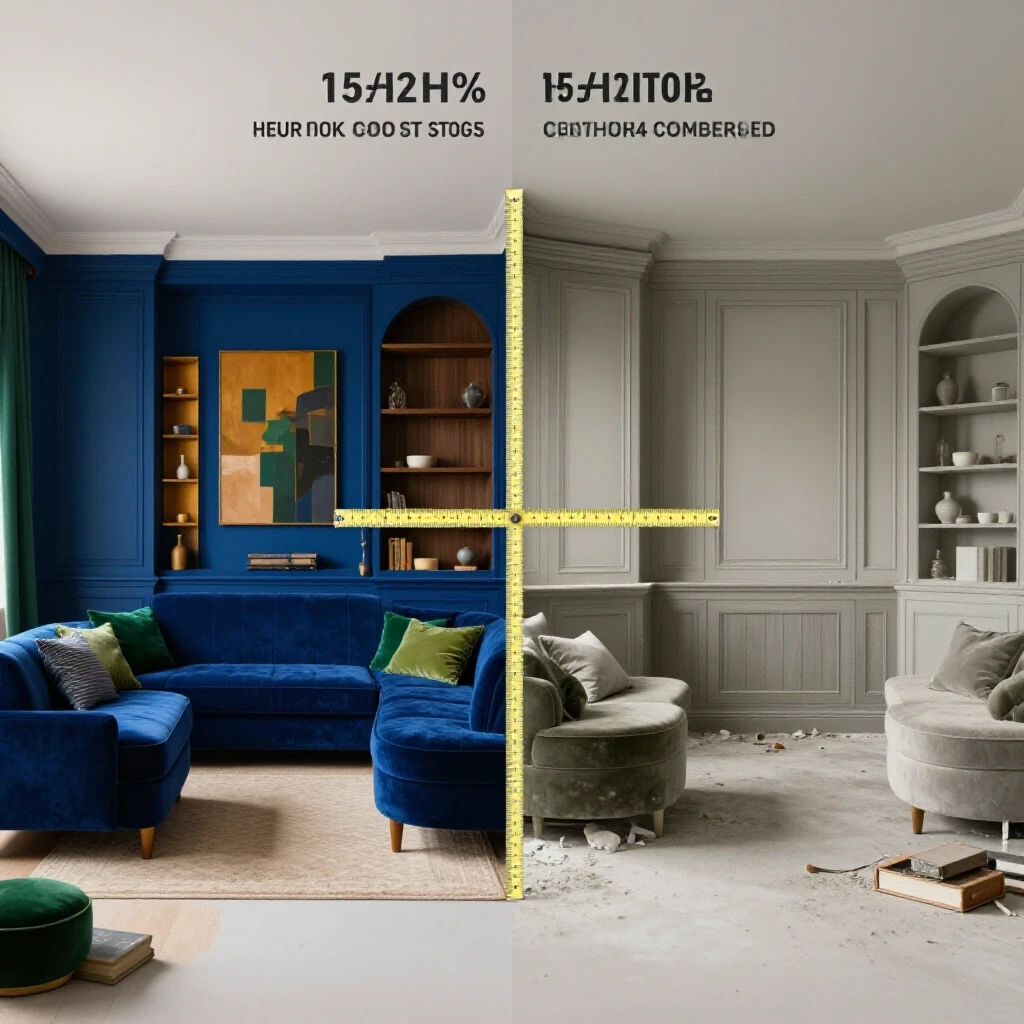
Custom vs Store-Bought Shelving: Which is Best for Your Home? (Guide)

The most expensive way to save money during a home remodel is to choose the cheapest materials available. It sounds like a contradiction, but in my 18 years as a project coordinator, I have seen “budget-friendly” choices turn into financial nightmares within two years. When you are planning a renovation, the choice between site-built millwork and mass-produced retail units is a primary example of this hidden cost trap.
During my first full-home renovation, I tried to save four thousand dollars by installing retail shelving in my home office. I thought I was being smart. Six months later, the shelves began to sag under the weight of my reference books. The laminate started to peel because of the humidity in the room. I ended up ripping them out and hiring a finish carpenter to build permanent units. I paid for the project twice. This guide is designed to help you avoid that specific mistake by understanding the real-world differences in quality, cost, and installation.
Defining the Scope of Interior Storage Solutions
The scope of work is a detailed document that describes every task a contractor must perform. For storage projects, this includes measuring the space, selecting materials, and deciding between permanent built-ins or modular units. A clear scope prevents “scope creep,” which is when a project grows in size and cost because the initial plan was too vague.
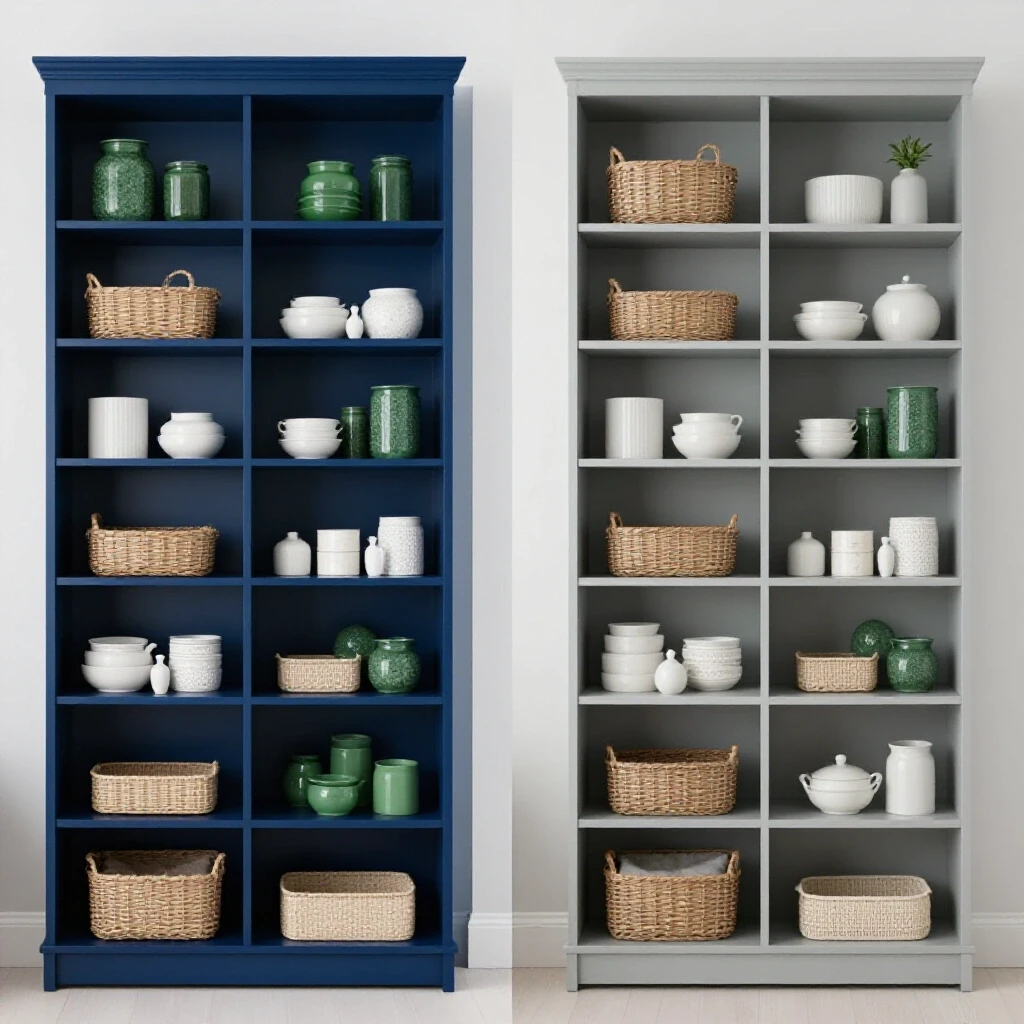
When you begin your residential renovation planning, you must decide if your storage needs are structural or decorative. Site-built millwork is integrated into the wall. It uses the house’s framing for support. Retail units are usually “floating” or attached with small brackets. In my experience, homeowners often underestimate the weight of their belongings. A standard shelf full of books can weigh over 50 pounds per linear foot. If the shelving is not anchored to the studs or built with high-grade plywood, it will fail.
- Site-Built: Fabricated on-site or in a local woodshop to fit exact wall dimensions.
- Retail Units: Pre-made boxes in standard sizes that often leave gaps at the ceiling or corners.
- Hybrid: Using retail boxes with custom trim to mimic a built-in look.
Financial Analysis: Estimating Fabrication vs. Retail Costs
Budget forecasting is the process of predicting the total cost of a project before it starts. It relies on historical data and current material prices to create a realistic financial map. For shelving, this means looking beyond the sticker price and accounting for labor, hardware, and the cost of future repairs.
Using data from RSMeans construction estimating resources, we can see a clear gap in pricing. A professionally installed custom unit typically ranges from $300 to $600 per linear foot. In contrast, a retail unit might cost $50 to $150 per linear foot. However, the “soft costs” of retail units, such as your time for assembly or the need for wall anchors, are rarely included in the initial estimate.
| Metric | Site-Built Millwork | Retail Pre-Fabricated Units |
|---|---|---|
| Cost per Linear Foot | $300 – $600 | $50 – $150 |
| Average Lifespan | 20+ Years | 3 – 7 Years |
| Installation Time | 2 – 5 Days | 4 – 8 Hours |
| Material Quality | 3/4″ Plywood / Solid Wood | Particle Board / MDF |
| Load Capacity | High (80+ lbs per foot) | Low to Moderate (20-40 lbs) |
I recommend a 15-25% contingency fund for any storage project. During a remodel of a 1920s bungalow, I discovered that the walls were nearly two inches out of plumb. This meant the retail units the homeowner bought would not sit flush. We had to spend $1,200 on custom trim just to hide the gaps.
Navigating the Construction Sequencing
Construction sequencing is the order in which different trades perform their work. Getting this wrong can lead to “re-work,” which is when you have to tear out new work to fix something that should have been done earlier. For shelving, the timing is critical to the final look and durability.
In a standard kitchen or bathroom remodel, storage should be planned during the “rough-in” phase. This is when the walls are open and the framing is visible. If you are going with heavy custom units, your contractor needs to add “blocking.” Blocking is the installation of extra wood between the studs to provide a solid surface for screws. If you wait until after the drywall is up, you are limited to the location of the existing studs.
- Demolition: Remove old shelving and inspect for mold or rot.
- Rough-in: Add structural blocking for heavy loads.
- Drywall and Paint: Finish the walls before installing retail units, or after installing custom units.
- Installation: Fit the shelving into the prepared space.
- Trim and Finish: Add baseboards or crown molding to integrate the unit into the room.
Managing Structural Surprises Behind the Drywall
A structural inspection checklist is a tool used to identify hidden problems before they become expensive. When you remove old shelving or prepare to install new units, you often find issues like outdated wiring, water damage, or pest infestations. These “surprises” are the number one cause of budget overruns.
During a master suite renovation I managed, we pulled back a closet system to find a slow leak from a roof vent. The wall studs were completely rotted. If we had simply slapped new retail shelving over that wall, the entire unit would have collapsed within a year. Instead, we had to pause for three days to replace the framing and treat the area for mold. This added $900 to the budget, but it saved the home’s integrity.
- Check for dampness or “musty” smells.
- Look for “frass” (insect droppings) or wood damage.
- Verify that no electrical wires are pinched or exposed.
- Ensure the wall is strong enough to support the intended load.
Vetting Skilled Carpenters for Custom Projects
Contractor management involves selecting the right professional for the job and overseeing their progress. Not all carpenters are the same. A “framing carpenter” builds the skeleton of the house. A “finish carpenter” handles the fine details like cabinets and shelving. You need a finish carpenter for high-quality storage.
When interviewing contractors, ask for photos of their “scribing” work. Scribing is a technique where the carpenter trims the edge of a board to follow the exact curve of an uneven wall. A good finish carpenter can make a shelf look like it grew out of the wall. If a contractor says they don’t need to scribe and will just use caulk to fill gaps, that is a red flag. Caulk will eventually crack and look unprofessional.
- Ask for three references from projects completed over a year ago.
- Verify their liability insurance and worker’s compensation.
- Request a written contract that includes a “punch list” process.
- Ensure they provide a firm timeline for fabrication and installation.
The Reality of Material Durability and Long-Term Use
A post-occupancy evaluation is a review of how a space performs after you have lived in it for a year. This is when the differences between materials become obvious. Mass-produced units often use “particle board,” which is made of compressed wood chips and glue. It is very heavy but structurally weak. If it gets wet, it swells and falls apart.
Custom units typically use “cabinet-grade plywood.” This material is made of thin layers of wood glued together in alternating directions. It is incredibly strong and resists warping. In my own home, I have plywood shelving that has held heavy cast-iron cookware for ten years without a single millimeter of sag. When you calculate the cost over ten years, the custom option often becomes cheaper because you never have to replace it.
- Plywood: High strength, moisture resistant, can be painted or stained.
- MDF (Medium Density Fiberboard): Smooth finish, good for paint, but heavy and prone to sagging.
- Particle Board: Lowest cost, very fragile, cannot be repaired if damaged.
- Solid Wood: Most expensive, beautiful, but can expand and contract with humidity.
Avoiding Common Design Errors in Storage Planning
Design errors often happen when homeowners focus on aesthetics over function. For example, making shelves too deep can make it impossible to find items at the back. A shelf deeper than 12 inches is usually overkill for books but necessary for linens. If you are building custom, you have the luxury of choosing depths that fit your specific needs.
Another common error is ignoring the “toe kick.” This is the recessed space at the bottom of a cabinet that allows you to stand close to the unit without stubbing your toes. Retail units often lack a proper toe kick, making them uncomfortable to use in a kitchen or pantry setting. A professional carpenter will always include a 3-inch by 4-inch toe kick for ergonomics.
- Measure your largest items before deciding on shelf height.
- Include at least one or two adjustable shelves for future flexibility.
- Plan for lighting; integrated LED strips are easier to install during custom fabrication.
- Consider the “swing” of nearby doors to ensure they don’t hit the shelving.
Effective Contractor Communication and Change Orders
A change order is a formal amendment to the original contract. It happens when you decide to change the design or when a hidden problem is found. Change orders are where many homeowners lose control of their budget. To prevent this, every change must be documented in writing with a clear price and a signature from both parties.
In my years of coordination, I found that the best way to manage change orders is to have a “no-verbal-agreements” rule. If a contractor suggests a change on-site, ask them to email the cost impact before any work proceeds. This creates a paper trail and prevents disputes at the end of the project when the final bill arrives.
- Track all changes in a simple spreadsheet.
- Never pay more than 10-15% of the total project cost as an upfront deposit.
- Link payments to specific milestones (e.g., “Materials Delivered,” “Carcase Installed”).
- Keep a 10% “retainage” fee until the final punch list is finished.
Conclusion and Next Steps for Your Project
Choosing between site-built storage and retail options is a balance of immediate budget and long-term value. While retail units offer a lower entry price, they often lack the durability and precision fit required for a major residential renovation. If your budget is tight, I recommend choosing custom builds for high-traffic areas like kitchens and living rooms, while using retail units for low-impact areas like guest closets.
To move forward, start by measuring your space and creating a basic sketch. Contact two or three finish carpenters for quotes and compare their material choices against the RSMeans standards mentioned here. By planning for structural blocking and vetting your contractors early, you can ensure your storage solutions last as long as the home itself.
Frequently Asked Questions
What is the primary difference between plywood and particle board?
Plywood is made of cross-grained wood layers, making it strong and resistant to sagging. Particle board is made of compressed wood dust and glue; it is cheaper but much weaker and can crumble if it gets wet or carries heavy loads.
How much should I expect to pay for a custom wall-to-wall unit?
Based on current industry data, expect to pay between $2,500 and $5,000 for a standard 8-foot wide unit, including materials and labor. This price can increase if you choose premium hardwoods or complex lighting.
Can I install retail shelving myself to save money?
Yes, but you must be able to locate studs and use a level. If your walls are not straight, you will also need basic carpentry skills to add trim and hide gaps. If the installation is not secure, the unit could tip and cause injury.
Do built-in shelves actually increase a home’s resale value?
Yes. Quality built-ins are considered “permanent fixtures” and are often highlighted in real estate listings. They suggest a higher level of craftsmanship and provide functional storage that buyers value.
What is a “scribe” and why does it matter?
Scribing is the process of fitting a straight piece of wood to an uneven surface. It matters because no wall is perfectly flat. Without scribing, you will see ugly gaps between your shelving and the wall.
How long does a custom shelving project usually take?
The fabrication in a shop can take 3 to 6 weeks. Once the materials arrive at your home, the actual installation and finishing usually take 2 to 4 days.
Should I paint my shelves before or after installation?
Custom units are often “primed” in the shop and receive a final coat of paint after they are installed and the nail holes are filled. Retail units come pre-finished and cannot easily be repainted.
What is the best way to handle a dispute with a carpenter?
Always refer back to your written contract and scope of work. If the work does not meet the agreed-upon standards, do not release the final payment until the issues on your punch list are resolved.
How do I know if my wall needs extra blocking?
If you are planning to hang more than 50 pounds on a shelf and the studs do not align with your design, you need blocking. A professional will check this during the “rough-in” phase.
Can I mix custom and store-bought units?
Yes. This is a common strategy. You can use retail “boxes” for the internal structure and have a carpenter add custom doors, face frames, and crown molding to give it a high-end, built-in appearance.
What is the most common reason for shelving failure?
The most common reason is overloading the shelves beyond their material capacity or failing to secure the unit to the wall studs. This causes the shelves to bow or the entire unit to pull away from the wall.
How do I maintain my shelving over time?
For painted units, wipe them with a damp cloth and avoid harsh chemicals. For stained wood, use a wood-safe cleaner. Periodically check the hardware and screws to ensure everything remains tight and secure.
(This article was written by one of our staff writers, David Langford. Visit our Meet the Team page to learn more about the author and their expertise.)