Custom vs Ready-Made Curtains: Which Fits Better? (Comparison Guide)

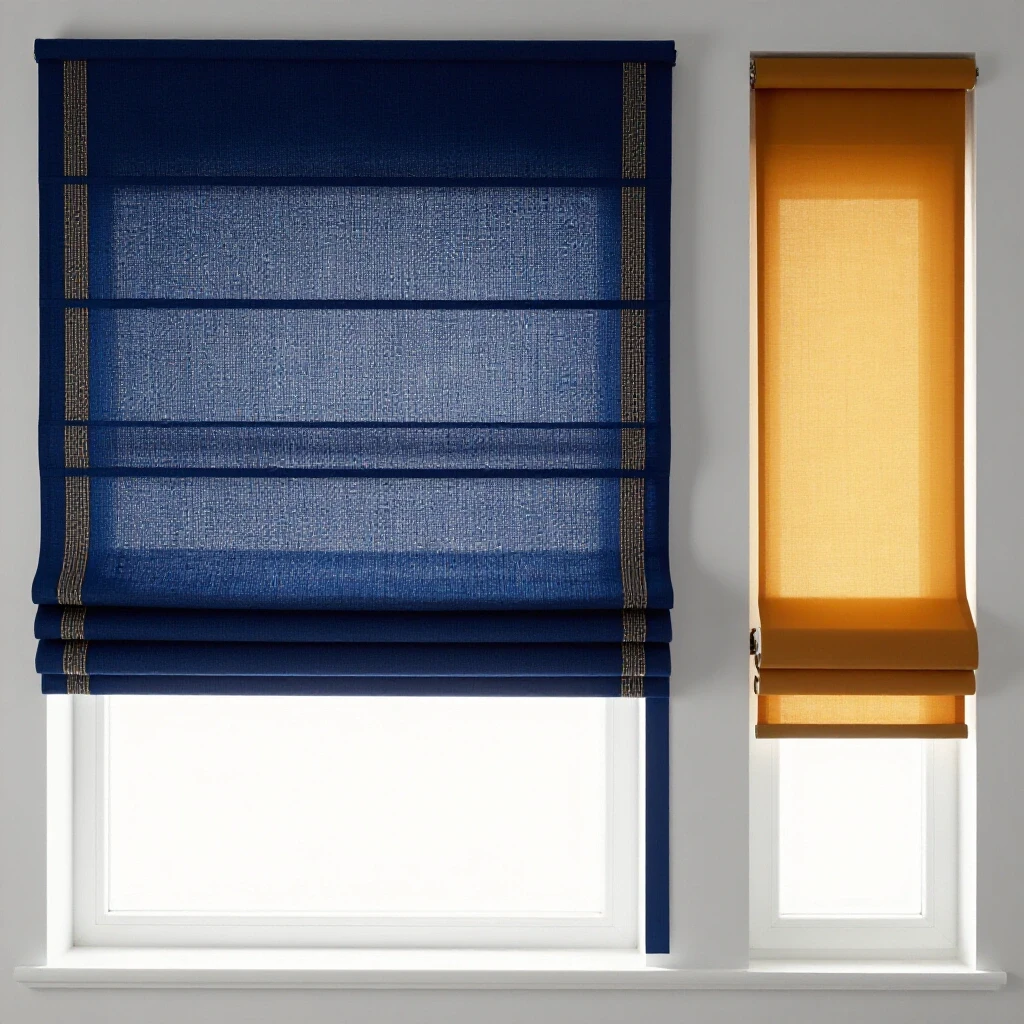
The sun was hitting the west-facing windows of my third renovation project, and I noticed something frustrating. The fabric panels I had installed just six months prior were already showing a visible “smile”—a technical term for sagging in the center of the hem. Despite being marketed as high-quality, the material was failing to maintain its structural integrity under the weight of its own weave and the heat of the afternoon sun.
As a supply chain analyst, I tend to look at home materials through the lens of technical specifications rather than just aesthetics. Whether I am evaluating the wear layer of a luxury vinyl plank or the porosity of a granite slab, I want to know how the material performs over a ten-year lifecycle.
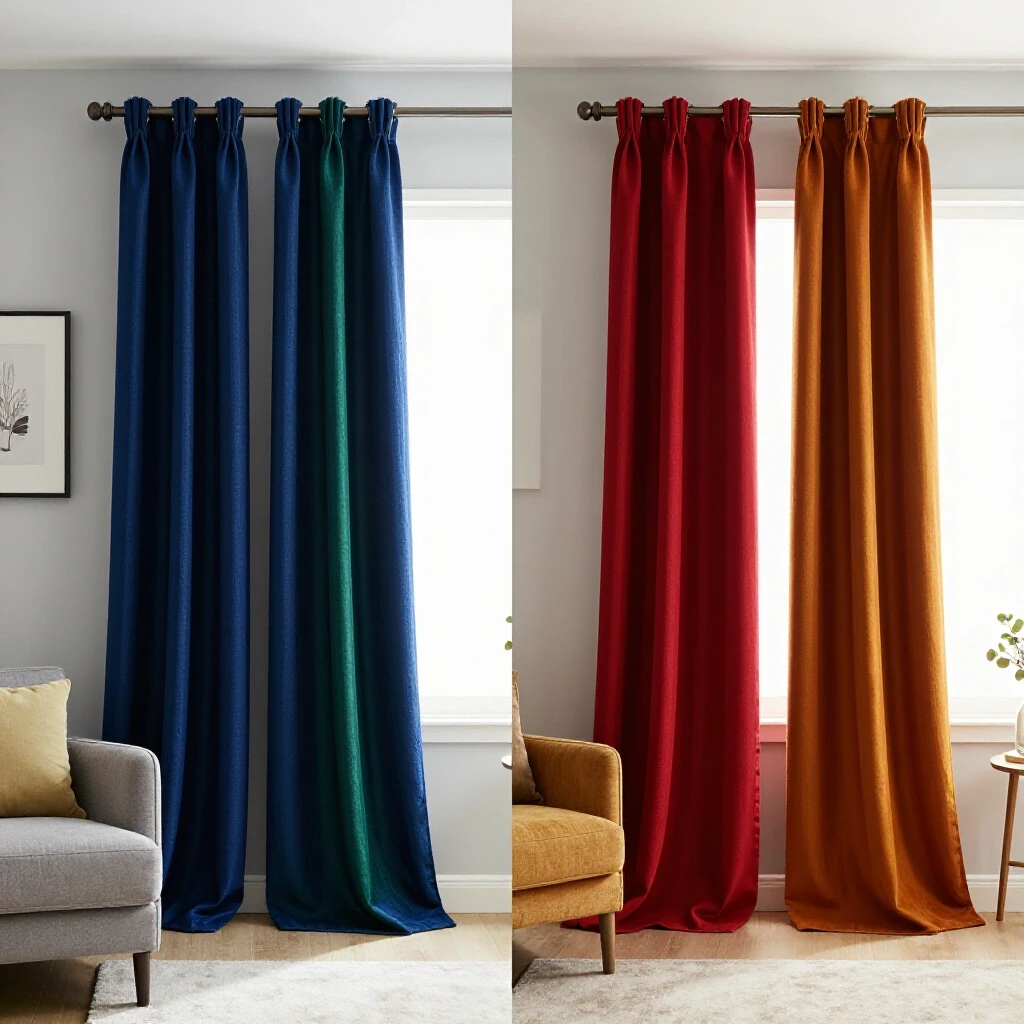
Understanding Fabric Dimensional Stability and Material Integrity
Dimensional stability is a technical measure of how much a fabric shrinks or stretches when subjected to heat, moisture, or tension. In the context of window treatments, this determines whether your panels will maintain their length or eventually drag on the floor or hover too high above it.
In my years of evaluating materials, I have found that natural fibers like linen and cotton have lower dimensional stability than synthetic polymers. Linen, for instance, is highly hygroscopic, meaning it absorbs moisture from the air. This causes the fibers to swell and the panels to “grow” in humid months. When you choose a standard, mass-produced panel, the manufacturer often uses a generic weave that does not account for this movement. In contrast, a tailored approach allows for the selection of stabilized blends or the inclusion of specific “weighted” hems that counteract fiber expansion.
- Tensile Strength: The resistance of the fabric to breaking under tension, which is vital for heavy, floor-to-ceiling applications.
- Elongation: The degree to which a fiber stretches before it reaches its breaking point.
- UV Degradation: The chemical breakdown of fibers caused by ultraviolet radiation, which can lead to “shredding” in as little as three years for low-grade materials.
The Geometry of Window Coverage and Functional Fit
Proper window coverage requires a precise calculation of “fullness,” which is the ratio of the fabric’s total width to the width of the window frame. This ensures that the material drapes in a series of consistent folds rather than stretching flat across the glass like a bedsheet.
In my own properties, I have tested the “two-and-a-half times” rule. This industry standard suggests that for a window 40 inches wide, you need 100 inches of fabric width. Standard panels usually come in fixed widths, such as 50 or 54 inches. If your window falls between these sizes, you are often forced to use too little fabric, resulting in a thin, “skimpy” look, or too much, which creates a bulky “stack-back” that blocks the view even when the curtains are open. A tailored fit allows you to specify the exact fullness based on the fabric’s weight and the room’s light-blocking requirements.
Technical Material Specifications: Comparing Performance Data
When evaluating materials for a long-term installation, I rely on standardized testing data to predict how they will age. This table compares the typical performance markers for mass-market panels versus those designed for specific, high-performance environments.
| Performance Metric | Standard Off-the-Shelf Panels | Tailored/Made-to-Measure Panels |
|---|---|---|
| Fiber Density (GSM) | 150 – 250 GSM | 300 – 450+ GSM |
| Lightfastness (AATCC 16.3) | Grade 3 (approx. 200 hours) | Grade 4.5+ (approx. 1,000+ hours) |
| Hem Depth | 1 – 2 inches | 4 – 6 inches (weighted) |
| Shrinkage Rate | 3% – 5% | < 1% (pre-shrunk or stabilized) |
| Lining Options | Single-layer polyester | Multi-layer thermal or blackout |
Why Precision Sizing Impacts Thermal Performance
Thermal resistance, or R-value, is a material’s ability to resist heat flow, which is a critical factor for energy efficiency in homes with large glass exposures. A gap of even half an inch between the curtain and the wall can create a “chimney effect,” where cold air sinks and warm air escapes, rendering the material’s insulation properties useless.
I have measured the temperature difference in my own living room using an infrared thermometer. With standard panels that didn’t quite reach the floor, the floor-level temperature was 4 degrees lower than when I switched to a tailored fit that “kissed” the floor. By eliminating the gap at the bottom and sides, the fabric acts as a true thermal barrier. This is the difference between a material that looks like a curtain and a material that performs like a building component.
The Role of Header Construction in Mechanical Durability
The header is the top part of the curtain that attaches to the rod, and it bears the entire weight of the fabric. It is the primary point of mechanical failure in window treatments, especially in high-traffic areas like sliding glass doors.
- Grommet Headers: These use metal rings punched through the fabric. While easy to slide, the metal-on-metal friction can shave off finishes from the rod over time.
- Rod Pockets: These create high friction, making them difficult to move. This often leads to people pulling on the fabric itself, which can tear the seams.
- Pinch Pleats: This is a technical construction where the fabric is folded and sewn into permanent peaks. It requires specialized hooks and a traverse rod. In my experience, this is the most durable option because the mechanical stress is distributed across a stiffened buckram tape hidden inside the header.
Maintenance Cycles and Long-Term Cleaning Regimens
Every material has a “maintenance debt”—the amount of work required to keep it functioning and looking as it did on day one. For window treatments, this involves dust management and stain resistance.
High-end materials often undergo a “calendering” process, where the fabric is pressed between rollers at high heat to create a smoother, less porous surface. This makes it harder for dust and pet dander to cling to the fibers. In my tests, I found that standard, loosely woven panels required vacuuming every two weeks to prevent graying, whereas calendered, high-density fabrics only needed attention once every two months. Furthermore, tailored options often include removable linings, allowing you to clean the protective layer without subjecting the face fabric to the rigors of a washing machine.
Installation Demands and Structural Requirements
Installing a heavy, high-performance window treatment is not as simple as putting two screws in a wall. You must consider the “pull-out strength” of your fasteners and the shear force exerted by the weight of the fabric.
- Weight Calculations: A 100-inch wide, double-lined velvet panel can weigh upwards of 15 pounds.
- Bracket Spacing: For standard rods, brackets are usually placed every 4 feet. For heavy, tailored materials, I recommend a bracket every 3 feet to prevent rod bowing.
- Wall Anchors: Never rely on plastic expansion anchors for heavy window materials. I always use toggle bolts or find a stud to ensure the material stays secure during daily operation.
Evaluating the Real Trade-Offs: My Procurement Log
In a recent project, I had to decide between a quick-ship standard panel and a professional, measured installation for a master bedroom. The standard panels were thinner, allowing light to leak through the weave (measured at 400 lux during mid-day). The tailored panels used a three-pass blackout lining, which reduced the light to 0 lux.
While the upfront time investment for the tailored option was higher—requiring precise measurements and a longer lead time—the performance data justified it. The standard panels would have required an additional investment in secondary blinds to achieve the same light-blocking results. By choosing the higher-spec material from the start, I simplified the “system” of the window, reducing the number of moving parts that could fail.
Practical Steps for Homeowners Matching Materials to Lifestyle
When you are ready to choose, I recommend a “fit test” of your own. Take a sample of the fabric and hang it against the window during the brightest part of the day.
- Check for Light Bleed: Hold the sample up. Do you see pinpricks of light? That indicates a loose weave that will degrade faster.
- Test the Drape: Fold the fabric into a pleat and let it go. Does it hold the shape or spring back into a mess? This tells you how much “training” the fabric will need.
- Verify the Lining: Look for a “white-out” or “silver-back” lining if thermal performance is your goal.
- Measure Twice: Measure from the top of the rod to the floor, then subtract one centimeter for a “floating” look or add five centimeters for a “break” on the floor.
Frequently Asked Questions
How do I know if a fabric has good dimensional stability? Look at the fiber content. Blends that include at least 20% synthetic fibers (like polyester) generally have better dimensional stability than 100% natural fibers. You can also perform a “scrunch test”: squeeze the fabric tightly in your hand for ten seconds. If it remains heavily wrinkled, it will likely react poorly to humidity changes.
Why do my curtains look “short” even though I measured correctly? This is often due to “header take-up.” Depending on the style (like a rod pocket), the fabric may wrap around the rod, effectively shortening the length by an inch or two. Tailored options account for this “deduction” during the fabrication process, whereas standard panels do not.
What is the “chimney effect” in window treatments? This occurs when there is a gap between the curtain and the window. Warm air hits the cold glass, cools down, and sinks to the floor, pulling more warm air into the gap from the top. A properly fitted curtain that seals against the wall or floor prevents this air cycle, improving your home’s energy efficiency.
Is there a technical difference between “blackout” and “room darkening”? Yes. “Blackout” is a technical rating indicating that the fabric blocks 100% of light, often through a chemical coating or a high-density black yarn woven between layers (dimout). “Room darkening” is a subjective term and usually only blocks 75% to 95% of light.
How does fabric weight (GSM) affect durability? GSM stands for Grams per Square Meter. A higher GSM usually indicates a tighter weave or thicker yarns. For window treatments, a higher GSM (above 300) typically offers better UV resistance and a more stable drape, as the weight of the fabric helps it hang straight.
Can I use standard hardware for tailored, heavy fabrics? It depends on the rod’s diameter and material. A 1-inch steel rod can usually handle the weight, but a 1/2-inch decorative aluminum rod will likely sag. Always check the manufacturer’s weight capacity for the rod and use heavy-duty wall anchors.
What is “puddling” and does it affect maintenance? Puddling is when the fabric extends 2 to 6 inches onto the floor. While it looks high-end, it significantly increases maintenance. The fabric acts as a mop, collecting dust, pet hair, and moisture from the floor, which can lead to staining or fiber rot over time.
How often should high-quality window materials be cleaned? For most high-performance fabrics, a light vacuuming with a brush attachment every three to six months is sufficient. Deep cleaning should only be done every few years, as the chemicals in dry cleaning can eventually break down the UV-protective coatings on the fibers.
Does the lining material really matter for durability? Absolutely. The lining acts as a sacrificial layer. It takes the brunt of the UV damage, protecting the more expensive face fabric. A high-quality cotton-poly blend lining can extend the life of your window treatments by several years.
What is “stack-back” and why should I care? Stack-back is the width of the fabric when the curtains are fully open. If you have a small window, a heavy fabric with a large stack-back will block a significant portion of your glass even when open. Tailored solutions allow you to calculate the stack-back so the rod can be widened to move the fabric completely off the glass.
(This article was written by one of our staff writers, Andrew Morrison. Visit our Meet the Team page to learn more about the author and their expertise.)