How to Declutter Without Buying Bins (Simple Home Organization Tips)

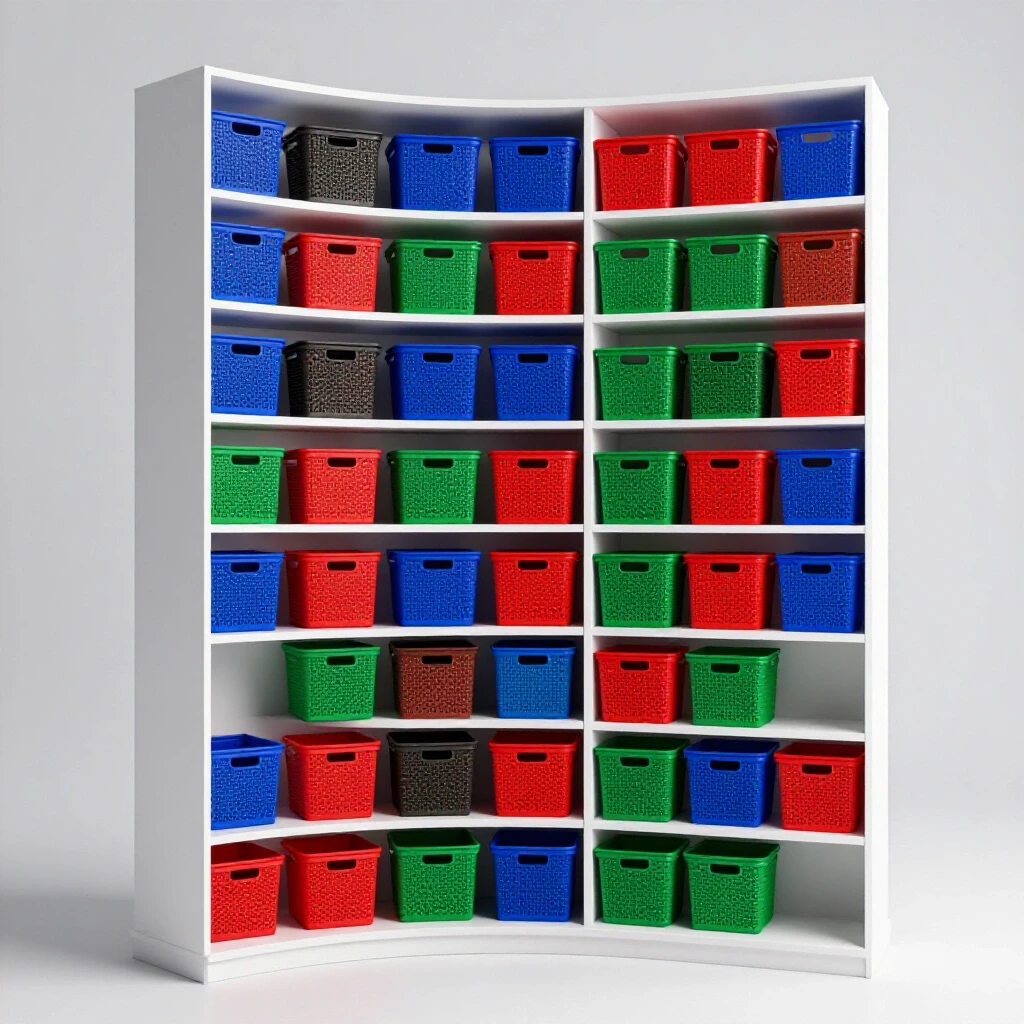
Managing a household often feels like running a small-scale logistics hub, but without the industrial equipment or the dedicated staff. In my 11 years working in operations, I have learned that the most effective systems are not the most expensive ones. They are the ones with the least amount of friction. Many families believe that the secret to a tidy home lies in a trip to a container store, but I have found that adding more physical containers often masks the underlying problem of poor spatial flow. By focusing on cost-effective strategies and using what you already own, you can create a home that stays functional without spending a dime on new plastic bins.
Why Your Current Organization Fails Under Pressure
Spatial failure occurs when the energy required to maintain a system exceeds the daily energy available to the residents.
In my early years of managing a busy household, I fell into the trap of “micro-organizing.” I bought small, specialized containers for everything. Within a week, the system collapsed. Why? Because the retrieval friction was too high. Environmental psychology suggests that our brains prioritize the path of least resistance. If putting a pair of scissors away requires opening a cupboard, pulling out a bin, and lifting a lid, those scissors will likely end up on the counter instead. To fix this, we must look at the home through the lens of ergonomics and logistics rather than aesthetics.
The Science of Retrieval Friction and Spatial Capacity
Retrieval friction is the measurable effort—counted in steps, reaches, or seconds—required to access or put away an object.
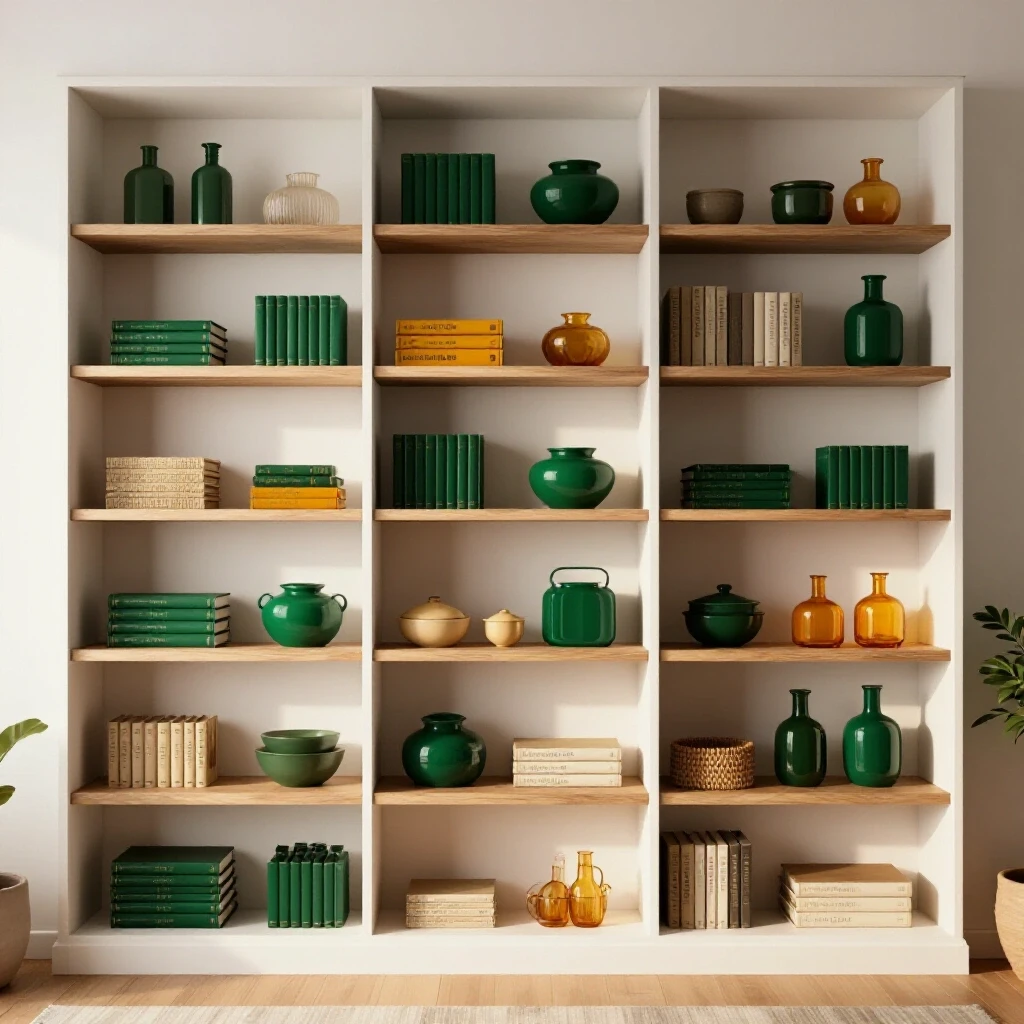
Before we move a single item, we need to understand two key concepts: spatial capacity and flow rates. Spatial capacity is the hard limit of what a shelf or drawer can hold before items become inaccessible. Flow rate is how fast items enter and leave your home. When inflow exceeds outflow, clutter is the inevitable result. In my professional work, we call this “inventory stagnation.” In a home, it looks like a junk drawer that no longer closes. By reducing the number of steps to put things away, we align our home’s “operating system” with our natural human laziness.
| Storage Type | Steps to Store | Friction Level | Maintenance Success Rate |
|---|---|---|---|
| Open Shelf (Eye Level) | 1 | Low | 95% |
| Drawer (No Dividers) | 2 | Low | 85% |
| Lidded Bin on High Shelf | 4+ | High | 30% |
| Nested Bins (Bin inside Bin) | 5+ | Extreme | 10% |
A Logistics Framework for Sorting Household Goods
A sorting framework is a repeatable sequence of decisions used to process items based on their utility and frequency of use.
When my family and I tackle a room, we don’t just “clean.” We use a high-speed sorting protocol. This prevents decision fatigue, which is the mental exhaustion that comes from making too many choices. Research in organizational behavior shows that our ability to make good decisions drops sharply after just 30 minutes of intense sorting. To combat this, we use a “binary decision” model. Don’t ask, “Do I want this?” Ask, “Have I used this in the last six months?” This narrows the cognitive load and speeds up the process.
- The 15-Minute Sprint: Set a timer. Rapidly sort items into three zones: Keep, Relocate, or Remove.
- The “One-Touch” Rule: Try to handle an item only once during the sort. If it belongs in the kitchen, take it there immediately.
- Volume Metrics: Measure your progress by volume (e.g., “I cleared three cubic feet of shelf space today”) rather than just “neatness.”
Creating Functional Zoning Maps Without New Supplies
Zoning is the practice of dedicating specific areas of the home to specific activities or categories of items to reduce transit time.
In logistics, we map out “high-pick” areas—places where the most popular items are stored for easy access. You can do the same in your kitchen or living room. In my own home, I realized our “bottleneck” was the entryway. Everyone dropped their gear the second they walked in because the “official” storage was too far away. We redesigned the zone by repurposing an old bench and using existing wall hooks. We didn’t buy anything new; we simply moved the storage to match the natural behavior of the family.
Primary Zone (The Golden Circle)
This is the area between your shoulders and knees. It should hold items you use daily. If you have to reach for a footstool or bend to the floor for your coffee mug, your kitchen layout is working against you.
Secondary Zone (Deep Storage)
Items used once a month or once a season go here. This includes holiday decor or large stockpots. These can live on high shelves or in the back of closets. Because you access them rarely, the higher friction of a top shelf is acceptable.
Repurposing Household Objects for Better Boundaries
Boundary creation is the use of physical dividers to prevent different categories of items from bleeding into one another.
You do not need to buy dividers to create order. Some of the most effective organizational tools are already in your recycling bin or back of the closet. I once used sturdy cardboard boxes from a grocery delivery to divide a deep “catch-all” drawer. By cutting the boxes to the height of the drawer, I created permanent homes for batteries, tools, and mail. This prevented “item creep,” where one category slowly takes over the entire space.
- Shoe Boxes: These are perfect for upright “file-style” folding of t-shirts or leggings in drawers.
- Glass Jars: Cleaned pasta sauce jars are excellent for small hardware, craft supplies, or office clips.
- Original Packaging: Often, the box a product came in is the most space-efficient way to store it. Trim the lids off to create open-top organizers.
- Furniture Shift: Sometimes a bookshelf from the bedroom works better as a pantry extender in the kitchen.
Case Study: Reducing Friction in a Family Mudroom
In my own household, the mudroom was a constant source of stress. We had beautiful, expensive baskets on a high shelf, yet shoes and bags were always on the floor. I conducted a “spatial audit” and realized the children couldn’t reach the baskets. The friction was too high for their height and energy levels.
We removed the baskets entirely. We repurposed an old wooden crate we had in the garage and placed it on the floor for shoes. We lowered the existing wall hooks by twelve inches. The result? The floor stayed clear. We didn’t spend a cent, but we reduced the “retrieval and storage” steps from six down to one. This is a prime example of how functional home storage is about geometry and habit, not products.
| Task | Old System (High Friction) | New System (Low Friction) | Time Saved Daily |
|---|---|---|---|
| Storing Shoes | Open closet, lift lid, place shoe | Drop in floor crate | 45 Seconds |
| Hanging Coats | Open closet, find hanger, zip coat | Loop over low hook | 60 Seconds |
| Finding Keys | Search counters/bowls | Dedicated hook by door | 120 Seconds |
Managing the Inflow: The One-In, One-Out Rule
Inflow control is the practice of requiring an existing item to leave the home before a new, similar item is allowed to stay.
To maintain a functional living space, you must respect the physical limits of your home. If your bookshelf is full, you cannot add a new book without removing an old one. This is a fundamental law of logistics. I taught my children this by using the “toy volume” rule. We have one repurposed wooden trunk for toys. If the lid won’t close, it’s time to sort and remove items. This creates a self-regulating system that doesn’t require constant parental intervention.
Sustainable Habit Loops for Busy Professionals
A habit loop is a three-part process consisting of a trigger, a routine, and a reward that automates a behavior.
The reason most “organizing marathons” fail is that they lack a maintenance loop. In my professional life, we use “End of Shift” resets. We applied this at home as a “10-Minute Reset” before bed. The trigger is finishing dinner. The routine is returning all items in the common areas to their designated zones. The reward is waking up to a clear visual environment, which significantly reduces morning cortisol levels.
- Trigger: The coffee machine starting in the morning.
- Routine: Empty the dishwasher or clear the drying rack.
- Measurement: A successful reset should take no more than 1% of your total day (about 14 minutes).
Breaking Down the Cognitive Load of Clutter
Cognitive load refers to the total amount of mental effort being used in the working memory.
Visual clutter acts as a constant “to-do” list for your brain. Every stray item represents a decision that hasn’t been made or a task that hasn’t been finished. This leads to mental fatigue. By creating clear visual boundaries—even if it’s just using a piece of masking tape to mark a “zone” on a shelf—you give your brain a rest. You no longer have to decide where the mail goes; the zone decides for you.
Actionable Steps for a Cost-Free Spatial Reset
- Audit Your High-Traffic Zones: Identify where items naturally pile up. This is where your current system is failing.
- Empty, Don’t Shuffle: Take everything out of a space before putting anything back. Shuffling items around rarely leads to long-term change.
- Group by Frequency: Place your “daily use” items in the Golden Circle.
- Use Existing Containers: Look for sturdy boxes, jars, or trays already in your home to create boundaries.
- Label with Intent: Use a simple marker and tape to label shelves. This tells everyone in the family exactly where things go, removing the excuse of “I didn’t know.”
Common Mistakes in Zero-Cost Organization
One major error is trying to organize clutter. If you have 50 pens but only use five, putting all 50 into a repurposed jar doesn’t solve the problem; it just contains it. You must reduce the volume first. Another mistake is “over-zoning.” If you create a category that is too specific (e.g., “blue pens only”), the system will be too hard to maintain. Keep categories broad enough to be easy but specific enough to be useful.
Long-Term Maintenance and System Feedback
A system is only as good as its ability to adapt. Every few months, I check our “fill rates.” If a drawer is getting hard to open, the system is giving me feedback that the volume has exceeded the capacity. We don’t need a new drawer; we need a five-minute sort. By viewing your home as a living logistical system, you move away from the frustration of “cleaning” and toward the efficiency of “management.”
Frequently Asked Questions
How can I organize my kitchen if I don’t have enough cabinets? Focus on vertical space and frequency of use. Use your counters only for items used every single day, like a coffee maker or toaster. For everything else, look at the “hidden” spaces in your home, such as the tops of cabinets for rarely used items like holiday platters. You can also repurpose a sturdy table or a small bookshelf from another room to act as a secondary pantry.
What is the best way to handle paper clutter without buying a filing cabinet? Use the “Action vs. Archive” method. Use a single repurposed cardboard box or an existing kitchen drawer for “Action” papers (bills to pay, forms to sign). For “Archive” papers (tax returns, birth certificates), use a simple sturdy envelope or a repurposed box stored in a closet. Most paper clutter can be recycled immediately; only keep what is legally or financially necessary.
How do I get my children to follow these systems? Lower the friction to their level. Use open containers (like repurposed crates or boxes without lids) so they can “toss” items in rather than having to carefully place them. Use visual labels—draw a simple picture of a shoe or a toy on a piece of tape and stick it to the shelf. When the system is easier than leaving the item on the floor, they are more likely to use it.
Can I really keep a home tidy without buying any specialized products? Yes. Professional logistics centers use simple, standardized shelving and clear zones. They rarely use “pretty” bins. The key is the logic of the layout and the discipline of the inflow/outflow. If you have more items than space, no amount of expensive containers will fix the problem.
What do I do with sentimental items that I don’t use but can’t toss? Designate a “Sentimental Zone” in a less accessible area, like under a bed or on a high closet shelf. Use one existing box (like a large shipping box). Once that box is full, you must decide which memory is most important before adding a new one. This limits the “stagnant inventory” without forcing you to get rid of everything.
How do I handle “junk drawers” that keep coming back? A junk drawer is usually a sign of a “zoning failure.” It means those items don’t have a specific home elsewhere. Give every item in that drawer a “primary zone.” If it doesn’t fit in a zone, ask if you truly need it. Use small repurposed boxes (like tea boxes or phone boxes) inside the drawer to keep the remaining items from sliding around.
What if my spouse or housemate isn’t on board? Focus on the “Common Zones” first. When they see how much easier it is to find the remote or a clean mug, they may naturally adopt the habit. Avoid making the system complex. The simpler the system, the harder it is for others to accidentally break it.
How do I manage large items like blankets without bulky bags? Use the “Logistics Fold.” Fold blankets into flat, uniform rectangles and stack them vertically if possible, or roll them tightly to fit into the back of a linen closet. You can also use an old pillowcase to hold a matching set of sheets and blankets together, keeping the “inventory” bundled and easy to grab.
What is the “Golden Circle” of storage? It is the prime real estate in your home—the area between your shoulders and knees that is easiest to reach. Reserve this space for the 20% of items you use 80% of the time. This reduces the daily physical strain of maintaining your home.
How do I know if a system is “sustainable”? A system is sustainable if it can be maintained during your busiest, most stressful week. If you find yourself “piling” instead of “filing” when you are tired, the friction of your system is too high. Simplify the storage until it requires almost zero thought to put an item away.
The goal of a well-managed home is not to achieve a state of “perfection,” but to create a space that supports your life rather than draining your energy. By applying basic logistics and using the resources you already have, you can build a sustainable environment that stands up to the realities of a busy family. Focus on the flow, reduce the friction, and remember that the best storage solution is often having fewer items to store.
(This article was written by one of our staff writers, Christopher Bennett. Visit our Meet the Team page to learn more about the author and their expertise.)