Decluttering Tips for Busy People: What Actually Works (Guide)

In many suburban North American households, the weekend often begins with a familiar ritual. We spend hours clearing off kitchen counters, sorting mail, and corralling toys, only to find the same surfaces buried under a fresh layer of chaos by Tuesday evening. This cycle of temporary order followed by rapid regression is a common frustration for many families.
I have spent the last 11 years working in operations and logistics, where my job is to ensure that systems run efficiently without constant intervention. When I applied these professional principles to my own home, I realized that our struggle wasn’t a lack of effort. Instead, it was a design flaw. Most home organization systems are built for how we want to live, not for the reality of a Tuesday night after a long commute and soccer practice.
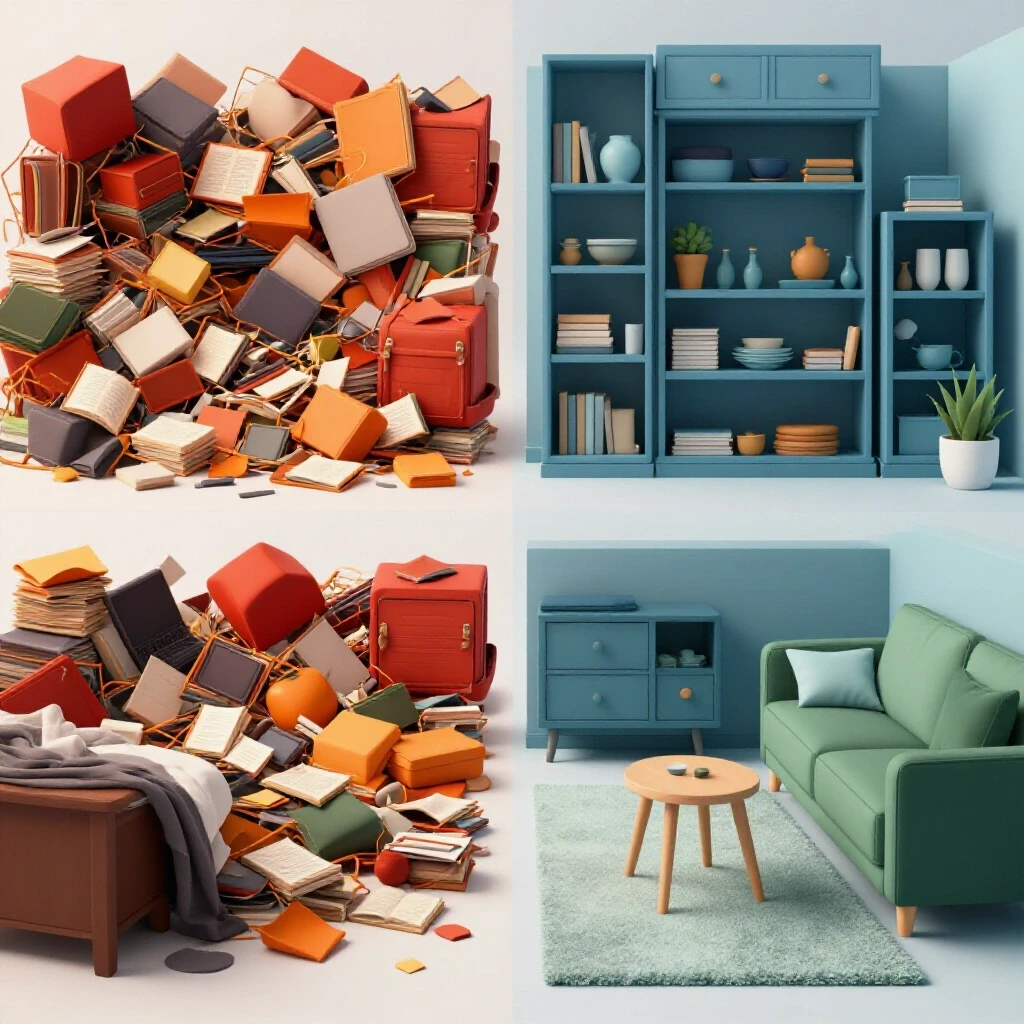
My journey toward sustainable decluttering began when I noticed a specific bottleneck in our mudroom. We had beautiful, labeled bins with tight-fitting lids. On paper, it was a perfect system. In practice, the lids were a “friction point.” Because it took two hands and an extra three seconds to open the bin, shoes and bags ended up on the floor instead of inside. By removing the lids and treating our entryway like a high-speed sorting facility, we reduced the daily cleanup time by 15 minutes. This guide focuses on those small, logistical shifts that keep a home functional for the long haul.
Why Home Organization Systems Often Fail in High-Activity Households
Home organization systems fail when they prioritize aesthetics over the physical reality of how people move through a space. If a system requires too many steps to maintain, it creates “retrieval friction,” leading to a quick return of clutter. Sustainable systems focus on reducing the effort required to put items away.
In logistics, we look at the “pick path”—the route a worker takes to find and move an item. If the path is too complex, efficiency drops. Your home is no different. I once tracked my family’s movement in the kitchen and found that we were walking across the room six times just to make a single pot of coffee. This is a spatial inefficiency that leads to “clutter piles” because we naturally drop things where the path is most difficult.
Research in environmental psychology suggests that visual clutter competes for our attention. A study from Princeton University found that a disorganized environment limits the brain’s ability to process information and increases stress. For a busy parent, this means that a messy counter isn’t just an eyesore; it is a constant drain on your mental energy. To fix this, we must move away from “visual organization” (making things look pretty) and toward “functional storage” (making things easy to access).
The Storage Friction Index: Why Lids and Latches Fail
Storage friction is the amount of physical and mental effort required to store or retrieve an item. High-friction systems, such as stacked bins or containers with latches, are the primary cause of clutter reversion in busy homes.
| Container Type | Friction Level | Best Use Case | Risk for Busy Families |
|---|---|---|---|
| Open-Top Bins | Low | Daily toys, shoes, frequently used mail | Items may look “messy” but stay off the floor |
| Pull-Out Drawers | Medium | Kitchen tools, office supplies, clothing | Overfilling leads to jams and frustration |
| Lidded Totes | High | Seasonal decor, long-term archives | Items left on top of the lid instead of inside |
| Stacked Bins | Very High | Deep storage, garage items | The bottom bin becomes a “black hole” |
Managing Spatial Capacity and Inflow-Outflow Logistics
Spatial capacity refers to the maximum amount of inventory a room can hold before it stops being functional. In a warehouse, exceeding 85% capacity leads to a massive drop in productivity. In a home, exceeding this limit makes it impossible to maintain order because there is no “breathing room” for daily items.
I treat my home like a fulfillment center. Every item that comes in (the inflow) must be balanced by an item that leaves (the outflow). When we ignore this balance, we experience a “logistics bottleneck.” This is why your closets feel cramped even after a weekend of cleaning. You are likely operating at 100% capacity, meaning there is no space for the “active” items you use every day.
To manage this, I implemented a “75% Rule” in our cabinets. We never fill a shelf more than three-quarters of the way. This allows us to see every item without moving three others. It also reduces the time spent searching for things, which is a major contributor to mental fatigue.
Measuring Your Household Flow Rates
Understanding how fast items move through your home helps you identify where clutter starts. By tracking the “dwell time” of items—how long they sit in one spot—you can redesign your zones to prevent pileups.
- Inflow Rate: The number of new items (mail, groceries, toys) entering the home daily.
- Outflow Rate: The number of items discarded, recycled, or donated weekly.
- Dwell Time: The average time an item sits on a “transition surface” like a kitchen island.
- Processing Speed: How many minutes it takes to move an item from the entry point to its permanent home.
Designing Low-Maintenance Zoning Maps for Family Spaces
Zoning is the practice of dividing a home into specific areas based on the frequency of use and the type of activity performed. Effective zoning ensures that the items you need most often are located in “Prime Real Estate,” which is the area between your knees and your shoulders.
In our home, we redesigned our pantry using industrial “Slotting” techniques. We placed the snacks the kids use every day at their eye level in open baskets. We moved the heavy stand mixer, which we use once a month, to a lower shelf. This simple change meant the kids could get their own snacks and put the containers back without help, reducing the “sorting friction” for the adults.
The Three Zones of Functional Home Storage
Assigning every item to a zone based on its “velocity” (how often it is used) prevents high-use items from being buried behind things you rarely need.
- Active Zone (Daily Use): Items used 5-7 times a week. These must be accessible in one step (no lids, no stacking).
- Passive Zone (Weekly Use): Items used 1-2 times a week. These can be in drawers or behind cabinet doors.
- Deep Storage (Monthly/Seasonal): Items used less than once a month. These go in high shelves, the garage, or under-bed bins.
Reducing Retrieval Friction with Functional Home Storage
Functional home storage is about making the “right” behavior the “easiest” behavior. If it is easier to throw a coat on a hook than to put it on a hanger, the hook is the superior logistical choice. This is the difference between a system that looks good in a magazine and one that survives a Monday morning.
I learned this the hard way with our laundry system. I bought matching, heavy baskets that looked great but were difficult for my kids to carry. The result? Dirty clothes stayed on the floor. We switched to lightweight, flexible mesh bags that fit into a simple sorter. The “sorting speed” increased immediately because the physical effort was lowered.
Logistics-Based Container Selection Criteria
When choosing storage solutions for families, I use a three-point checklist to ensure the system won’t fail within a week.
- One-Handed Access: Can you put the item away with one hand while holding a child or a coffee mug?
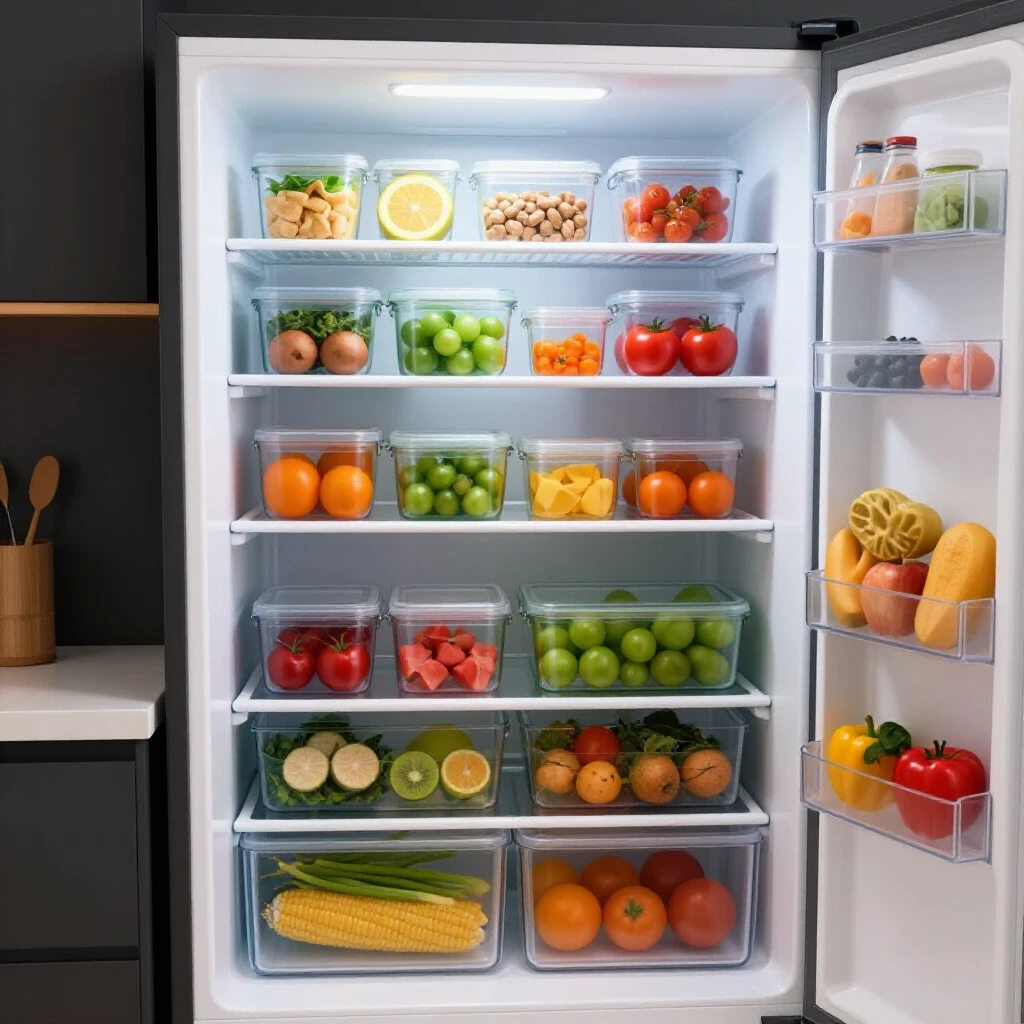
- Visual Transparency: Can you see what is inside without opening it? (Mesh or clear bins are best).
- Label Durability: Are labels clear and permanent? For kids, use picture labels to reduce the cognitive load of reading.
Sustainable Decluttering Through Micro-Sorting Habits
The biggest mistake busy professionals make is waiting for a “free weekend” to organize. In a high-demand household, those weekends are rare. Instead, sustainable decluttering relies on “micro-sorting”—the act of processing small batches of items during natural transitions in your day.
In my home, we use a “5-Minute Reset” before dinner. This isn’t a deep clean; it’s a logistics sweep. We move items from “Transition Zones” (like the stairs or the dining table) back to their “Home Zones.” Because we have low-friction storage, this process is fast. We aren’t making big decisions; we are just following the map we already built.
The Daily Sorting Log: A Case Study
I tracked my family’s sorting time over one week to see where our systems were failing. We found that the “paper zone” was taking 12 minutes a day because we had to open a filing cabinet. We replaced the cabinet with a simple desktop sorter, and the time dropped to 2 minutes.
- Entryway Reset: 2 minutes (Shoes in bins, mail in sorter).
- Kitchen Surface Clear: 3 minutes (Dishwasher loaded, counters wiped).
- Living Room Sweep: 2 minutes (Blankets folded, toys in open baskets).
- Total Daily Maintenance: 7 minutes.
The Psychology of Visual Overload and Decision Fatigue
Decision fatigue occurs when the brain becomes exhausted after making too many choices. When you walk into a cluttered room, your brain is forced to decide what to do with every single item it sees. This is why you feel tired just looking at a messy room.
Spatial ergonomics studies show that reducing “visual noise” lowers cortisol levels. By using uniform-colored bins and clearing “horizontal planes” (tabletops and counters), we give our brains a rest. I found that by simply clearing the top of our refrigerator, the entire kitchen felt more organized, even though the cabinets inside hadn’t changed.
Strategies to Reduce Cognitive Load
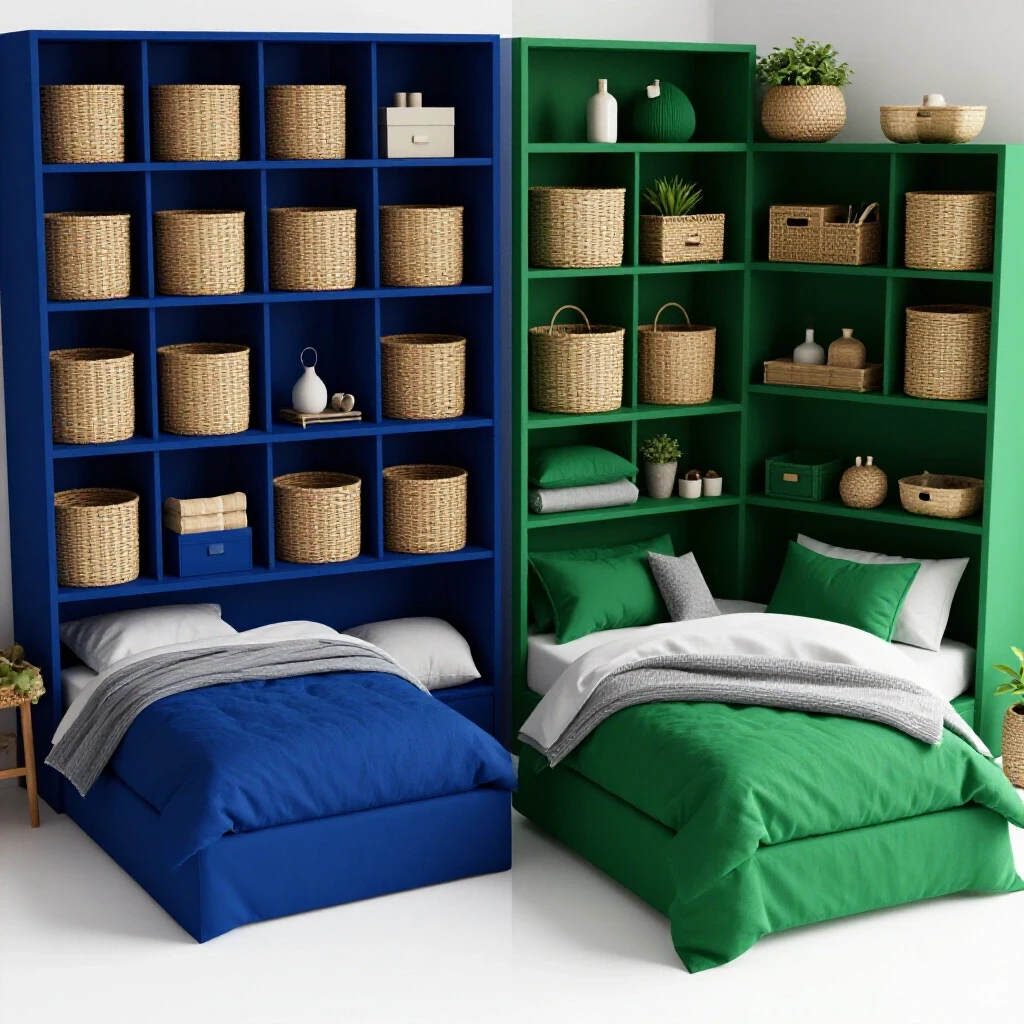
- Uniformity: Use the same type of bin in a single area to reduce visual complexity.
- Hidden Storage: Keep “busy” items (like small appliances) inside cabinets if they aren’t used daily.
- Digital Inventory: For items like tax records or old manuals, use digital tracking to remove physical bulk.
Building Systematic Habit Loops for Long-Term Maintenance
A habit loop consists of a cue, a routine, and a reward. In a busy home, the “cue” should be an existing part of your routine, like the coffee brewing or the kids brushing their teeth. By “stacking” a small organizing task onto these cues, you maintain the system without using extra willpower.
For example, my cue is the “end of the workday.” Before I leave my home office, I spend 90 seconds clearing my desk. This is my routine. The reward is walking into a clean office the next morning. This is a “feedback loop” that reinforces the behavior.
Implementing the “Touch It Once” Rule
The “Touch It Once” rule is a classic logistics principle. Every time you move an item without putting it in its final home, you are wasting energy.
- Mail: Don’t put it on the counter; sort it immediately into “Recycle,” “Action,” or “File.”
- Groceries: Don’t leave bags on the floor; move items directly to their designated zones.
- Laundry: Move clothes from the dryer to the basket to the drawer in one continuous flow.
Reducing Household Clutter with a “One-In, One-Out” Protocol
To maintain a functional home storage system, you must control the volume of items. The “One-In, One-Out” protocol is a simple inventory management rule: for every new item that enters the home, an old one must leave. This prevents the “spatial capacity” from ever reaching the breaking point.
When my son gets a new toy, we choose one old toy to donate. This teaches the family that space is a finite resource. It shifts the focus from “having more” to “managing what we have.” This protocol is especially effective for clothing, kitchen gadgets, and books.
Inventory Density Guidelines
- Bookshelves: 80% full (leaves room for new titles and visual rest).
- Closets: 1-inch of space between hangers (prevents wrinkling and frustration).
- Toy Bins: Should never be overflowing; if the lid won’t close, it’s time to purge.
- Kitchen Drawers: One layer of items only (no “junk drawers” that require digging).
Practical Next Steps for Busy Households
Establishing a sustainable system doesn’t require a total overhaul. It requires a shift in how you view your home’s logistics. Start by identifying your highest-friction area—the place where the mess always returns first.
- Conduct a Spatial Audit: Spend 10 minutes observing where your family naturally drops items.
- Remove One Friction Point: Take the lids off your most-used bins or add hooks where coats are currently piled.
- Set a Capacity Limit: Choose one shelf or drawer and clear it until it is only 75% full.
- Establish a 5-Minute Reset: Pick a time of day to move items back to their zones.
By focusing on flow, friction, and capacity, you can build a home that supports your busy life rather than adding to your stress. The goal isn’t a house that looks like a museum; it’s a house that works like a well-oiled machine.
Frequently Asked Questions
How do I stop my home from getting messy again after I just organized it? The “reversion” happens because the system has too much friction. If it takes more than two steps to put something away, your family won’t do it. Switch to open-top bins, add more hooks, and ensure items are stored near where they are actually used.
What is the fastest way to declutter when I only have 10 minutes? Focus on “Transition Surfaces” like the kitchen island or the entryway bench. Don’t try to organize a whole room. Instead, move items that don’t belong there back to their designated zones. This immediately reduces visual stress.
How can I get my kids to follow these organization systems? Make the system so easy that it’s harder to be messy. Use low-level hooks for coats and open bins for toys. Label bins with pictures so even non-readers know where things go. If a child can’t put an item away in five seconds, the system is too complex.
Why do I feel so overwhelmed by my house even when it’s relatively clean? You are likely experiencing “visual noise.” Even if things are “away,” if you can see too many different colors and shapes, your brain stays in a state of high alert. Try using matching bins and clearing off large flat surfaces to give your eyes a place to rest.
What are the best storage solutions for families with no extra time? Prioritize “one-step” storage. This includes wall-mounted hooks, open baskets, and clear drawers. Avoid any system that requires stacking containers or using complicated latching lids for daily-use items.
How do I decide what to get rid of when I’m too busy to think about it? Use the “Container Method.” Decide how much space you are willing to give a category (e.g., one bin for craft supplies). Once the bin is full, you cannot add anything new without removing something old. The space makes the decision for you.
Is it better to organize by category or by room? In a busy home, organize by “Usage Zone.” Keep all the items you need for a specific task (like making school lunches) in one spot, even if those items belong to different categories. This reduces the number of steps you take during your busiest times.
How often should I perform maintenance on my home organization systems? Aim for a daily 5-minute “logistics reset” and a monthly 15-minute “capacity check.” The daily reset keeps the surfaces clear, while the monthly check ensures your bins aren’t reaching that 85% capacity limit where systems start to fail.
What should I do with mail and paper clutter that piles up daily? Create a “One-Touch” paper station right at the entrance. Place a recycling bin directly under a small mail sorter. Sort the mail the moment you walk in. If it’s trash, drop it. If it’s a bill, put it in the “Action” slot. Never let paper touch a flat surface like a table.
How do I manage large items that don’t fit in bins? Use “Zoning.” Assign a specific corner or closet for large items like strollers or sports gear. Use floor tape or “parking spots” to define where these items belong. When an item has a clear “home” on the floor, it is less likely to wander into the middle of the room.
(This article was written by one of our staff writers, Christopher Bennett. Visit our Meet the Team page to learn more about the author and their expertise.)