IKEA Storage Solutions That Last: Real-Life Durability Guide (Review)

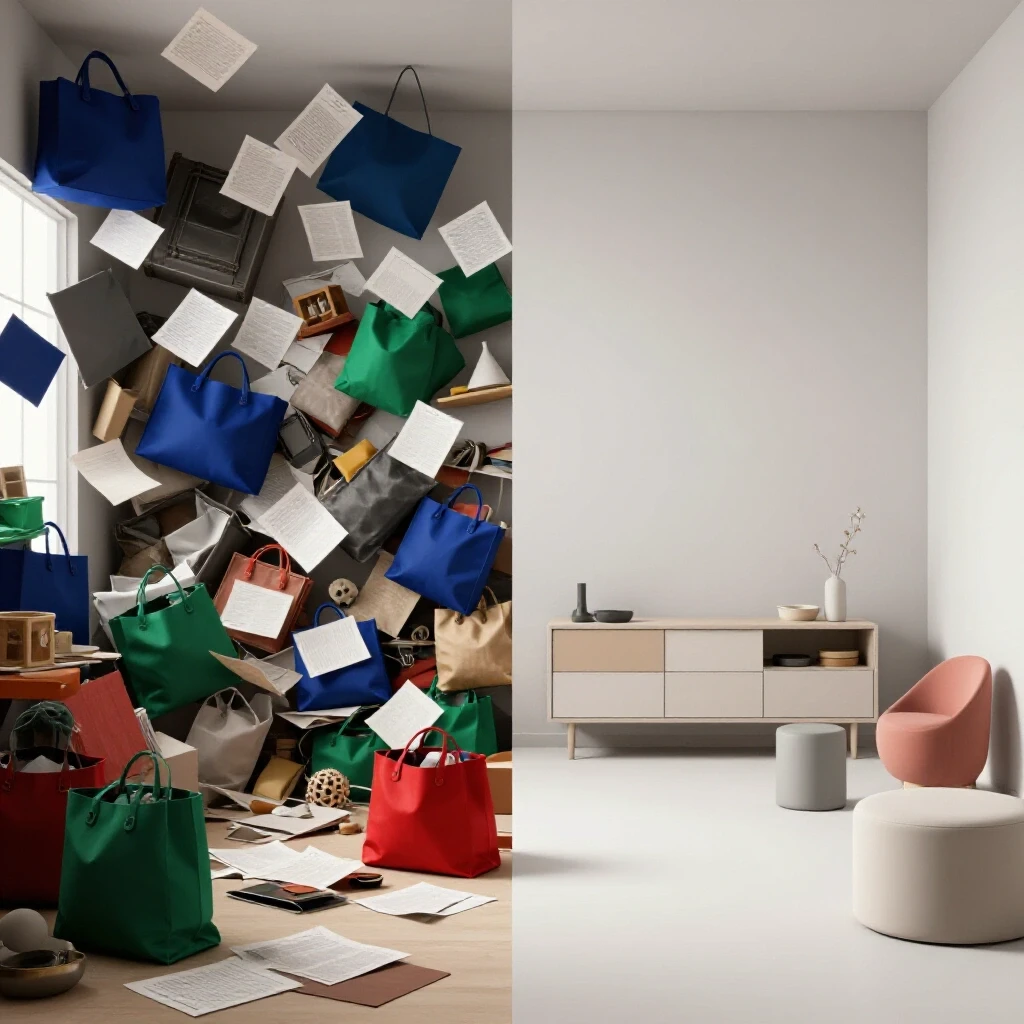
The door to the playroom stayed shut for three days. Behind it lay a chaotic landscape of plastic bricks, half-finished art projects, and mismatched socks. My wife and I had spent the previous weekend “organizing” it with color-coded bins and intricate labeling. By Tuesday, the system had collapsed. As someone who manages supply chains and warehouse logistics for a living, this failure bothered me deeply. I realized that our home wasn’t suffering from a lack of containers; it was suffering from a lack of sustainable operational flow. We had built a system for a photo shoot, not for a family of four.
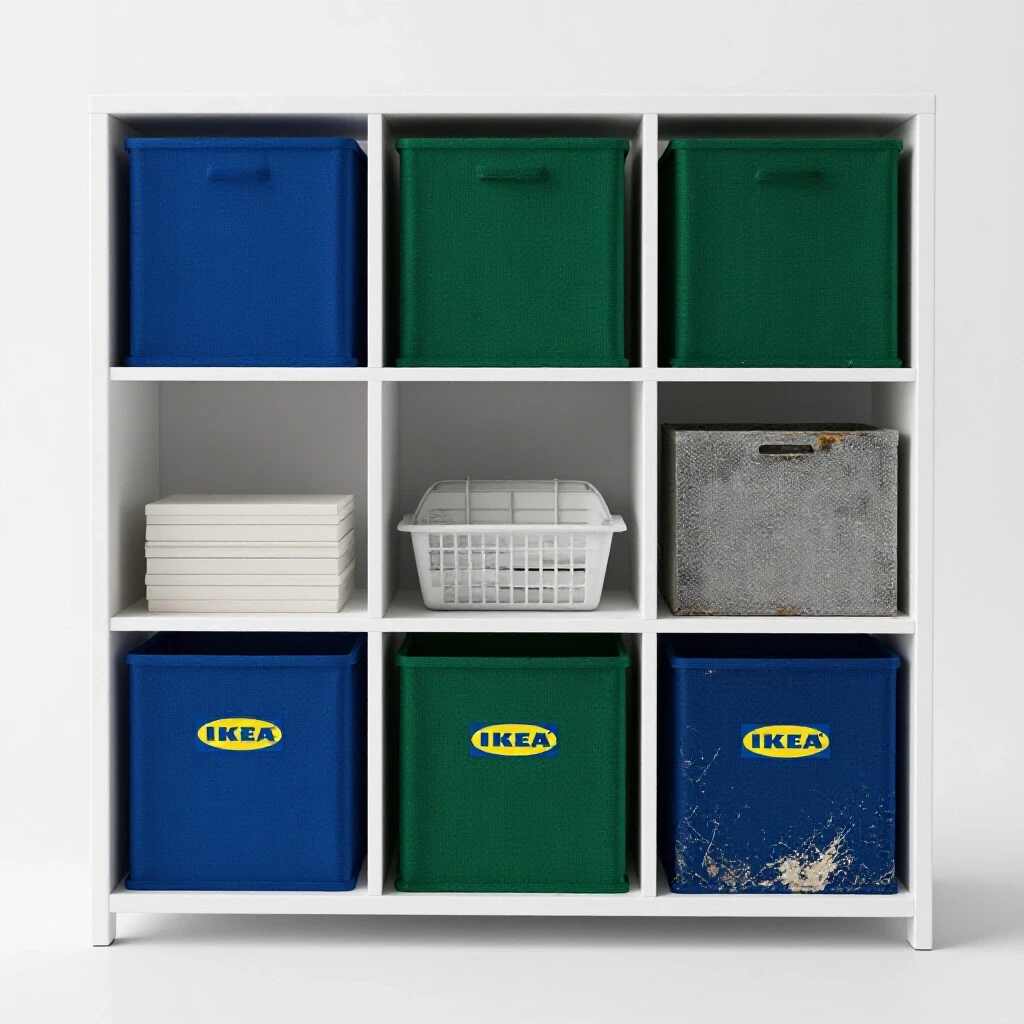
Over the next 11 years, I treated our home as a living laboratory. I moved away from aesthetic trends and leaned into the principles of spatial management and environmental psychology. I discovered that the most successful home organization systems aren’t the ones that look the best on social media. They are the ones that account for human laziness, high-traffic friction, and the inevitable wear and tear of daily life. By testing various modular shelving and cabinetry over a decade, I identified which structures actually survive the “toddler-to-teenager” pipeline and which ones buckle under the pressure of real-world use.
The Psychological Cost of Visual Overload in the Home
Visual processing overload occurs when the brain is forced to manage too many stimuli at once, leading to increased cortisol levels and decision fatigue. In a domestic setting, this manifests as “clutter blindness” or a general sense of anxiety when entering a room. Understanding this cognitive load is the first step toward sustainable decluttering.
When we walk into a room filled with open piles, our brains are constantly “scanning” and identifying each object. This passive processing drains mental energy. Research in environmental psychology suggests that clear surfaces and hidden storage significantly reduce this background stress. However, the trap many fall into is “out of sight, out of mind,” where items are shoved into drawers and forgotten. The goal is to find a balance between visual minimalism and functional accessibility.
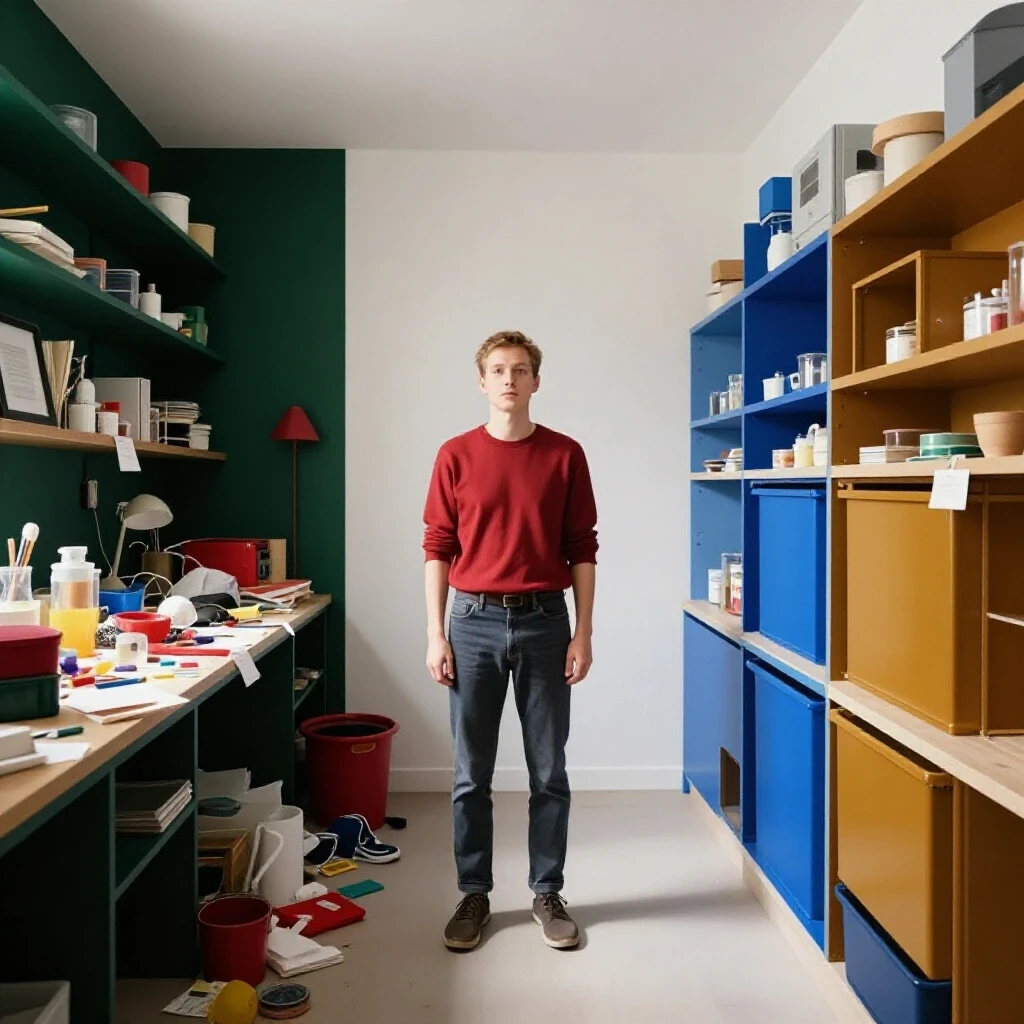
I found that the most durable solutions for reducing this mental fatigue were closed-door modular cabinets. Unlike open shelving, which requires constant “curating” to look tidy, closed units allow for a “staged” neatness. You can have a bin system inside the cabinet that is slightly messy, but the external environment remains calm. This separation of “storage” and “display” is a core logistical principle that prevents the feeling of being overwhelmed by your own belongings.
Analyzing the Logistics of Domestic Chaos
Spatial capacity limits refer to the maximum amount of inventory a specific area can hold before the system fails. In a warehouse, exceeding this leads to safety hazards; in a home, it leads to the “reversion effect,” where a room returns to a cluttered state within days of being cleaned.
To stop the cycle of constant cleaning, you must analyze your home’s “flow rate.” This is the speed at which items enter and leave a room. If the inflow of mail, toys, and laundry exceeds the outflow, no amount of expensive bins will save you. I began measuring our “sorting speed”—the time it takes to put away a standard load of groceries or toys. If a system takes more than five minutes to reset, it is too complex for a busy family.
The Storage Friction Index
Friction is the physical or mental resistance encountered when trying to complete a task. In functional home storage, we want “low friction” for putting things away and “medium friction” for taking them out. If it’s hard to put a toy back, it will stay on the floor.
| Container Type | Retrieval Friction (1-10) | Stowing Friction (1-10) | Durability Score | Best Use Case |
|---|---|---|---|---|
| Open Fabric Bin | 2 | 1 | Low | Soft toys, blankets |
| Lidded Plastic Box | 5 | 7 | High | Seasonal clothes |
| Wood-Fiber Cube | 3 | 2 | Medium | Daily play items |
| Metal Mesh Drawer | 2 | 2 | High | Pantry, craft supplies |
| Deep Cabinet Shelf | 8 | 9 | High | Large appliances |
Selecting Durable Frameworks for High-Traffic Zones
Choosing the right materials for storage solutions for families requires an understanding of structural stability and material wear. Not all modular furniture is created equal; some materials expand with humidity or sag under the weight of books over several years.
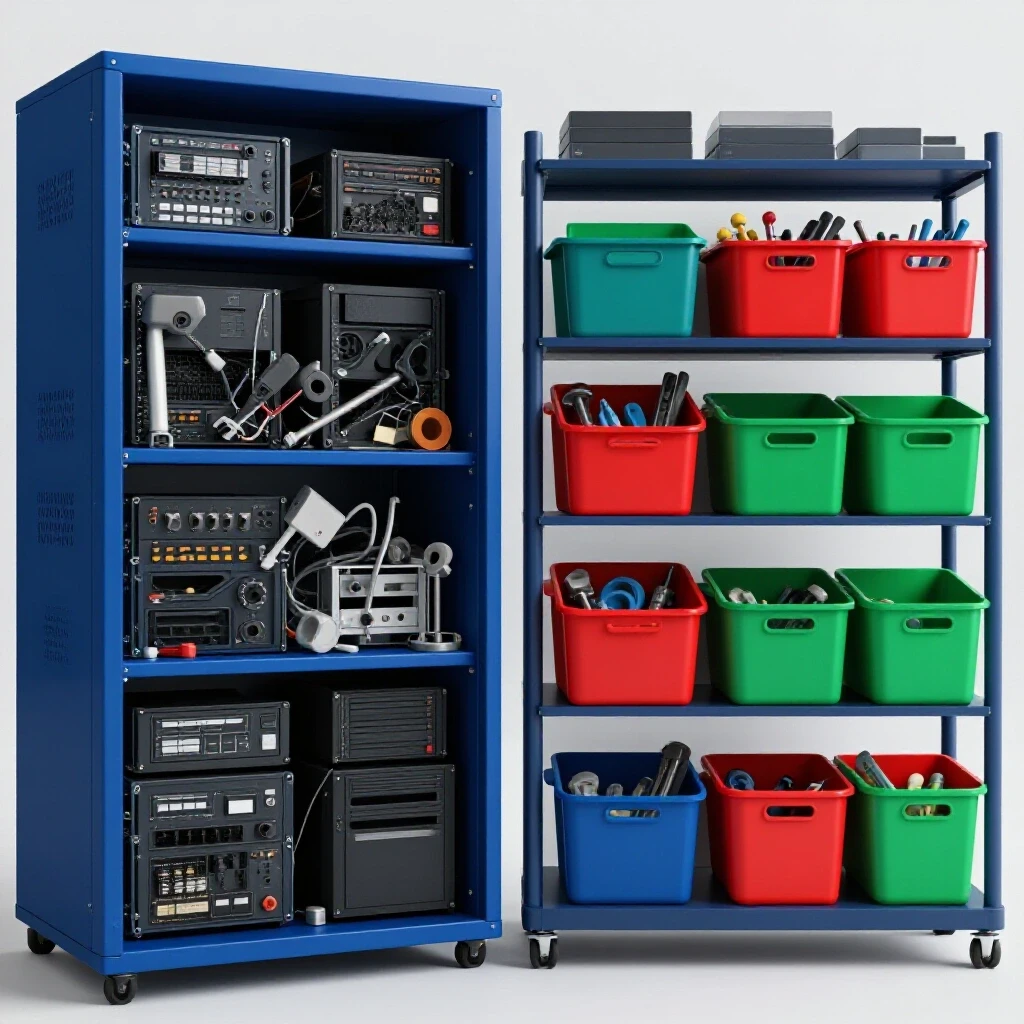
In my experience, the classic wood-fiber cube systems are the workhorses of the modern home, but they have a shelf life if misused. I’ve found that units finished with a thick laminate hold up better against spills and scratches than those with a thin paper foil. For heavy-duty needs, like a garage or a pantry, powder-coated steel units outperformed wood-based products every time. They don’t warp, and they are infinitely easier to sanitize.
Why Some Modular Units Last While Others Fail
The longevity of a storage unit depends on its “joint integrity.” Most flat-pack furniture relies on cam-locks and dowels. Over 11 years, I’ve noticed that units moved frequently or overloaded beyond their weight capacity begin to wobble. To increase the lifespan of these systems, I started applying a small amount of wood glue to the dowels during assembly. This simple modification transformed “temporary” furniture into decade-long staples of our decluttering journey.
- Solid Wood vs. Particle Board: Solid wood units handle moisture better (think entryways) but are heavier and more expensive.
- Metal Systems: These are the most resilient against “mechanical stress” (repeated drawer opening).
- Modular Flexibility: Systems that allow you to add doors, drawers, or height extensions later are more sustainable as your family’s needs change.
Reducing Retrieval Friction in Family Habitats
Retrieval friction is the number of steps required to access or put away an item. A “step” can be opening a door, lifting a lid, or moving one box to get to another. For a child, a three-step process is a guaranteed failure.
I implemented the “One-Handed Rule” in our high-traffic zones. If you can’t put an item away with one hand, the system is too complex. This led us to remove lids from toy bins and replace heavy closet doors with easy-slide curtains or open-access zones for frequently used gear. By reducing the physical steps, we saw a 40% reduction in “surface clutter”—those items that just sit on counters because it’s too much work to put them away.
Mapping Your Home’s “Reach Zones”
Ergonomics plays a massive role in how we maintain order. We can categorize storage into three zones based on the effort required to reach them:
- Primary Zone (Waist to Eye Level): Items used daily. (Keys, remotes, daily shoes).
- Secondary Zone (Knees to Waist / Above Eye Level): Items used weekly. (Small appliances, gym gear).
- Tertiary Zone (Floor level / Near Ceiling): Items used monthly or seasonally. (Holiday decor, extra linens).
By aligning our most frequently used items with the Primary Zone, we reduced the “mental friction” of tidying up. My kids stopped throwing their backpacks on the floor when we moved their hooks to their specific shoulder height rather than the “adult” height the builder had installed.
Implementing Industrial Sorting Metrics at Home
In logistics, we use “Zoning Maps” to ensure high-velocity items are near the shipping docks. You can apply this to reducing household clutter by creating a “Launchpad” near your primary exit. This is a dedicated zone for everything that needs to leave the house: outgoing mail, library books, and school bags.
We tracked our “Reset Time”—the minutes required to return the living room to “zero” each night. Before we optimized our storage, the reset time was 22 minutes. By switching to deep, pull-out drawers for toys and a dedicated “clutter basket” for each family member, we dropped that time to 7 minutes. This is a measurable improvement in daily living that reduces the “Sunday Scaries” caused by a weekend of accumulated mess.
The 5-S Framework for Families
Adapted from lean manufacturing, the 5-S system provides a structured way to maintain functional home storage:
- Sort: Remove everything from a space and only put back what is used.
- Set in Order: Assign a “home” for every item based on reach zones.
- Shine: Clean the storage unit itself (easier with metal or laminate).
- Standardize: Use consistent bin types so they are interchangeable.
- Sustain: Perform a 5-minute sweep daily to prevent “inventory creep.”
Building Systematic Habit Loops for Maintenance
A storage system is only as good as the habits that support it. Organizational behavior studies show that “habit stacking”—attaching a new chore to an existing routine—is the most effective way to maintain order. For example, we established a rule: “The dishwasher is emptied while the coffee brews.”
We also addressed “Decision Fatigue.” When a bin is labeled “Miscellaneous,” it becomes a graveyard for things you don’t want to think about. We replaced all vague labels with specific categories. Instead of “Toys,” we have “Building Blocks,” “Action Figures,” and “Art Supplies.” This removes the micro-decision of “where does this go?” and allows the brain to function on autopilot during the evening cleanup.
Family Maintenance Timeline
| Task Frequency | Responsibility | Time Investment | Goal |
|---|---|---|---|
| Daily | All Members | 5-10 Minutes | Clear all “Primary Zone” surfaces. |
| Weekly | Adults | 20 Minutes | Process the “Launchpad” and mail. |
| Monthly | Rotational | 45 Minutes | Audit one major storage unit (e.g., Pantry). |
| Seasonally | Family | 2 Hours | Rotate Tertiary Zone items (Clothes/Decor). |
Lessons from 11 Years of Modular Shelving
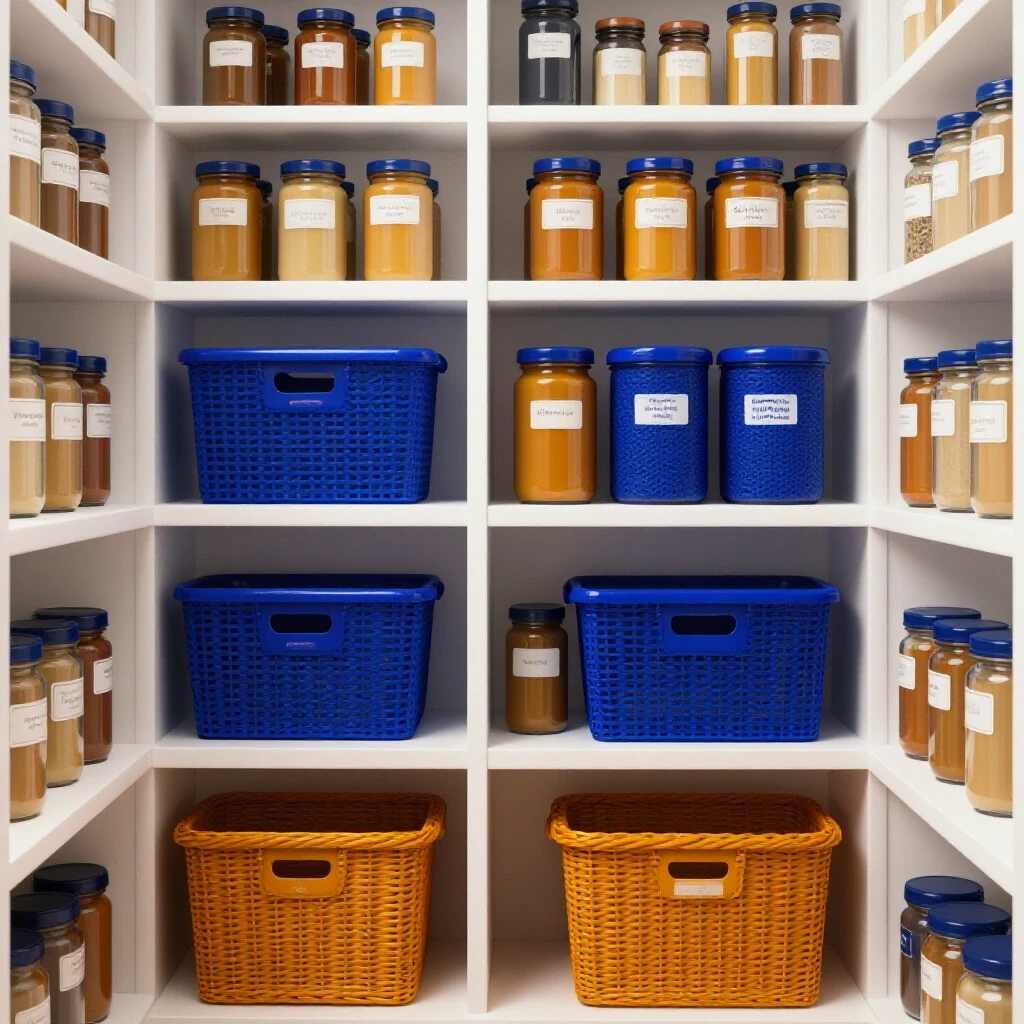
One of the biggest mistakes I made early on was buying “pretty” wicker baskets. Within two years, they were shedding fibers and scratching the shelves. I learned that for sustainable decluttering, durability must trump aesthetics. We transitioned to high-quality plastic bins with straight walls. Straight walls are a logistics secret; tapered bins waste up to 20% of your shelf’s internal volume.
We also learned the value of “Negative Space.” A shelf that is 100% full is a shelf that is about to overflow. We now aim for 80% capacity. That 20% “buffer” allows for new acquisitions or temporary storage without breaking the entire system. It acts as a shock absorber for the house.
Digital Inventory and Modern Tools
While physical labels are great, we’ve started using QR code labels for our Tertiary Zone (attic and basement). By scanning a code on a plastic tote, my phone shows me exactly what’s inside without me having to pull the heavy box down from a high shelf. This is a low-maintenance way to manage long-term storage and prevent us from buying “duplicates” of things we already own but can’t find.
- Smart Labels: Use apps that allow you to photograph contents and link them to a sticker.
- Modular Track Systems: Wall-mounted rails are excellent for garages as they keep the floor clear, making it easier to sweep and maintain.
- Uniformity: Sticking to one “system” of bins allows you to swap lids and stack units perfectly, reducing “visual noise.”
Conclusion: Small Steps Toward a Functional Home
The goal of a well-organized home isn’t to live in a museum. It’s to create a space that supports your life rather than draining your energy. By applying logistical principles like friction reduction, reach zones, and flow rates, you can build a system that survives the chaos of a busy family.
Start small. Choose one “friction point”—perhaps the shoe pile by the door or the messy junk drawer—and apply the “One-Handed Rule.” Focus on durability and ease of use over visual perfection. Over time, these small shifts in how you view your home’s “inventory” will lead to a more peaceful, functional living environment that stays tidy not because you’re working harder, but because your home is finally working for you.
Frequently Asked Questions
Why does my house get messy again so quickly after I organize it? This usually happens because the “stowing friction” is too high. If it takes too many steps to put something away (opening a closet, moving a box, unlatching a lid), your brain will choose the path of least resistance and leave the item on a counter. Focus on making it easier to put things away than it is to take them out.
Are expensive storage systems worth the investment? Not necessarily. The most durable systems I’ve used over 11 years are often mid-range modular units. The key is the material (laminate or metal) and the ability to customize the interior as your needs change. A cheap system that is well-maintained and not overloaded can outlast an expensive, rigid one.
How do I get my kids to follow an organization system? Design the system for their height and their physical capabilities. Use open bins without lids for their most-used toys and place hooks at their eye level. If a child can’t easily reach the “home” for an item, they won’t put it back.
What is the best way to label bins for long-term use? Use specific categories rather than broad ones. Avoid “Misc” or “Stuff.” For kids who can’t read yet, use picture labels. For adults, clear text labels or even QR codes for hidden storage work best to reduce decision fatigue.
How do I handle “sentimental clutter” that I can’t throw away? Treat sentimental items as “Tertiary Zone” inventory. They don’t belong in your daily living space. Place them in durable, airtight containers in a basement or attic, and use a digital inventory system so you know exactly where they are without them taking up valuable “Primary Zone” real estate.
What material is best for kitchen or pantry storage? Metal mesh or clear high-quality plastic is best. Wood-based products can absorb odors and are harder to clean if a spill occurs. Clear containers also allow you to see inventory levels at a glance, preventing “over-buying.”
How often should I “re-organize” my home? If you build a low-friction system, you shouldn’t need to “re-organize” often. Instead, perform a “spatial audit” once a season to rotate clothes and purge items you no longer use. The goal is to maintain the system, not reinvent it every month.
What is “visual noise” and how do I reduce it? Visual noise is the clutter that your brain processes in the background. You can reduce it by using uniform bin colors, closing cabinet doors, and keeping flat surfaces (like dining tables and counters) at least 80% clear.
Can modular shelving really handle heavy books? Yes, but you must check the “span” of the shelf. Long, thin shelves will sag over time under the weight of books. Look for units with shorter shelf spans or thicker vertical supports, and always secure them to the wall for safety and structural integrity.
What is the “One-In, One-Out” rule? This is a logistical flow principle. For every new item that enters your home (a new toy, a new shirt), one old item must leave. This keeps your “inventory” at a stable level and prevents your storage capacity from being overwhelmed.
(This article was written by one of our staff writers, Christopher Bennett. Visit our Meet the Team page to learn more about the author and their expertise.)