How to Simplify Home Storage by Merging Categories (Easy Guide)

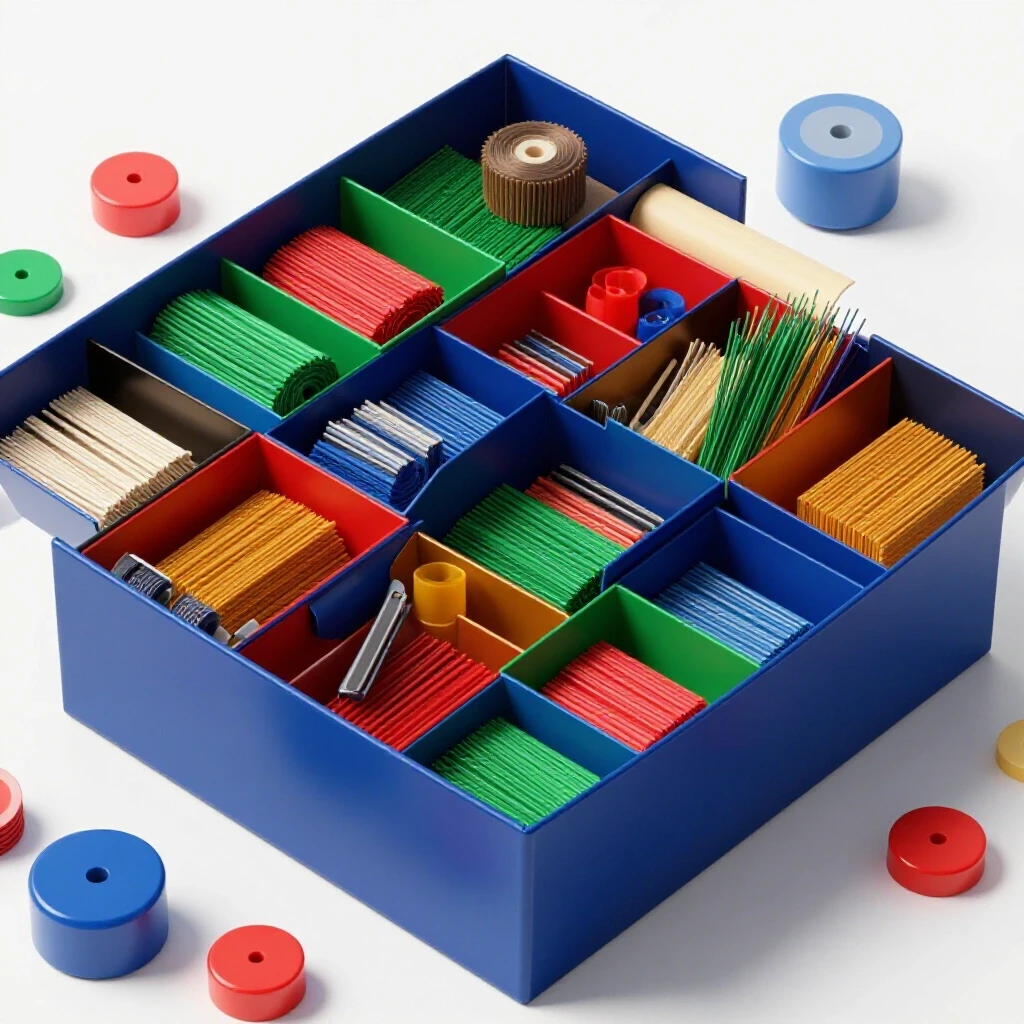
I once spent three hours labeling tiny, clear drawers for every specific type of screw, nail, and washer in my garage. I felt like a master of efficiency. However, three days later, I found a pile of mixed hardware sitting on the workbench because opening six different drawers to put away five items felt like a part-time job. This is the paradox of home organization: the more precise we try to be, the faster the system tends to fail.
In my 11 years working in operations and logistics, I have learned that the most resilient systems are those that account for human fatigue. In a warehouse, we call this minimizing “touch-points.” In a busy family home, it means making it as easy to put something away as it is to drop it on the floor. When we try to maintain overly specific storage spots, we increase the mental and physical effort required to tidy up. By moving toward broader, more inclusive groupings, we can create a sustainable flow that survives a hectic Tuesday night.
The Hidden Logistics of Household Failure
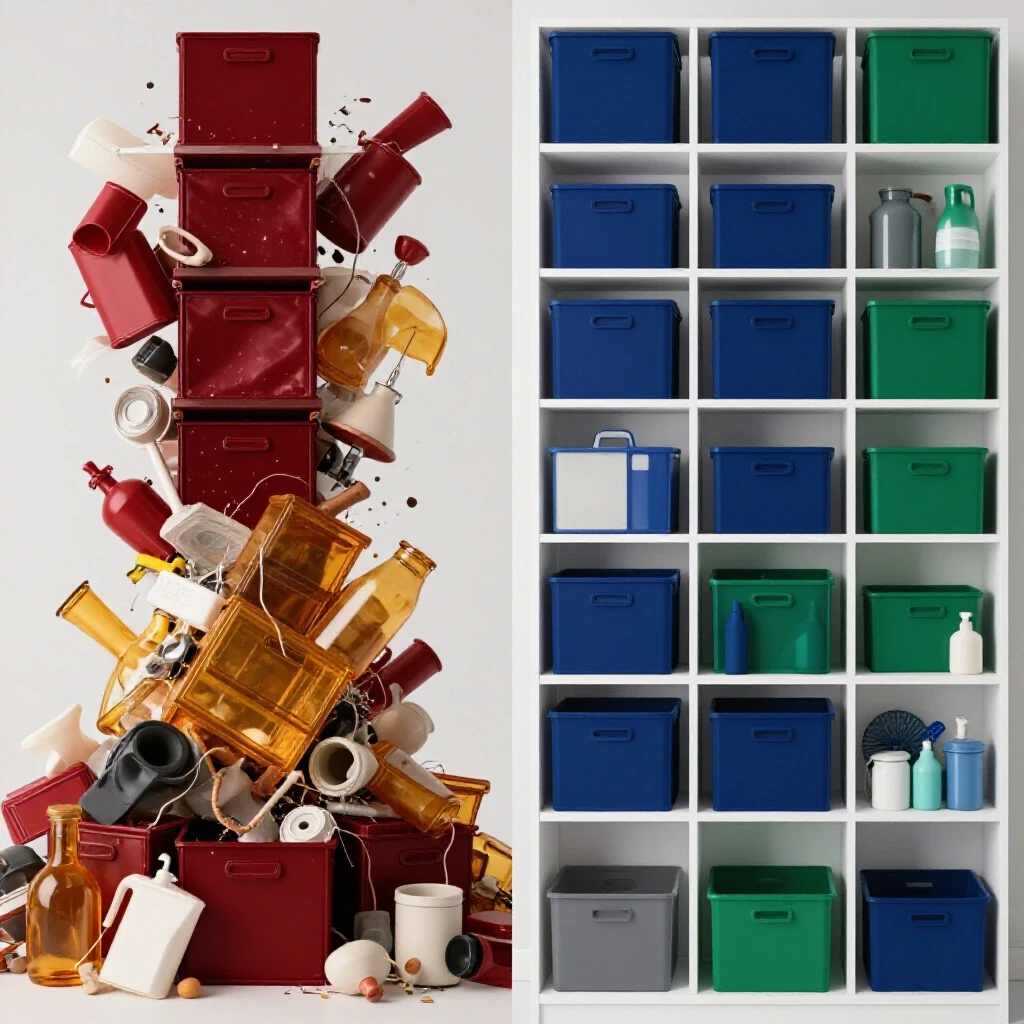
Logistical failure in a home occurs when the “put-away friction” exceeds the user’s available energy. When every small item has a hyper-specific home, the brain must make a series of micro-decisions for every single object during a cleanup. This leads to decision fatigue, causing us to abandon the system entirely.
Why High-Friction Systems Lead to Rapid Reversion
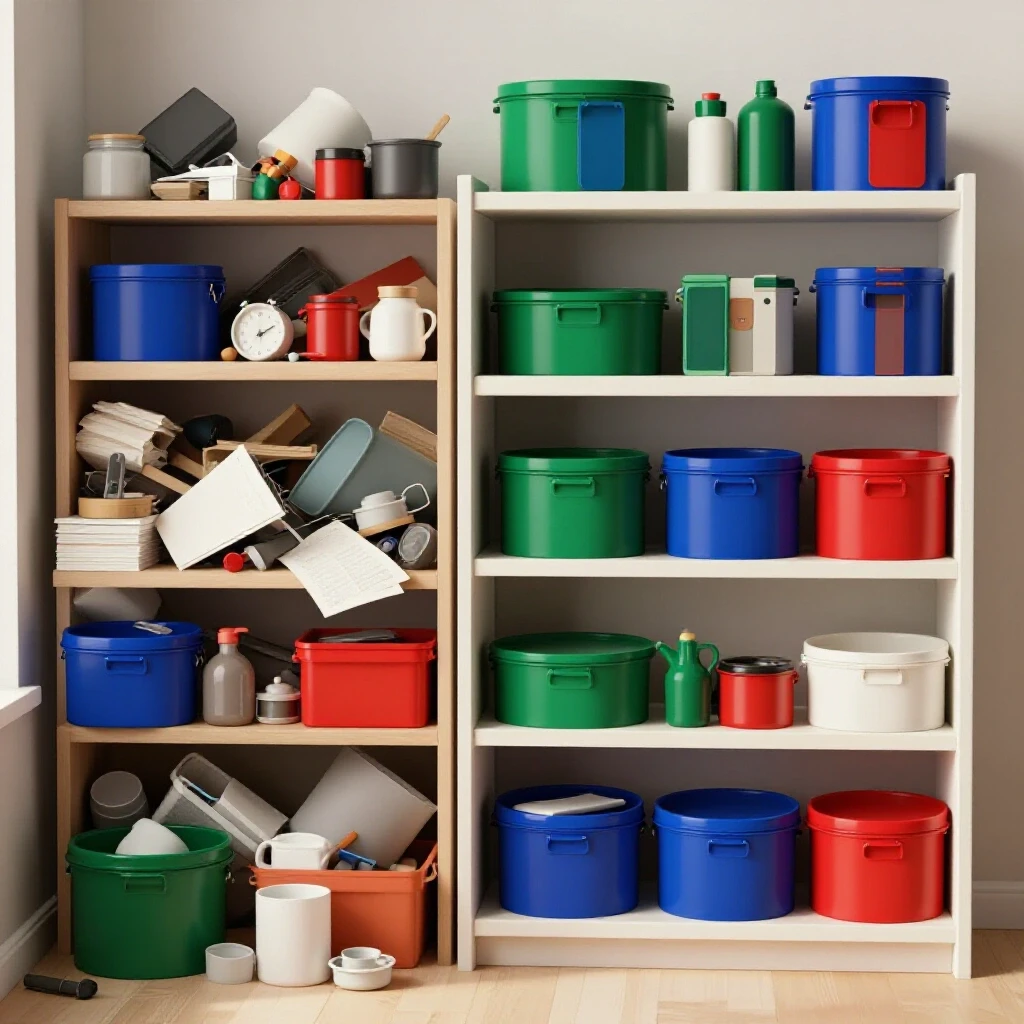
High-friction systems are storage setups that require multiple steps to access or return an item, such as unstacking boxes or opening tight lids. When a system is too complex, the “reversion rate”—the speed at which a room returns to a state of clutter—increases dramatically because the family finds the rules too taxing to follow.
Environmental psychology research suggests that our brains prefer “low-effort” paths when we are tired. If a child has to choose between five different bins for their building blocks based on color, they will likely just leave them on the rug. If there is one large bin for all blocks, the task becomes a single-motion action. This reduction in cognitive load is the secret to maintaining a functional home.
The Impact of Visual Processing Overload
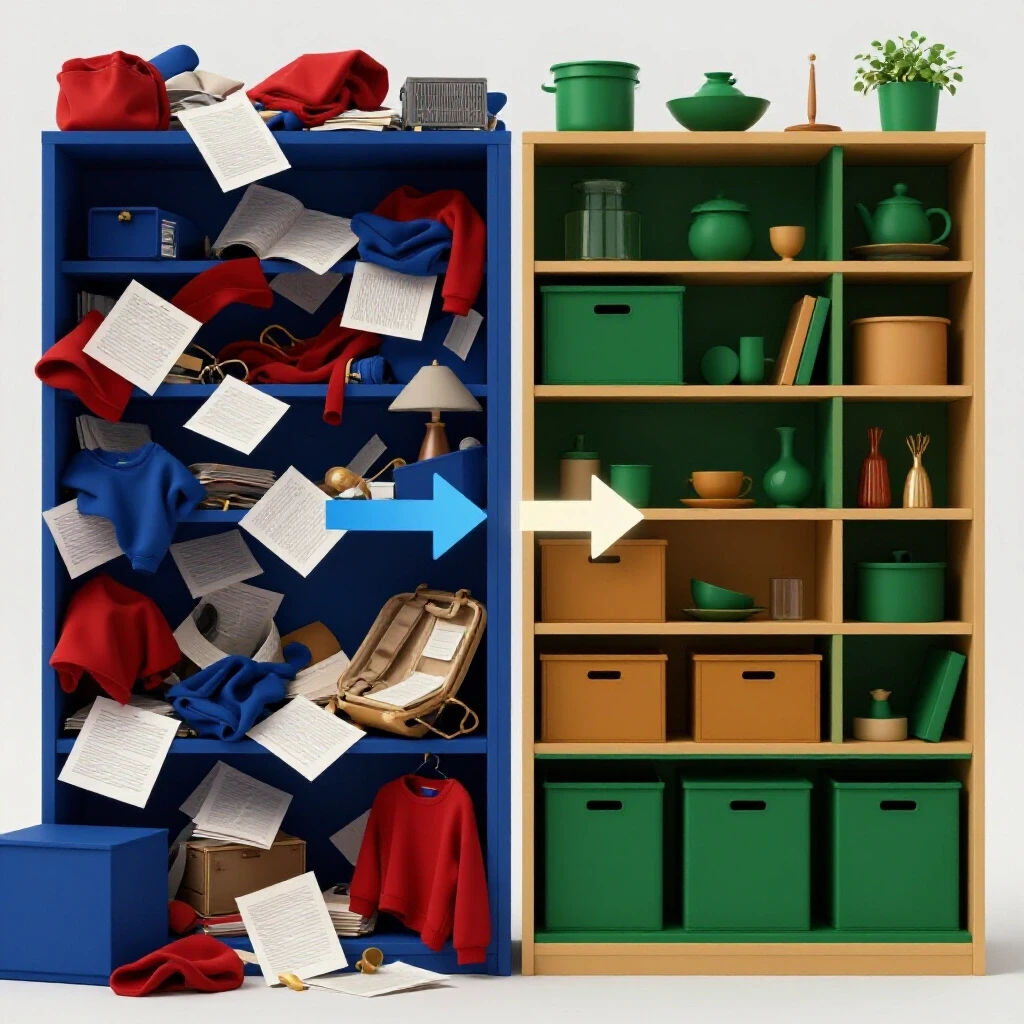
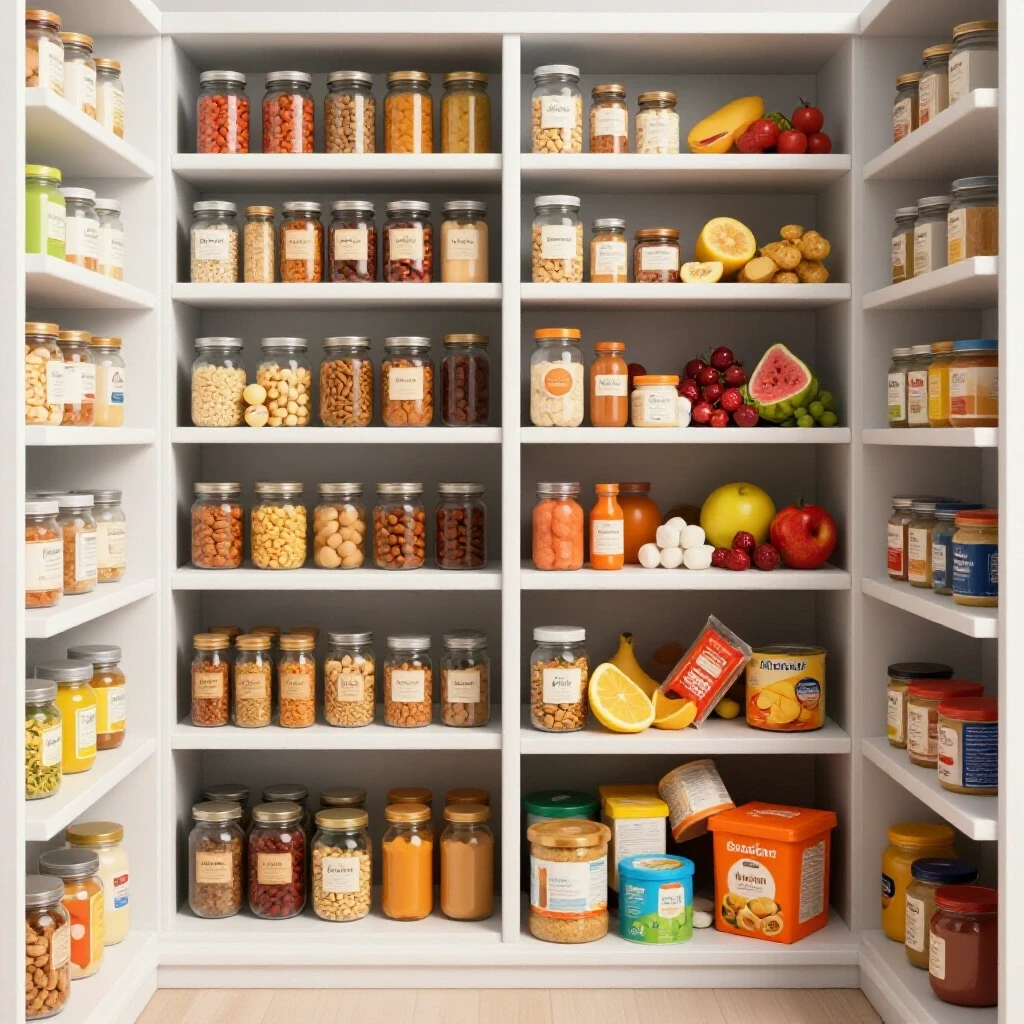
Visual processing overload happens when our eyes are forced to scan too many distinct categories or labels to find what we need. When a shelf is filled with twenty small, specific containers, the visual “noise” can trigger stress responses in the brain, making the room feel cluttered even if everything is technically in a box.
By consolidating these smaller groups into fewer, larger containers, we create “visual rest.” This doesn’t mean we are being messy; it means we are prioritizing the flow of the room over the perfection of the interior of a bin. A single large basket for “Office Supplies” is easier for the eye to process than six small cups for pens, clips, staples, and tape.
| Storage Metric | Micro-Categorized System | Broad-Category System |
|---|---|---|
| Retrieval Steps | 4-6 steps (Find, unstack, open, sort) | 1-2 steps (Reach, grab) |
| Put-away Friction | High (Requires active sorting) | Low (Requires simple dropping) |
| Decision Fatigue | High (Where does this specific item go?) | Low (Goes in the general bin) |
| Maintenance Time | 30+ minutes daily | 5-10 minutes daily |
| System Longevity | Low (Fails within 7 days) | High (Sustainable for months) |
The Logic of Merging Household Storage Groups
Merging storage groups involves combining related items into one larger “macro-zone” rather than keeping them in separate, tiny containers. This approach acknowledges that while we might save five seconds finding a specific item in a micro-sorted system, we lose hours every week trying to maintain that level of detail.
Defining Retrieval vs. Put-away Friction
Retrieval friction is the effort required to get an item out, while put-away friction is the effort required to return it. In a professional logistics environment, we focus heavily on the “put-away” side because that is where most backlogs occur. If it is hard to put things back, they stay in the “staging area” (the kitchen counter or the end of the couch) indefinitely.
To reduce household clutter, we must prioritize low put-away friction. This often means using open-top bins or larger containers where items can be tossed in without precise alignment. If you can return an item to its home using only one hand and without moving another object, you have achieved a low-friction setup.
Spatial Capacity and the 80% Rule
Spatial capacity refers to the total amount of volume a storage unit can hold before it becomes difficult to use. In logistics, a warehouse is considered “full” at 85% capacity; anything beyond that causes a massive drop in efficiency because there is no room to move items around.
The same applies to your home. When you collapse your categories into larger bins, you must ensure you aren’t overfilling them. Aim for 80% capacity. This extra “breathing room” allows you to see the contents at a glance and prevents the “overflow effect,” where items spill out and create new piles on the floor.
A Framework for Simplified Sorting
Implementing a more inclusive grouping strategy requires a shift in how we view our belongings. Instead of asking, “What is this specific item?” we should ask, “What general activity does this item support?” This shifts the focus from the object to the lifestyle.
Identifying Your Macro-Zones
A macro-zone is a broad area of the home dedicated to a single category of life. For example, instead of having a “baking shelf,” a “spice rack,” and a “snack bin,” you might create a “Food Prep Zone” and a “Ready-to-Eat Zone.” This reduces the number of places an item could possibly live.
- The Utility Zone: Combines batteries, lightbulbs, tools, and tape.
- The Wellness Zone: Merges first aid, daily vitamins, and skincare.
- The Creative Zone: Houses all art supplies, from paints to paper, in one or two large bins.
- The Tech Zone: A single home for all charging cables, headphones, and power bricks.
The Five-Minute Merging Process
You can begin simplifying your home organization systems by targeting one high-traffic area, like a junk drawer or a bathroom cabinet. The goal is to reduce the total number of containers by at least 50%.
- Empty the space: Remove everything so you can see the total volume.
- Group by “Vibe,” not “Type”: Put all “getting ready” items together rather than separating hair ties from combs.
- Select larger vessels: Replace four small dividers with one medium-sized bin.
- Label broadly: Use labels like “Hair” or “Office” instead of “Paperclips.”
- Test the friction: Try putting an item away with your non-dominant hand. If it’s hard, the category is still too specific.
Selecting Low-Maintenance Storage Gear
The physical containers you choose play a massive role in whether your sustainable decluttering efforts will stick. Many people buy “pretty” containers that actually increase the work required to stay organized.
Why Open-Top Bins Beat Lidded Boxes
Lids are the enemy of a tidy home for busy families. Every lid represents an extra step in the put-away process. In my house, we found that lidded bins in the playroom resulted in toys being piled on top of the lids rather than inside the bins.
By switching to open-top felt or plastic bins, we reduced the “sorting time” for a living room cleanup from fifteen minutes to four. We didn’t have to open, stack, or snap anything shut. We just moved through the room and placed items in their respective zones.
Choosing Durable and Accessible Materials
When looking for functional home storage, prioritize durability and visibility. Clear bins are excellent for items you need to identify quickly, but solid-colored bins are better for “visual rest” in high-traffic areas like the living room.
- Natural Fibers: Good for soft goods like blankets or stuffed animals.
- Clear Plastic: Best for “The Utility Zone” so you can see battery sizes or tool types.
- Heavy-Duty Totes: Use these for the garage or attic, but keep the categories broad (e.g., “Camping” instead of “Tents” and “Stoves”).
- Modular Drawers: Use these for deep cabinets where things often get lost in the back.
| Container Type | Friction Level | Best Use Case | Maintenance Level |
|---|---|---|---|
| Open Basket | Very Low | Toys, shoes, daily mail | Minimal |
| Clear Drawer | Low | Craft supplies, bathroom items | Low |
| Lidded Tote | High | Long-term storage, keepsakes | Moderate |
| Divided Tray | Very High | Jewelry, very small hardware | High |
Designing High-Speed Zoning Maps
A zoning map is a mental or physical layout of where broad categories live in your home. By mapping your home based on “flow rates”—how often items move in and out—you can place your simplified storage systems in the most effective spots.
High-Flow vs. Low-Flow Areas
High-flow items are things you touch every day, like keys, wallets, and school bags. These should live in “Zero-Friction Zones,” such as hooks or wide-mouth baskets right at the entry point. Low-flow items, like extra linens or lightbulbs, can live in slightly higher-friction areas like a top shelf or a hallway closet.
In our home, we mapped the entryway to handle the “after-school explosion.” Instead of individual cubbies for every item (hats, gloves, bags), we used one large basket per person. Everything they are wearing or carrying goes into that one basket. It takes five seconds, and the floor stays clear.
Reducing Retrieval Step Counts
Every time you have to walk across the house to put something away, the chance of you actually doing it drops by about 20%. Logistically, you want to store items as close to their point of use as possible.
If you find that mail always piles up on the kitchen island, don’t try to force yourself to walk it to an office in the back of the house. Instead, put a broad “Paperwork” bin right on the island or in a nearby drawer. Accept the natural flow of your family’s movement and build the system around it.
Building Sustainable Habit Loops
Even the best storage solutions for families will fail without a basic maintenance routine. However, because we have collapsed our categories, these routines should be significantly shorter and less taxing.
The “One-Touch” Rule for Busy Adults
The “one-touch” rule is a classic logistics principle: try to touch an item only once from the moment it enters the house until it reaches its final home. If you bring in the mail, don’t put it on the counter (Touch 1) and then move it to the desk (Touch 2). Put it straight into the “Paperwork” bin (Touch 1).
By having broad categories, “one-touching” becomes much easier. You don’t have to find the “Electric Bill” folder; you just have to find the “Bills” basket. This small shift in the “sorting time-box” makes a massive difference in daily household clutter.
Family-Friendly Maintenance Timelines
Consistency is better than intensity. A five-minute “sweep” every evening is more effective than a four-hour organizing marathon every Sunday. Because your systems are now low-friction, a five-minute sweep can actually accomplish a lot.
- Daily (5 mins): Clear the “Zero-Friction Zones” (entryway, kitchen island).
- Weekly (15 mins): Reset the macro-bins (straighten up the “Wellness Zone” or “Creative Zone”).
- Monthly (30 mins): Check for “inflow/outflow” (donate items that no longer fit the broad categories).
Standardized Metrics for a Tidy Home
To know if your new system is working, you can track a few simple metrics. These aren’t about perfection; they are about functionality and stress reduction.
- The 10-Second Rule: You should be able to find or put away any common household item in under 10 seconds.
- The Floor Clearance Rate: How much of your floor is visible at the end of the day? Aim for 95%.
- The “Guest Ready” Time: How long would it take you to make the main living areas presentable for a guest? With broad-category storage, this should be under 15 minutes.
- Item Density: Ensure no drawer or bin is so packed that you have to remove items to reach the one at the bottom.
Maintaining Order Over the Long Term
The goal of merging your storage groups is to create a system that is “forgiving.” Life happens. Kids get sick, work gets busy, and sometimes the laundry doesn’t get folded for three days. A system based on broad categories can handle these disruptions because it doesn’t require much effort to restart.
Handling System Feedback Loops
A “feedback loop” is when your home tells you a system is failing. If a specific pile keeps forming on a chair, that’s feedback. It means the current storage for those items is either too far away or too difficult to use.
Instead of getting frustrated, use that feedback to collapse another category. If the “Gym Gear” bin is always empty but the clothes are on the floor, maybe the bin needs to be larger, or maybe it needs to be moved to the bedroom where you actually change.
The Psychological Benefits of Sustainable Habits
When you stop fighting against your own nature and start using simplified systems, the mental fatigue of “home management” begins to lift. You no longer walk into a room and see a hundred tiny tasks; you see a few large zones that are easy to maintain. This creates a sense of agency and calm, allowing you to focus your energy on your family and your career rather than on sorting your junk drawer for the tenth time this year.
Summary of Next Steps
- Audit your friction: Identify which bins or drawers you avoid using because they are too “fussy.”
- Merge two categories today: Take two small, specific groups (like “batteries” and “bulbs”) and put them in one larger container.
- Ditch the lids: Remove lids from frequently used bins to lower the barrier to tidying up.
- Focus on the “Put-Away”: Prioritize making it easy to return items, even if the inside of the bin looks a bit messy.
- Embrace the 80% rule: Give your broad categories room to grow so the system doesn’t overflow.
Frequently Asked Questions
How do I know if my categories are too specific? If you find yourself leaving items next to a container rather than inside it, or if you have more than ten distinct categories in a single small area (like a junk drawer), your system is likely too specific. A good rule of thumb is that if it takes more than three seconds to decide which bin an item belongs in, the category needs to be broader.
Will merging categories make it harder to find small items? While it might take an extra five seconds to ruffle through a “Writing Tools” bin to find a highlighter, you will save minutes of sorting time every single day. For most households, the trade-off of slightly longer retrieval for significantly faster cleanup is well worth it.
How do I get my kids to follow a broad-category system? Children thrive with macro-organization because it requires less “sorting logic.” Use picture labels on large, open-top baskets. Instead of “Legos,” “Blocks,” and “Cars,” try a “Building” bin and a “Moving Toys” bin. The fewer choices they have to make, the more likely they are to help clean up.
What should I do with items that don’t fit into any broad group? Every home needs one (and only one) “Utility” or “Miscellaneous” bin. The key is to keep this bin small. If it starts to overflow, it’s a sign that a new broad category is forming or that you have items that simply need to be decluttered.
Does this mean my house will never look “perfect”? “Perfect” is often the enemy of “functional.” A broad-category system creates a home that looks tidy and organized on the outside while remaining easy to manage on the inside. It prioritizes your time and mental health over the aesthetic of a professional showroom.
Can I use this approach in the kitchen? Yes. Instead of having separate containers for “baking powder,” “baking soda,” and “yeast,” put all small baking additives into one “Baking Basics” bin. This keeps the counters clear and makes it easy to pull out everything you need for one activity at once.
How do labels work with broad categories? Labels should be simple and inclusive. Use “Electronics” instead of “Cables,” “Chargers,” and “Battery Packs.” This gives everyone in the house a clear “target” for where items go without requiring them to be organizational experts.
Is it okay if the inside of a bin looks messy? Yes. Logistics professionals care about “system throughput”—how fast things move in and out—not whether the items inside a bin are lined up in a row. If the bin is contained and the category is clear, the “internal mess” is irrelevant to the overall tidiness of your home.
What if I have a very small home with limited storage? In small spaces, broad categories are even more important because you don’t have room for dozens of tiny containers. Using vertical space with large, labeled bins allows you to maximize your volume without creating the visual clutter of many small objects.
How often should I review my broad categories? Check your systems every few months. If you notice a particular bin is always overflowing, it may be time to split that one category into two. If a bin is always empty, you can probably merge it with something else to save space.
(This article was written by one of our staff writers, Christopher Bennett. Visit our Meet the Team page to learn more about the author and their expertise.)