How Pantry Organization Cuts Grocery Costs (Step-by-Step Guide)

Have you ever come home with a fresh jar of peanut butter, only to find two unopened ones hiding behind a stack of crackers? It is a common frustration for many families. We spend time and energy cleaning our kitchens, yet within days, the shelves are a jumbled mess again. This cycle leads to more than just a messy house; it leads to duplicate spending and forgotten items that eventually go to waste.
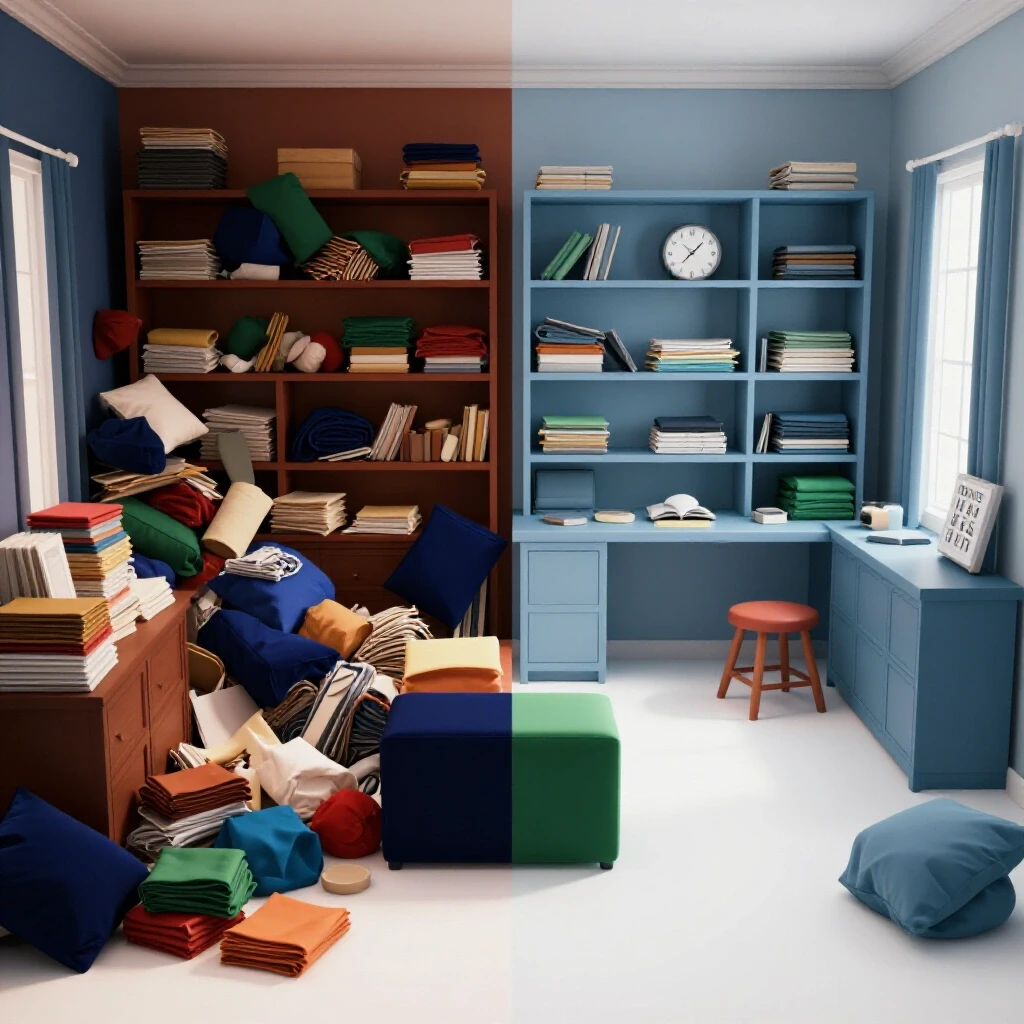
In my eleven years working in operations and logistics, I have learned that a messy space is usually a sign of a broken system, not a lack of willpower. In a warehouse, if you cannot find a product, you lose money. The same logic applies to your home. When our family’s food storage became a “black hole,” we stopped seeing it as a cleaning chore and started seeing it as an inventory management problem. By applying professional spatial principles, we created a system that stays tidy and significantly lowers our monthly food costs.
Analyzing the Logistics of a Dysfunctional Food Storage Area
Spatial logistics refers to how items move through a home, from the moment they enter the front door to the moment they are used or discarded. When a storage area lacks a clear path for incoming and outgoing goods, it creates bottlenecks. This results in lost items, duplicate purchases, and increased mental fatigue for the person managing the household inventory.
In logistics, we look at “inflow” and “outflow.” In most homes, the inflow (buying groceries) is high, but the outflow (using them) is disorganized. This leads to a “clutter backlog.” Research in environmental psychology suggests that visual clutter competes for our attention. This causes a subtle but constant drain on our mental energy. When your pantry is packed tight, your brain has to work harder to “scan” for what you need. This is why you might feel exhausted just looking at a messy shelf.
Interestingly, many families fail because they try to organize for aesthetics rather than function. They buy matching bins before they understand their own habits. In our home, we found that the most beautiful systems were often the hardest to maintain. We needed a system that accounted for “retrieval friction”—the number of steps it takes to get something out or put it away. If a system is too hard to use, it will fail within a week.
Reducing Decision Fatigue Through Visual Inventory Control
Visual inventory control is a method where items are stored so their quantity is immediately apparent. By using clear sightlines, you reduce the brain’s need to search and sort. This prevents “blind spots” where food expires and money is wasted on items you already own. It is a key part of sustainable decluttering.
When you can see everything at a glance, you spend less time making decisions. Decision fatigue is a real psychological state where the quality of our choices declines after a long session of decision-making. If you have to move five boxes to see if you have pasta, you are more likely to just buy more pasta “to be safe.” This is how household clutter grows.
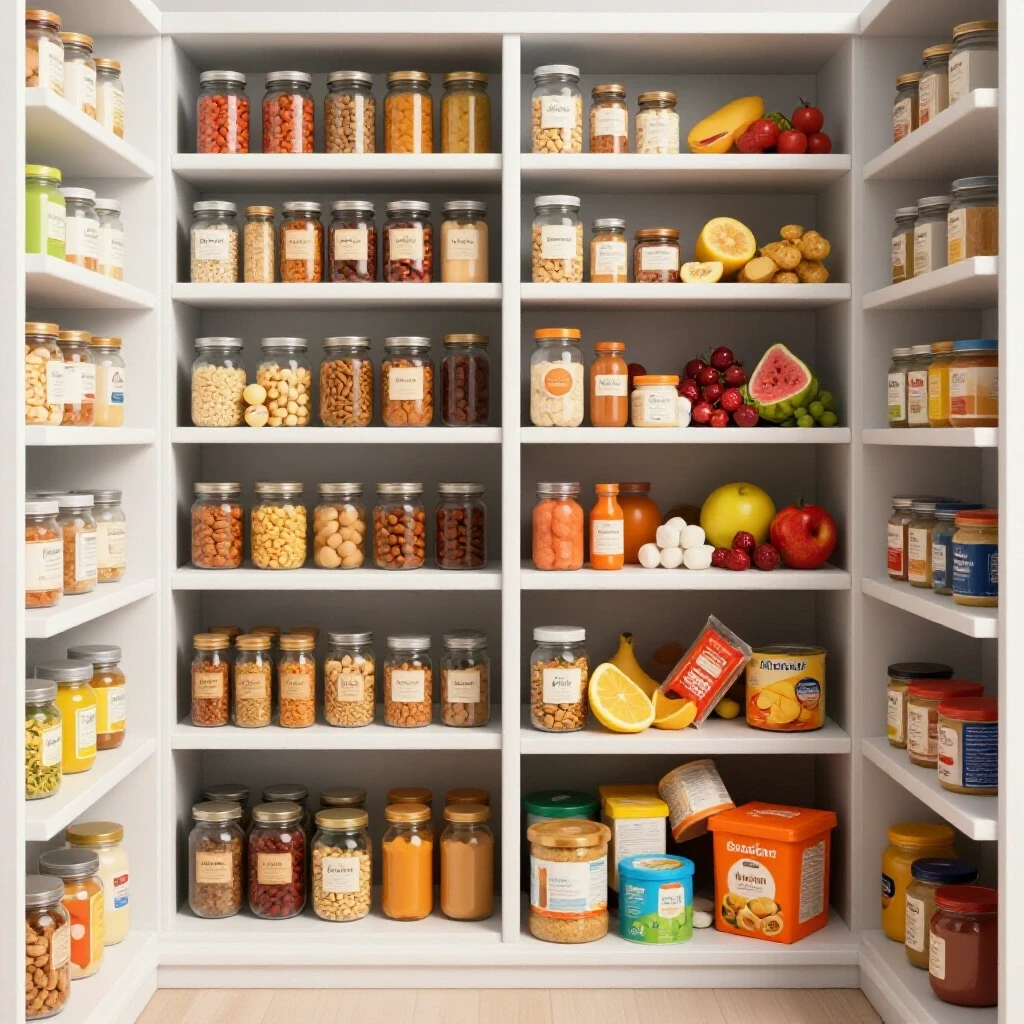
To fix this, we implemented a “one-layer” rule. Whenever possible, items should not be stacked behind one another. Building on this, we used tiered risers for cans and clear bins for smaller items. This simple change turned our storage space into a “visual map.” We no longer had to dig; we could just look. This reduced our “search time” from minutes to seconds.
Comparing Storage Systems by Friction Levels
Understanding how much effort a system requires is vital for long-term success. High-friction systems require more steps and are more likely to revert to clutter.
| System Type | Action Steps | Maintenance Level | Sustainability |
|---|---|---|---|
| Deep Shelves (No Bins) | 5+ (Moving items to see back) | High | Low |
| Lidded Opaque Tubs | 4 (Remove tub, open lid, search) | Medium-High | Low |
| Clear Open-Top Bins | 1 (Reach and grab) | Low | High |
| Tiered Can Risers | 1 (Visual scan and grab) | Low | High |
The Sorting Framework: Industrial Efficiency for the Home
A sorting framework is a set of rules used to categorize items based on how they are used. Instead of just “putting things away,” you are placing them in a specific location based on frequency of use and item type. This professional approach to home organization systems ensures that every item has a logical home.
In our first major reset, we used a “sorting log” to track what we actually used over two weeks. We realized that 20% of our items accounted for 80% of our daily use. This is known as the Pareto Principle. By identifying these high-use items, we could place them in the most accessible “prime real estate” zones.
We also adopted the “First-In, First-Out” (FIFO) method. This is a standard warehouse practice where newer items are placed behind older ones. It sounds simple, but it is the most effective way to prevent food waste. When we unload groceries, the new cereal box goes to the back, and the open one stays in front. This small habit loop saved us from throwing away expired boxes that had migrated to the back of the shelf.
- Step 1: The Total Empty. Remove every single item from the space.
- Step 2: The Audit. Check expiration dates and group like-items together.
- Step 3: The Category Map. Group items by “use case” (e.g., breakfast, baking, snacks).
- Step 4: The Zone Placement. Assign zones based on reachability.
Creating High-Speed Zoning Maps for the Family
Zoning is the process of dividing a storage space into functional areas based on the user’s physical reach and daily routines. A high-speed zoning map ensures that the most frequent tasks, like packing school lunches or making coffee, can be done with minimal movement. This is a core part of functional home storage.
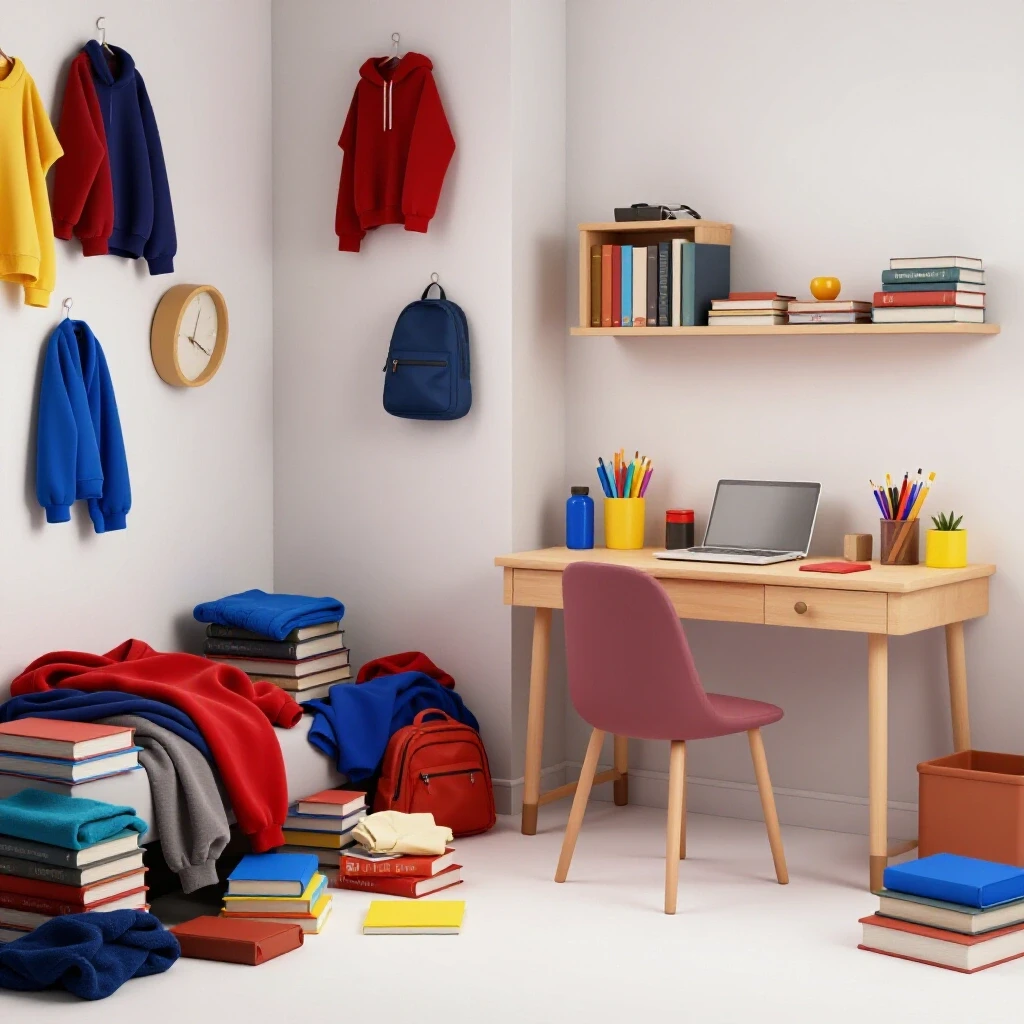
In our home, I noticed that my children would often leave snacks on the counter because the snack bin was too high for them to reach. This created “counter clutter.” By moving their snacks to a lower “Kid Zone,” I reduced the friction for them to put things away. We also created a “Dinner Prep Zone” at eye level for adults.
A successful zoning map accounts for the height of all family members. It places heavy items, like bulk flour or rice, on lower shelves to prevent injury and make them easier to slide out. Light, infrequently used items, like holiday cookie cutters, go on the top shelves. This spatial hierarchy makes the system intuitive for everyone, not just the person who organized it.
Household Retrieval Step Count Analysis
We measured how many steps it took to perform common tasks before and after our reorganization. Reducing these steps is the secret to a system that lasts.
- Making School Lunch (Before): 12 steps (searching multiple shelves, opening lids).
- Making School Lunch (After): 4 steps (all items in one “Lunch Zone” bin).
- Finding Baking Supplies (Before): 8 steps (digging behind tall boxes).
- Finding Baking Supplies (After): 2 steps (pull-out bin labeled “Baking”).
Selecting Low-Maintenance Storage Gear Over Visual Trends
Low-maintenance storage gear refers to containers and tools that prioritize ease of use and durability over trendy appearances. The goal is to find storage solutions for families that can withstand daily wear and tear without requiring constant “fixing” or “fiddling.” This approach reduces the cognitive load of spaces.
Many people fall into the trap of buying “pretty” containers that are actually hard to use. For example, glass jars with tight suction lids look great on social media. However, if you have to use two hands and significant force to open a jar every time you want a cracker, you will eventually stop putting the crackers back in the jar.
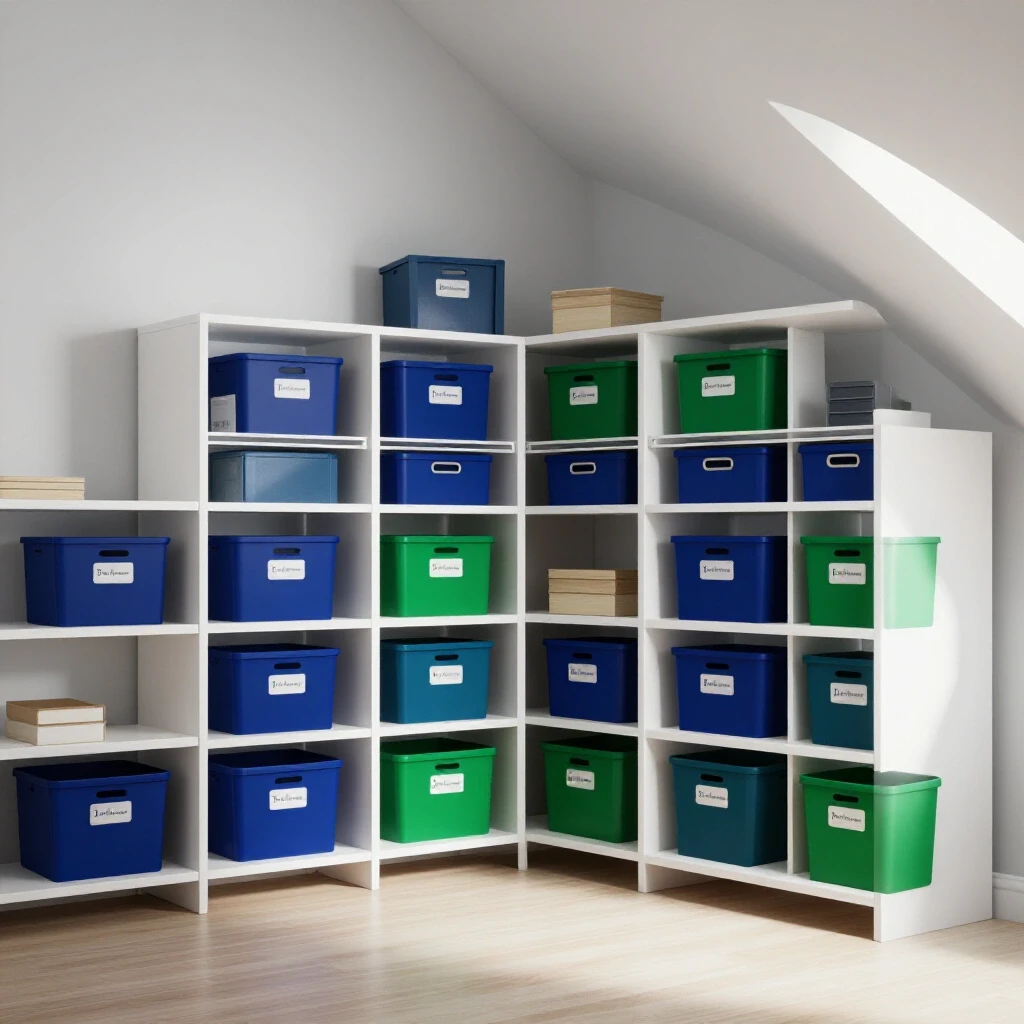
We switched to open-front bins for most of our dry goods. These allow you to see the contents and reach in without moving the bin. We also prioritized “modular” units. These are containers designed to stack or sit side-by-side without wasting “air space.” In logistics, empty air is wasted money. In a pantry, maximizing “space utilization percentage” means you can fit more in a smaller footprint without it feeling crowded.
- Measure twice, buy once. Always measure the depth and width of your shelves before buying bins.
- Prioritize visibility. Clear plastic or wire mesh is almost always better than solid wood or wicker.
- Check for “Grip and Glide.” Ensure bins have handles and smooth bottoms so they slide easily on your shelving material.
- Avoid “Micro-Categorizing.” Don’t have a separate bin for “granola bars” and “fruit snacks.” Just have one “Snacks” bin to keep the system simple.
Building Systematic Habit Loops for Long-Term Maintenance
A habit loop is a three-part process: a cue, a routine, and a reward. In the context of a tidy home, it involves creating small, repeatable actions that prevent clutter from rebuilding. This is the final step in the decluttering journey, moving from a one-time project to a sustainable lifestyle.
Our most successful habit is the “Sunday Reset.” It takes exactly ten minutes. During this time, we quickly scan the shelves, move older items to the front, and check our “Inventory Sheet” before grocery shopping. This prevents us from buying things we already have. Because the system is zoned and easy to see, this reset is not a “deep clean”—it is just a quick alignment.
Another key habit is “Inflow Processing.” When we bring groceries home, we remove excess packaging immediately. Cardboard boxes take up a lot of space and hide the actual amount of food left. By decanting items into bins or simply removing the outer wrap, we maintain our visual inventory. This small effort at the start saves significant time and frustration later in the week.
- The 2-Minute Sweep: Every evening, quickly check that items are in their assigned zones.
- The Shopping Audit: Never go to the store without a 60-second visual scan of your zones.
- The Label Rule: If a bin loses its label, replace it immediately to prevent “category drift.”
Real-World Logistics: A Case Study in Pantry Efficiency
To test our system, we tracked our family’s “sorting speed”—the time it takes to put away a full load of groceries. Before we had a structured system, it took about 25 minutes to find space and shove items into the pantry. It was a stressful game of Tetris.
After implementing our zoning map and clear bin system, that time dropped to 10 minutes. Because every category had a dedicated “parking spot,” we didn’t have to think about where things went. We just matched the item to the zone. This 60% increase in efficiency meant less stress for us and less “clutter creep” on our kitchen counters.
We also saw a drop in our “waste rate.” By using the FIFO method and visual bins, we stopped finding expired cans of soup from three years ago. We were actually eating what we bought. This is the real power of home organization systems; they don’t just look good, they change how your household functions on a fundamental level.
Daily Maintenance Timeline for a Family of Four
- Morning (2 mins): Grab items from “Breakfast Zone”; return them immediately after use.
- Afternoon (3 mins): Kids access “Lower Snack Zone”; they can see exactly what is available.
- Evening (5 mins): Pull “Dinner Prep” items; quick visual check of stock levels.
- Total Daily Time: 10 minutes to maintain a functional, tidy space.
Conclusion: Starting Your Own Low-Friction Reset
Creating a sustainable system for your food storage does not require a complete kitchen remodel. It starts with changing how you view the space. Stop thinking about it as a closet where you hide things, and start thinking about it as a high-efficiency distribution center for your family.
Start small. Choose one shelf or one category, like “Breakfast items.” Apply the one-layer rule and see how much easier your mornings become. Once you experience the reduction in mental fatigue that comes from a functional space, you will find it much easier to move on to the rest of your home. Remember, the goal is not a “perfect” home; it is a home that works for you, rather than you working for it.
Frequently Asked Questions
How do I stop my family from messing up the system?
The key is to reduce “retrieval friction.” If the system is easier to use than leaving things on the counter, people will follow it. Use open bins without lids for items that kids use frequently. Label everything clearly so there is no guesswork about where an item belongs.
What is the most common mistake in pantry organization?
The biggest mistake is “over-organizing” or micro-categorizing. If you have a different bin for every single type of snack, it becomes too hard to maintain. Keep categories broad, like “Grains,” “Snacks,” and “Baking,” to make it easier for everyone to put things away.
How do I handle deep shelves that hide items?
Deep shelves are a logistical nightmare. Use long, clear “pull-out” bins that act like drawers. This allows you to pull the entire contents of the shelf forward into the light. Never store loose items at the back of a deep shelf without a bin.
Do I really need to use labels?
Yes. Labels act as “signage” in your warehouse. They tell everyone in the family exactly where an item lives. This prevents people from shoving things into random spots when they are in a hurry. Simple, printed labels or even a chalk marker on a bin work wonders.
How often should I “reset” the space?
A quick 10-minute reset once a week, usually before you do your grocery shopping, is enough. This keeps items from migrating out of their zones and allows you to check your inventory so you don’t buy duplicates.
Is it worth it to take food out of the original boxes?
In many cases, yes. Removing outer cardboard boxes (like for individual oatmeal packets or granola bars) saves a massive amount of space and lets you see exactly how much you have left. This is called “decanting,” and it is a powerful tool for visual inventory control.
How do I organize a small pantry on a budget?
You don’t need expensive containers. Use what you have, but apply the principles of zoning and visibility. Even sturdy cardboard boxes with the tops cut off can act as bins. Focus on the layout and the “one-layer” rule rather than the price of the gear.
What should I do with bulk items that don’t fit in bins?
Store bulk items on the floor or the very bottom shelf. Use large, rolling bins if possible so you can slide them out easily. Only keep a “working quantity” in your main eye-level zones and refill them from your bulk supply as needed.
How does this system actually save money?
It saves money by preventing “inventory loss.” When you can see what you have, you stop buying duplicates. When you use the FIFO method, you stop throwing away expired food. It turns your storage into a functional tool rather than a graveyard for groceries.
What if my pantry is just a set of cabinets?
The principles are the same. Use “lazy susans” in corner cabinets to bring items to the front. Use shelf risers to create more vertical space. The goal is always the same: make it so you can see and reach everything with the fewest number of movements.
(This article was written by one of our staff writers, Christopher Bennett. Visit our Meet the Team page to learn more about the author and their expertise.)