How to Build DIY Laundry Room Cabinets for Better Storage (Guide)

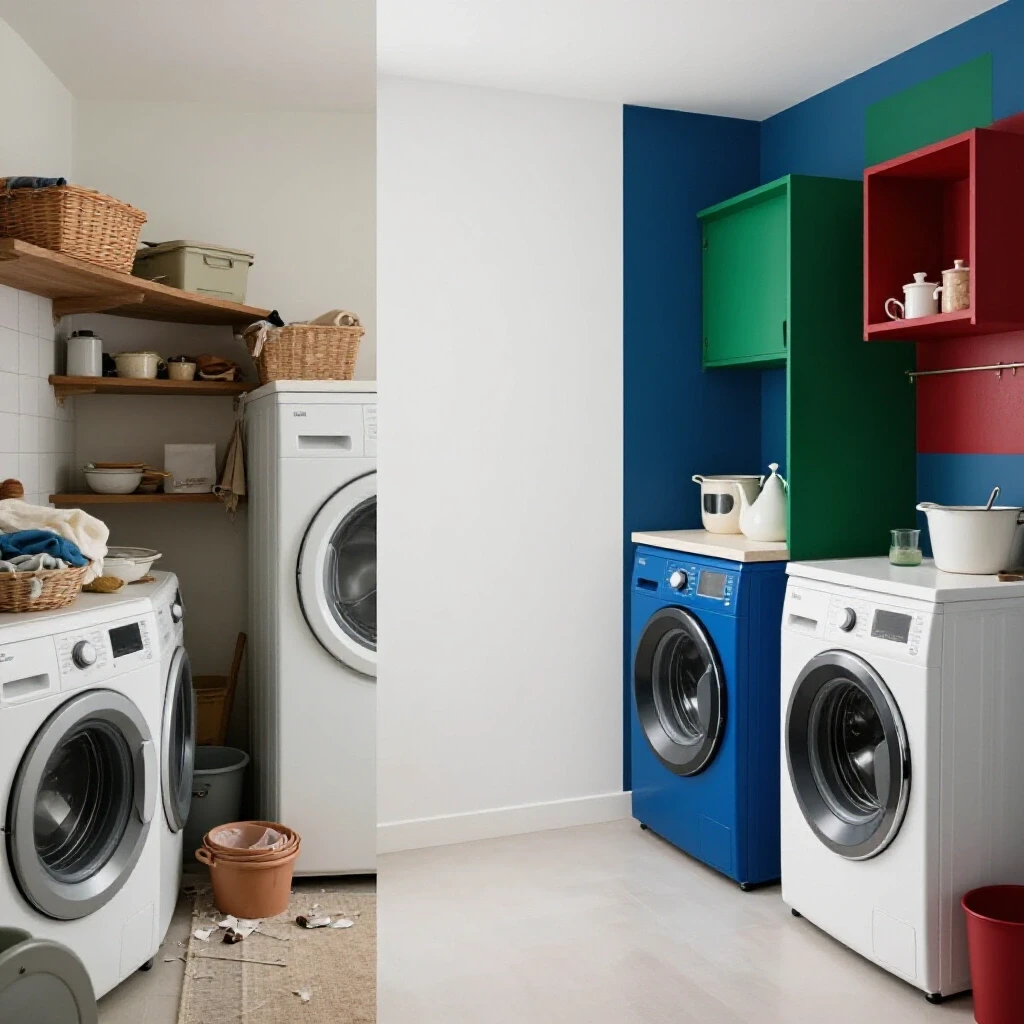
When we consider home value, we often focus on high-traffic areas like kitchens and bathrooms. However, a functional and organized utility space is a secret weapon for increasing resale value and daily efficiency. Prospective buyers are often drawn to homes where the “workhorse” rooms are already optimized, as it suggests the property has been maintained with care and foresight.
In my 12 years as a facilities manager, I have learned that the most successful weekend DIY projects are those that prioritize structural integrity and long-term durability over quick cosmetic fixes. I remember my first major storage project in our current home; I underestimated how much weight a simple wall-mounted unit would need to hold once it was filled with heavy detergent bottles and household supplies. That experience taught me that in a high-use area, your mounting strategy is just as important as the aesthetic of the wood itself. By following building code standards for fastener spacing and weight distribution, you can create a storage solution that looks professional and stands the test of time.
Evaluating Your Workspace and Planning the Layout
Mapping out your utility area is the essential first step before any materials are purchased or holes are drilled. This phase involves measuring the available wall space, identifying the location of wall studs, and ensuring that your proposed storage units will not interfere with the operation of your existing appliances.
Before you start, you must understand the “work triangle” of your laundry area. You need enough clearance to open washing machine lids or dryer doors without hitting your new units. I always recommend using painter’s tape to outline the dimensions of the storage on the wall. This visual guide helps you see if the height is comfortable for your reach and if the depth of the units will make the room feel cramped.
| Project Phase | Estimated Active Hours | Difficulty Rating (1-10) |
|---|---|---|
| Site Prep & Measuring | 2 Hours | 2 |
| Material Sourcing | 3 Hours | 3 |
| Mounting & Installation | 6-8 Hours | 6 |
| Finishing & Sealing | 4 Hours | 4 |
Determining Load Requirements and Weight Limits
Understanding the physical demands on your storage is critical for safety and longevity. This involves calculating the total weight of the items you plan to store and comparing that to the load-bearing capacity of your wall and the fasteners you intend to use for the installation.
Standard wall-mounted units are typically rated for specific weight capacities, but these ratings assume they are anchored directly into wooden wall studs. In my experience, a single 3-inch cabinet screw driven into a stud can support significant weight, but if you miss the stud and rely on drywall anchors, the risk of failure increases exponentially. Always aim to hit at least two studs per unit to ensure the load is distributed across the home’s framing.
Essential Tool Inventory for Secure Mounting
Having the right tools on hand prevents the frustration of mid-project hardware store runs and ensures the installation is level and secure. This list includes precision measurement tools, safety gear, and the manual or cordless equipment required to assemble and hang your storage units effectively.
To complete a safe home repair or upgrade, you need to trust your measurements. A 4-foot level is much more accurate for hanging wall units than a small torpedo level. While cordless systems have made these projects much faster, the fundamentals of using a stud finder and a manual screwdriver for final tightening remain the best practices for preventing over-stripped screws.
- Stud Finder: A reliable tool to locate the center of wooden wall framing.
- 4-Foot Level: Essential for ensuring the units are perfectly horizontal across a long span.
- Cordless Drill and Driver: Used for pre-drilling pilot holes and driving mounting screws.
- Tape Measure: A 25-foot locking tape is standard for most residential tasks.
- Impact Driver: Provides the necessary torque for driving long fasteners into studs without stripping the heads.
- Clamps: These act as an extra set of hands when holding units together during assembly.
- Personal Protective Equipment (PPE): Safety glasses and a dust mask for protection during drilling and sanding.
Understanding Fastener Selection and Pilot Holes
Choosing the correct screws and understanding the purpose of pilot holes is a foundational skill for any weekend DIY project. Pilot holes prevent the wood from splitting when a screw is inserted, while the choice of fastener determines how well the unit will grip the wall framing over time.
I always use “cabinet screws” which have a built-in washer head. These provide a larger surface area to hold the back of the unit against the wall. Never use drywall screws for hanging storage; they are brittle and can snap under the shear force of a heavy load. Pre-drilling a hole slightly smaller than the diameter of your screw shank ensures the threads bite into the wood without causing structural damage to the stud.
Selecting Durable Materials for High-Moisture Environments
Laundry rooms are unique because they often experience higher humidity and temperature fluctuations than the rest of the house. Selecting materials that can withstand these conditions is vital to prevent warping, peeling, or mold growth on your new storage units over time.
When I am managing facility upgrades, we always look at the moisture resistance of the substrate. For a home project, this means choosing plywood or treated wood products over standard particle board whenever possible. Particle board acts like a sponge; if a bottle of bleach leaks or the room gets steamy, the material can swell and lose its structural integrity.
- Plywood (Grade A/B): Offers superior strength and moisture resistance compared to composite woods.
- Solid Wood Trim: Adds durability to the edges where impact is most likely to occur.
- Moisture-Resistant Paint or Sealer: Provides a barrier against humidity and makes the surfaces easier to wipe clean.
- Stainless Steel Hardware: Prevents rust on hinges and handles in damp environments.
The Importance of Substrate Preparation
Before any mounting begins, the wall surface must be checked for flatness and any signs of existing damage. Substrate preparation involves cleaning the area, identifying high spots in the drywall, and ensuring that the wall can support the physical weight of the new installation.
Interestingly, most walls are not perfectly flat. If you screw a long storage unit tightly against a bowed wall, the unit itself will twist, causing the doors to misalign. I use thin wood shims to fill the gaps between the back of the unit and the wall. This allows the unit to remain perfectly square and level even if the wall behind it is uneven.
Step-by-Step Installation and Execution Phases
The execution phase is where planning meets reality, requiring a methodical approach to ensure the storage is safe and functional. This stage moves from marking your reference lines to the final “dry-fit” before permanently securing the units to the wall studs.
One of the most effective techniques I use is the “ledger board” method. This involves temporarily screwing a straight piece of scrap wood to the wall at the exact height where the bottom of the units will sit. This board supports the weight of the units while you position them and drive the permanent screws. It saves your back and ensures that everything stays level during the process.
Phase 1: Marking Studs and Level Lines
Locating the framing members behind your drywall is the most critical safety step in the entire process. By marking the center of each stud and drawing a level reference line, you create a roadmap that ensures every fastener you drive is providing maximum support.
- Use a stud finder to locate the edges of the studs, then mark the center.
- Verify the stud locations by using a small finishing nail to poke through the drywall in areas that will be covered by the units.
- Draw a horizontal line across the wall using your 4-foot level to indicate the bottom edge of the storage.
- Transfer the stud locations to the inside of your storage units so you know exactly where to drill your pilot holes.
Phase 2: The Dry-Fit Testing Process
A dry-fit involves placing the units in their final position without permanently securing them to check for gaps or alignment issues. This step allows you to troubleshoot problems before you have made irreversible holes in your walls or the storage materials themselves.
During a dry-fit, I check how the units sit against each other. If you are installing multiple units side-by-side, clamp them together first to ensure the faces are flush. This is the time to identify if you need to notch the back of a unit to fit around a trim piece or if a shim is needed to compensate for a wall bulge. Taking an extra 20 minutes here can save hours of frustration later.
Troubleshooting Common Installation Hurdles
Even with perfect planning, residential construction often presents challenges like out-of-square corners or hidden obstructions. Troubleshooting involves using your analytical skills to find safe, functional workarounds that do not compromise the structural integrity of your storage upgrade.
One common issue is discovering that a stud is not exactly where the stud finder indicated. If you miss a stud, do not just leave the hole. You must move the screw to hit solid wood. In my own projects, I have encountered metal plates behind the drywall, which are there to protect plumbing or electrical lines. If you hit resistance that feels like metal, stop immediately. This is why following building code-compliant DIY practices, like using the correct screw length (typically 3 inches), is so important.
Correcting for Uneven Walls and Floors
Walls are rarely perfectly vertical (plumb) and floors are rarely perfectly horizontal (level). Correcting these issues requires the strategic use of shims and a patient approach to leveling to ensure that doors and drawers function smoothly.
If your storage units are not plumb, the doors may swing open or shut on their own. Use your level on the front face of the unit. If it tilts forward, slide a shim behind the bottom edge. If it tilts back, shim the top. Once the unit is plumb and level, you can snap off the excess shim material and cover the gap with a small piece of molding for a finished look.
Final Finishing and Long-Term Maintenance
The final phase of your project involves protecting the materials from the environment and ensuring the hardware is adjusted for smooth operation. Finishing work is not just about looks; it is about creating a sealed surface that resists the soaps, chemicals, and moisture found in a utility room.
Once the units are securely mounted, I spend time adjusting the hinges. Most modern hinges have three-way adjustment screws that allow you to move the doors up, down, left, right, in, or out. This fine-tuning is what separates a DIY job from a professional-looking installation. Finally, apply a high-quality caulk where the units meet the wall to prevent dust and moisture from getting trapped behind them.
| Material Type | Recommended Finish | Maintenance Interval |
|---|---|---|
| Painted Wood | Semi-Gloss Latex | Wipe down monthly |
| Natural Plywood | Polyurethane Sealant | Re-coat every 5 years |
| Hardware | Stainless/Zinc Plated | Tighten screws annually |
| Laminate Surfaces | No finish required | Clean with damp cloth |
Safety Checks and Quality Control
Before you consider the project complete, a final safety check ensures that everything is secure and ready for use. This involves a physical stress test of the units and a verification that all fasteners are tight and properly seated into the wall studs.
- Tension Test: Give the units a firm tug to ensure there is no movement or “give” against the wall.
- Hardware Check: Ensure all hinges are tight and doors do not rub against the frames.
- Clearance Check: Confirm that the washing machine and dryer can be serviced or replaced without removing the new storage.
- Weight Distribution: Remind family members of the weight limits and avoid placing extremely heavy items on the very front edge of the shelves.
Summary of Key Takeaways
Completing a storage upgrade in your utility area is a rewarding way to improve your home’s functionality while building your DIY skills. By focusing on the fundamentals—locating studs, using a ledger board for support, and choosing moisture-resistant materials—you can achieve a result that is both safe and professional. Always remember that the time spent in the planning and dry-fit stages is the best insurance against making expensive mistakes. Now that your workspace is organized, you can enjoy a more efficient home and the satisfaction of a job well done.
Frequently Asked Questions
How do I know if my wall can support the weight of full cabinets?
Most residential walls framed with 2×4 studs can easily support standard cabinetry if the units are anchored directly into the studs. The key is using at least two 3-inch cabinet screws per stud. If your home has metal studs, you must use specialized toggle bolts designed for heavy loads, as standard wood screws will not hold.
What is the best height to mount overhead storage in a laundry room?
The standard height is usually 54 inches from the floor to the bottom of the unit. This provides enough clearance for most modern washing machines and dryers, including those on pedestals. However, you should always measure your specific appliances and add at least 2-3 inches of “breathing room” for easy access.
Can I install these units alone, or do I need a partner?
While many parts of the project can be done solo, hanging the units is much safer with two people. If you must work alone, using a ledger board (a temporary wood strip screwed to the wall) is essential to support the weight while you secure the fasteners.
What should I do if my walls are made of plaster instead of drywall?
Plaster is more brittle than drywall and can crack easily. Use a masonry bit to pre-drill your pilot holes carefully. You will still need to locate the wooden lath or the studs behind the plaster to ensure a secure mount. A magnetic stud finder often works better on plaster by finding the nails used to hold the lath.
How do I handle a gap between the cabinet and a side wall?
Gaps are common because walls are rarely square. You can bridge these gaps using “filler strips,” which are pieces of matching wood cut to the exact width of the gap. This provides a seamless, custom-built appearance and prevents items from falling into the void.
Why are my cabinet doors not closing straight?
This is usually caused by the unit being slightly “racked” or twisted during installation. Check if the unit is level and plumb. If it is, use the adjustment screws on the hinges to realign the doors. Small turns of these screws can move the door significantly.
Is it necessary to remove the baseboards before installing floor units?
For a professional look, it is best to remove the baseboard so the unit can sit flush against the wall. You can then trim the baseboard and reinstall it against the sides of the unit. If you don’t want to remove it, you will need to “scribe” the back of the unit or use a filler strip to hide the gap.
How can I protect the wood from spilled laundry detergent?
The best protection is a high-quality, water-based polyurethane or a semi-gloss paint. These finishes create a non-porous surface that prevents liquids from soaking into the wood fibers. Always wipe up spills immediately to prevent the chemicals from breaking down the finish over time.
(This article was written by one of our staff writers, Robert Callahan. Visit our Meet the Team page to learn more about the author and their expertise.)