How to Fix a Broken Closet Rod Holder: Easy Repair Guide (DIY)

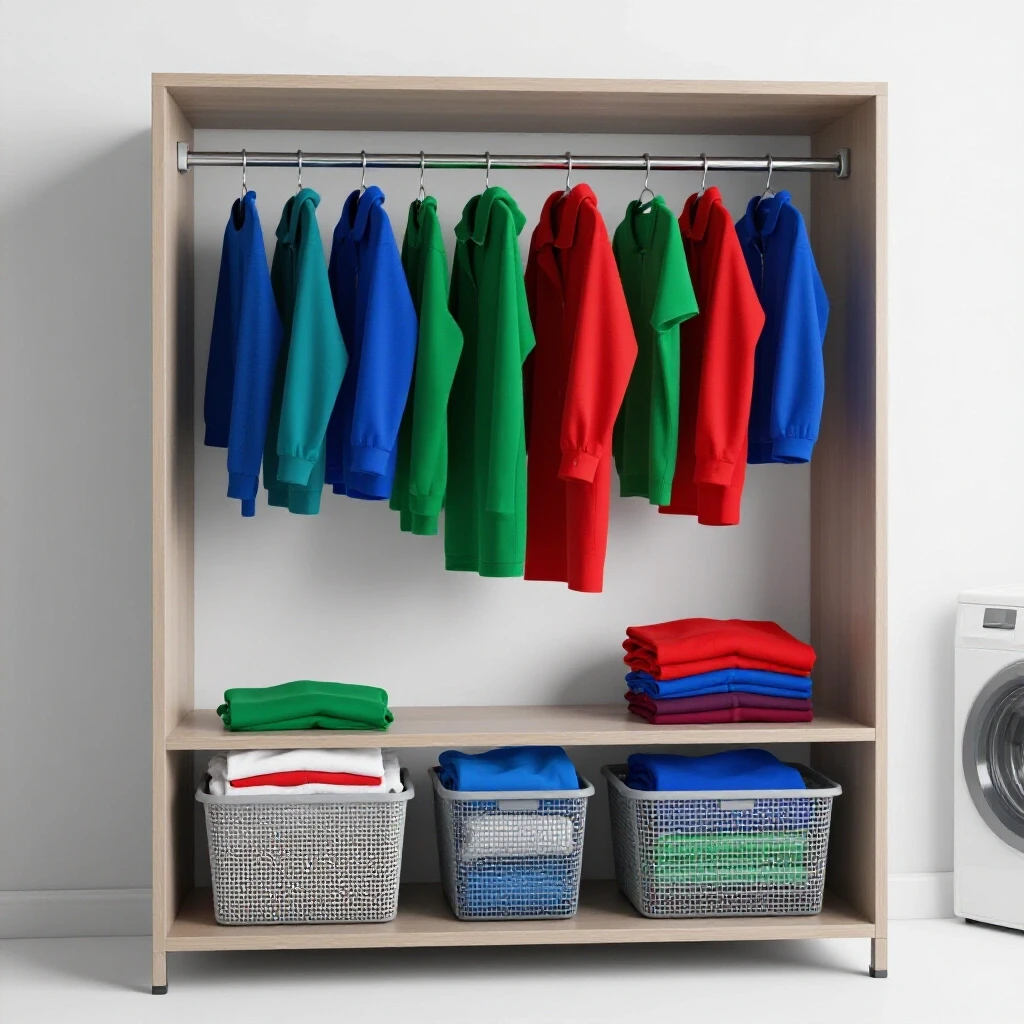
Focusing on luxury in a home often starts with the hidden systems that keep our lives organized and stress-free. There is nothing quite as frustrating as a closet collapse in the middle of a busy work week. I remember coming home after a long day of managing a commercial facility to find my wife’s entire wardrobe in a heap on the floor. A single plastic end-cap had sheared off under the weight of winter coats, turning a peaceful evening into an emergency project.
In my 12 years of maintaining buildings and upgrading my own homes, I have seen these failures repeatedly. Most builder-grade storage hardware is designed for the bare minimum load. When we push those limits, the hardware fails at its weakest point. This guide focuses on restoring your hanging storage with better materials and smarter techniques that meet the demands of a modern wardrobe. We will look at how to select robust hardware and install it so it never pulls out of the wall again.
Understanding Why Closet Hardware Fails Under Load
Identifying the root cause of a storage system collapse helps you choose the right replacement parts and installation method. Most failures happen because the fasteners were only driven into thin drywall rather than structural wall studs.
When a rod is loaded with clothes, it exerts a downward force and a pulling force on the top of the bracket. If you use standard plastic expansion anchors, they eventually wiggle loose as you slide hangers back and forth. This movement creates a “lever effect” that enlarges the hole in the drywall until the whole assembly gives way. In my experience, replacing a broken support with the exact same cheap plastic part is a recipe for another failure in six months.
Building codes like the International Residential Code (IRC) don’t give specific pound-for-pound rules for closet rods, but they do mandate that all fixed elements be securely attached to the structure. This means aiming for the wooden studs behind your drywall whenever possible. If a stud isn’t available exactly where you need the support, you must use heavy-duty toggle bolts that grip the back of the wall board.
Evaluating the Damage to Your Wall and Hardware
Before buying new parts, you need to see if the wall itself is still strong enough to hold a new bracket. If the old screws ripped out a large chunk of gypsum, you cannot simply put a new screw back in that same spot.
- Check for Cracks: Look for “spiderweb” cracks around the old mounting holes.
- Test for Softness: Press on the drywall; if it feels spongy, there might be moisture or structural fatigue.
- Measure the Gap: Note the distance between the existing rod and the side walls to ensure your new hardware fits.
Essential Gear for Restoring Closet Hanging Systems
Having the right tools on hand prevents the frustration of mid-project hardware store runs and ensures a code-compliant installation. You need tools that allow for precision leveling and high-torque fastening.
To do this right, you will need a mix of basic hand tools and a few specialized items. A stud finder is non-negotiable for a professional-grade result. I also recommend a “torpedo level” to ensure your rod is perfectly horizontal. If the rod is tilted even slightly, all your clothes will slide to one side, putting uneven stress on the new brackets.
- Cordless Drill/Driver: Use this for pre-drilling holes and driving long wood screws.
- Electronic Stud Finder: This tool helps you locate the 1.5-inch wide wooden framing members behind the wall.
- Toggle Bolts or Zinc Self-Drilling Anchors: These are far superior to the plastic “ribbed” anchors that come in most kits.
- 9-inch Torpedo Level: Essential for keeping the hardware aligned.
- Measuring Tape: Accurate to 1/16th of an inch for centering the rod.
- Safety Glasses: Always wear these when drilling into drywall to keep dust and debris out of your eyes.
DIY vs. Professional Comparison Table
| Factor | DIY Approach | Professional Handyman |
|---|---|---|
| Material Cost | $15 – $40 | $15 – $40 |
| Labor Cost | $0 (2-3 hours) | $150 – $250 (Minimum call-out) |
| Time Investment | One Saturday morning | Scheduling and waiting for arrival |
| Tool Investment | $50 – $100 (One-time) | N/A |
| Success Rate | High with proper anchors | High |
Step-by-Step Execution for Reinforcing Rod Brackets
A successful repair involves more than just swapping out a broken piece of plastic for a new one. It requires prepping the substrate and ensuring the new hardware is anchored into the home’s framing.
In my years of facility maintenance, I have learned that “dry-fitting” is the most important step. This means holding your new brackets and rod in place before you drill any holes. It allows you to see if the rod will be at a comfortable height and if the brackets interfere with any shelving above.
Phase 1: Removing Old Hardware and Prepping the Surface
Start by clearing everything out of the closet. You need a clean workspace to see the wall clearly and move your ladder around safely.
- Remove the Rod: Carefully lift the rod out of the existing supports. If it is stuck, use a flat-head screwdriver to gently pry the plastic tabs open.
- Unscrew the Brackets: Remove the screws or nails holding the broken pieces. If the screws are stripped, use pliers to grip the head and turn them manually.
- Clean the Holes: Use a utility knife to trim away any loose paper or crumbled drywall from the old holes. This creates a flat surface for the new hardware.
Phase 2: Locating Structural Support
Finding a stud is the “gold standard” for any hanging storage. If you can hit a stud, a simple 2-inch wood screw can hold over 100 pounds easily.
Use your stud finder to mark the edges of the studs near your mounting points. Most homes have studs spaced 16 inches apart. Once you find one, mark the center with a pencil. If your closet layout requires the bracket to be in a spot without a stud, this is where you switch to toggle bolts. Toggle bolts have “wings” that expand behind the drywall, spreading the weight across a larger area.
Phase 3: Installing the New Heavy-Duty Brackets
Now it is time to mount the hardware. I prefer metal “U-shaped” brackets over the circular “O-ring” style because they make it easier to remove the rod in the future if you need to paint.
- Mark Your Height: Use your measuring tape to mark the height of the bracket on both sides of the closet. A standard height is usually 60 to 65 inches from the floor.
- Pre-Drill Holes: Never drive a screw directly into a stud without a pilot hole. It can split the wood and weaken the connection. Use a drill bit slightly smaller than the screw shank.
- Insert Anchors: If you aren’t hitting a stud, drill a hole large enough for your toggle bolt. Push the toggle through the bracket first, then into the wall until you hear the wings click open.
- Tighten and Level: Tighten the screws until the bracket is snug against the wall. Do not over-tighten, as this can crush the drywall and cause the bracket to tilt.
Troubleshooting Common Installation Hurdles
Even simple projects can hit snags, like hitting a metal plate behind the wall or finding that your rod is now too short for the new brackets.
If your drill bit hits something hard that isn’t wood, stop immediately. This could be a “nail plate” protecting electrical wires or plumbing pipes. In this case, you must move your bracket an inch or two to the side. If you find that the rod sags in the middle after you hang your clothes, you need to add a “mid-span support bracket.” Any rod longer than 48 inches generally requires a center support to prevent bending.
Material Load Tolerances and Weight Limits
Understanding the physics of your storage helps prevent future collapses. Different materials have vastly different failure points.
- Wooden Rods (1-5/16″): Can hold about 40 lbs per foot if supported every 4 feet.
- Steel Rods: Can hold upwards of 60 lbs per foot but are prone to sliding if the brackets aren’t snug.
- Plastic Brackets: Often fail at 25-30 lbs of total pressure.
- Zinc/Steel Brackets: Can handle 100+ lbs when anchored into studs.
Final Testing and Quality Control
Before you load your clothes back into the closet, you must verify that the repair is solid. I always perform a “stress test” by applying manual pressure to the rod.
Grasp the rod near the new bracket and pull down firmly with about 20 pounds of force. Watch the bracket closely. Does it pull away from the wall? Does the drywall flex? If there is any movement, you need to revisit your anchoring strategy. A solid installation should feel like it is part of the wall itself.
Maintenance Checklist for Long-Term Stability
- Monthly Check: Every few months, give the rod a quick wiggle to ensure the screws haven’t vibrated loose.
- Weight Distribution: Try to spread heavy coats across the entire rod rather than bunching them all on one end.
- Hardware Inspection: Look for signs of “necking” or bending in the metal brackets, which indicates they are overloaded.
Knowing When the Project Exceeds DIY Limits
While most rod repairs are straightforward, some situations require a more significant structural intervention. If the entire wall is bowing or if the closet is part of a modular system that has completely delaminated, a simple bracket swap won’t fix the underlying issue.
If you discover that the wall behind the closet is damp or shows signs of mold, you have a plumbing or roofing leak that must be addressed first. Never install new hardware over damaged or rotting wood. In these cases, the “luxury” of a functional closet depends on fixing the envelope of the house before worrying about where to hang your shirts.
Project Summary and Next Steps
Restoring your closet’s functionality is a high-impact weekend task that saves you the cost of a professional visit while improving your daily routine. By moving away from flimsy plastic parts and embracing structural anchoring, you create a system that can handle the weight of a full wardrobe.
Your next step is to clear the closet and measure your current rod diameter. Head to the hardware store and look for reinforced steel or heavy-duty wood brackets. Once you have your tools ready, the actual installation should take less than two hours. The peace of mind knowing your clothes won’t end up on the floor again is well worth the effort.
FAQ: Frequently Asked Questions About Closet Support Repairs
What is the best screw size for mounting closet brackets into studs? For most residential closets, a #8 or #10 wood screw that is at least 2 inches long is ideal. This allows for 1/2 inch of drywall thickness and 1.5 inches of penetration into the wooden stud, providing maximum “shear strength” to hold heavy loads.
Can I use “command strips” or adhesive hooks for a closet rod? Absolutely not. Adhesive-based solutions are designed for light, static loads like picture frames. The dynamic weight of sliding clothes and the sheer mass of a full wardrobe will cause adhesives to fail almost immediately, often taking the paint and top layer of drywall with them.
How do I fix a hole that is too big for a standard screw? If the old screw ripped out a large chunk of drywall, you should use a “butterfly” or toggle bolt. These require a larger hole (usually 1/2 inch) but provide a wide metal base behind the wall that can bridge the damaged area and provide a secure hold.
How many support brackets do I need for a 6-foot closet rod? For a 6-foot span, you need three supports: one on each end and one heavy-duty support bracket in the exact center. Without the center support, even a steel rod will eventually “bow” or sag, which puts extreme outward pressure on the end brackets and leads to failure.
Is it better to use a wood rod or a metal rod? Steel rods are generally more durable and won’t warp over time. However, high-quality hardwood rods (like oak) are very strong if they are at least 1-3/8 inches thick. Avoid cheap pine or “hollow” thin-walled metal rods, as they can kink under heavy weight.
Why does my closet rod keep falling even though I used anchors? This usually happens because you used “tapered” plastic anchors which are not designed for “tension” loads (pulling out). Closet rods pull down and out. Switch to “toggle bolts” or “molly bolts,” which mechanically lock behind the wallboard.
Should I use a “cleat” (a strip of wood) under my brackets? Using a 1×4 wood cleat screwed into multiple studs across the back of the closet is a “pro move.” It provides a solid wooden surface to mount your brackets anywhere you want, regardless of where the studs are located.
How do I know if I hit a metal stud instead of a wood stud? If you are in a modern condo or apartment, you might have steel studs. Your drill bit will hit something hard, then “pop” through quickly. For metal studs, you must use specialized “self-tapping” metal screws or toggle bolts, as standard wood screws will not grip the thin metal.
What is the “load rating” I should look for on new hardware? Look for brackets rated for at least 50 lbs each. Since you usually use at least two, this gives you a 100 lb capacity. For a master closet with many suits or coats, look for “Heavy Duty” stamped steel brackets rated for 150 lbs or more.
Can I repair a snapped plastic bracket with epoxy or super glue? No. Once the polymer structure of a plastic bracket is compromised by a stress fracture, adhesives will not restore its original load-bearing capacity. It is safer and more cost-effective to replace the part with a metal equivalent.
(This article was written by one of our staff writers, Robert Callahan. Visit our Meet the Team page to learn more about the author and their expertise.)