How to Replace a Leaking Shower Door Seal (Step-by-Step Guide)

Maintaining a clean bathroom often starts with the ease of care provided by a well-functioning shower enclosure. When water stays where it belongs, surfaces remain dry, and mold has no place to grow. However, even the best-designed glass doors eventually suffer from worn-out gaskets that allow puddles to form on the bathroom floor.
In my twelve years as a facilities manager, I have seen how small leaks lead to massive headaches. Early in my DIY journey, I ignored a tiny drip coming from the bottom of my master shower. I was busy with work and figured a towel on the floor was a fine temporary fix. Two months later, I was pulling up rotted subflooring and replacing moldy baseboards. That experience taught me that a thirty-minute gasket swap is far cheaper than a weekend of floor demolition. Managing a home is much like managing a commercial building; you have to stay ahead of the wear and tear.
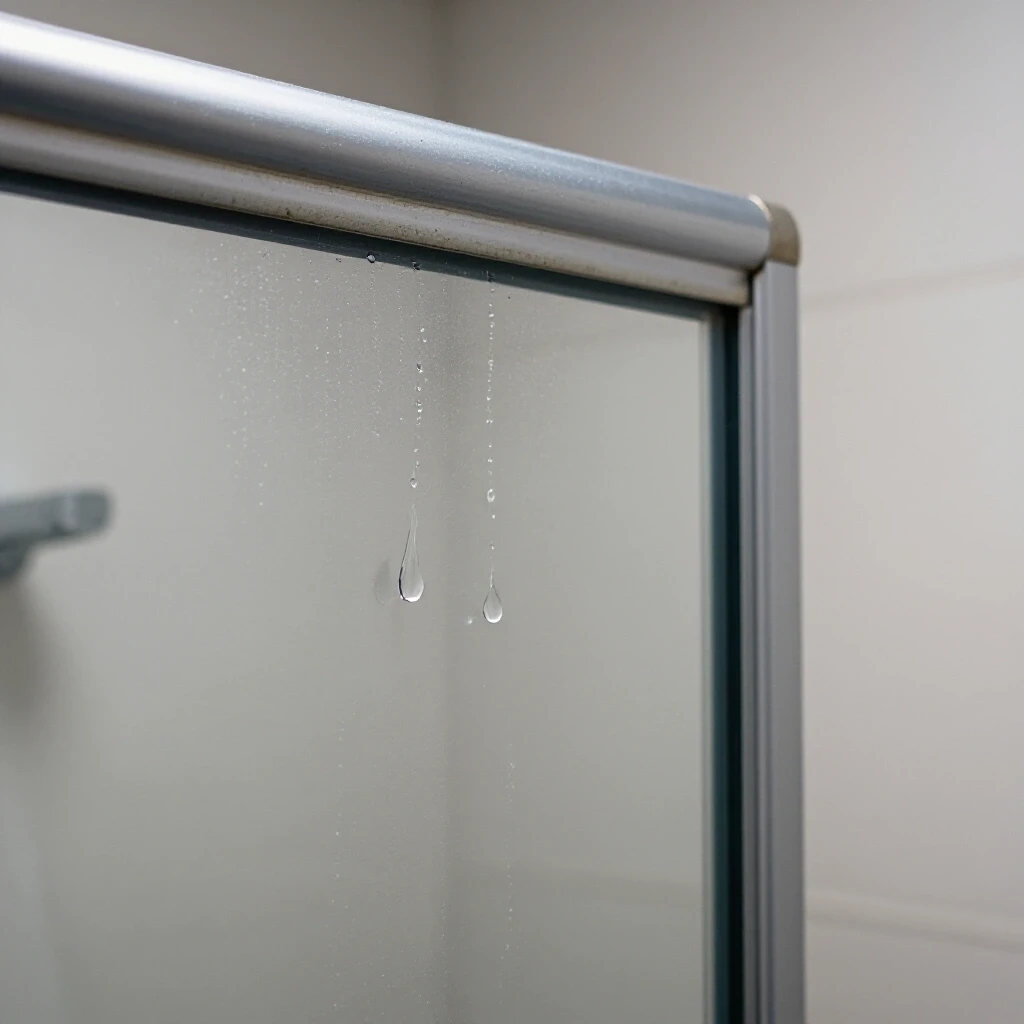
Assessing the Condition of Your Current Gasket
Before buying parts, you must determine if the existing flexible strip is actually the source of your leak. Over time, vinyl and rubber components become brittle due to contact with hard water minerals and soap scum. Look for yellowing, cracks, or sections where the fin has pulled away from the glass, as these are clear signs of failure.
Identifying a failing seal early prevents water from migrating into the wall cavity or under the floor tiles. Most frameless doors use a “sweep” on the bottom and a “h-jam” or “bulb seal” on the sides. If you notice water escaping when the shower head is pointed toward the door, it is time to inspect these components for gaps or loss of elasticity.
Essential Tools and Materials for the Task
Success in home maintenance depends on having the right gear before you start the work. For this specific project, you do not need a massive rolling chest of tools, but you do need precision instruments to ensure a watertight fit. Using the wrong cutting tool, for example, can result in jagged edges that allow water to bypass the seal.
I recommend gathering these items on your workbench before you even step into the bathroom. Having everything ready respects your time and prevents the frustration of mid-project hardware store runs.
- Measuring Tape: A standard locking tape measure to determine glass thickness and door width.
- Utility Knife or PVC Snips: Snips are preferred for a cleaner, square cut on thick vinyl.
- Rubbing Alcohol: Used to clean the glass edge and remove old adhesive or soap residue.
- Microfiber Cloths: For drying the glass to ensure the new strip grips the surface.
- Small Rubber Mallet: Helpful for gently tapping a tight-fitting gasket onto the glass.
- Spray Bottle with Water and a Drop of Dish Soap: Acts as a temporary lubricant for sliding the new seal into place.
| Tool/Material | Purpose | ROI for Future Projects |
|---|---|---|
| PVC Snips | Clean cuts on vinyl/plastic | High for plumbing and trim work |
| Rubbing Alcohol | Surface preparation | Essential for any adhesive task |
| Rubber Mallet | Non-marring impact | Great for furniture and flooring |
| Measuring Tape | Accuracy | Mandatory for every DIY task |
Selecting the Correct Gasket Profile
Choosing a replacement requires more than just picking a strip that looks similar to your old one. You must measure the thickness of your glass door, which is typically 1/4 inch, 3/8 inch, or 1/2 inch. Most building codes require tempered glass for showers, and the thickness determines which “U-channel” or “clip-on” seal will stay securely in place.
Manufacturers design these gaskets with specific “fins” or “drip rails” that direct water back into the shower pan. If your door has a large gap at the bottom, you might need a “star” profile or a tall sweep. If the door hits the side wall, a bulb seal is usually the best choice to cushion the impact and prevent splashes.
Removing the Old Seal and Preparing the Glass
Removing an old, crusty gasket can be surprisingly difficult if it has been in place for a decade. I usually start by grabbing one end with pliers and pulling downward and away from the door. Be careful not to put too much lateral pressure on the glass; while tempered glass is strong, it is sensitive to edge impacts.
Once the old strip is off, you will likely see a line of mineral deposits and soap scum. This is where most DIYers fail. If you put a new seal over a dirty edge, it won’t sit flush, and it will eventually slide off. I use a plastic scraper and rubbing alcohol to get the glass perfectly clear. This ensures the new vinyl “bites” onto the glass surface for a secure, long-term fit.
Cutting and Dry-Fitting the New Component
The “measure twice, cut once” rule is the golden standard for a reason. I always cut my new gasket about half an inch longer than the door width initially. This allows for a “dry-fit” where I can slide the piece onto the door and see how it interacts with the hinges and the side of the shower frame.
A common mistake is cutting the seal too short, which leaves a gap in the corner where water is most likely to escape. Use your PVC snips to trim the piece to the exact width of the door. If your door has a metal frame or hinges that the seal must go around, you may need to notch the vinyl carefully with a utility knife.
Installing the New Gasket Safely
Installing a tight-fitting vinyl strip can be a struggle, especially if the glass is on the thicker side of the tolerance range. I find that spraying a very light mist of soapy water on the edge of the glass helps the seal slide on. Start at one end and press the channel onto the glass, working your way across the door.
If the seal is stubborn, use the rubber mallet to tap it into place gently. Never use a metal hammer, as a single strike can shatter tempered glass into thousands of pieces. Ensure the “drip rail” or “fin” is facing the inside of the shower so that it catches the water running down the door and directs it into the basin.
The Water Flow Verification Process
Once the installation is complete, you must verify that the new strip is doing its job. I call this the water containment check. It is the most rewarding part of the project because it provides immediate proof that your work was successful. You don’t need fancy equipment—just a standard shower head or a handheld sprayer.
- Dry the Outside: Wipe down the floor and the outside of the shower door completely.
- Lay Down a Marker: Place a dry, light-colored towel on the floor directly outside the door.
- Direct the Spray: From inside the shower, aim the water spray at the door, specifically targeting the new seal area.
- Check for Moisture: After two minutes of spraying, step out and check the towel. If it is dry, your seal is functioning correctly.
In my own home, I once skipped this test after a “quick” repair. The next morning, my wife pointed out a puddle that had reached the hallway carpet. It turns out I had notched the corner slightly too much, creating a funnel for the water. Doing a controlled test right after the install saves you from discovering a failure at the worst possible time.
Troubleshooting Common Installation Failures
If you still see water on your towel after the test, don’t panic. Most leaks are caused by minor alignment issues rather than a total failure of the part. Check to see if the gasket is fully seated against the glass. Even a 1/16-inch gap can allow water to seep through via capillary action.
Sometimes the door itself is out of plumb. If the door hangs crookedly, the seal might touch the floor on one side but leave a gap on the other. In this case, you may need to adjust the hinges, which is a more complex task involving loosening the mounting screws while supporting the weight of the glass. If the seal is simply too short for the gap, you may need to source a “deep-reach” sweep designed for larger clearances.
Maintenance for Longevity
A new gasket should last several years, but its lifespan depends heavily on how you treat it. Harsh chemical cleaners can break down the plasticizers in the vinyl, making it brittle and prone to cracking. I recommend cleaning the seal with a mild vinegar and water solution during your regular bathroom cleaning routine.
Also, be mindful of how you open and close the door. If the sweep drags heavily against the floor or a metal threshold, it will wear down faster. If you hear a “thud” or a “scrape” every time you move the door, the seal may be too long, or the door may have sagged. Addressing these mechanical issues early will keep your new seal in great shape for a long time.
Project Planning and Metrics
For a busy professional, time is the most valuable resource. This project is a classic “Saturday morning” task that provides a high sense of accomplishment for a low time investment.
- Total Active Time: 45 to 60 minutes.
- Skill Level: Beginner to Intermediate.
- Material Cost: Typically $15 to $40 depending on the length and profile.
- Professional Cost: $150 to $250 (mostly labor and travel fees).
- ROI: High, considering the prevention of water damage to the home’s structure.
| Phase | Estimated Time | Difficulty (1-10) |
|---|---|---|
| Inspection/Measuring | 10 mins | 2 |
| Removal/Cleaning | 15 mins | 4 |
| Cutting/Fitting | 15 mins | 5 |
| Installation | 10 mins | 6 |
| Water Testing | 5 mins | 1 |
Knowing When to Call a Specialist
While swapping a gasket is a straightforward DIY task, there are times when the job exceeds the scope of a simple repair. If you notice that the glass door is chipped or cracked anywhere near the edges, do not attempt to remove or install a seal. Damaged tempered glass is unstable and can explode without warning.
Similarly, if the leak is coming from the metal frame where it meets the wall, and the gaskets appear fine, the issue is likely a failure of the silicone sealant or the structural mounting. If the door hinges are loose and the glass is sagging significantly, it may require two people and professional-grade glass suction cups to safely realign the door. Safety should always be your priority; saving a few hundred dollars is not worth a trip to the emergency room.
FAQ: Common Questions About Shower Door Gaskets
Can I use clear silicone instead of a vinyl gasket? While silicone is a great sealant, it is not a substitute for a flexible gasket on a moving door. Silicone is meant for stationary joints. If you glue the door shut with silicone, you won’t be able to open it. If you apply it to the bottom, it will quickly peel off due to the friction of the door opening and closing.
How do I know what glass thickness I have? The easiest way is to use a wrench or a pair of pliers. Open them until they snugly fit across the edge of the glass, then measure the gap between the jaws with a ruler. Most modern frameless doors are 3/8 inch (10mm), while older framed doors are often 1/4 inch (6mm).
Why is my new seal making a loud squeaking noise? New vinyl is often “grippy.” If it is rubbing against the floor or a metal threshold, it will squeal. You can usually fix this by trimming a tiny bit off the bottom of the fin or by applying a very small amount of silicone-based lubricant to the edge of the seal.
Is it okay to piece together two short scraps of gasket? I strongly advise against this. The seam between the two pieces will act as a channel for water. Always use a single, continuous piece of vinyl for the entire width or height of the door to ensure a proper seal.
My old seal was glued on. How do I remove the residue? Manufacturers sometimes use high-bond tape or silicone to hold seals in place. Use a plastic razor blade to scrape away the bulk of the material. Follow up with a citrus-based adhesive remover or rubbing alcohol. Avoid using metal scrapers, as they can scratch the glass.
What if my door is curved? Curved doors require specific “pre-bent” gaskets or very flexible vinyl strips. Standard rigid U-channel seals will often kink or pop off if you try to force them onto a curved radius. Check the manufacturer’s specs for your specific shower model.
How often should these components be replaced? In a typical household, expect to replace these strips every 3 to 5 years. If you have hard water or use heavy cleaning chemicals, you might find yourself doing this every 2 years. If you notice the strip is no longer clear or has turned “crunchy,” it’s time for a change.
Does the building code require these seals? Building codes like the International Residential Code (IRC) focus on the safety of the glass (tempered) and the slope of the floor. While they don’t mandate a specific brand of seal, they do require that the shower enclosure effectively contains water to prevent damage to the building’s structure and to avoid slip hazards in the bathroom.
Can I install the seal without taking the door off the hinges? Yes, in almost all cases, you can and should leave the door on its hinges. Removing a heavy glass door is a two-person job and carries a high risk of breakage. The gaskets are designed to be snapped or slid onto the glass while the door is in place.
What is the best way to cut the vinyl without cracking it? If the vinyl is very cold, it can be brittle. I like to soak the new seal in a tub of warm water for a few minutes to make it more pliable. Using sharp PVC snips or a fresh blade in a utility knife will also prevent the material from shattering or cracking during the cut.
(This article was written by one of our staff writers, Robert Callahan. Visit our Meet the Team page to learn more about the author and their expertise.)